




Amir Temur and the Timurid empire through the eyes of Clavijo
Understanding history requires, first and foremost, studying it through a variety of sources and perspectives. In particular, the written legacy of foreign authors who lived during a given period and directly witnessed its events is of special importance in enriching our understanding of a particular era or historical figure. In this regard, one of the most valuable sources preserving important information about the historical developments in Transoxiana at the turn of the fourteenth and fifteenth centuries, the empire of Amir Temur, and the political, economic, and cultural life of Samarkand is the travel diary of the Spanish ambassador Ruy González de Clavijo.
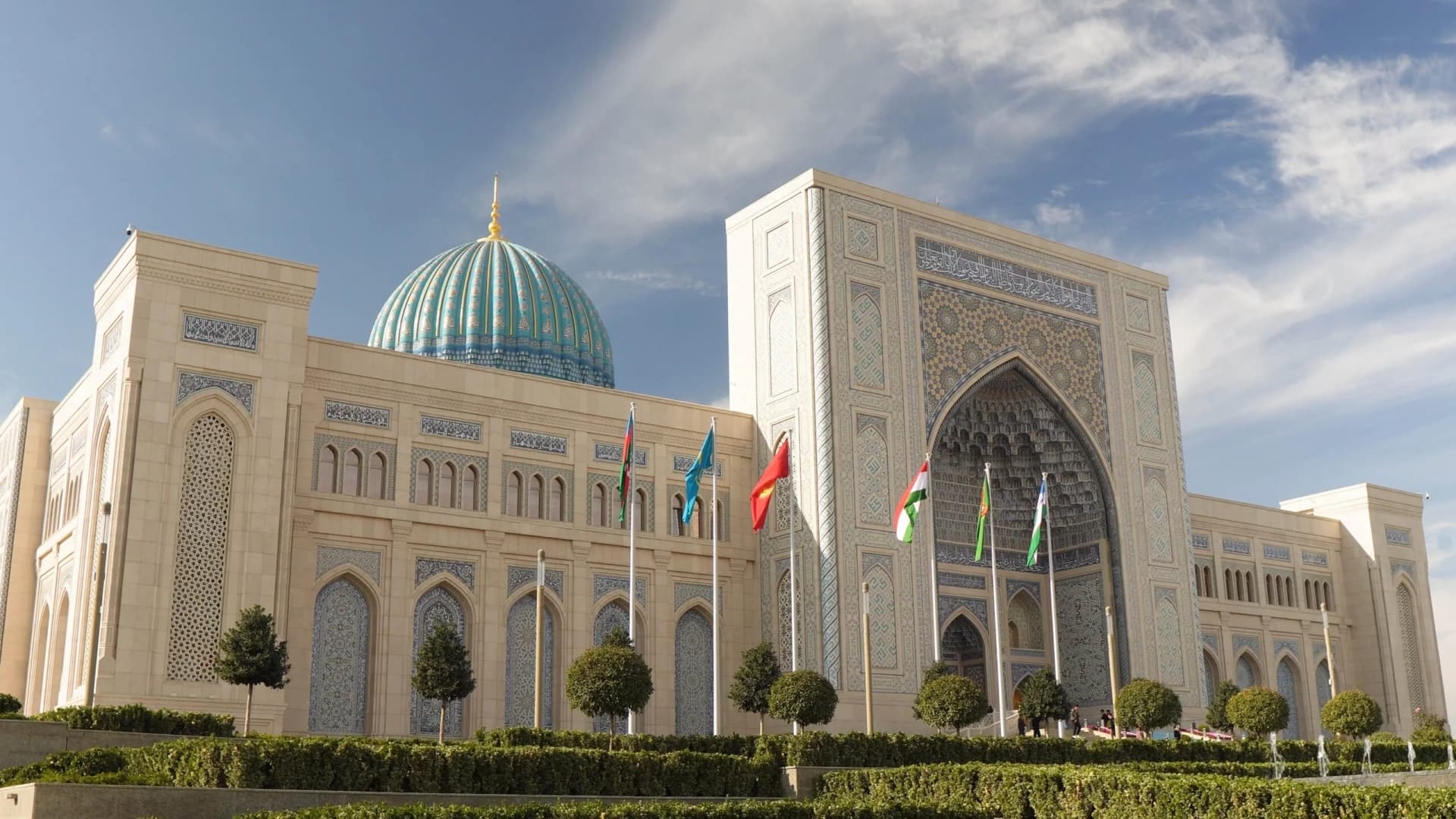
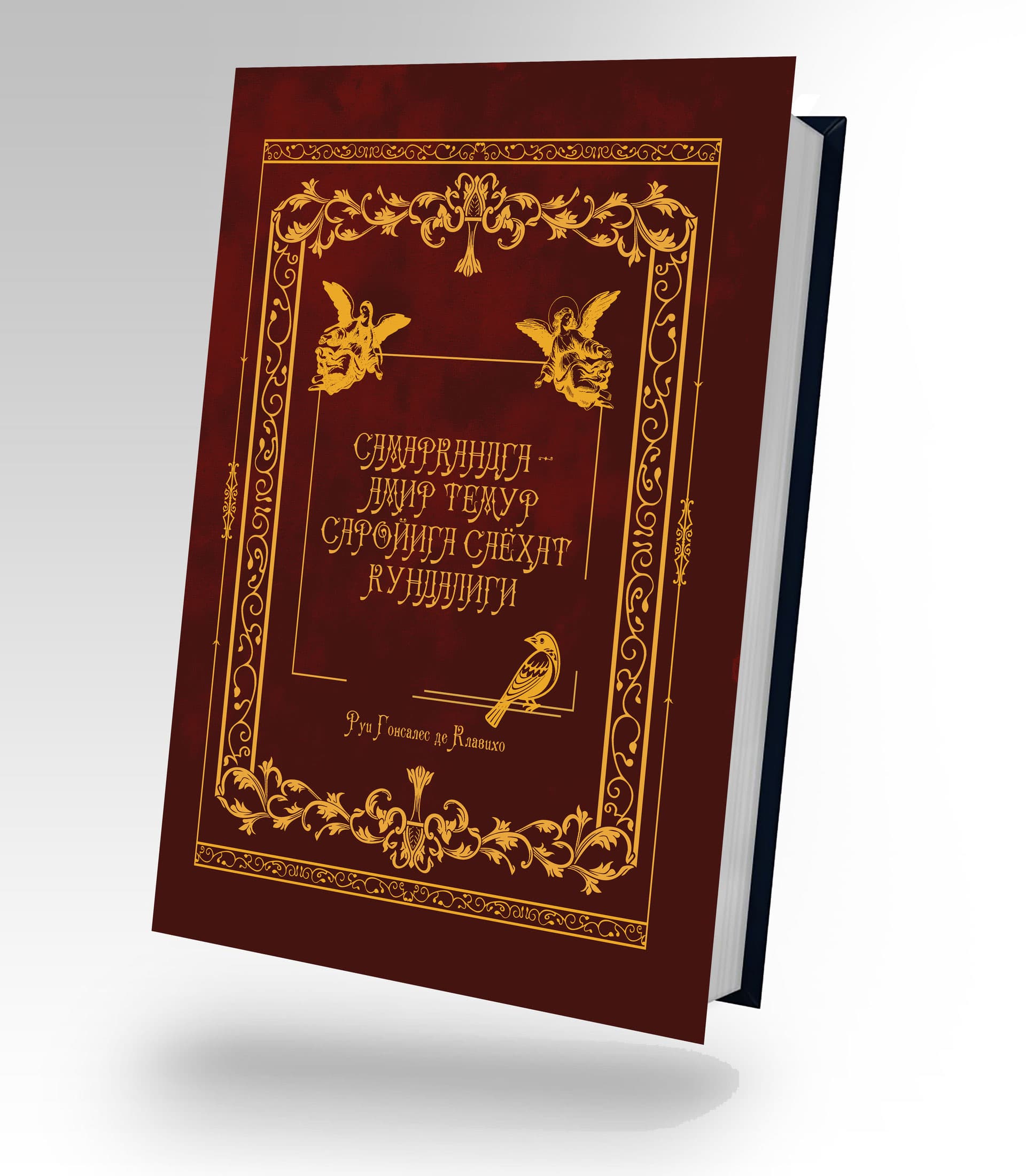
Based on this unique source, “Diary of a travel to Samarkand, to the court of Timur, 1403–1406” is now being prepared for publication at the Islamic Civilization Center in Uzbekistan. This publication is of particular significance for presenting Amir Temur and the Timurid era through the eyes of a foreign ambassador and traveler, conveying the atmosphere of the period, and shedding light on the historical relations between East and West.
A historical source linking East and West
Works devoted to the personality of Amir Temur and the Timurid era occupy a significant place in the world’s historical and literary heritage. Created by different authors in various periods and countries, these works make it possible to examine the activities of the great ruler from diverse perspectives.
From this standpoint, Clavijo’s travel account is of particular importance. The author recorded events not on the basis of what he later heard, but from what he personally saw and experienced during his journey to the empire of Amir Temur. Clavijo set out from Cádiz, Spain, on 22 May 1403 and reached Transoxiana via Rhodes, Istanbul, Trabzon, Erzurum, Tabriz, Tehran, Mashhad, Merv, and Balkh. He arrived in Samarkand in September 1404 and spent nearly six months observing the country’s natural environment, its people, system of government, domestic and foreign policy, court life, and cities.
The primary purpose of his journey was not ordinary travel. Clavijo led a diplomatic mission sent to Amir Temur by Don Enrique III, King of Castile and León. This diplomatic purpose also shaped the content of his travel account: the author carefully recorded not only cities and landscapes, but also systems of governance, diplomatic relations, court ceremonies, and international ties.
Amir Temur and Europe: a broad arena of diplomacy
To fully understand Clavijo’s travel account, it is important to consider the political relations that developed between East and West during the reign of Amir Temur.
By the late fourteenth century, the growing power of Amir Temur’s empire had drawn the attention of European states to Transoxiana. In particular, at a time when the strengthening position of the Ottoman Sultan Bayezid I in Asia Minor was causing concern among European rulers, the name of Amir Temur was becoming increasingly well known in the West. Representatives of European states were interested in establishing relations with him.
Amir Temur’s diplomatic ties were also extensive. He sent envoys to the courts of Don Enrique III, King of Castile and León, Charles VI of France, and Henry IV of England. In turn, ambassadors from Spain, France, England, and China arrived in Samarkand. It is also noted that some documents relating to the correspondence of Amir Temur and Miranshah Mirza with European rulers are preserved today in the British Museum and the National Library of France in Paris.
European diplomats were also involved in the developments surrounding the Battle of Ankara in 1402 and its aftermath. Payo de Sotomayor and Hernán Sánchez de Palazuelos, sent by the King of Castile, were received by Amir Temur. After the battle, he met with them, asked about the King of Spain and his country, and sent Qadi Muhammad Keshi to Castile together with them, carrying a letter and gifts.
From this perspective, Clavijo’s arrival in Samarkand was not an isolated event, but rather a logical continuation of the active diplomatic exchanges taking place between East and West at the time.
Who was Clavijo?
No precise information has survived regarding the date of birth of Ruy González de Clavijo. It is known, however, that he came from a wealthy and influential family in Madrid, served at the royal court, and held the position of chamberlain during the reign of Don Enrique III. Satisfied with the results of earlier diplomatic missions, the king appointed Clavijo to lead the next embassy.
After arriving in Samarkand in September 1404, Clavijo closely observed life in Transoxiana. In his diary, he recorded extensive information about cities, villages, caravanserais, roads, marketplaces, gardens, palaces, the daily life of the population, and the system of government.
His travel account also contains important observations on the crossing of the Amu Darya and on cities such as Termez, Shahrisabz, and Samarkand. Clavijo describes the width, current, and seasonal changes of the Amu Darya, and also records how transportation across the river was organized. He portrays Termez as a large and bustling city with numerous gardens and marketplaces.
Shahrisabz and Ak-Saray: Clavijo’s admiration
One of the important places that particularly attracted Clavijo’s attention was Shahrisabz. There, he personally witnessed the architectural projects being carried out during the reign of Amir Temur.
His description of Ak-Saray, in particular, is one of the most valuable parts of the travel account. Clavijo gives a detailed description of the palace’s towering gateway, tile decorations, spacious courtyard, pool, and architectural design. Since mainly the ruins of Ak-Saray have survived to the present day, Clavijo’s writings provide an important impression of what the palace looked like at that time.
The author also pays special attention to the gardens, mosques, and architectural complexes of Shahrisabz. His records preserve valuable information about the construction policies, urban development, and beautification projects undertaken during the reign of Amir Temur.
Samarkand — the great city through Clavijo’s eyes
Samarkand occupies a particularly central place in Clavijo’s travel account. He portrays the city not only as the ruler’s seat, but also as a major center where different countries, peoples, cultures, and trade routes converged.
The author notes that the area surrounding the city was covered with gardens and vineyards, that water was supplied through canals, and that a wide variety of goods were sold in the markets and trading stalls. Merchandise was brought to Samarkand from China, India, Tatar lands, and other regions. Silk fabrics, jewelry, spices, furs, and various handicraft products were actively traded there.
Clavijo also pays particular attention to Samarkand’s craftsmanship. He writes that silk weavers, armorers, and makers of glass and ceramic vessels were brought from Damascus, while bow and arrow makers, stonecutters, and jewelers came from Turkey. In this way, Samarkand emerges as a cosmopolitan city where masters of many different crafts and professions were gathered.
Clavijo’s descriptions of Samarkand reveal the city not only as a political center, but also as a major economic and cultural hub. He writes of the markets being crowded day and night, the abundance of food, the variety of goods brought from different countries, and the flourishing of handicrafts.
The court and gardens of Amir Temur
Clavijo also closely observed court life in Samarkand. He left detailed accounts of Amir Temur’s residences, reception ceremonies, banquets, and court protocol.
Amir Temur’s gardens made a particularly strong impression on Clavijo. He describes their pools, canals, shaded paths, fruit trees, birds, and other animals. Referring to places such as Bagh-i Dilkusha and Bagh-i Chinor, he describes their architectural and natural landscapes, as well as their scale and decoration.
Clavijo also provides a detailed account of his reception by Amir Temur. On 8 September, the envoys were taken to the ruler’s residence, where they presented the king’s letter and gifts. Amir Temur asked about the King of Spain and referred to him as “my son,” expressing his desire to continue friendly relations between the two states.
Construction and urban development: the Bibi-Khanum Mosque
Among the developments witnessed by Clavijo were the large-scale construction projects taking place in Samarkand. He left valuable information about the construction of the Bibi-Khanum Mosque, the establishment of new market stalls, and the development of the city’s infrastructure.
According to the author, work on the marketplace continued day and night. While one group of workers demolished buildings, others leveled the ground, and another group constructed new shops. As soon as the shops were completed, trading began immediately.
Clavijo also records Amir Temur’s personal supervision of the construction of the Bibi-Khanum Mosque. He writes that despite being unwell, the ruler came to the construction site to inspect the progress of the work and ordered that food be provided to the workers. These observations demonstrate the great importance attached to construction projects during that period.
“A hardworking and resilient people”
Another valuable aspect of the travel account is the wealth of information it contains about the people’s everyday life, customs, and way of living.
Clavijo describes the inhabitants of Transoxiana as hardworking, skilled in horsemanship and archery, and resilient under varying conditions. He also writes about their food culture, including the use of meat and dairy products, as well as pilaf and other dishes.
His accounts of banquets, where various meat dishes, pilaf, fruits, and other foods were served in abundance, provide an insight into the dining traditions of the period.
Clavijo also notes that people of different ethnic and religious backgrounds lived in Samarkand. This serves as important evidence of the city’s role as a major center of international trade and cultural exchange.
Timurid princesses and court culture
Clavijo’s travel account also contains information about the role of women in court life. He writes about the wedding of Mirzo Ulugbek held in October 1404, the ceremonies associated with it, and the participation of the women of the royal court.
His descriptions of Saray Mulk Khanum — Bibi-Khanum — as well as Khanzada Begim are particularly valuable sources for studying Timurid court culture, clothing traditions, and ceremonial practices. Clavijo pays special attention to their garments, jewelry, headdresses, and participation in formal court ceremonies.
Amir Temur’s system of governance and justice
Clavijo’s diaries also contain information about the administrative system of Amir Temur’s empire. He writes about judges, secretaries, the preparation of official documents, seals, and the implementation of state decisions.
The travel account describes how official matters were documented, how decisions were recorded through several stages, and how they were ultimately authenticated with the seal of the empire. Particular attention is also drawn to the inscription on the seal, “Rosti-rusti” — “Strength lies in justice.”
Clavijo also notes the respect Amir Temur showed to envoys, as well as the measures taken to ensure their safety and provide them with food and other necessities along the roads. Fresh horses were prepared at each stop, while the envoys were supplied with provisions and other essentials. These details provide valuable insight into the system established at the time to support interstate relations and diplomatic missions.
A critical approach to the source
However valuable Clavijo’s travel account may be, it would not be appropriate to regard it as an absolute and unquestionable record of historical truth. The source itself openly acknowledges the presence of certain errors, ambiguities, and inconsistencies in the rendering of place names.
Clavijo spent approximately six months in Samarkand. While he personally observed some aspects of Amir Temur’s empire, other information was based on what he heard from others. For this reason, certain details require comparative study alongside other historical sources. In particular, because personal and place names in the work were adapted to Spanish usage, identifying their original forms can sometimes be difficult.
Moreover, Clavijo viewed the era and personality of Amir Temur from the perspective of a European diplomat and intellectual. His journey through Transoxiana took place only once and was limited to several months. Therefore, from a scholarly standpoint, it is important to compare his accounts with other Eastern and Western sources.
At the same time, this very feature — the fact that the work was written from the perspective of a representative of a different cultural environment — further enhances its historical value. As a European diplomat who personally visited Transoxiana in his own time, Clavijo sought to convey many aspects of life in the East to a European readership.
The “Diaries” that have reached us across the centuries
Ruy González de Clavijo’s work, “Diary of a travel to Samarkand, to the court of Temur, 1403–1406,” which brought him lasting fame, has retained its scholarly and historical significance for centuries. It brings together the author’s observations and experiences during his travels in Turkey, Iran, and Transoxiana in 1403–1405, including his time at the court of Amir Temur. As noted in the source, this work ranks among the important written monuments of medieval world literature.
The publication of this work today by the Islamic Civilization Center in Uzbekistan also carries significant cultural and educational value. Through this book, readers are able to view the history of Amir Temur and the Timurids not from a single perspective, but also through the eyes of a foreign diplomat who directly witnessed the events of that era.
The edition being prepared by the Center, drawing on selected passages from the travel account, offers a comprehensive picture of the atmosphere of the period, the image of Samarkand, Amir Temur’s system of governance, diplomatic relations, construction activities, court ceremonies, everyday life, and cultural traditions.
Most importantly, Clavijo’s “Diaries” remind us that history should not be viewed from a single perspective, but rather through the comparative study of different sources. Every piece of information contained in the work — from the political power of Amir Temur’s empire to trade in the markets of Samarkand, its gardens, court ceremonies, craftsmanship, and the everyday life of ordinary people — contributes to reconstructing the complex and multifaceted picture of medieval Transoxiana.
In this sense, the preparation of a new edition of this historical work at the Islamic Civilization Center in Uzbekistan represents an important step not only in bringing a rare written heritage to readers, but also in making international sources on Amir Temur and the Timurid era more accessible to the wider public and enriching historical memory through a diversity of sources.
Durdona Rasulova
P.S. The article may be reproduced and published with a link to the Center’s official website