



The historical, cultural and museological significance of Sogdian textiles
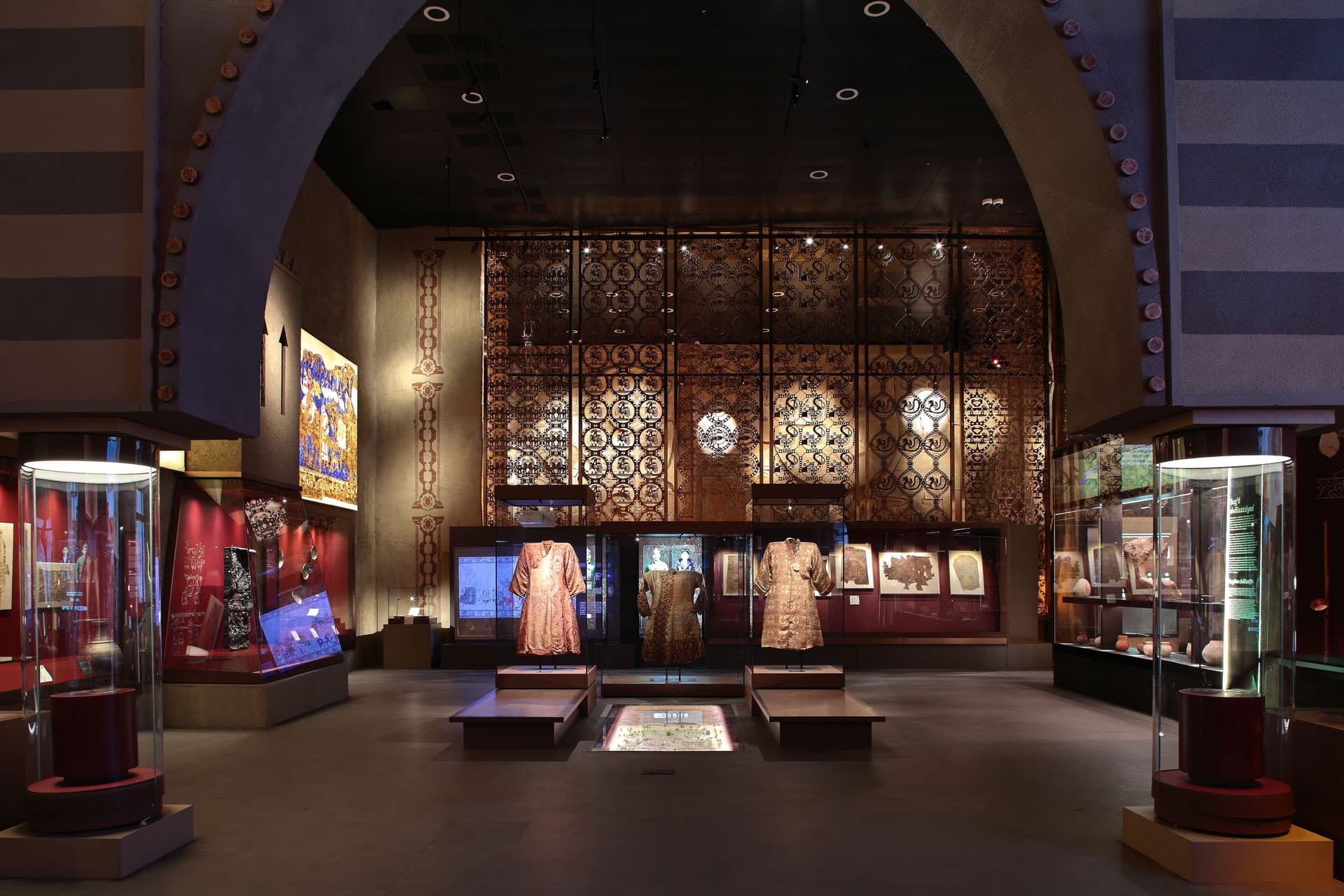
Sogdian textiles represent an important category of material evidence for studying the history, cultural development, and economic processes of early medieval Central Asia. The widespread use of textile products in Sogdian cities is evidenced by archaeological materials, written sources, and mural paintings. In particular, the murals preserved at Panjikent, Afrasiyab, and Varakhsha depict garments decorated with richly patterned and multicolored fabrics. These visual sources demonstrate that textiles in Sogdian society were not merely everyday objects, but also served as expressions of social status, aesthetic preferences, and cultural identity.
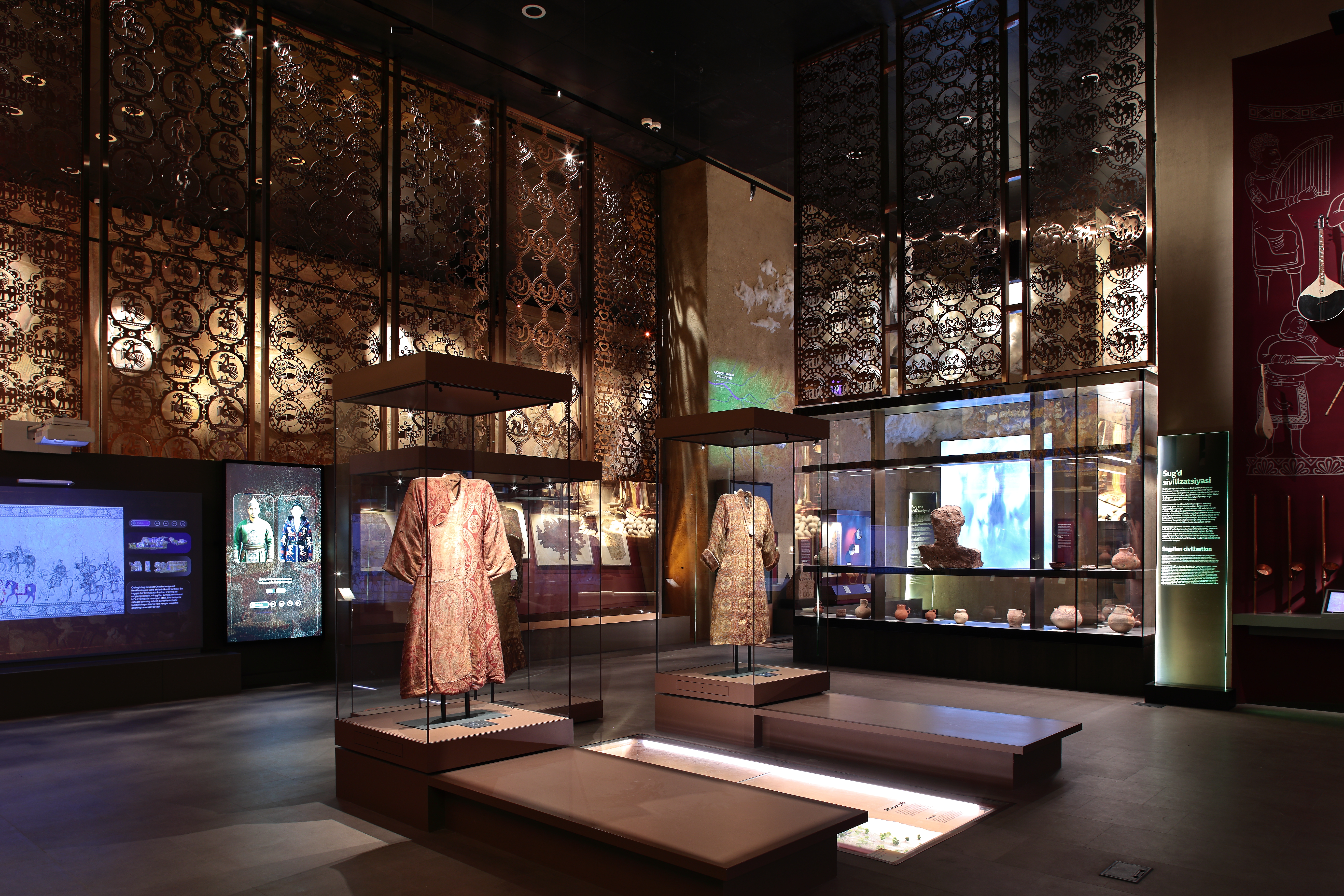 Scholarly studies indicate the widespread use of silk textiles within the Sogdian cultural sphere, as well as the existence of textile production practices in the region. One of the defining characteristics of Sogdian textile culture is the complexity of its ornamental and compositional systems. Textile patterns frequently include animals and birds, vegetal motifs, rosettes, pearl roundels, and paired zoomorphic figures placed within circular medallions.
The placement of paired animals within pearl-bordered medallions represents one of the widely distributed artistic motifs of early medieval Eurasian textile art. Similar compositions are also found among textile examples preserved in the collection of the British Museum, including confronted ibexes or deer positioned on tree-like supports within pearl roundels. Such ornamental systems should not be interpreted solely as the product of a single local artistic tradition. Certain motifs found in Sogdian textiles share similarities with examples from Sasanian Iran, China, and other artistic environments of Central Asia.
The depiction of textiles dating from the 6th–8th centuries in the Afrasiyab murals, including compositions featuring animals within medallions, provides important visual evidence for studying Sogdiana’s connections with the wider Eurasian artistic world. However, ornamental similarity alone cannot conclusively determine the geographical origin or manufacturing center of a textile. Therefore, the attribution of textile objects requires a comprehensive approach combining artistic and stylistic analysis with technological, material-science, and archaeological evidence. The technological structure of textiles is also an important diagnostic element in the study of Sogdian fabrics. Researchers analyze factors such as fiber type, yarn direction and twisting, the relationship between warp and weft threads, weaving density, textile structure, the use of colored yarns, and manufacturing techniques.
For example, some silk textiles described by the British Museum as being in a “Sogdian style” demonstrate the use of weft-faced compound twill, a complex weaving technique. Certain examples contain silk warp threads combined with red, green, white, and brown colored yarns. From this perspective, the color system of a textile should not be considered an independent indicator, but rather as one component of a broader attribution process. Color alone cannot determine the geographical origin of a textile. However, the analysis of dye composition, the way pigments interact with fibers, and the technological methods of processing can provide valuable information about raw materials and manufacturing traditions when combined with material-science research.
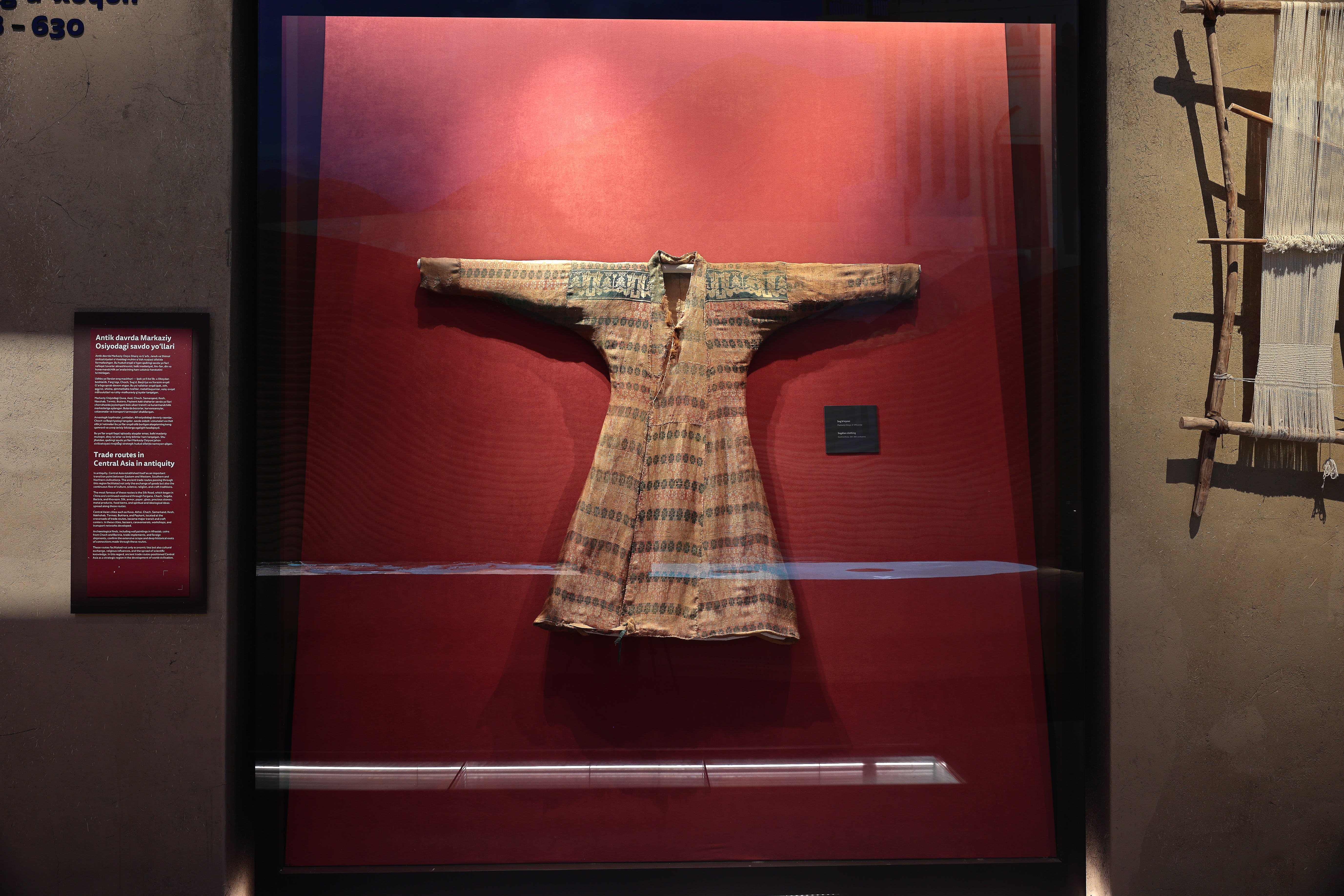 Therefore, the scholarly interpretation of museum objects requires not only visual examination but also the application of laboratory research methods. The historical importance of Sogdian textiles is also reflected in their relationship with the movement of goods, technologies, and artistic ideas along the Silk Roads. Research demonstrates that Sogdian merchants and communities were active across vast areas of Eurasia, contributing to the circulation of objects, technologies, and artistic concepts between Central Asia, China, and regions further west. For this reason, the study of Sogdian textiles should consider not only their possible place of production, but also their routes of circulation, contexts of use, and the processes of cultural exchange associated with them.
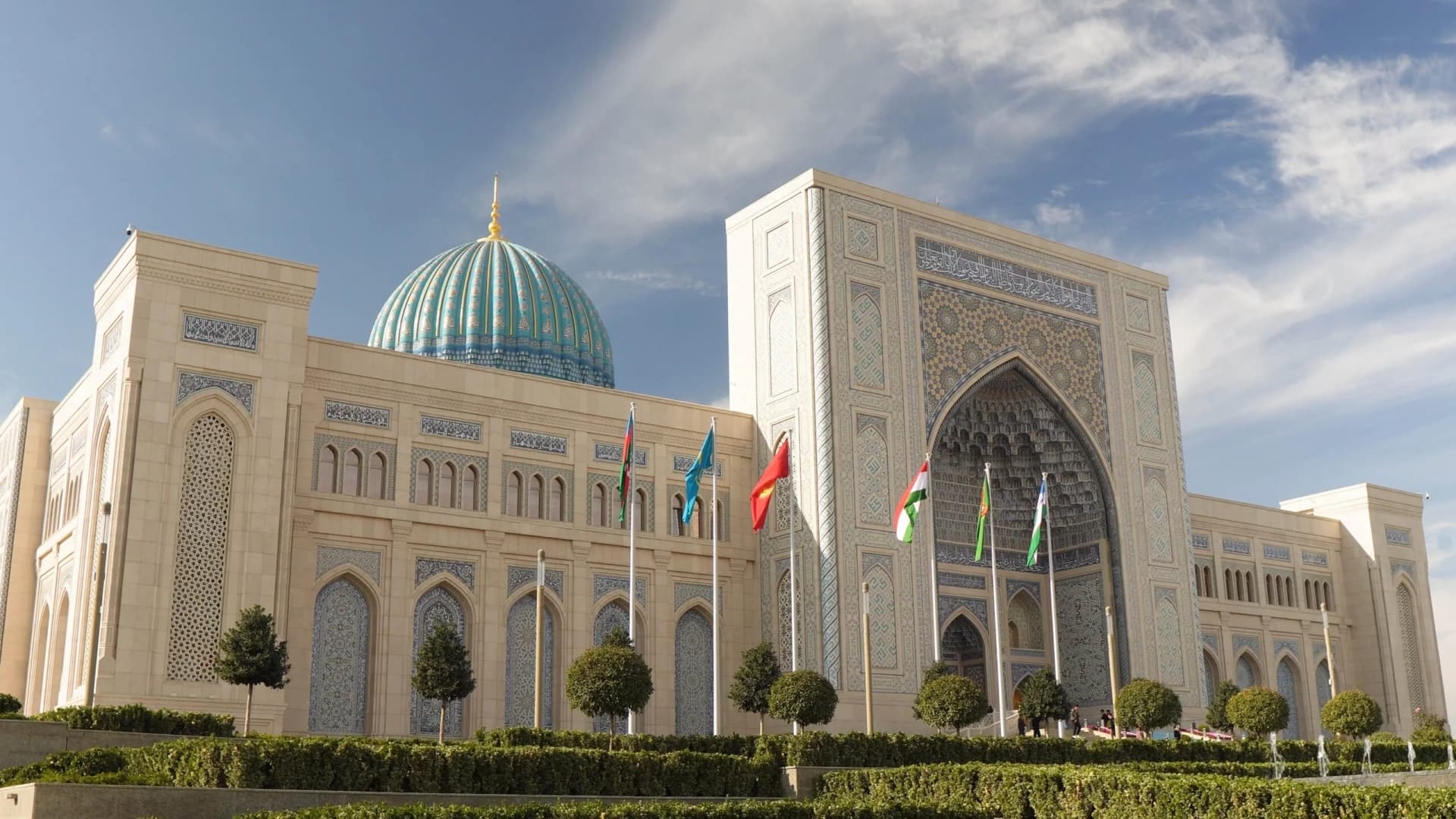
The scholarly value of the Sogdian textile samples displayed at the Islamic Civilization Center in Uzbekistan lies not only in their antiquity or artistic decoration, but also in the opportunity they provide to study multiple dimensions of material culture — including technology, raw materials, artistic style, social status, trade, and cultural interaction — through a single category of museum objects. Presenting these textiles through such a comprehensive interpretive approach allows them to be understood not simply as “ancient fabrics,” but as museum objects and historical sources reflecting the cultural and technological connections between Sogdiana and the civilizations of Eurasia.
Dilorom Chorieva
Doctor of Philosophy (PhD) in History
P.S. This article may be republished with a reference to the official website of the Islamic Civilization Center in Uzbekistan