



Scientific heritage for the future
The history of science is rarely merely a history of discoveries. Behind the names of scholars, the titles of works, and astronomical tables lie institutions, educational practices, systems of patronage, languages of scholarly communication, and, ultimately, society’s attitude toward knowledge. For this reason, the question of Central Asia’s scientific heritage today is not merely a matter of the past. For modern Uzbekistan, it is increasingly becoming a matter of the future.
In recent years, a system of state policy has taken shape in our country in which the preservation of historical and scientific heritage, the development of education and science, human capital, and innovation are viewed as interconnected priorities. The concept for the development of science until 2030 provides for the modernization of scientific infrastructure, the training of young researchers, and the strengthening of scientific and innovative activities. In turn, the “Uzbekistan — 2030” Strategy incorporates the development of human potential, education, science, and other sectors into a system of long-term and measurable national goals.
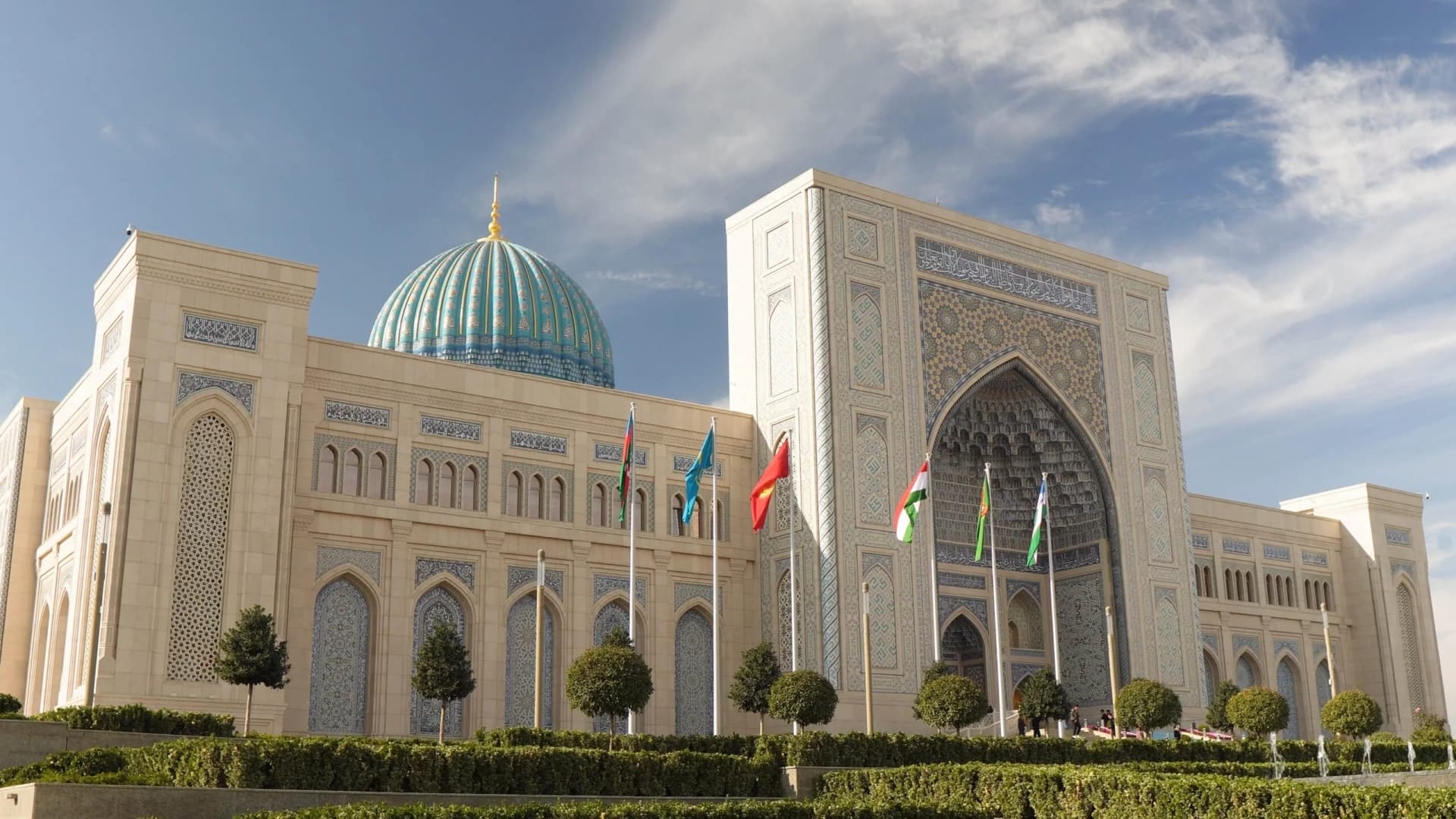
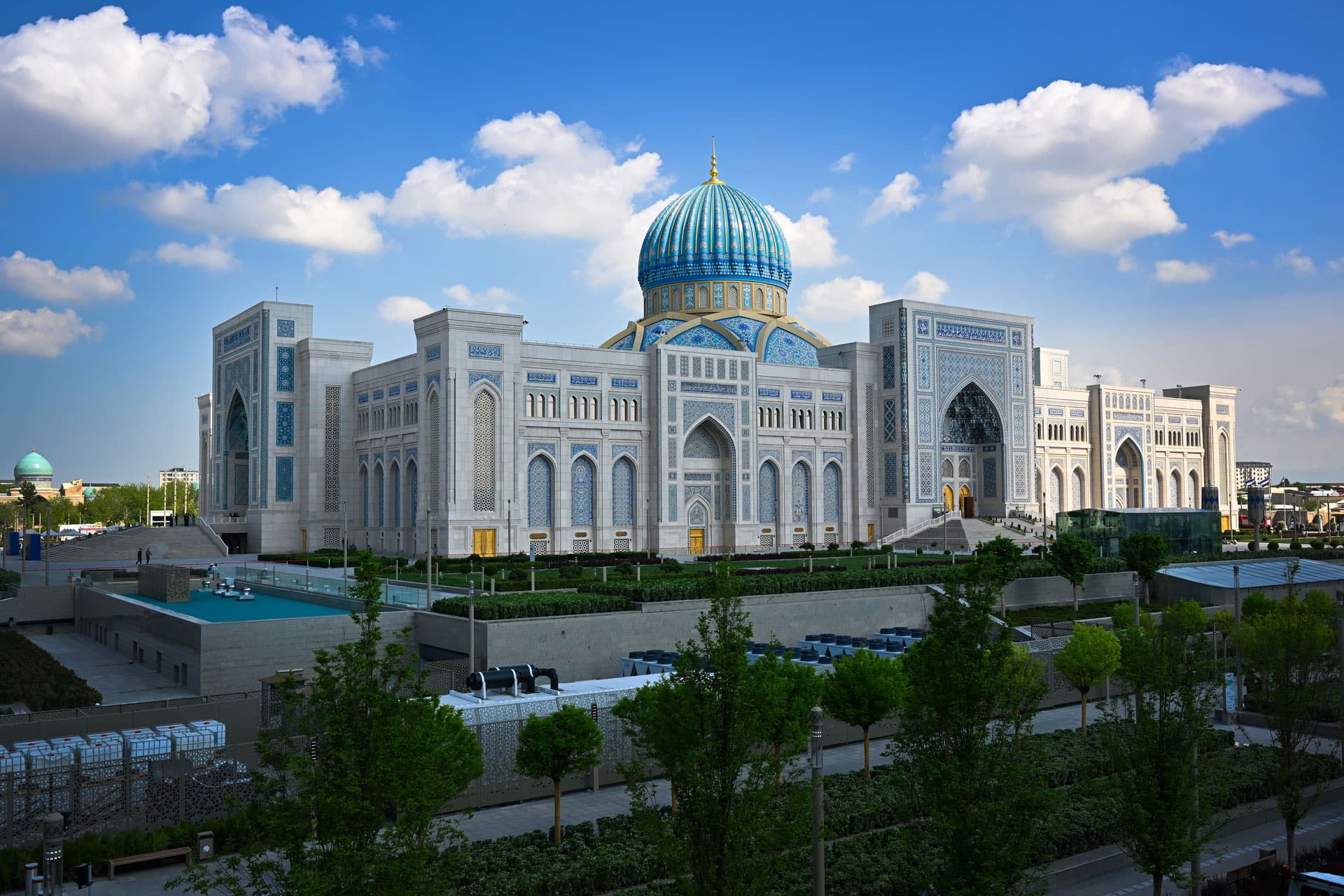
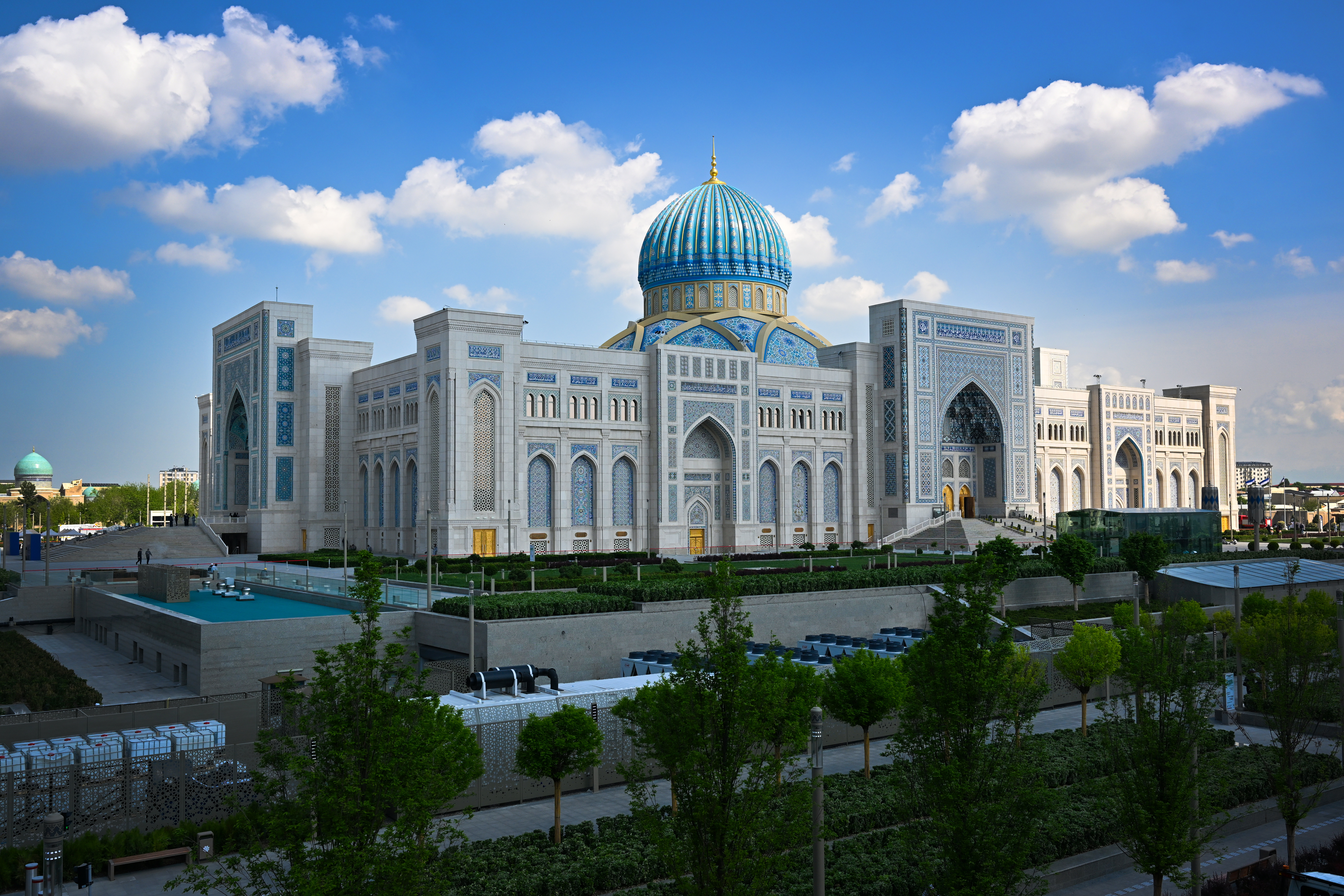 From this perspective, the Islamic Civilization Center in Uzbekistan is a particularly important example. Established on the initiative of President of Uzbekistan Shavkat Mirziyoyev, the Center operates as an international scientific and educational institution that integrates modern digital technologies and scholarly research with the cultural heritage of both the pre-Islamic and Islamic periods. This raises a fundamentally new question: can historical heritage become not merely an object of preservation and national pride, but also a resource for shaping a culture of knowledge, developing human capital, and advancing the country’s development strategy?
To answer this question, it is necessary to move beyond traditional narratives about “great ancestors.” What exactly should we learn and draw from our scientific heritage — particular bodies of knowledge, names, and discoveries, or a deeper culture of creating, transmitting, and applying knowledge?
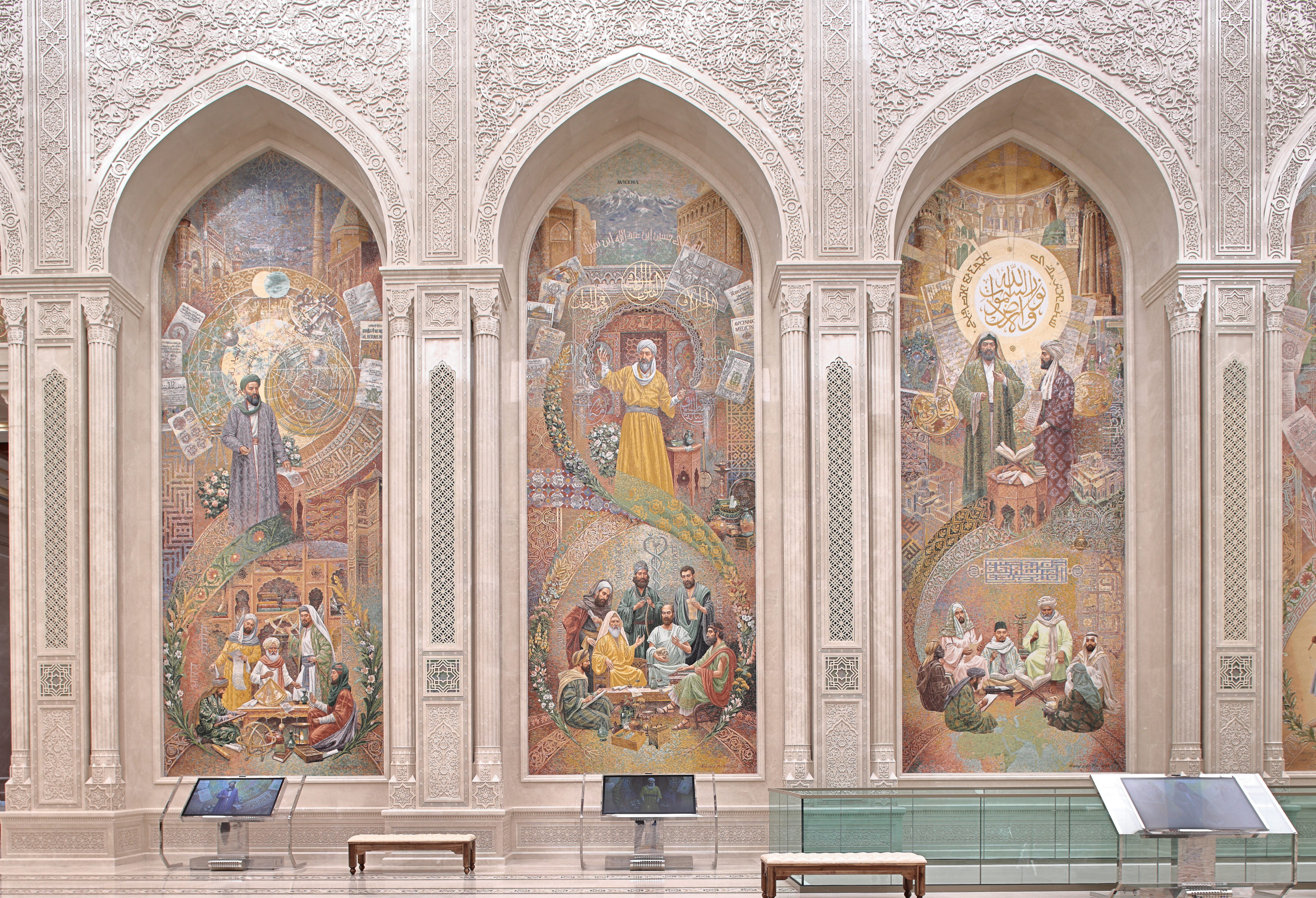 Central Asia — a space for the movement of knowledge
One of the persistent misconceptions found in popular perceptions of medieval science is the tendency to view it as a collection of separate national achievements. The history of Central Asia’s intellectual culture presents an entirely different picture. Scientific advancement cannot be explained simply by saying that “geniuses emerged.” For scholars such as Khwarizmi, Biruni, Ibn Sina, and those of later periods to flourish, there had to be an environment in which knowledge could circulate, be translated, discussed, critically examined, and transmitted to subsequent generations.
This has direct relevance to the modern era as well. If science in the past developed through an infrastructure of knowledge, then modern national scientific advancement is likewise impossible without such infrastructure — universities, laboratories, libraries, archives, digital databases, research centers, international networks, and systems for training young scholars.
Accordingly, Central Asia’s historical experience can be viewed as valuable historical material for addressing several important questions: How are the social and institutional conditions that enable a society to generate new knowledge created? How does historical heritage contribute to human development?
From historical memory to human capital
It should be emphasized that knowledge about great ancestors alone does not produce scholars. Knowing Ulugbek’s name does not mean engaging in astronomy. Taking pride in Ibn Sina does not mean reading scientific articles. Pride in Biruni does not guarantee the ability to work critically with sources. Therefore, it is important to move from reverence for achievements to cultivating a culture of methodology.
Young people should not simply be told that “Biruni was a great scholar”; they should also be taught to understand how he conducted his research.
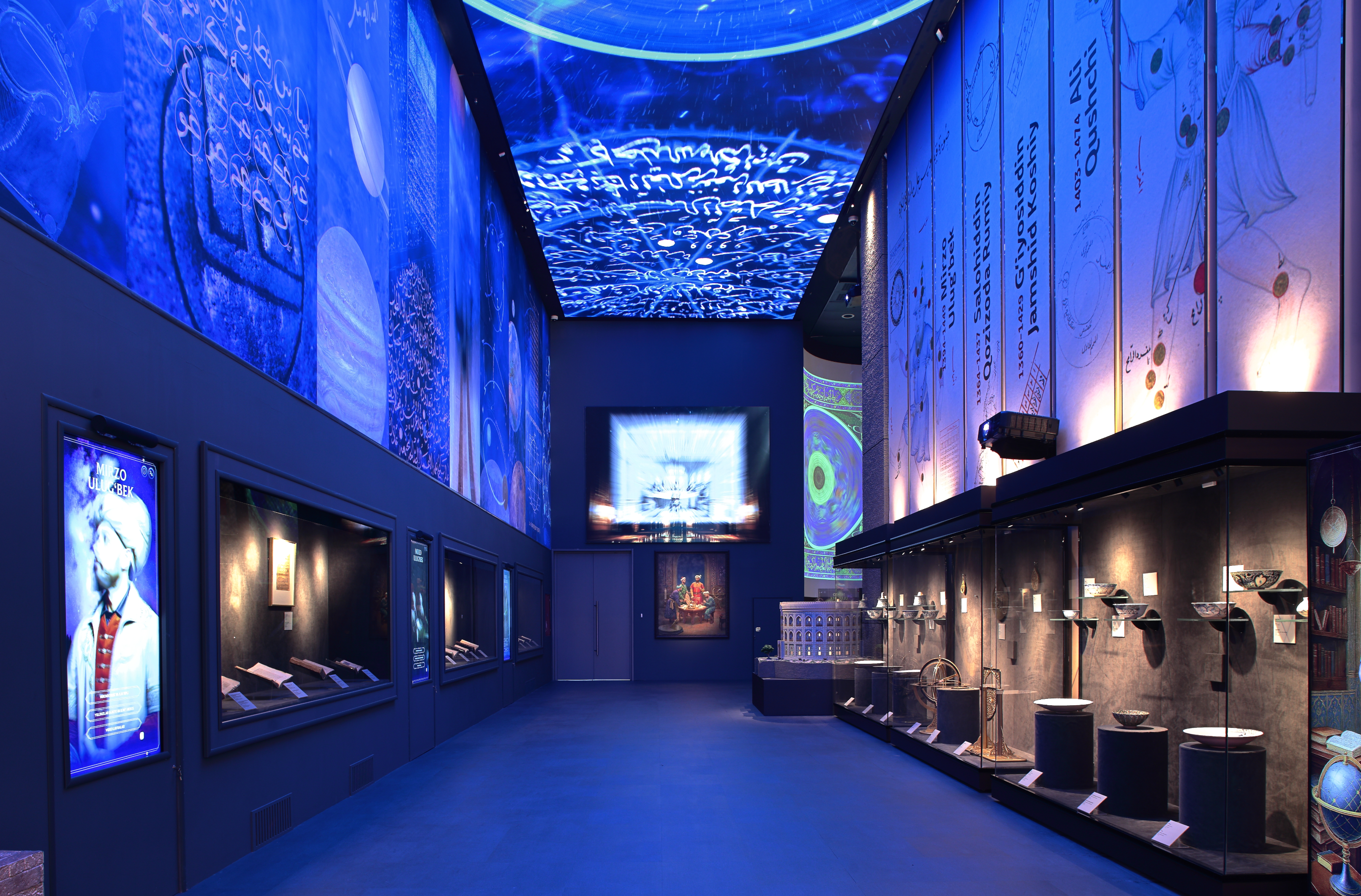 Rather than limiting ourselves to the statement that “Ulugbek built an observatory,” we must also seek to answer the question: “Why does society need fundamental science?” This is a matter of educational strategy. Under such an approach, historical memory becomes a means of using pride not as an end in itself, but as a gateway to intellectual activity.
From great names to a culture of scientific thinking
In public consciousness, scientific heritage is often represented through the images of great individuals. Khwarizmi is associated with mathematics and algorithms, Ibn Sina with medicine and philosophy, Biruni with the natural sciences and the study of cultures, and Ulugbek’s legacy with astronomy. Yet this alone is not sufficient for a strategic understanding of heritage.
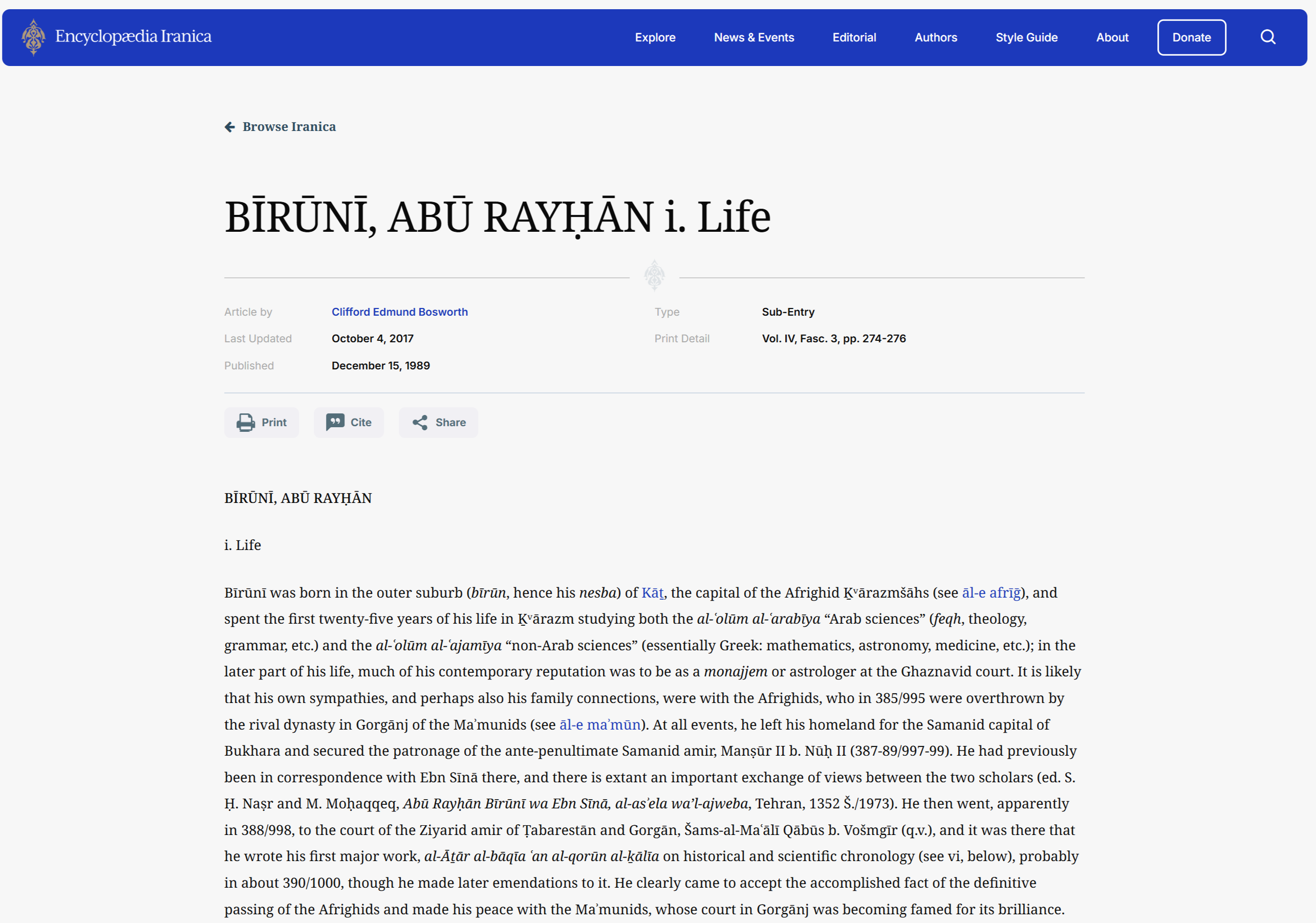 Let us turn to the example of Abu Rayhan Biruni. Sources in Encyclopaedia Iranica describe him as a great polymath who worked in such fields as mathematics, astronomy, geography, mineralogy, pharmacology, history, and the history of religions. Another important point is that, in his intellectual pursuits, he studied not only the Arabic sciences but also the Greek mathematical and astronomical tradition.
His engagement with India is even more instructive. Modern studies show that Biruni acquired knowledge of Indian astronomy, including through Arabic translations of Sanskrit texts.
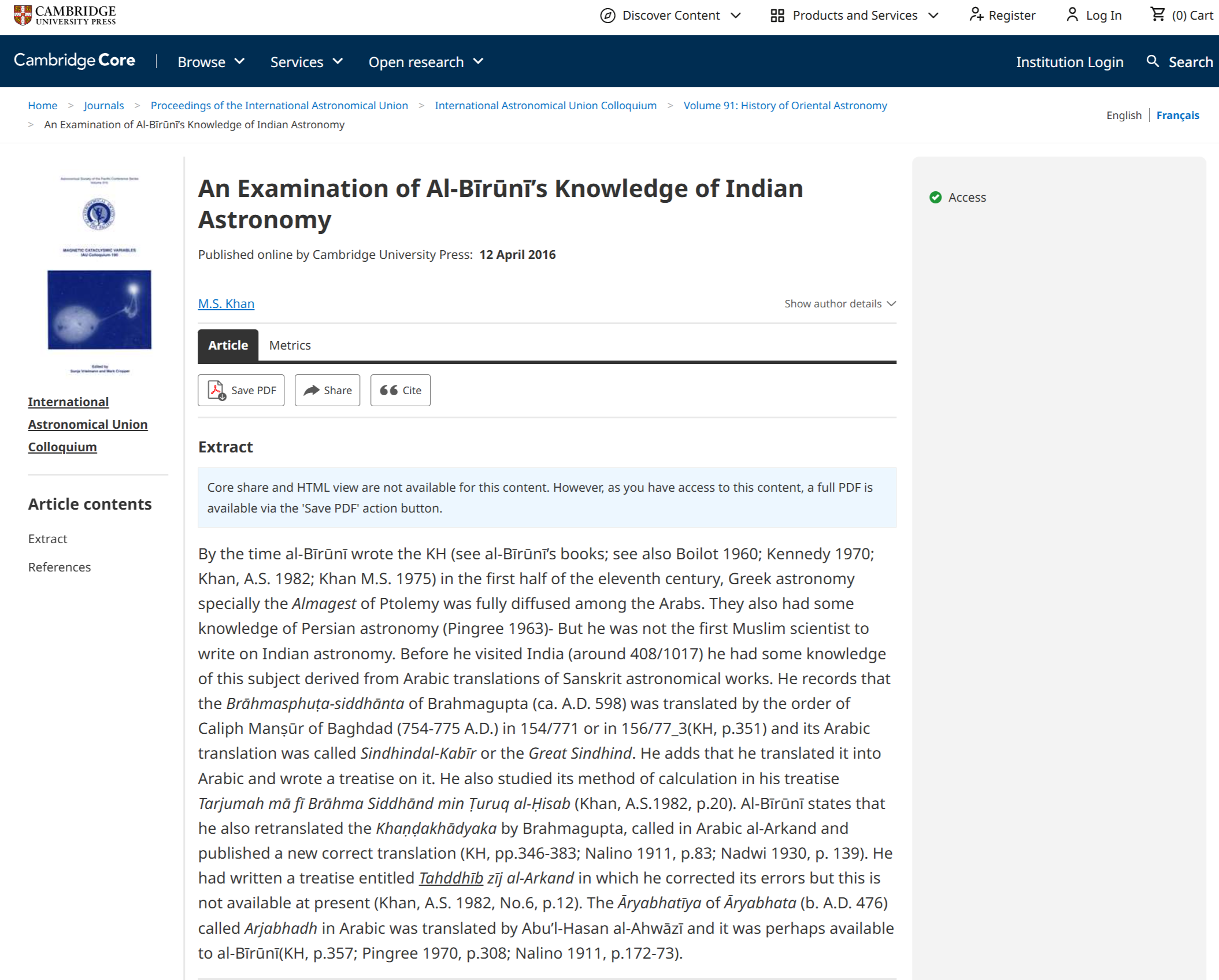 From this perspective, Biruni is not merely “a great scholar from Khwarazm” for the twenty-first century. He represents a particular model of scholarly conduct. Biruni exemplifies the effort to study other cultures on the basis of rigorous intellectual standards, to compare different systems of knowledge, to observe and describe, to critically analyze sources, and to adopt an interdisciplinary approach. Thus, benefiting from Biruni’s legacy does not mean simply repeating his conclusions; rather, it means preserving the ability to explore the unknown without abandoning critical thinking.
Ulugbek and a fundamental principle of profound relevance to the present day
The example of Mirzo Ulugbek is no less significant. In Samarkand, he built an observatory that became one of the most renowned scientific institutions in the history of the region. The Metropolitan Museum of Art regards it as a striking testament to Ulugbek’s interest in science and astronomy.
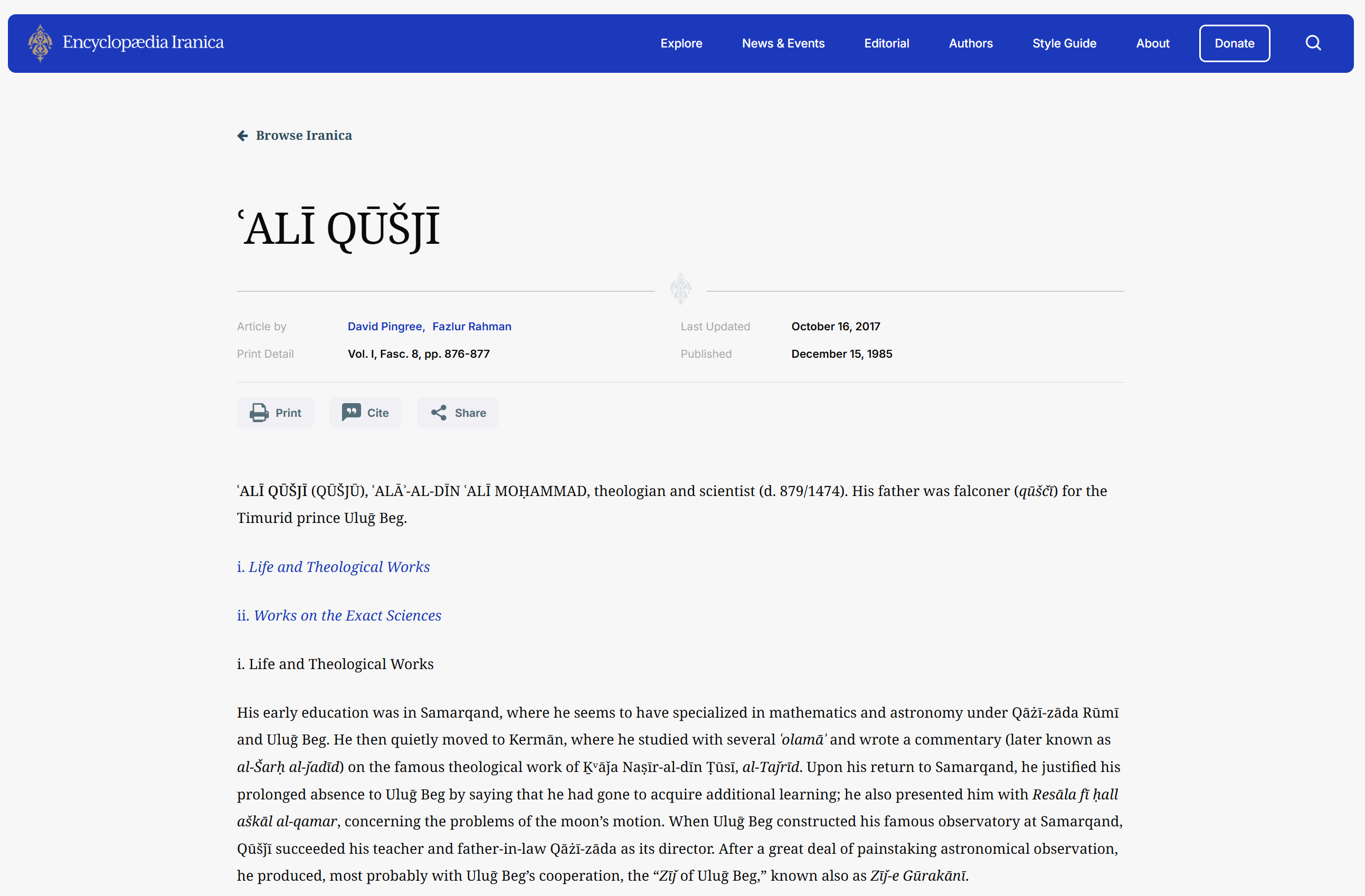
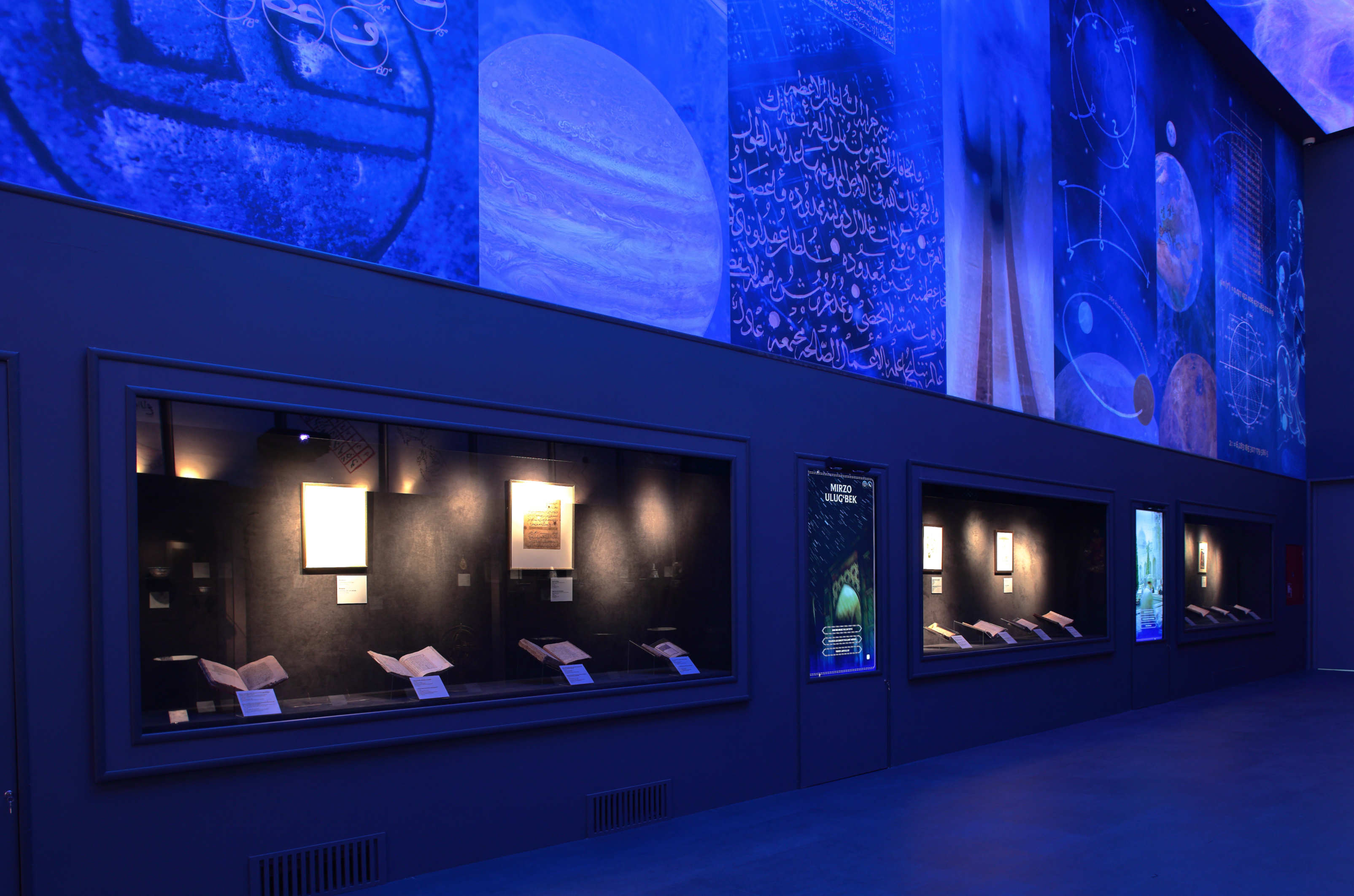 However, Ulugbek’s significance lies not only in the observatory building itself or in the results of astronomical observations. Encyclopaedia Iranica shows that the movement of scholars between different intellectual centers contributed to the further dissemination of knowledge. Among the scholars associated with the Samarkand Observatory was Ali Qushchi, who, after Mirzo Ulugbek’s death, continued his scholarly activities in other intellectual centers, including Tabriz and Istanbul. This provides a clear example of how scientific knowledge circulated beyond Samarkand. In this sense, Ulugbek’s observatory can be viewed, in modern terms, as a historical model of scientific infrastructure and a scholarly school.
 It should be noted that, under such an approach, the issue is no longer limited to how great the discoveries of the past were. Rather, it leads to questions such as: Who created the conditions in which scholars could work? How was science funded? Where were specialists trained? How were research results disseminated? And what happened to a scholarly school when political support changed? These questions are highly relevant to contemporary realities as well. This is precisely the deeper meaning underlying President Shavkat Mirziyoyev’s initiative to establish the Islamic Civilization Center. In other words, the official concept of the Islamic Civilization Center in Uzbekistan goes beyond the principles of a traditional museum and assumes the role of a space for scholarly research. From this perspective, the Center is significant not only as an institution that preserves history, but also as a research center that connects the past, the present, and the future. This makes its institutional mission particularly important.
A traditional museum primarily answers the question, “What happened?” A research center asks, “How did it happen?” An educational center asks, “What can this teach us?” A strategic institution, in turn, asks, “How can the knowledge gained change the future?”
The Islamic Civilization Center seeks to bring these four questions together. It functions as an integrated system that combines several roles. A museum, library, manuscript repository, research center, educational space, digital platform, and international forum are brought together within a single institution. It would therefore not be an exaggeration to say that such multifunctionality corresponds closely to the modern model of the knowledge economy.
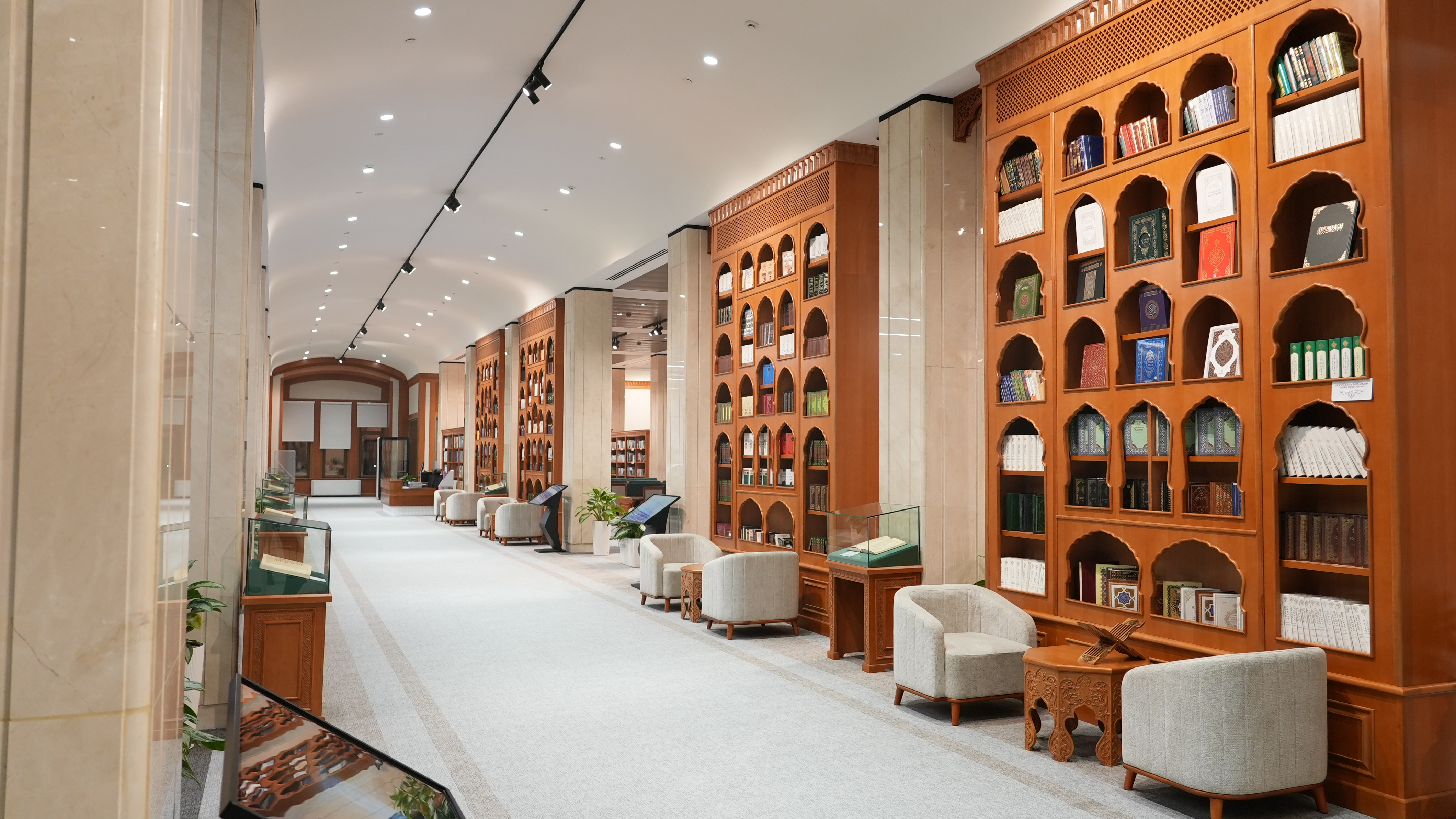 In particular, the Center houses a library covering more than 3,100 square meters and designed to accommodate nearly 300 students and researchers. Its holdings include rare publications, special collections, and an extensive digital repository.
Rather than presenting visitors with a simple collection of exhibits, the Center offers a particular logic of historical development — civilization, knowledge, cultural flourishing, modernity, and the future.
Conclusion
In the twenty-first century, national heritage can no longer be understood merely as a collection of monuments, manuscripts, and the names of great ancestors. Its true value is determined by the kind of impact and action it generates today.
If it inspires only a sense of pride, it remains memory. If it becomes an object of scholarly research, it becomes knowledge. If it is integrated into education, it becomes human capital. And if that human capital produces new knowledge, heritage becomes a resource for development.
For this reason, Uzbekistan’s contemporary engagement with its scientific heritage should not be viewed merely as another campaign aimed at popularizing history, but as part of a broader process designed to establish a meaningful connection between civilizational memory and modern knowledge policy.
The Islamic Civilization Center demonstrates this transformation particularly clearly. Its official mission is to connect historical heritage with research, education, digital technologies, and international scholarly dialogue. The Center is envisioned as a bridge linking the past with the New Uzbekistan.
However, the ultimate outcome of this policy will not depend on the scale of the buildings or the number of exhibits. It will depend on the formation of a new culture of knowledge — one in which the historian-researcher and the engineer of the future, the manuscript specialist and the artificial intelligence developer, the historian and the biotechnologist all become participants in a single national project.
In this sense, the concept of the Third Renaissance acquires a clear and concrete meaning. It cannot be built simply by recalling the First and Second Renaissances. Nor is it possible to “reproduce” Biruni, Ulugbek, or Ibn Sina. What can be built, however, is a society in which research, education, intellectual freedom, interdisciplinary approaches, and the ability to transform knowledge into a resource for the public good are highly valued.
The central question facing national heritage policy, therefore, is no longer simply, “What did our ancestors leave us?” It becomes a far more demanding and responsible question.
That question is: “What will we do with the legacy they left us — and what kind of intellectual legacy will we, in turn, leave to the generations that come after us?” It is precisely at this point that the study of the past becomes a strategy for the future.
Abulfayz Sayidasqarov
P.S. The article may be republished with a link to the Center’s official website