Russian library specialists explored museum–library integration in Uzbekistan
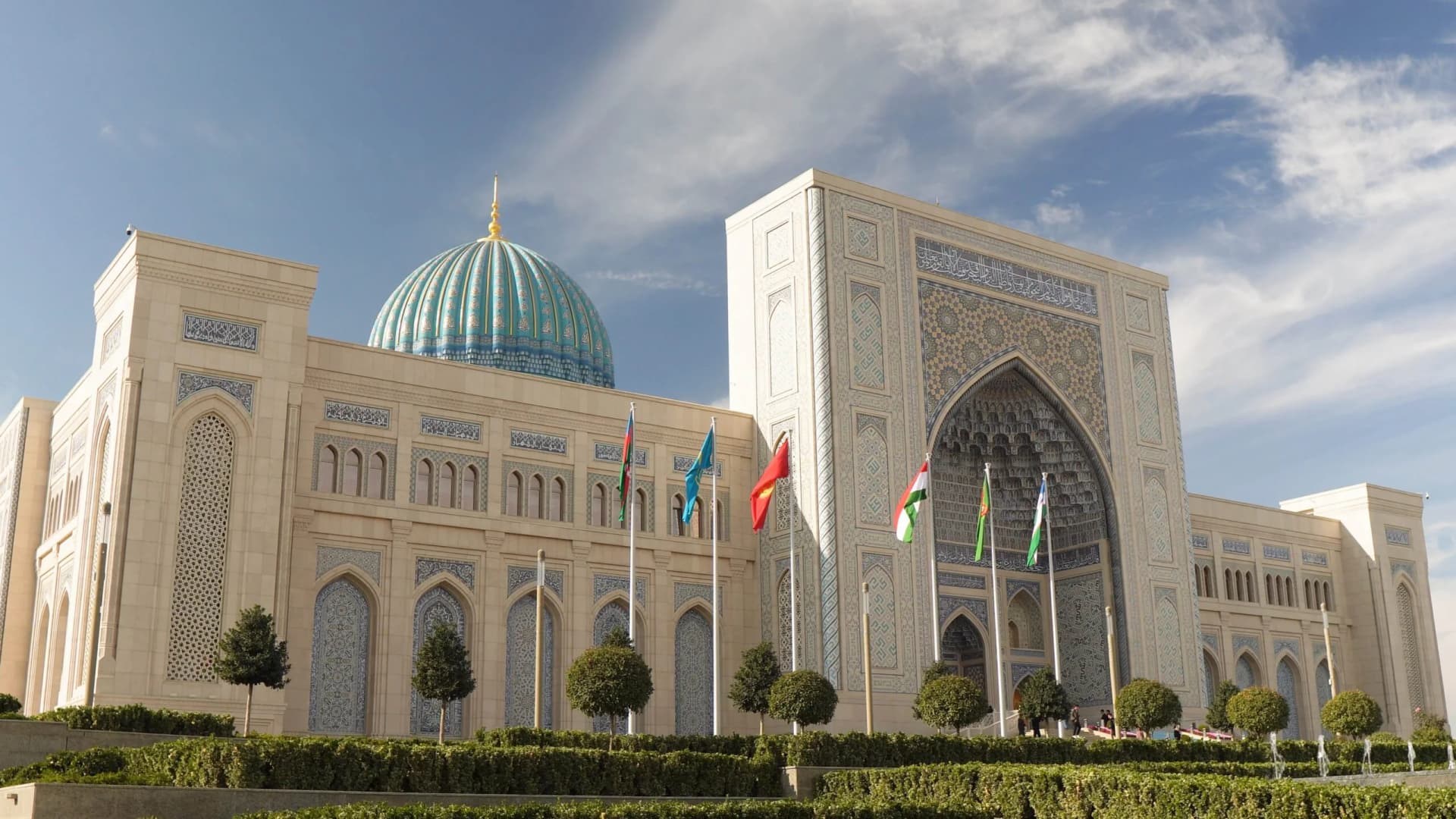
Preserving historical heritage, studying it scientifically and conveying it to future generations in an accessible way is a vital mission shared by museums and libraries worldwide. The visit of Russian library specialists to the Islamic Civilization Center in Uzbekistan was devoted to practical approaches to fulfilling this mission, to modern library services, and to international scientific and educational cooperation.
A delegation of heads and specialists of Russian libraries, who came to Uzbekistan as part of the professional development program “The Library in the life of modern people: the experience of Russia and Uzbekistan” held in Uzbekistan on October 3–11, visited the Islamic Civilization Center in Uzbekistan.
The delegation, which brought together representatives of Saint Petersburg, Moscow, Yekaterinburg, Tyumen, Orenburg and Tomsk, was led by Svetlana Gorokhova, member of the Russian Library Association Governing Board and Chair of RLA Section on International Cooperation. The program aims to expand direct ties between libraries, exchange experience in scientific, publishing and educational projects, and enhance the professional skills of specialists.
Presenting history and experiencing it
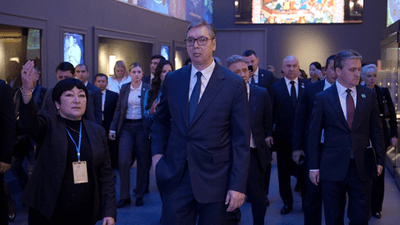
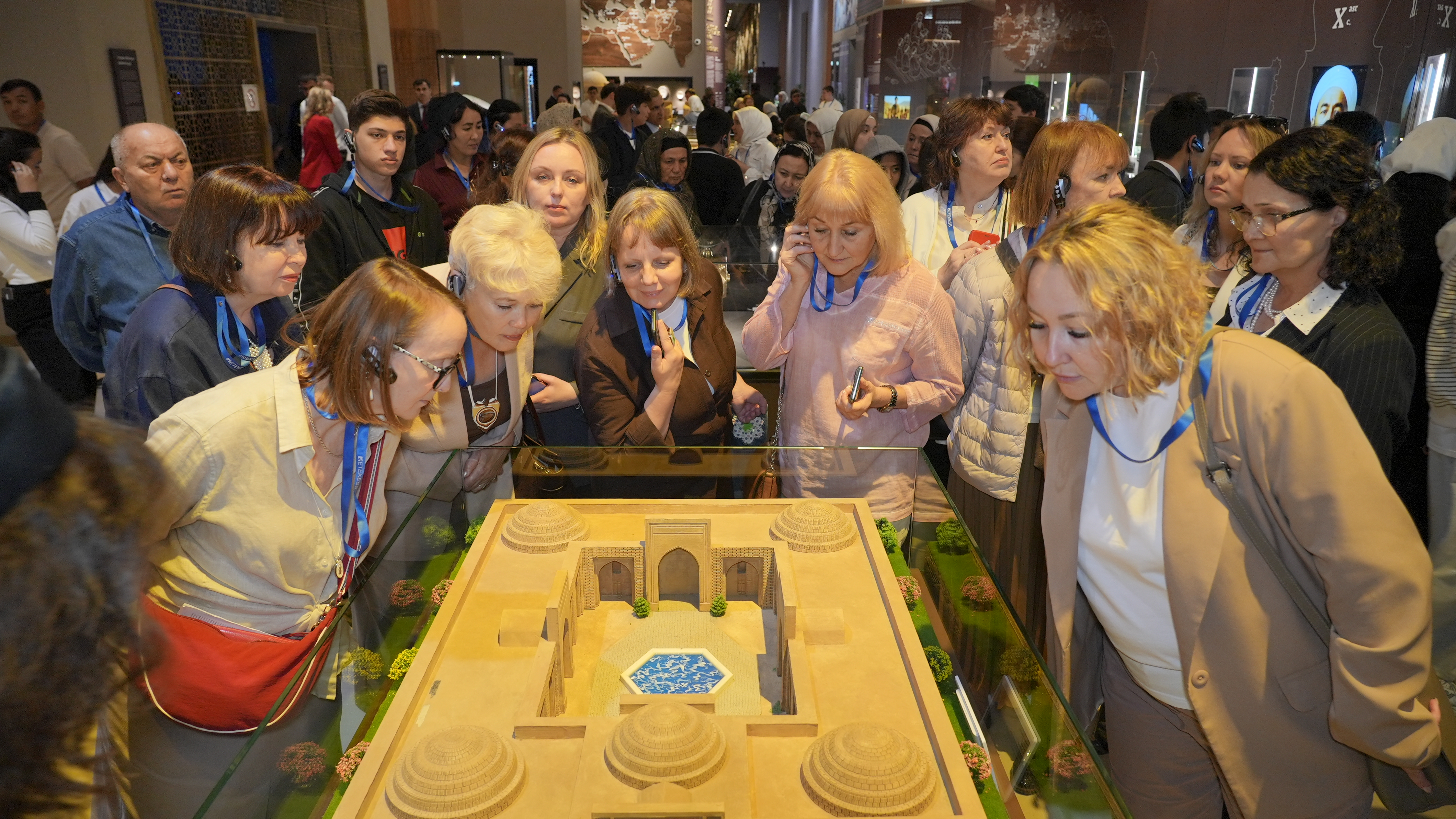
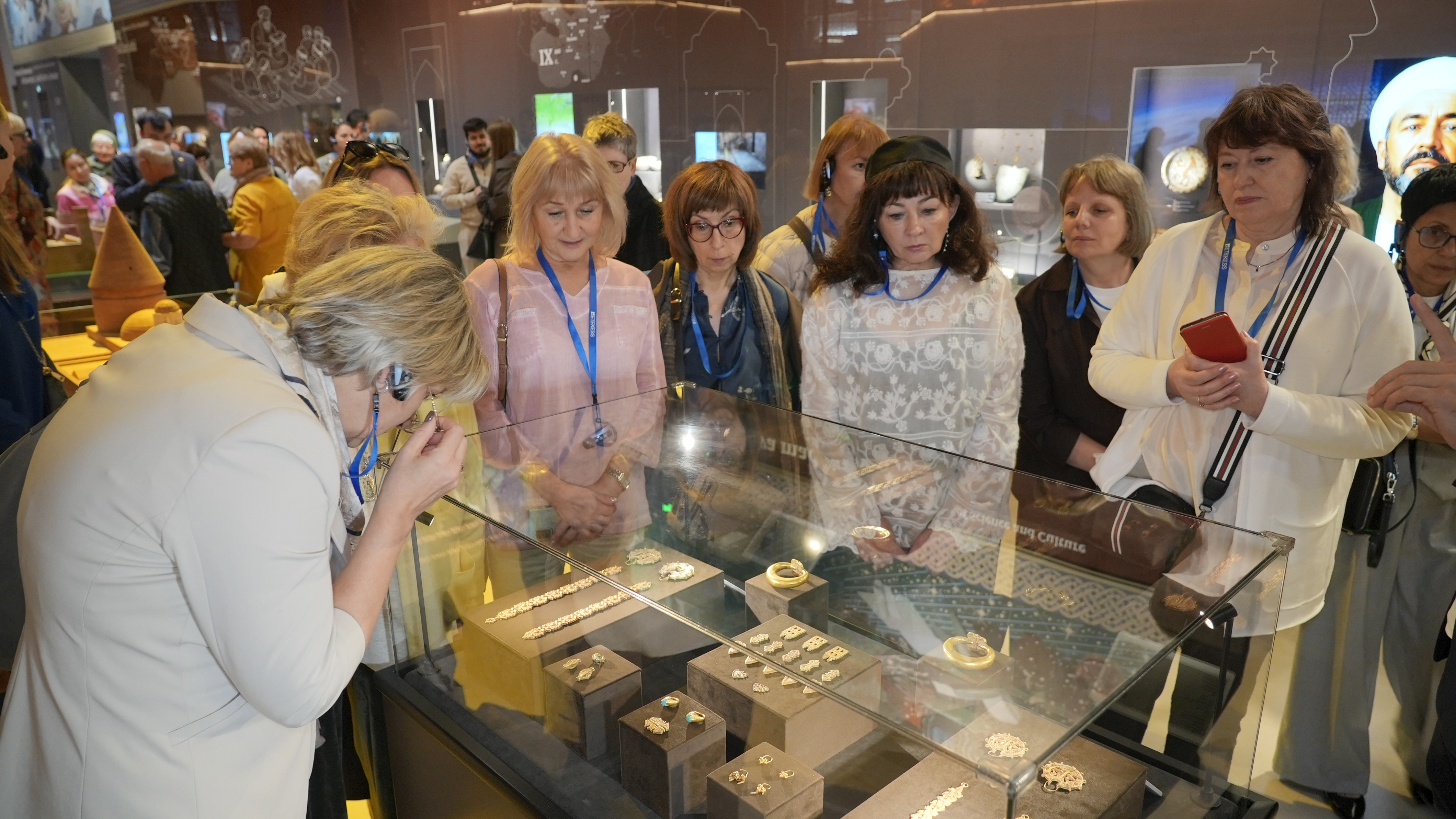
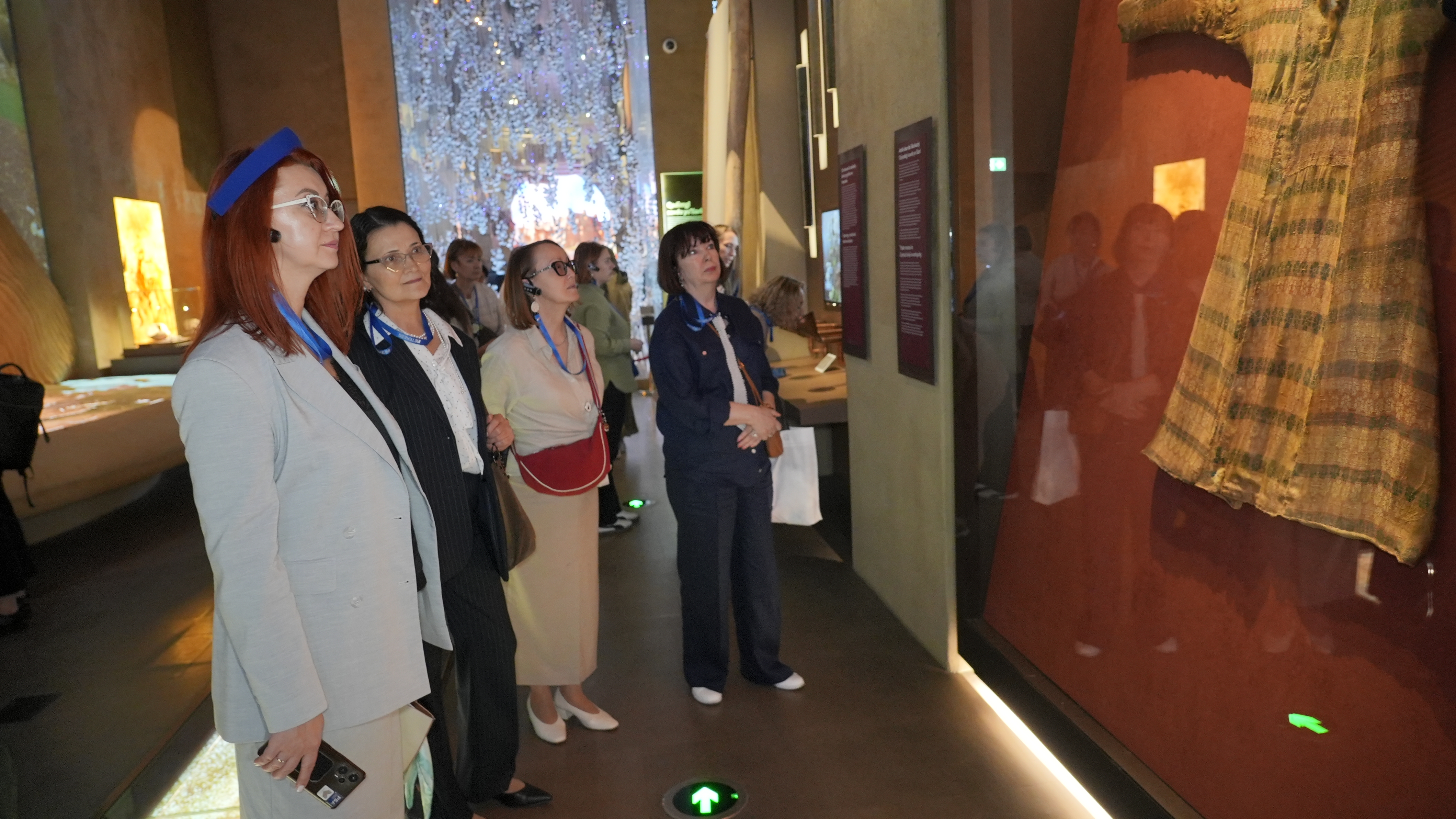
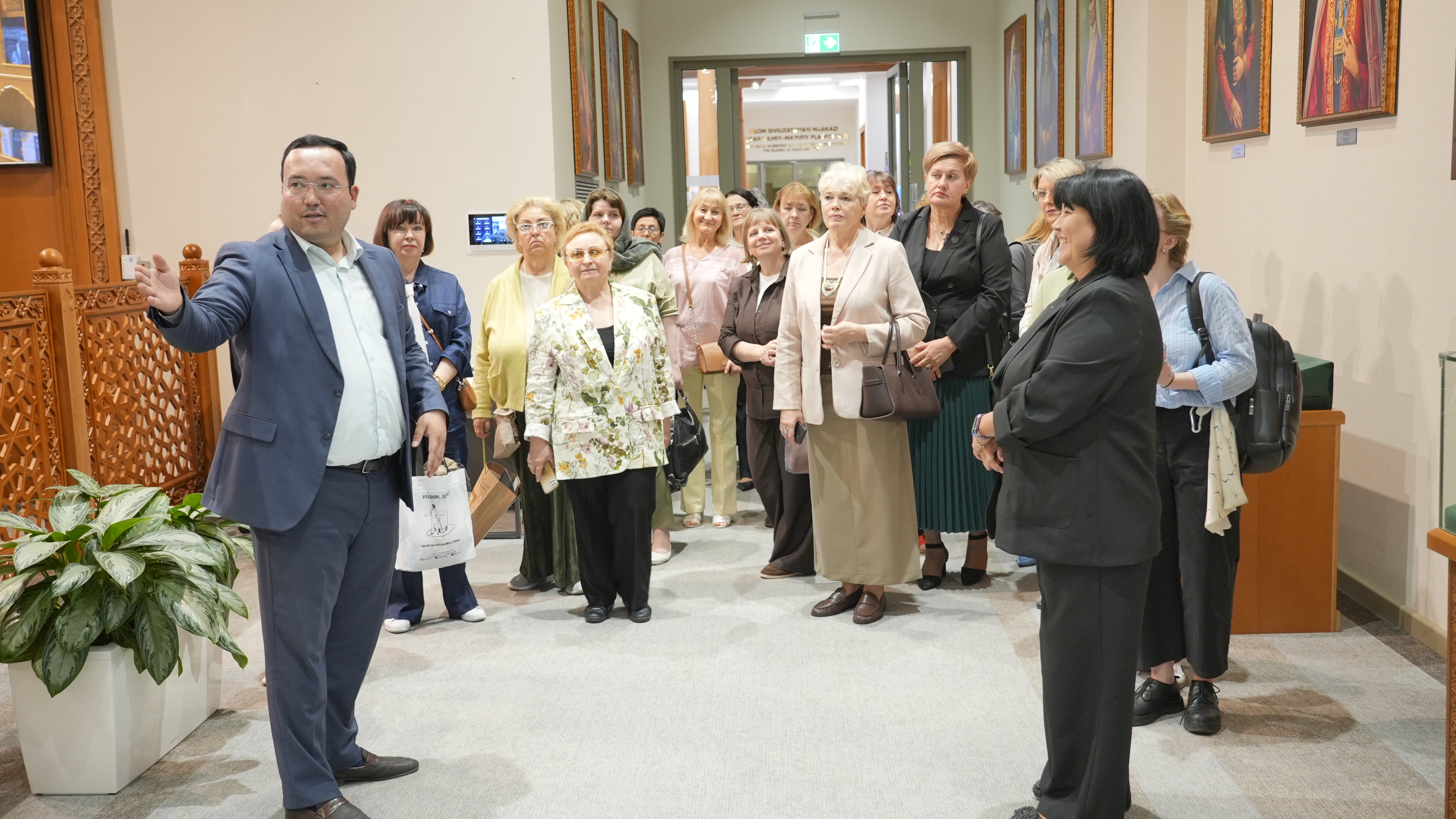
The visit began with a tour of the Center’s museum exhibitions, established under the initiative of President Shavkat Mirziyoyev. The delegation showed keen interest in the sections dedicated to pre-Islamic civilizations, the First and Second Renaissances, and New Uzbekistan, as well as the rare manuscripts and artifacts showcased in the Holy Quran Hall.
Throughout the tour, the guests paid particular attention to the modern technologies used to display historical artifacts and manuscripts, as well as the interactive solutions designed for self-guided exploration. They noted that this approach goes beyond merely viewing history, allowing visitors to comprehend it and engage more closely with cultural heritage.
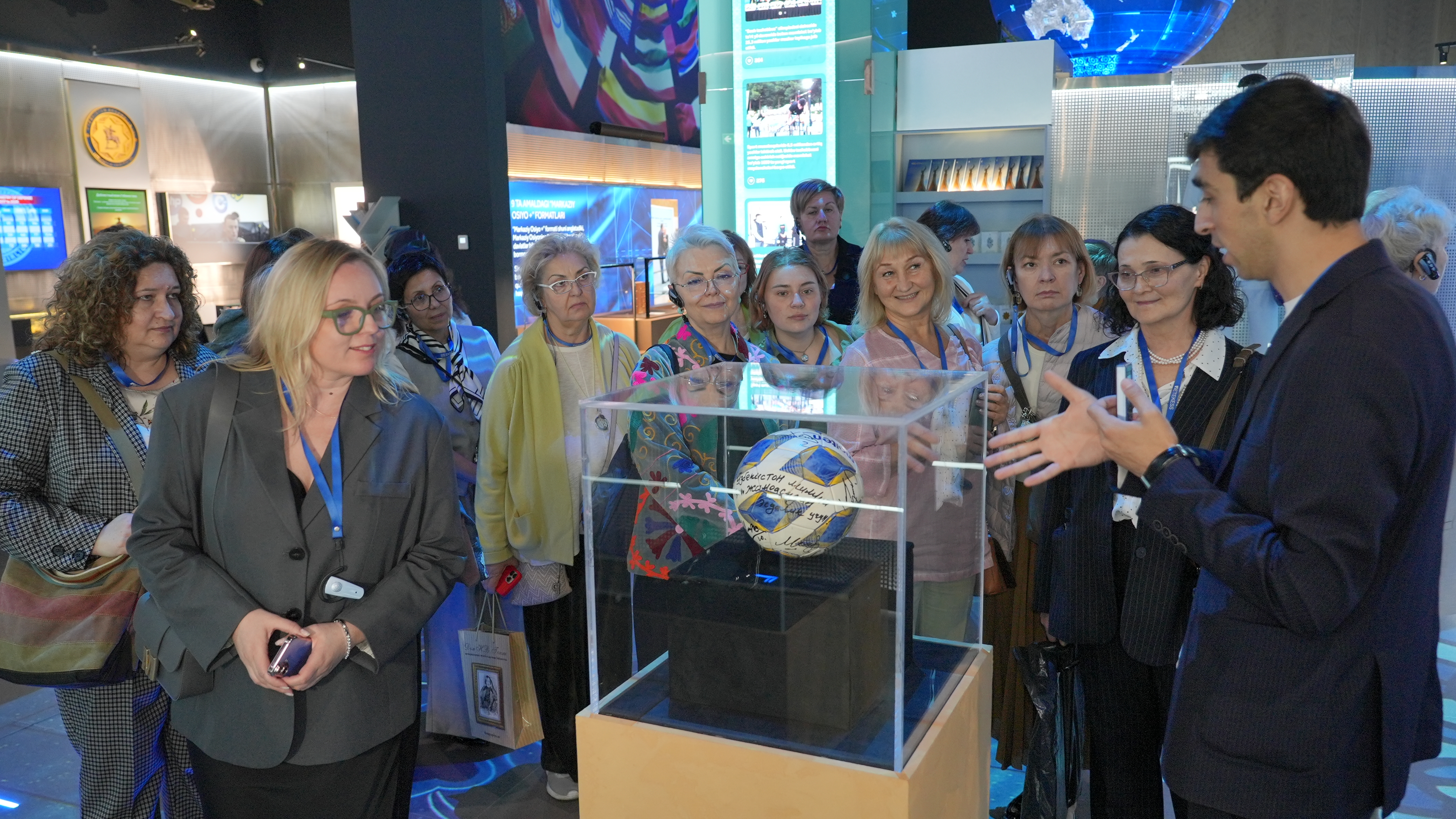
Irina Mikhnova, Vice-President of the Russian Library Association and Chair of the RLA’s Section for Young Adult Libraries:
“At the Center, historical heritage is presented on a profound scientific basis, and this is evident in both the texts and the historical artifacts. The way historical information is presented suits the perception and interests of young people. Here, a solid historical foundation is combined with impressive visual solutions. While I was in Moscow, I wondered what kind of cooperation might be possible between a youth library and the library of a center like this. After seeing the museum and the library, I came to the conclusion that it would be wonderful if our young people could come here. This is the most important thing that can unite us: this heritage should be seen by young people in Russia and around the world.”
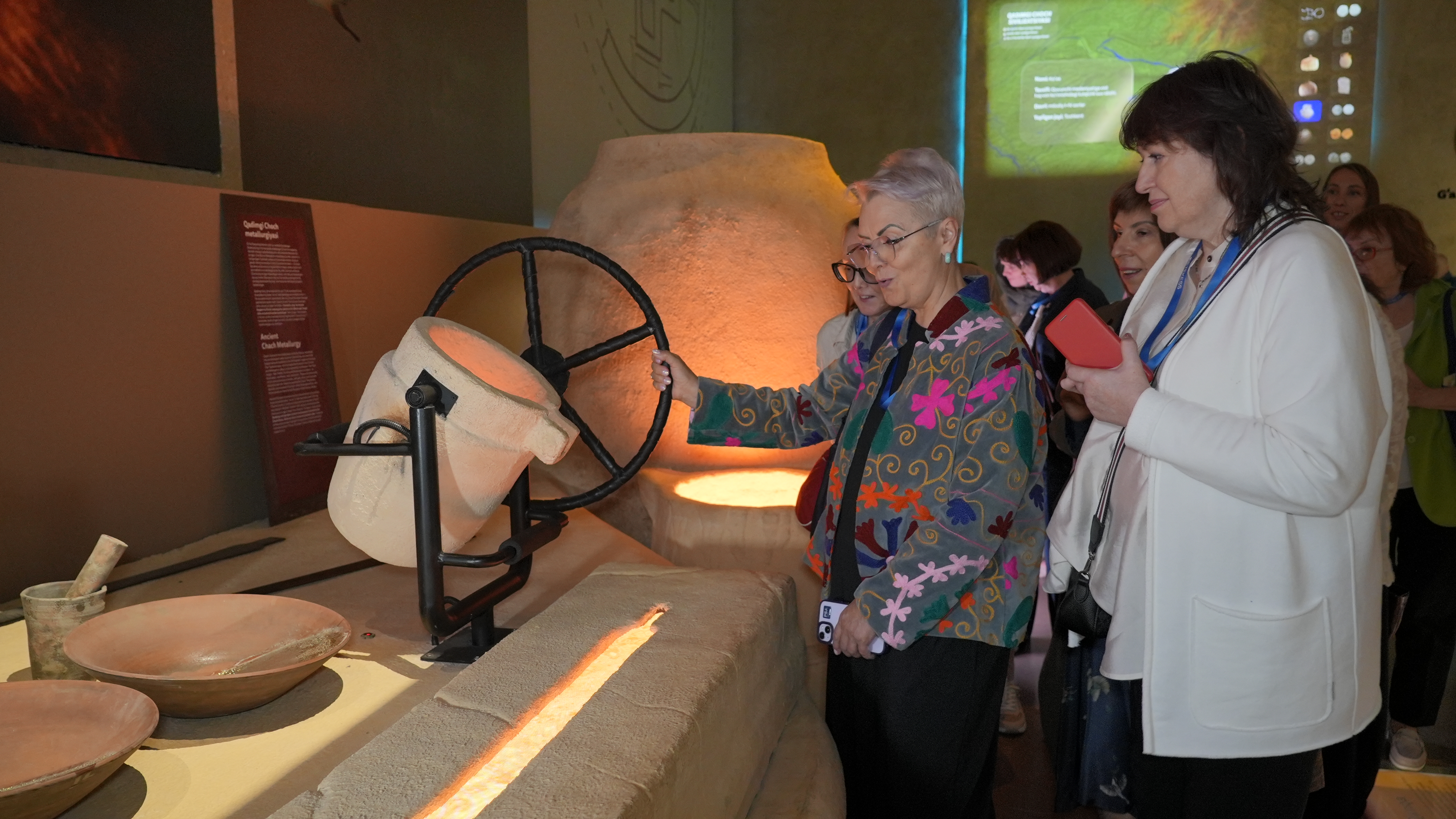 Head of the delegation Svetlana Gorokhova emphasized that the Center combines reverence for history with the skill of presenting it to the world in a worthy manner:
“The reverence with which you treat your history and your ability to present it to the whole world deserve great respect. We very much appreciated that you preserve ancient heritage and use new interactive approaches to bring it closer to people. The main mission of cultural institutions is to pass on the legacy of our ancestors to new generations through dialogue. When people actively engage with history and take part in exploring it, they begin to feel that this heritage is close to them. It is especially gratifying that the country’s President attaches great importance to this work. Many thanks for that.”
Raisa Pankova, Director of the Centralized Library System of the Vyborg District in Saint Petersburg, said that the visit to the Center exceeded all her expectations:
“I had been eagerly awaiting the opening of this unique place. What I saw surpassed all my expectations. An enormous amount of work has been done here. Love for the Homeland and for history can be felt in every hall. I was amazed by such a delicate harmony between historical values and the modern technologies used to preserve them. I believe that children’s first acquaintance with a museum should begin precisely at a place like this: it teaches them to love their country, to know its unique history and to take pride in their people.”
The library: an environment for studying heritage and creating new knowledge
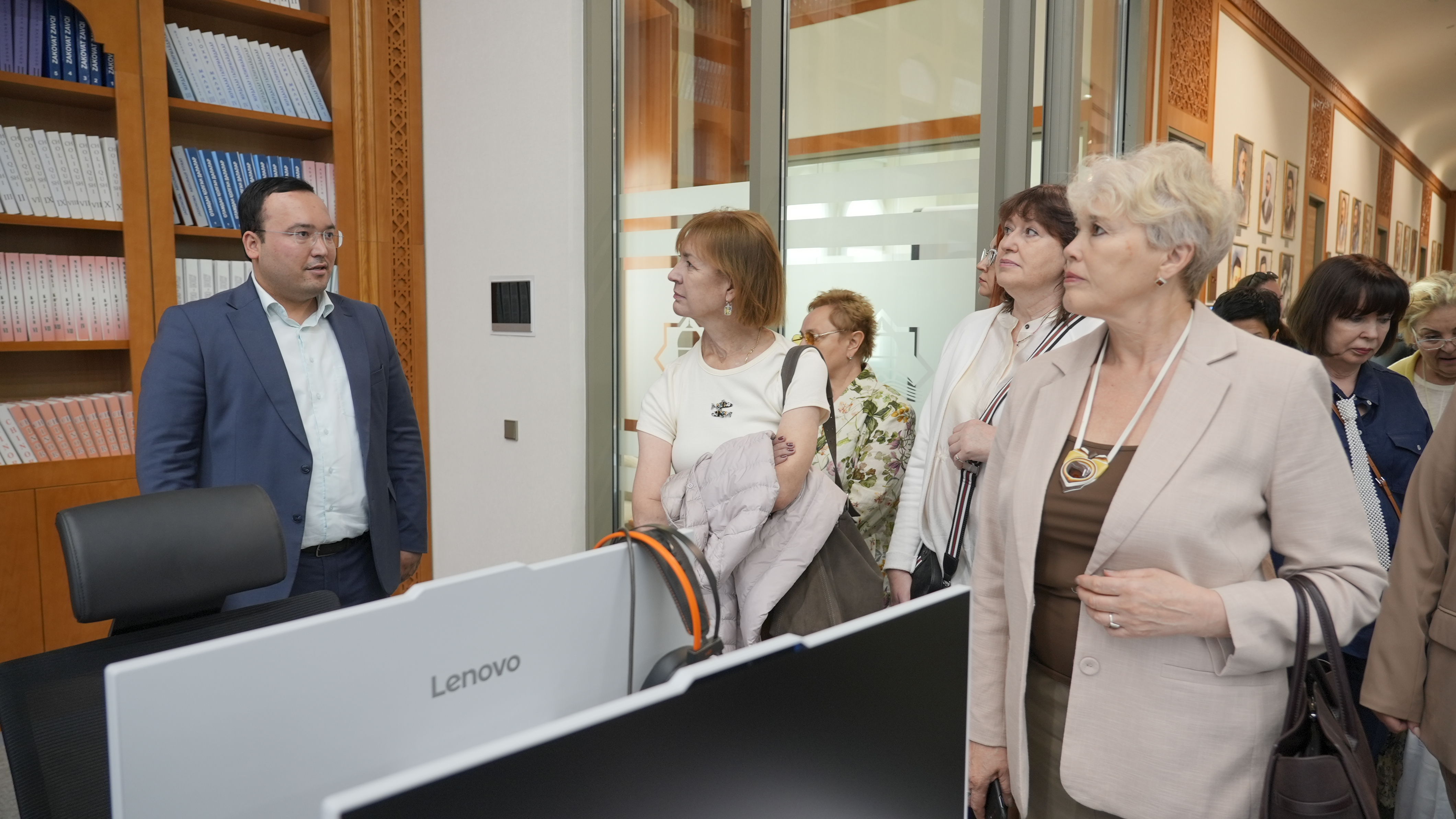
During the visit, the delegation members became acquainted with the Center’s library, its book collection, the spaces dedicated to reading and research, its electronic resources, and the technical equipment used to serve readers.
Olga Titova, Director of the Sverdlovsk Regional Universal Scientific Library named after V.G. Belinsky, drew attention to the vibrant atmosphere of the library, particularly the engagement of young people in reading and independent work:
“First of all, we were greatly impressed by the scale of the library and its readers. We saw that most of them were young people eager for knowledge: some were taking notes, some were reading books, and others were working on their personal computers. Computerized workstations and separate quiet areas help young people realize their potential and acquire knowledge more deeply. I was delighted that the library’s collection includes Russian-language literature, including a restored book by Mikhail Lermontov.”
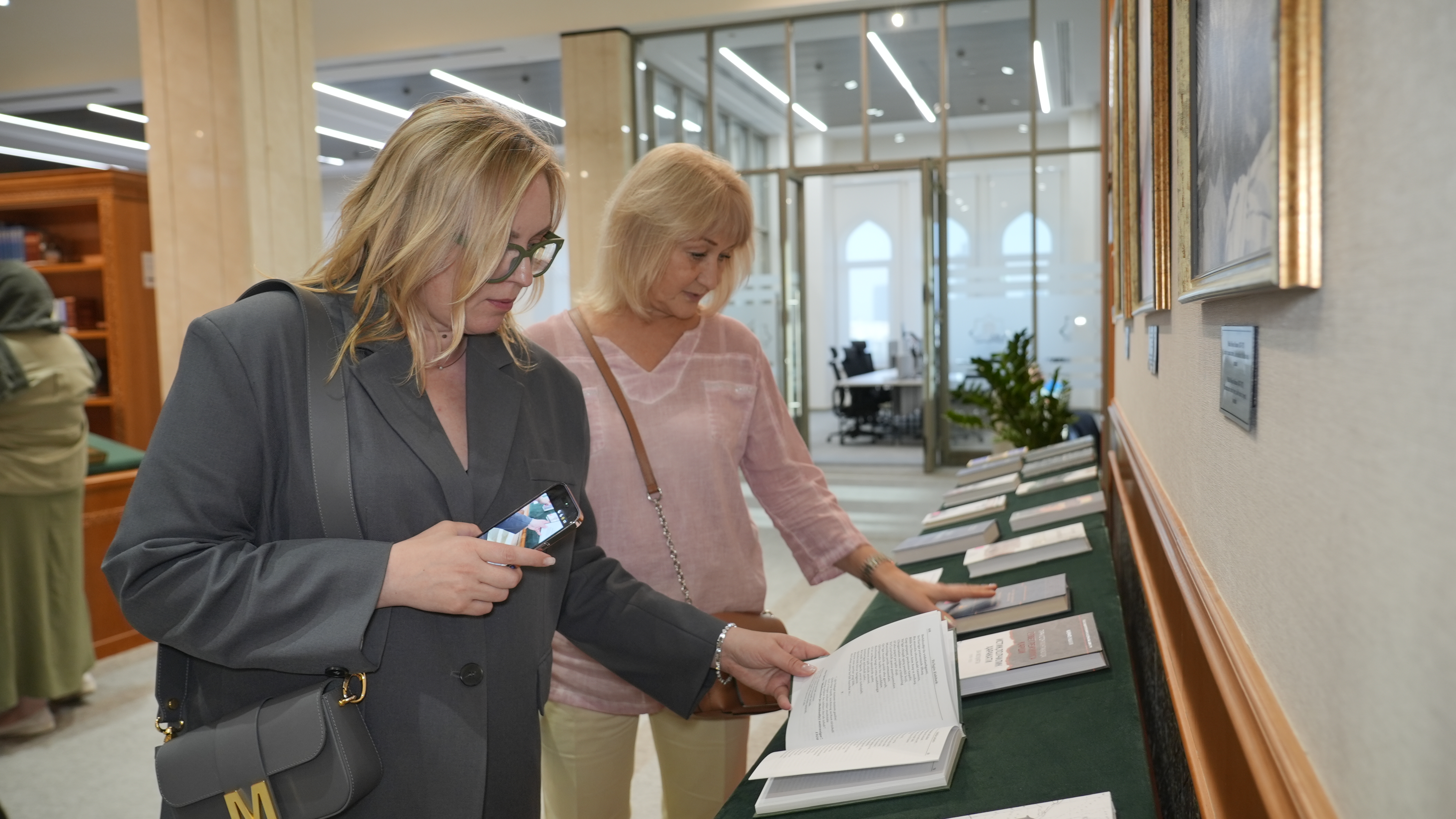
Olga Titova noted that the library’s tranquil atmosphere and modern technical capabilities complement each other. Sharing her impressions of the museum exhibitions, she also emphasized that the opportunity to see paper and textile samples firsthand helps visitors gain a deeper appreciation of historical culture.
A meeting focused on science and international dialogue
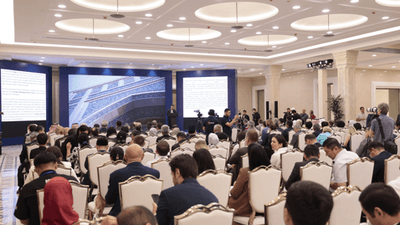
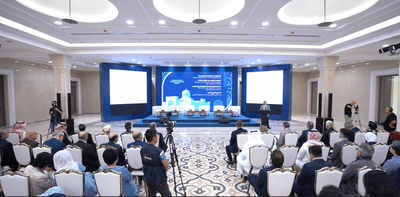
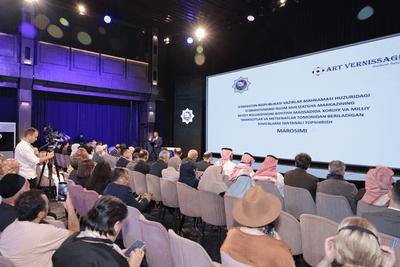
The visit also included a discussion on the topic “The Library in the museum and the museum in the library: development trends.” Speaking at the meeting, Firdavs Abdukhalikov, Director of the Islamic Civilization Center in Uzbekistan, described the conditions created for scientific research at the Center, established on the initiative of President Shavkat Mirziyoyev, and stressed that the Head of State pays special attention to the development of science and education and to raising a knowledgeable and spiritually mature younger generation.
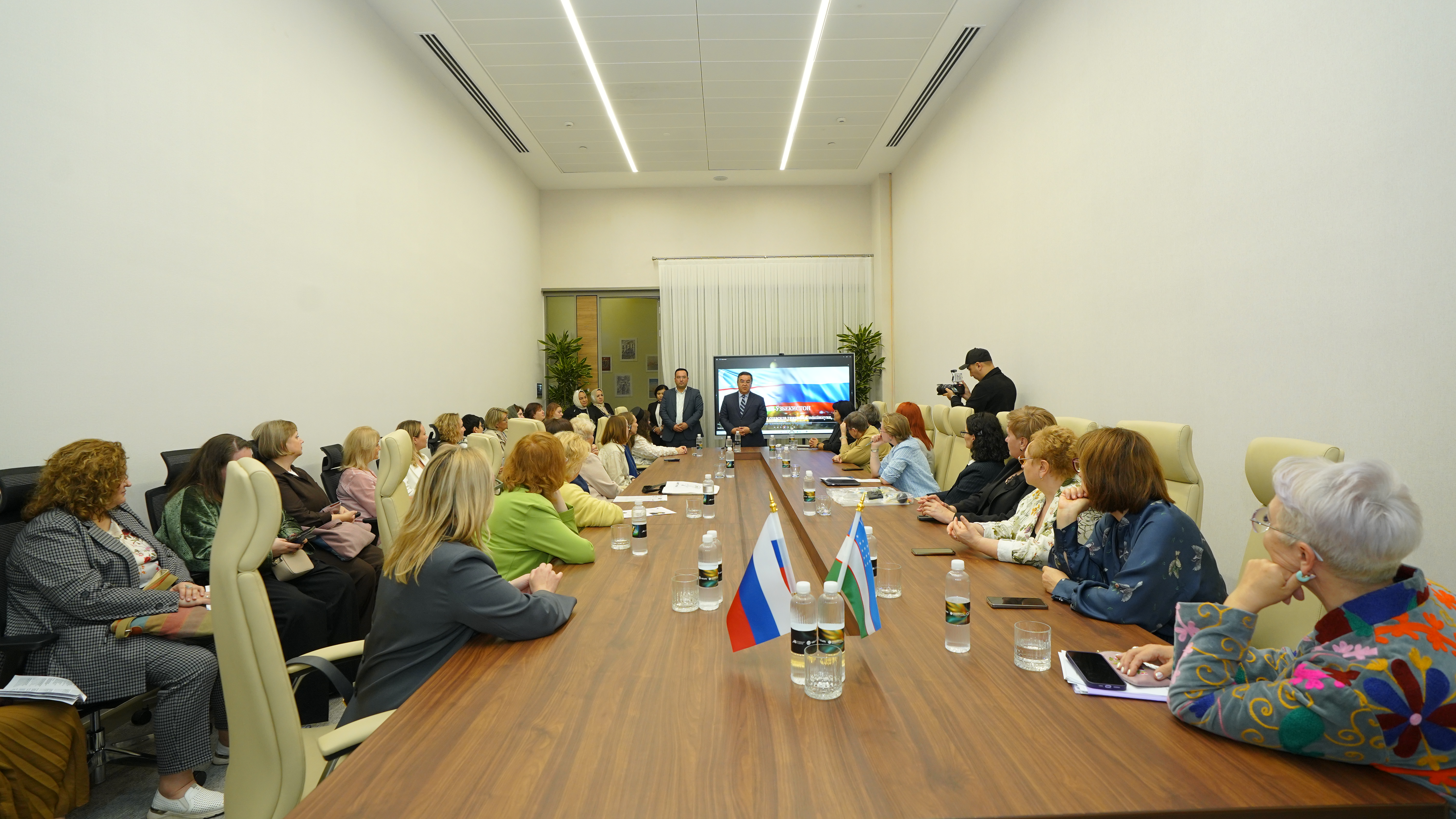
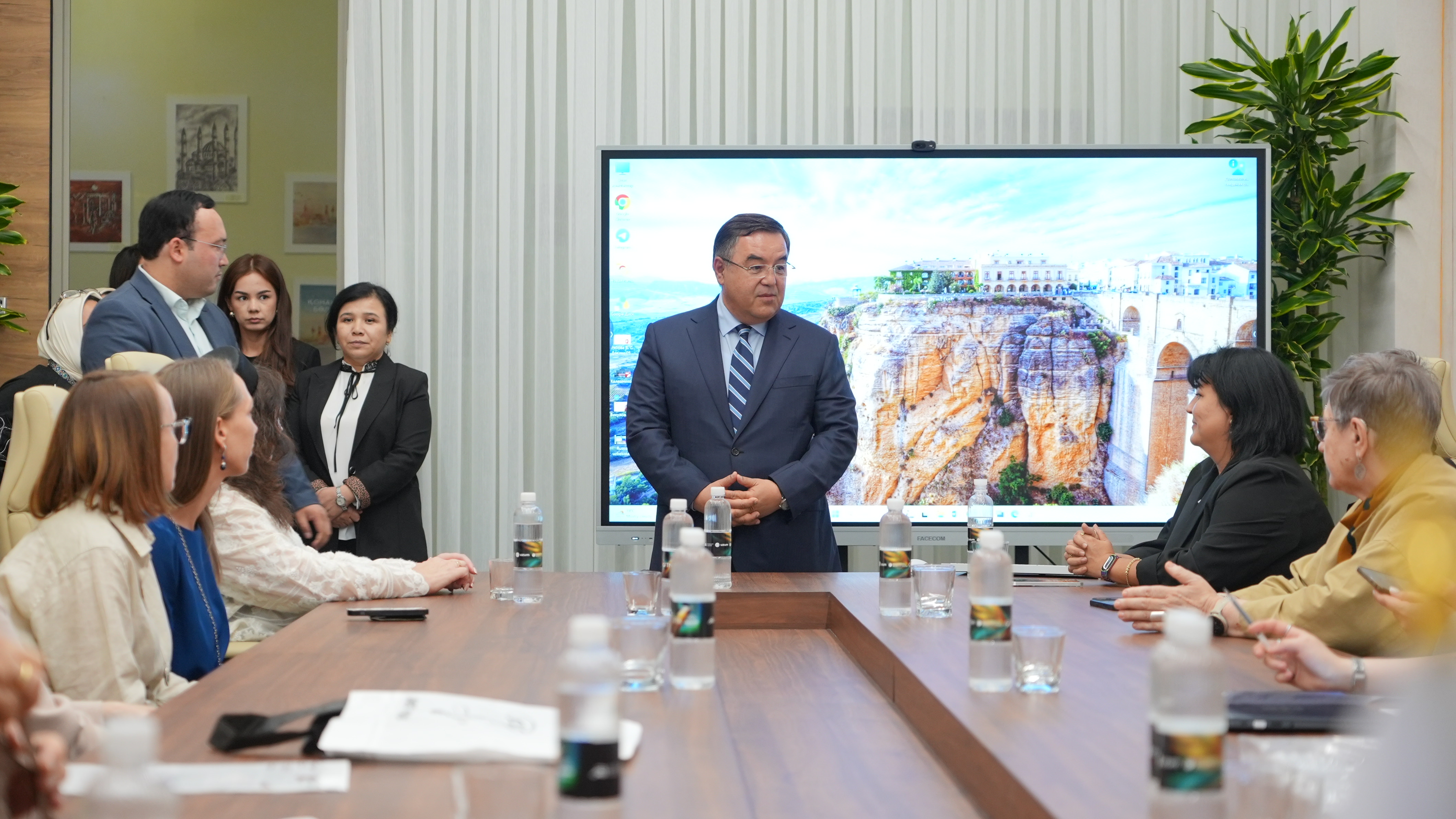
As the Head of State has noted, everyone who visits this place comes to understand the humanistic essence of Islam. In this regard, the Director of the Center noted that the scientific study of cultural heritage, highlighting the contribution of great scholars to world science, and introducing the world to the peaceful and humane essence of Islam are among the Center’s key tasks. It was emphasized that this work also helps prevent Islamophobia.
It was further emphasized that cooperation between libraries and museums is of great importance for popularizing reliable knowledge and fostering a better understanding of the history and culture of different peoples. The meeting also highlighted the importance of such visits for exchanging experience and developing future cooperation.
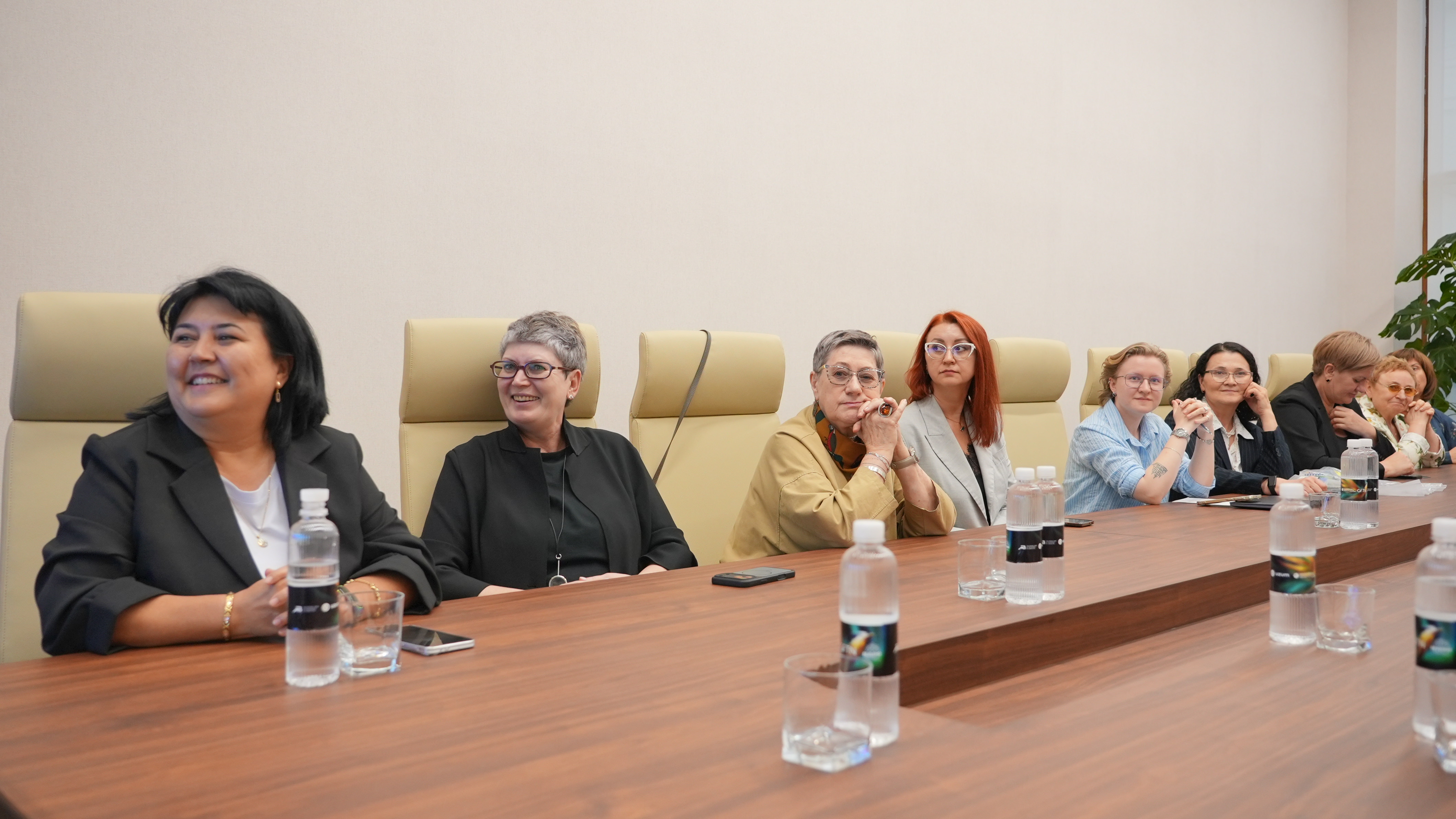
The Russian librarians showed particular interest in the Center’s virtual library.
During the meeting, the Center’s information technology specialists presented the virtual library to the guests.
The digital library is a modern extension of the Center’s scientific and educational activities: it brings library services closer to readers, even remotely. Electronic books, digitized rare editions and an extensive database of electronic resources help preserve rare sources while making them more accessible. The Russian librarians expressed great interest in this experience.
Museum and library in harmony: three experiences, common goals
Vera Vikulova, Director of the N. V. Gogol House Museum in Moscow, presented her institution’s experience in integrating library and museum activities. Her presentation addressed the joint use of museum collections and library holdings in scientific research, exhibitions and educational programs. The interconnection between preserving, studying and popularizing heritage emerged as an approach that is also relevant to the Center’s work.
Tatyana Kalashnikova, Director of the A. S. Pushkin Library in Moscow, gave a presentation titled “A Modern Library in a Historic Building.” She shared her experience in developing services that meet the needs of today’s readers while preserving the historical setting and library traditions. The presentation focused on linking rare editions and literary heritage with cultural and educational activities.
Varvara Ryabova, a specialist at the V. V. Mayakovsky Library in Saint Petersburg, presented the key findings of a study on the museum activities of libraries. She addressed the organization of traditional and virtual exhibitions, the accessibility of digital materials, and ensuring the scientific reliability of information. These approaches proved relevant to presenting museum and library resources in the digital environment in a meaningful and accessible manner.
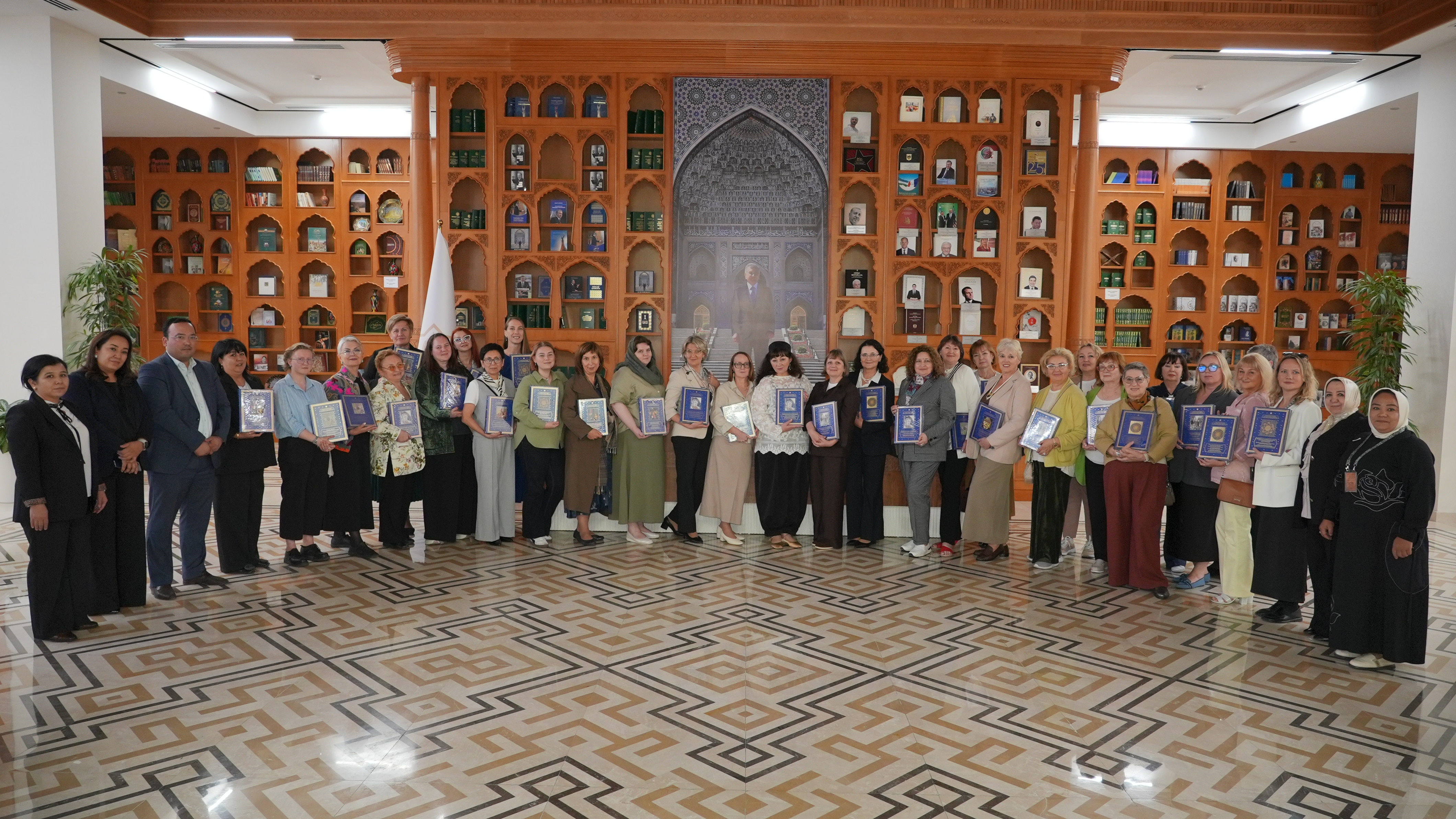
At the end of the meeting, each guest was presented with book albums from the series “Cultural heritage of Uzbekistan in world collections,” prepared by the World Society for the Study, Preservation and Popularization of the Cultural Legacy of Uzbekistan (WOSCU). These publications showcase cultural heritage items held in various countries through scholarly information and images.