
Is the Third Renaissance merely a political slogan?
It is not enough to measure any Renaissance solely by new schools, universities, laboratories, technologies, or economic indicators. So what spiritual foundation should the Third Renaissance rest upon?
In seeking an answer to this question, it is necessary to turn to history. However, the point is not to look for ready-made formulas in the past, but to understand the inner mechanisms of earlier civilizational ascents. After all, the greatness of al-Khwarizmi, Abu Rayhan Biruni, Abu Ali ibn Sina, Mirzo Ulugbek, Alisher Navoi, or the Jadids is determined not merely by the number of works they left behind, but by the cultural environment they helped shape: one that values knowledge, is unafraid of asking questions, and regards human perfection as its goal.
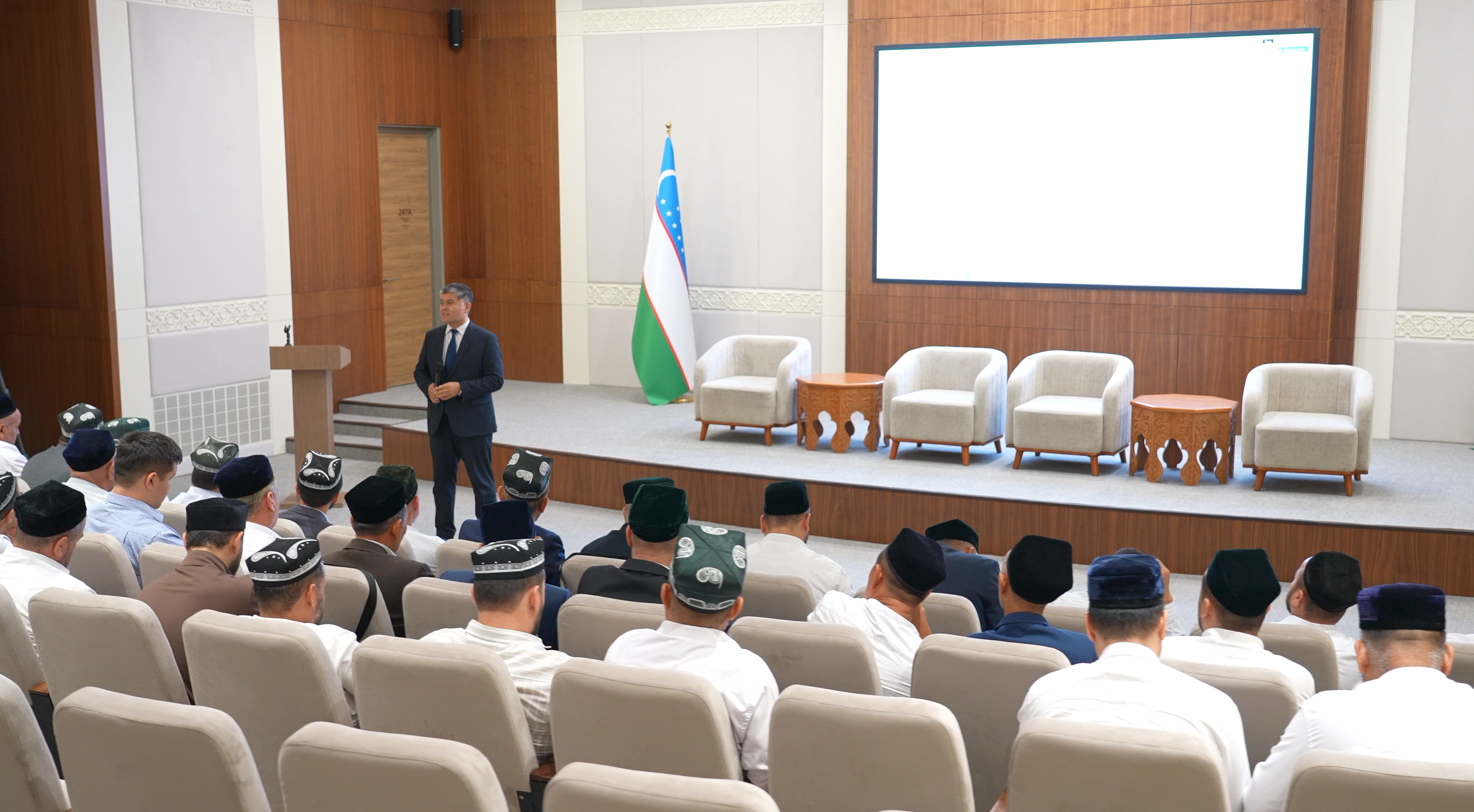
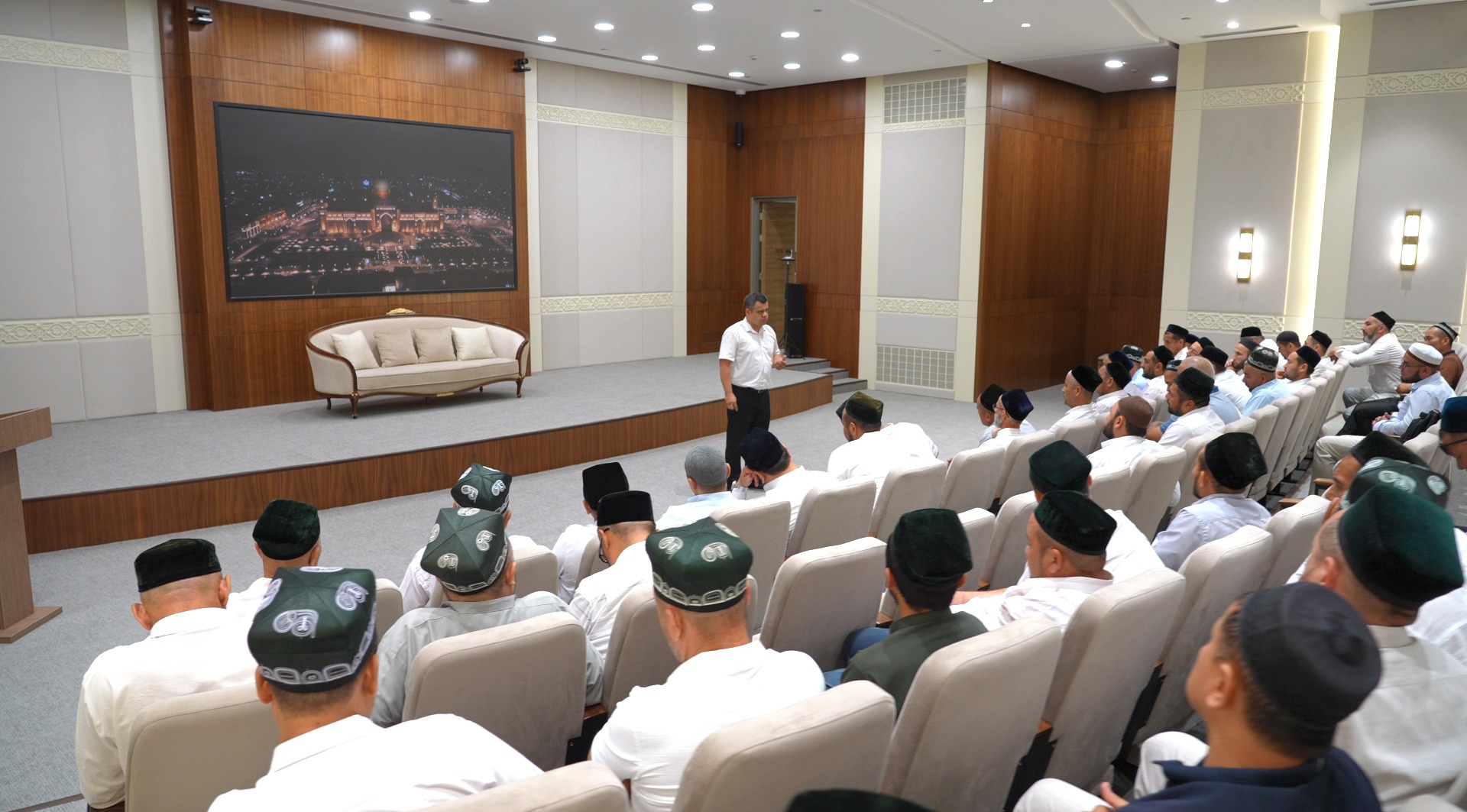
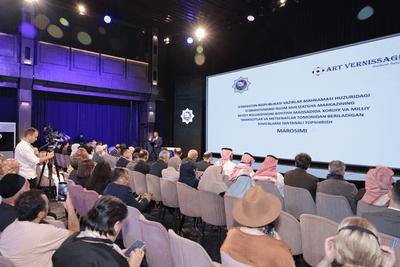
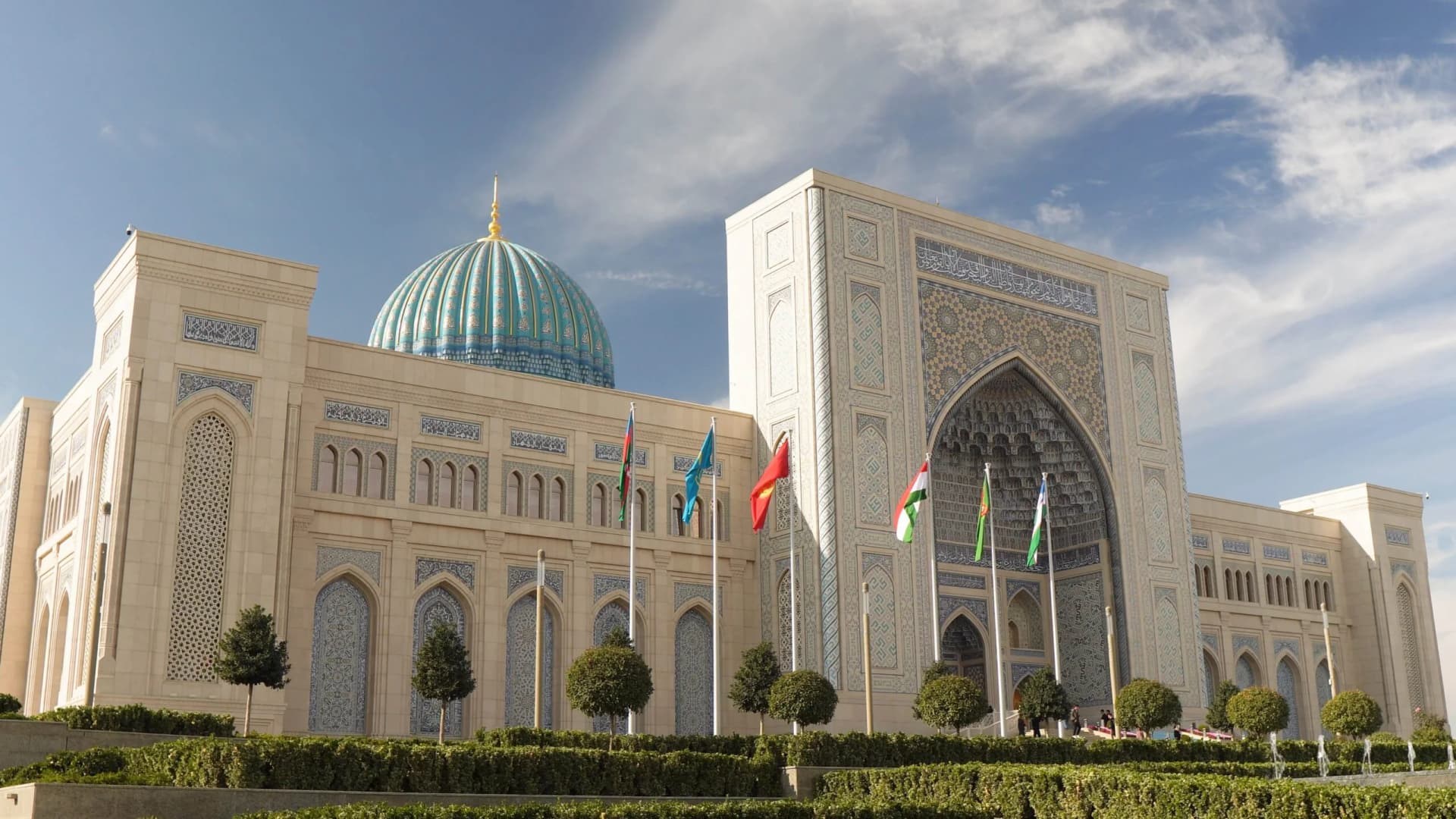
The scholarly and conceptual objectives of the Islamic Civilization Center in Uzbekistan are likewise aimed at demonstrating this historical continuity: the exhibitions present pre-Islamic civilizations, the First and Second Renaissance periods, the twentieth century, and the stage of “New Uzbekistan – New Renaissance” as a single, unified historical process. Therefore, understanding the spiritual foundations of the Third Renaissance means, above all, rediscovering the values that gave rise to the ascents within our own civilization.

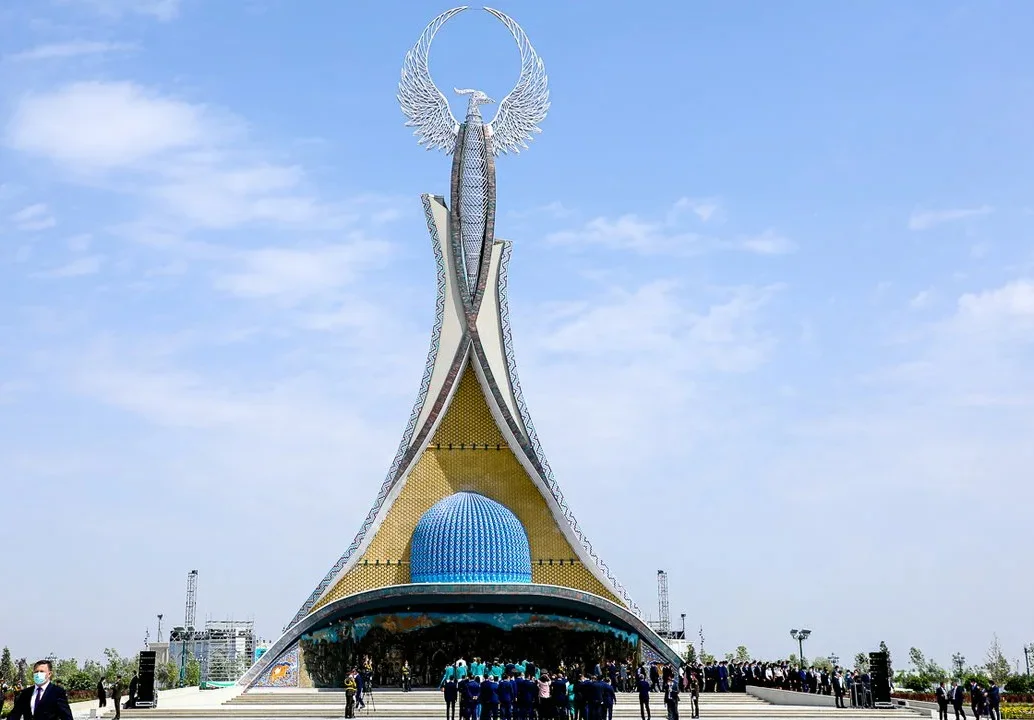
Today in Uzbekistan, the concept of the “Third Renaissance” is taking shape not as a mere political slogan or an expression of historical memory, but as a concept denoting the country’s long-term strategy of civilizational development. Its content encompasses interrelated directions such as science, education, innovation, culture, national identity, human dignity, and spiritual development. In scholarly literature, too, science, enlightenment, and historical continuity are emphasized as the foundation of the Third Renaissance.
Renaissance Is Not a Return to the Past
The term “Renaissance” is often interpreted as “rebirth.” Yet in the history of civilizations, a genuine awakening has never been an exact repetition of the past.
During the First Renaissance, the cities of Central Asia became important centers of science and culture. Al-Khwarizmi opened a new chapter in the history of mathematics, Biruni left a vast scholarly legacy grounded in the observation of nature and society, and Ibn Sina embodied the ideal of universal knowledge in medicine and philosophy. They did not content themselves with repeating the knowledge that came before them; they tested it, developed it, and created new knowledge.
Thus, the first condition of a Renaissance is not merely preserving heritage but engaging with it creatively. This point is extremely important today. If the legacy of our ancestors is treated only as a museum exhibit, an anniversary date, or a monument, it cannot become a spiritual force. The true value of historical heritage is determined by its ability to inspire today’s generation to ask new questions. For this reason, the first spiritual foundation of the Third Renaissance is not historical memory itself, but a creative attitude toward historical memory.
Human Dignity: The Central Spiritual Point
One of the most important concepts in the debate on the Third Renaissance is, it may be said, human dignity. After all, the true level of any civilization is determined not by its buildings or technologies, but by its attitude toward the human being. If science advances while human dignity declines, it is hard to call this a Renaissance. If there is economic growth but the sense of social responsibility and justice weakens, civilizational ascent is incomplete. From this standpoint, ideas in our history such as the “perfect human,” the “virtuous city,” the “just society,” and the “enlightened person” remain relevant today as well.
Although al-Farabi’s views on the virtuous society, Ibn Sina’s thoughts on the relationship between the human being and reason, and Navoi’s ideal of humanism and justice took shape in different historical circumstances, there is an important point that unites them: the perfection of the human being is the fundamental condition for the perfection of society. For society is made up of human beings. In this sense, the aim of the Third Renaissance should be to shape not a person equipped with new technology, but a person capable of using new technology responsibly.
The reforms launched in Uzbekistan under the new administration likewise pay particular attention to this aspect: the educational and spiritual advancement of people. As the head of our country has said, “we have set as our main goal to lay the foundation of a new Awakening, that is, the Third Renaissance, in Uzbekistan through broad-scale democratic changes, including education reforms.”
Ethics and Science: Two Inseparable Wings
In the modern world, the possibilities of science are reaching unprecedented levels. Artificial intelligence, biotechnology, genetic engineering, and digital communications are changing the very boundaries of human life. Yet every new possibility also raises a new ethical question. There is a difference between what a human being is able to do and what a human being ought to do. For this reason, in the spiritual formula of the Third Renaissance, ethics must be not a concept that follows science, but one that stands alongside it.
In our historical tradition, too, knowledge and ethics were never severed from each other. “Knowledge” and “refinement,” “wisdom” and “morality,” “enlightenment” and “upbringing” lived on as interconnected concepts. This is a very important lesson for today’s education system.
Open Thinking and Tolerance
Another important feature of the intellectual ascent in Central Asian history is, one might say, openness. Scientific progress arises not in a closed environment, but in an environment of questions, dialogue, and the clash of ideas.
The scholarly dialogue between Biruni and Ibn Sina, the debates among different philosophical schools, and the mutual influence of Arab, Persian, Turkic, Greek, and Indian intellectual traditions all show that Central Asian civilization was not afraid of outside influences.
An important conclusion follows here: a civilization that understands itself well is not afraid of engaging with other civilizations, or, if one may say so, of spiritual competition. Whether you call this the result of ideological immunity or spiritual tolerance, it would not be wrong to describe it as an openness to cooperation that serves mutual cultural and scientific enrichment.