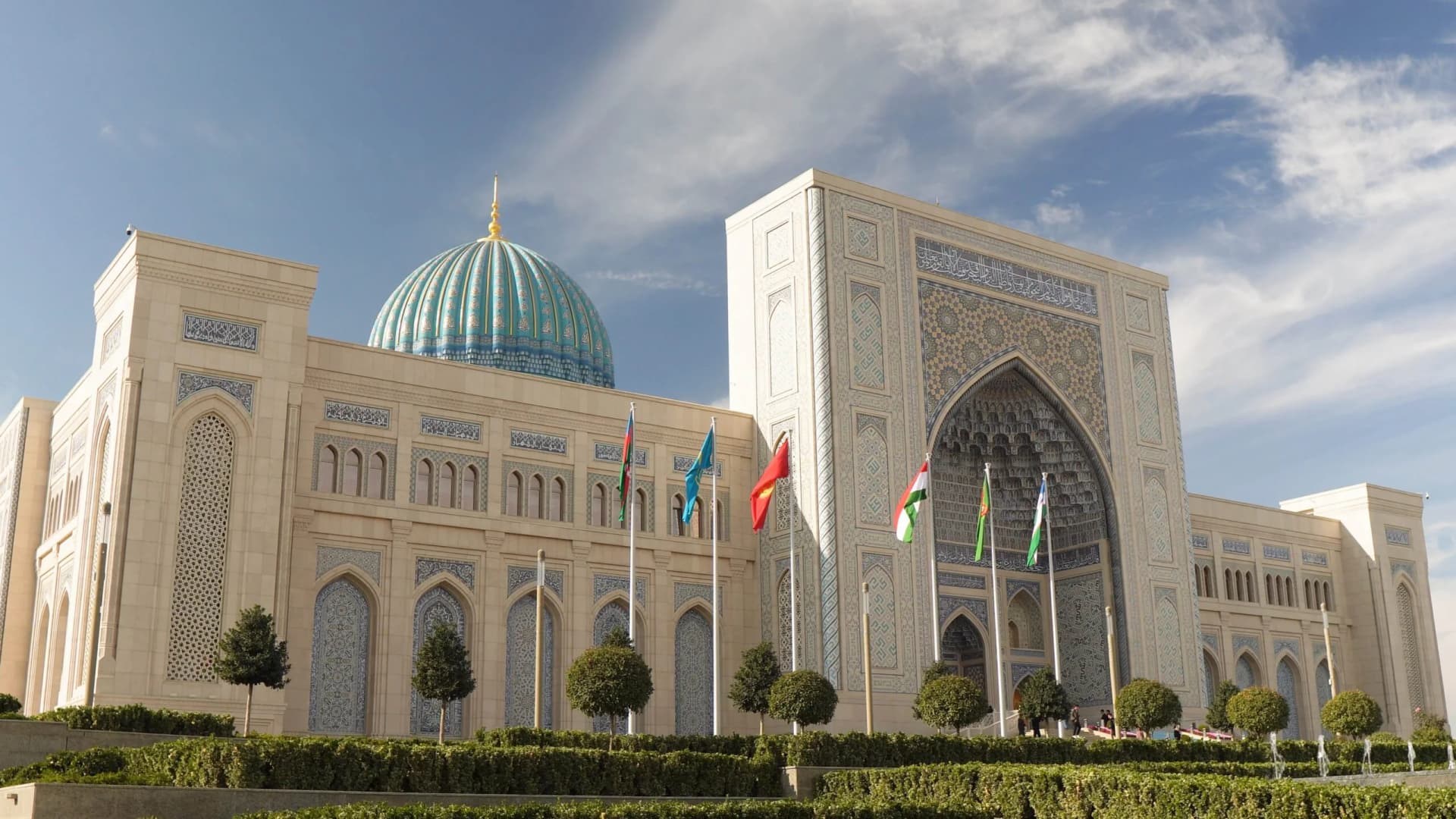
From the initiative of the President of Uzbekistan to international dialogue in Paris: Islamic Civilization Center presents the legacy of the great scholars of Mawarannahr at UNESCO
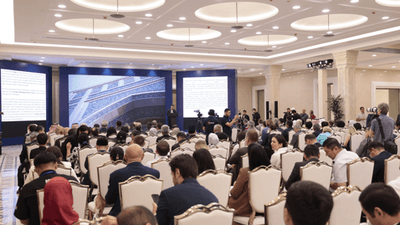
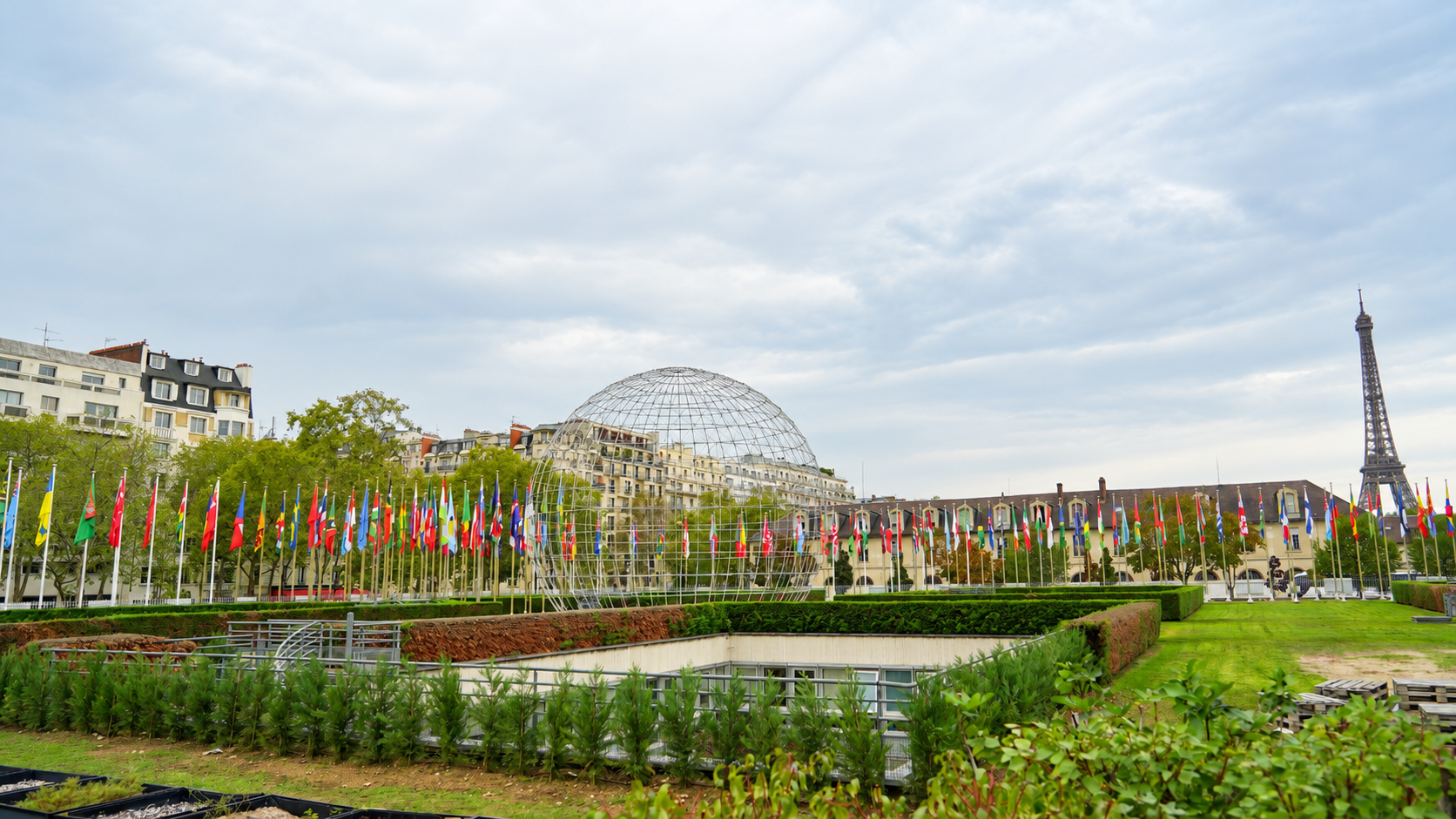 The international conference held at UNESCO Headquarters brought together more than 300 scholars, diplomats, and representatives of leading international organizations, marking a significant milestone in presenting Central Asia’s rich scientific and spiritual heritage to the global community.
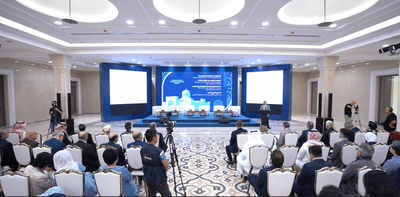
PARIS, October 7, 2026. — An international conference titled “Islamic Civilization: Mawarannahr’s Great Spiritual and Scientific Heritage and Horizons of Enlightenment” was held at UNESCO Headquarters in Paris. The conference focused on the contributions of Central Asian scholars to the development of world civilization, as well as opportunities to expand international cooperation in science, culture, and education.
The international conference was organized by the Islamic Civilization Center in Uzbekistan, the Permanent Delegation of the Republic of Uzbekistan to UNESCO, the National Commission of the Republic of Uzbekistan for UNESCO, the Ministry of Foreign Affairs of the Republic of Uzbekistan, the Embassy of the Republic of Uzbekistan in France, the Committee for Religious Affairs of the Republic of Uzbekistan, the Imam Bukhari, Imam Termizi and Imam Maturidi International Research Centers, the International Islamic Studies Academy of Uzbekistan, the Uzbekistan Art and Culture Development Foundation (ACDF), the Muslim Board of Uzbekistan, and the World Society for the Study, Preservation and Popularization of the Cultural Legacy of Uzbekistan (WOSCU).
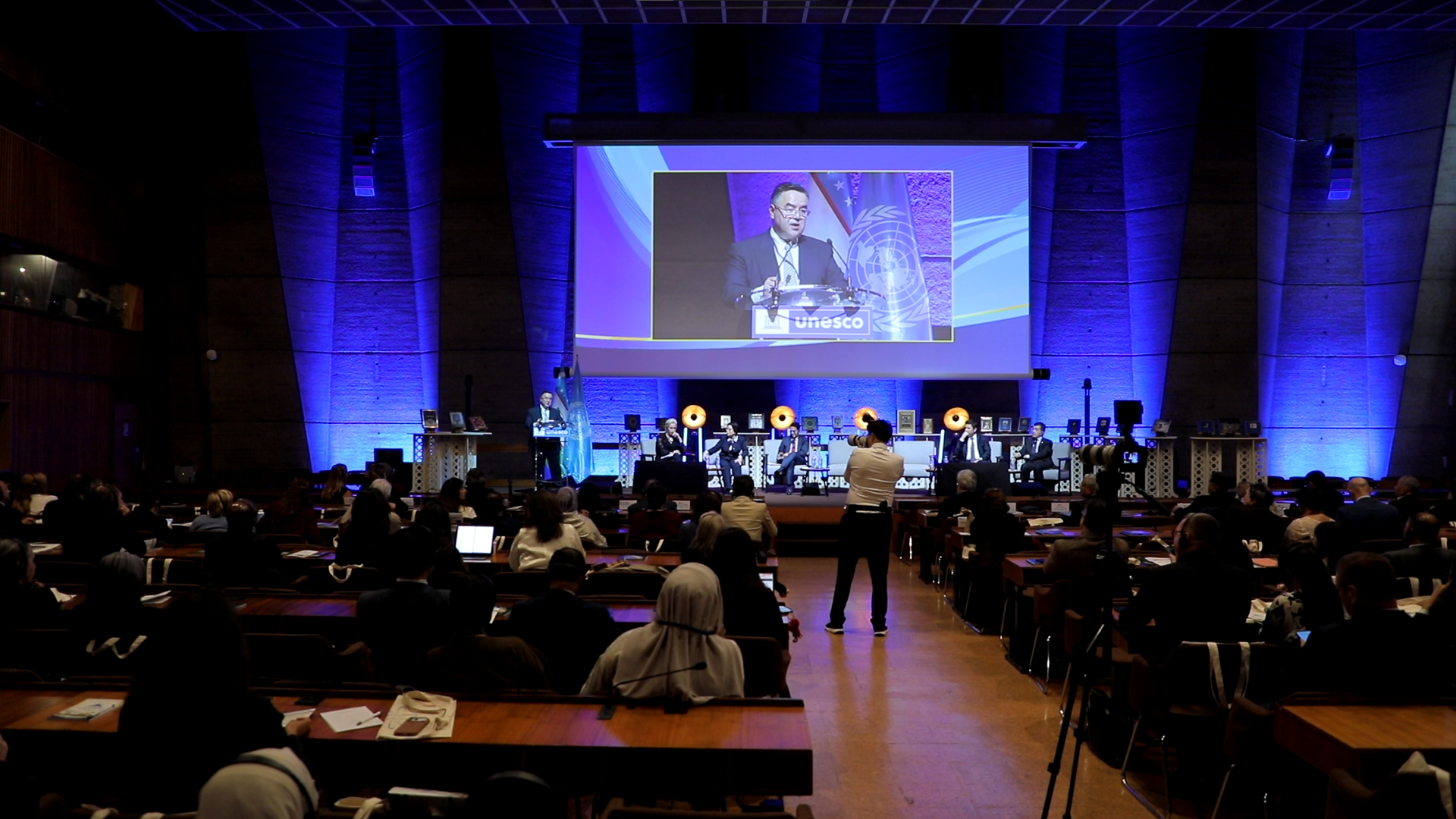 The conference brought together more than 300 participants, including representatives of UNESCO’s leadership, the diplomatic corps, international organizations, leading universities, research institutes, museums, and libraries. Simultaneous interpretation into Russian, English, and French was provided for the international audience.
“This event marked the practical realization of an initiative put forward by President of Uzbekistan Shavkat Mirziyoyev on September 23, 2025, at the 80th anniversary session of the United Nations General Assembly. President Shavkat Mirziyoyev emphasized the need to thoroughly study and widely promote the scientific and spiritual heritage of Imam Bukhari, Imam Termizi, and Imam Maturidi. He also proposed presenting this invaluable heritage to the international community at leading international venues — UNESCO Headquarters in Paris and the United Nations venues in Geneva and New York. Today’s conference in Paris represents an important step toward implementing this far-reaching initiative,” said Dr. Firdavs Abdukhalikov, Director of the Islamic Civilization Center in Uzbekistan.
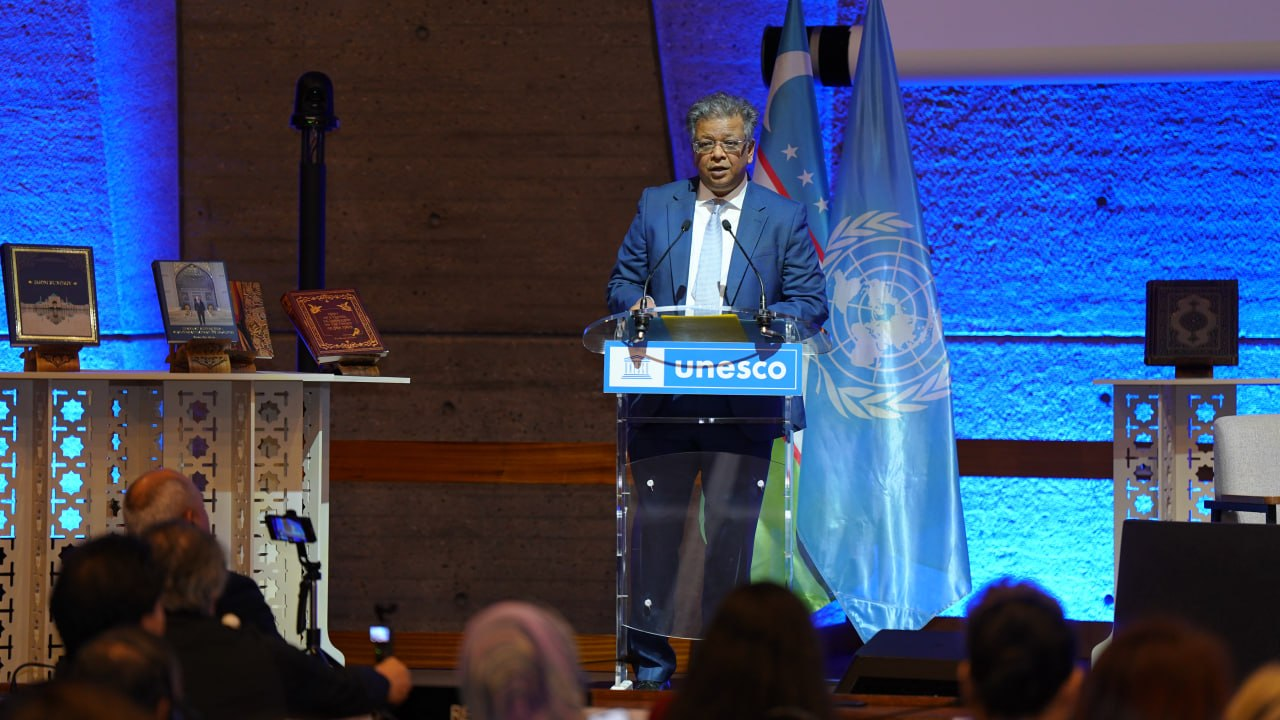
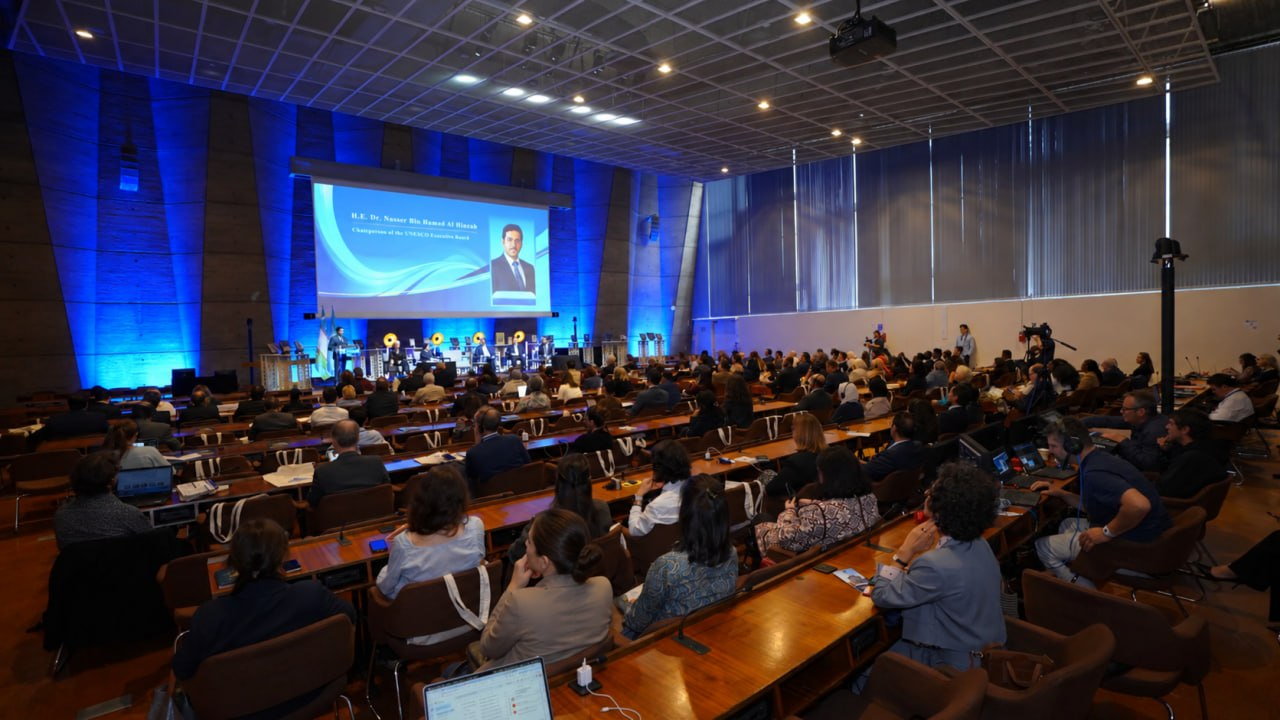 Participants at the conference were welcomed with opening remarks by H.E. Mr Khondker M. Talha, President of the 43rd session of the UNESCO General Conference, and Dr. Nasser Hamad Hinzab, Chairperson of the UNESCO Executive Board.
“Today, we are united by a shared spiritual and cultural heritage that has served as a foundation for dialogue among peoples for centuries. It is precisely this spirit of mutual understanding and cooperation that lies at the heart of UNESCO’s mission. I extend my sincere gratitude to the Government of Uzbekistan and UNESCO for organizing this important event, which builds upon the international initiative put forward by President Shavkat Mirziyoyev at the United Nations,” Khondker M. Talha emphasized.
The conference participants were also addressed by H.E. Kamol Mukhtarov, Ambassador Extraordinary and Plenipotentiary and Permanent Delegate of Uzbekistan to UNESCO, and Professor Denise Pires de Carvalho, UNESCO Assistant Director-General for Sciences.
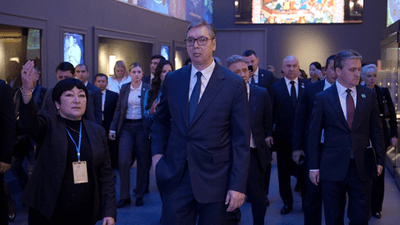
The highlight of the conference was the presentation of the Islamic Civilization Center in Uzbekistan. The international community was introduced to the Center’s unique concept, the results of its extensive scientific research and museum activities, and its main areas of work.
The Center’s exhibitions encompass more than three thousand years of the history of civilizations on the territory of present-day Uzbekistan, tracing historical developments from ancient cultures through the First and Second Renaissances to New Uzbekistan. Projects dedicated to preserving rare manuscripts, studying historical artifacts, and applying modern digital technologies and artificial intelligence attracted particular interest among the participants.
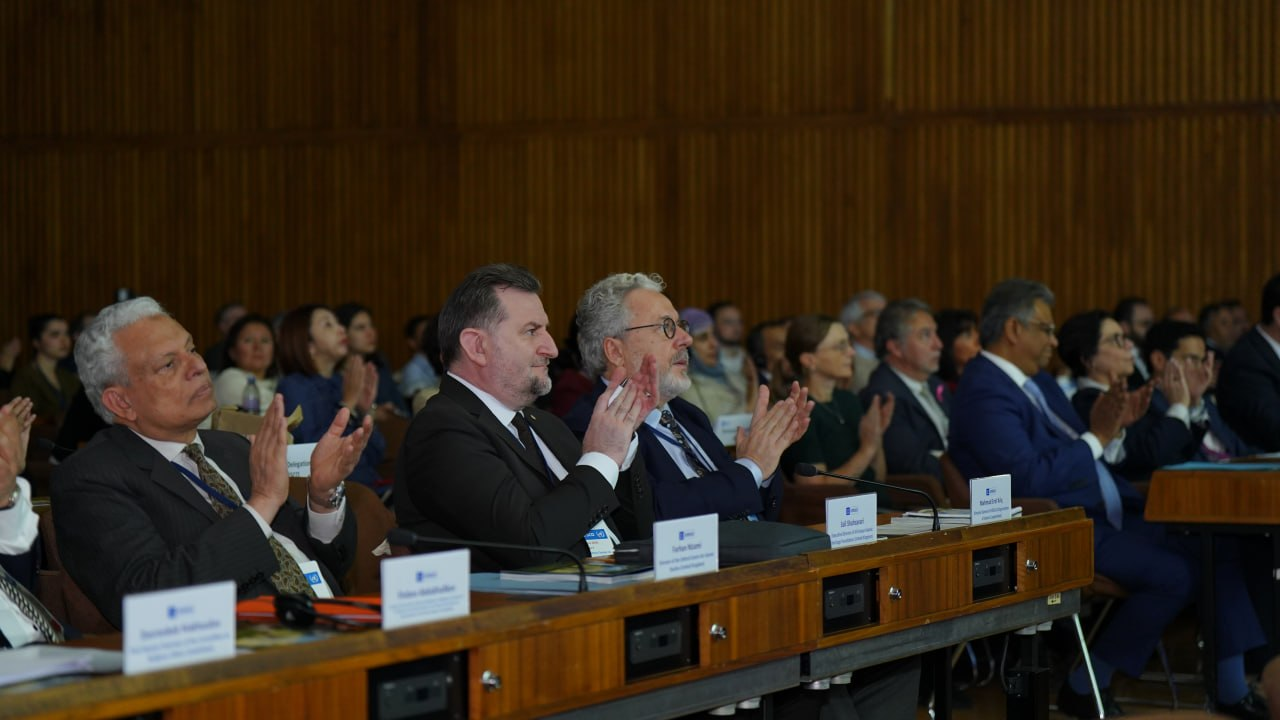 The conference was further distinguished by the participation of prominent leaders of international scientific and cultural organizations who travelled to Paris specifically to attend the event and deliver presentations. Among them were Dr. Farhan Ahmad Nizami, Director of the Oxford Centre for Islamic Studies; Professor Mahmud Erol Kılıç, Director General of the Research Centre for Islamic History, Art and Culture (IRCICA); Sali Shahsivari, Executive Director of the Al-Furqan Islamic Heritage Foundation; Mario Taddei, Professor of Design in Milan; Dr. Salima Dalibey, Representative of the Organization of Islamic Cooperation to UNESCO; Robert F. Blum, President of the Diplomatic Circle of Geneva; and Frédérique Bressand, President of the Association for the Study of Timurid History and Art in France.
Dr. Farhan Ahmad Nizami, Director of the Oxford Centre for Islamic Studies, highlighted the rich cultural heritage of Central Asia:
“As we walk through the historic streets of Uzbekistan, we see not merely beautiful buildings and ancient monuments, but also evidence of a sophisticated and vibrant culture, creativity, close connections, and cultural exchange.”
Dr. Salim M. AlMalik, Director-General of ICESCO, delivered a special address:
“The presentation of the Islamic Civilization Center on the international stage, particularly at UNESCO, is of great importance. Those who have not had the opportunity to visit Uzbekistan and see the Center in person can at least discover it through its presentation at UNESCO. This highlights the immense contribution of Islamic civilization to peace, science, and cultural development. I would also like to express my sincere gratitude to His Excellency President Shavkat Mirziyoyev of Uzbekistan for his unwavering support for Islamic civilization.”
Frédérique Bressand, President of the Association for the Study of Timurid History and Art in France, highly praised the international significance of the Islamic Civilization Center:
“The Islamic Civilization Center, established at the initiative of President of Uzbekistan Shavkat Mirziyoyev, is today one of the largest cultural and museum complexes in Central Asia, and perhaps even in the world. It is designed to reveal the extraordinary richness of Islamic scientific and cultural heritage, which has remained insufficiently known for a long time, and to promote it to a wider international audience.”
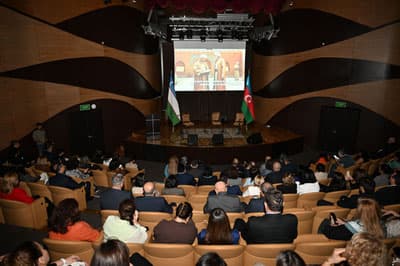
The conference’s academic program comprised three thematic sessions dedicated to Central Asia’s spiritual and intellectual heritage, the role of the Islamic Civilization Center as an international platform for science and culture, and the contributions of the great scholars of Mawarannahr to the development of world civilization.
Presentations by representatives of Uzbekistan’s leading academic and government institutions played a prominent role in the academic program. Speakers included Komiljon Shermuhamedov, Director of the Imam Maturidi International Research Center; Professor Davronbek Maksudov, First Deputy Chairman of the Committee on Religious Affairs of the Republic of Uzbekistan; Professor Zohidullo Munavvarov, Chief Researcher at the Islamic Civilization Center; Rustam Jabborov, Scientific Secretary of the Islamic Civilization Center; and Nodira Mustafayeva, representative of the Academy of Sciences of the Republic of Uzbekistan.
The presentations focused on the study and preservation of Central Asia’s historical and cultural heritage, the development of joint scientific research, the establishment of academic exchanges, the digitization of historical sources, and the strengthening of international cooperation. Participants paid particular attention to opportunities for implementing new collaborative projects with leading international academic and cultural institutions.
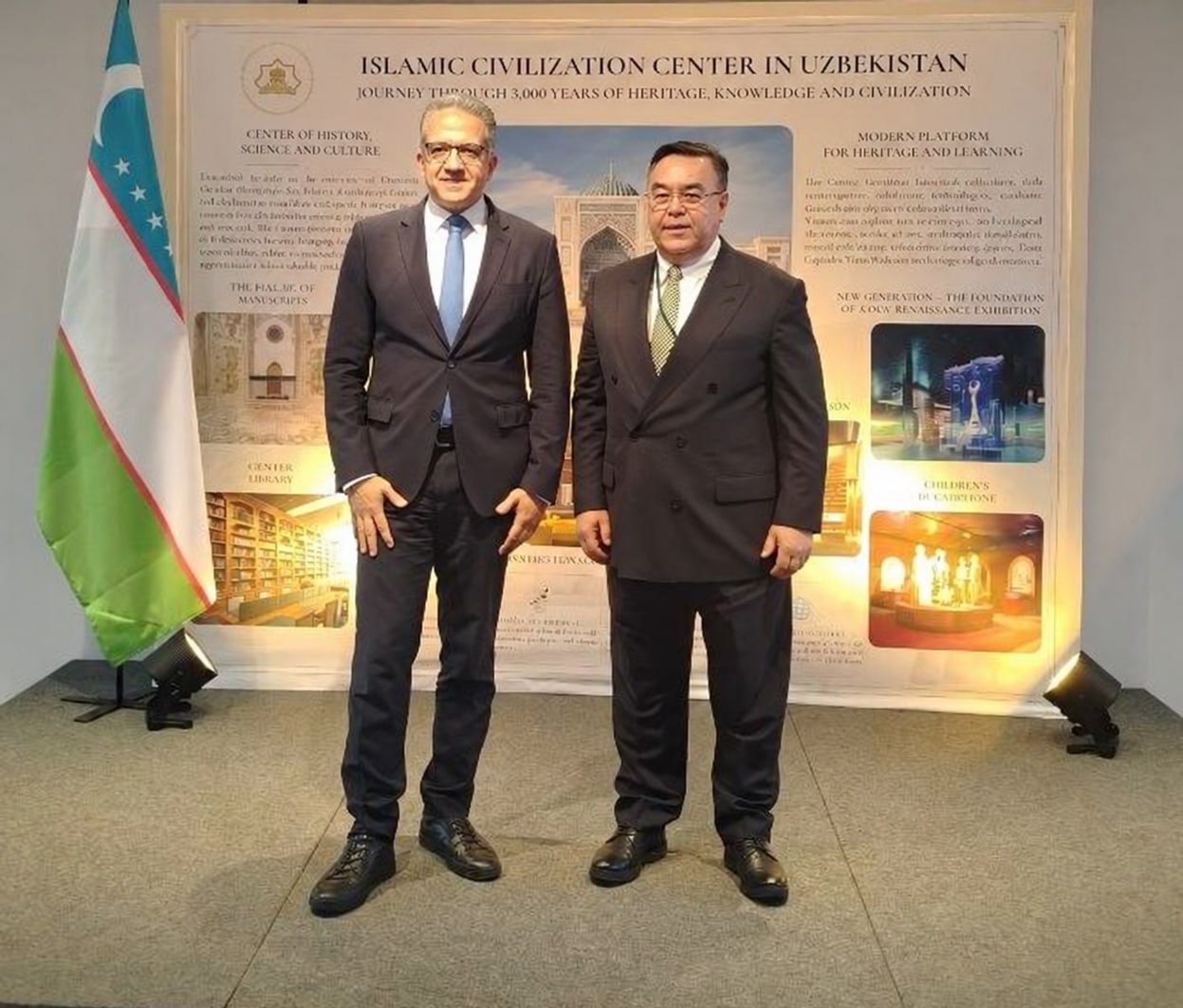 A highlight of the international conference was the gala reception held at UNESCO Headquarters, which brought together distinguished guests, diplomats, scholars, and representatives of international organizations. The evening was particularly distinguished by the presence of UNESCO Director-General Khaled El-Enany. He personally welcomed the guests, underscoring the event’s high international standing.
As part of the evening program, the Islamic Civilization Center’s scientific, cultural, and educational projects were presented. The gala reception provided participants with an opportunity to continue professional dialogue, exchange views and ideas, and discuss prospects for implementing joint initiatives.
The Paris conference marked a new chapter in the international activities of the Islamic Civilization Center, the idea for which was first put forward by President Shavkat Mirziyoyev in 2017 at the 72nd session of the United Nations General Assembly.