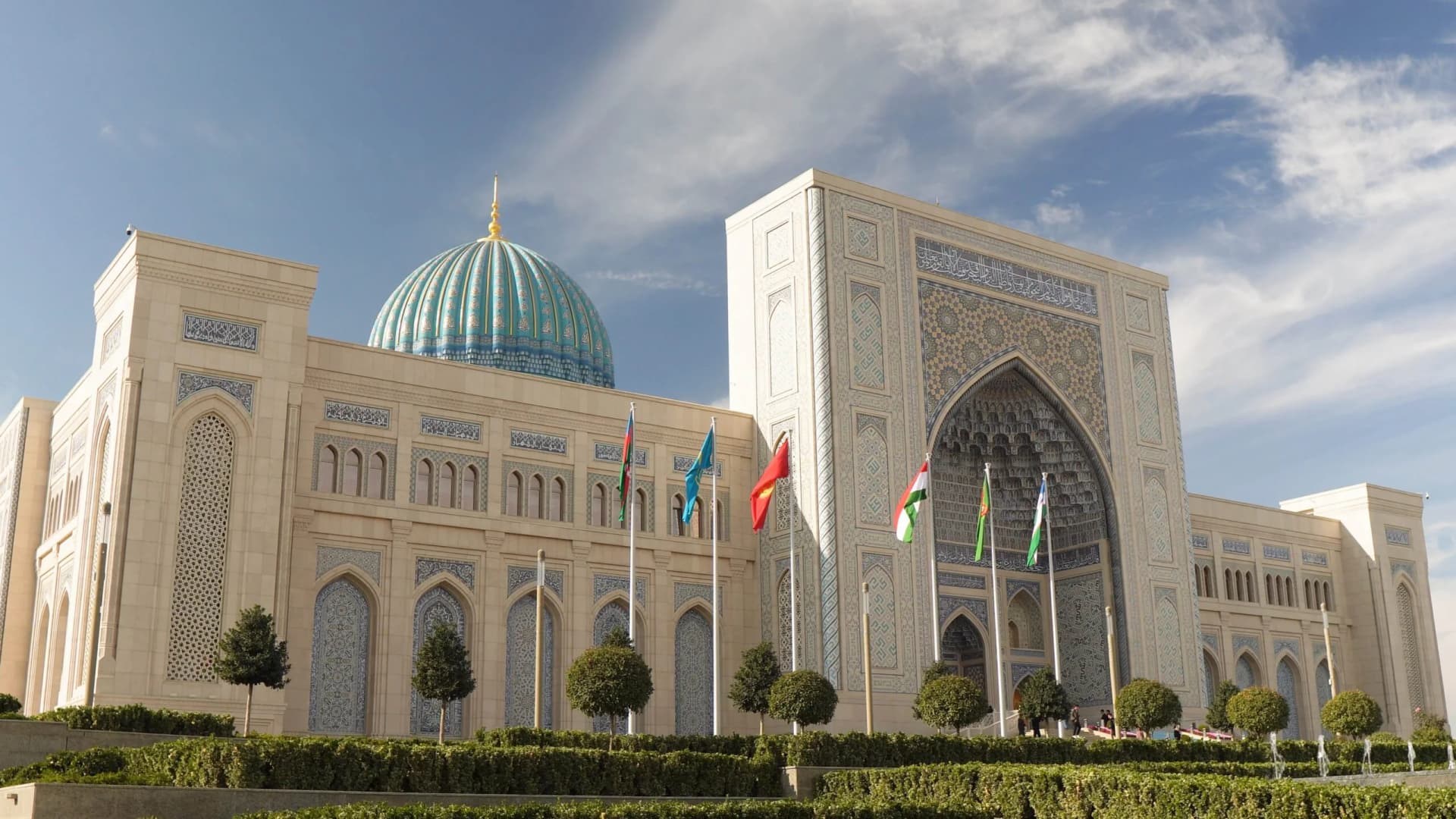
An international scientific conference dedicated to the 690th anniversary of the birth of the great Amir Timur was held in Paris
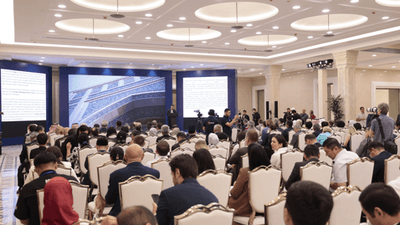
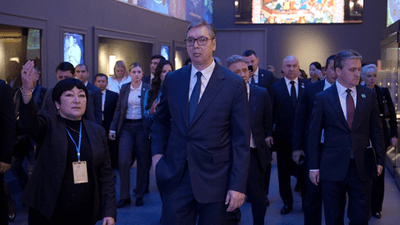
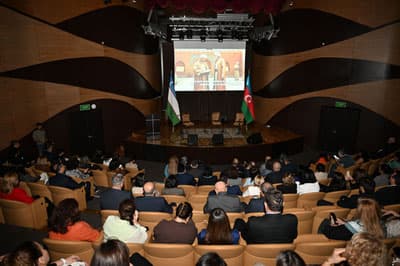
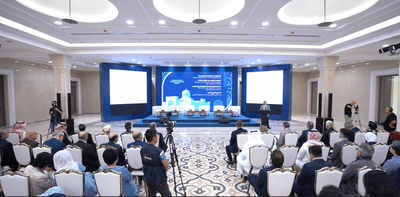
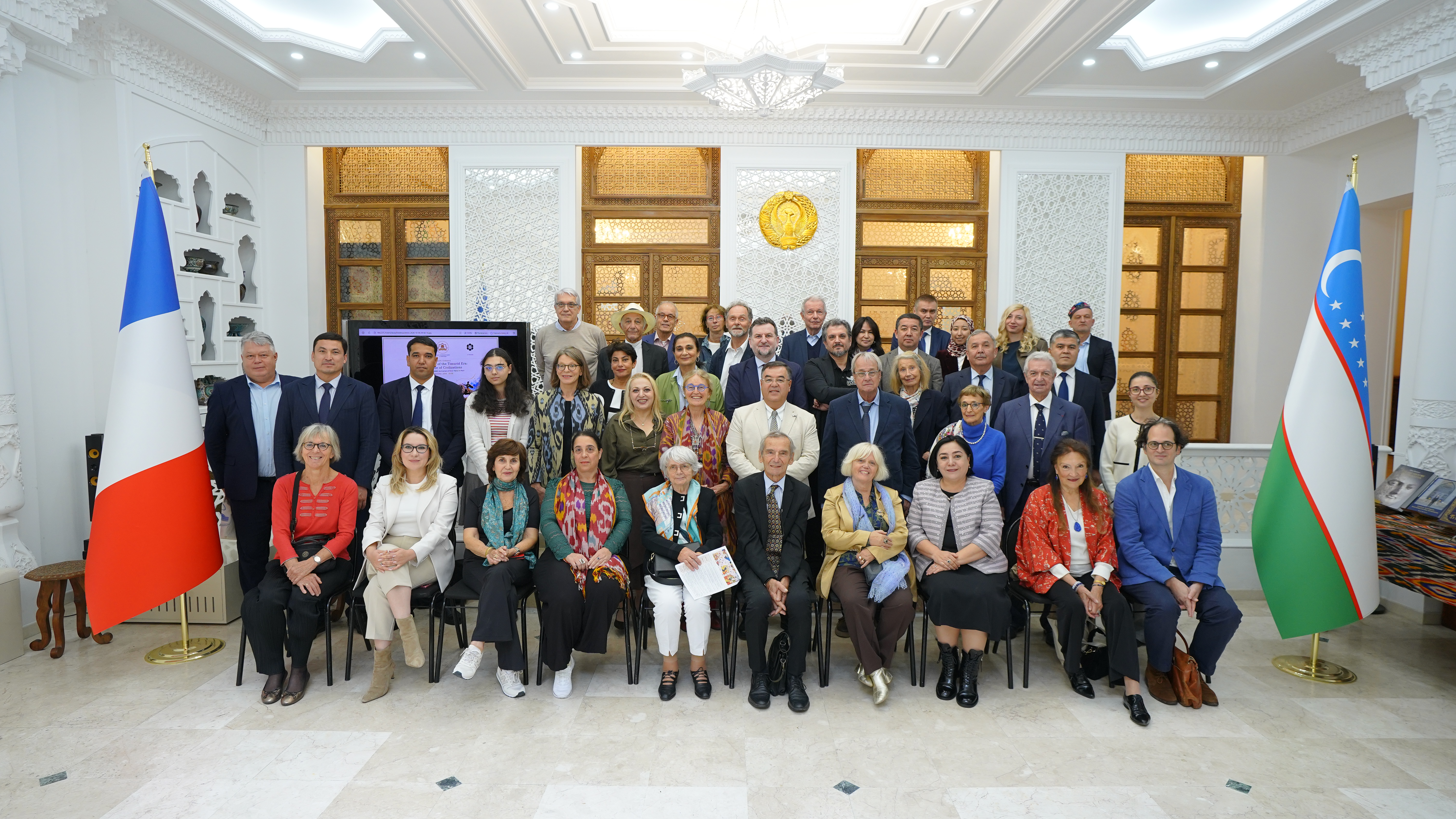 An international scientific conference dedicated to the 690th anniversary of the birth of the great Amir Timur was held in Paris, jointly organised by the Islamic Civilization Center in Uzbekistan, the Embassy of the Republic of Uzbekistan in France, and several partner organizations. The conference took place at the Embassy of the Republic of Uzbekistan in France and focused on the role of Sahibkiran Amir Timur and the Timurid legacy in the history of world civilization, the current state of its research in France and Europe, and new directions for scientific cooperation.
The event was held as part of the initiatives being implemented at the initiative of the President of the Republic of Uzbekistan, Shavkat Mirziyoyev, to study the scientific and spiritual heritage of the nation’s great ancestors in greater depth and promote it more widely on the international stage.
The conference brought together prominent scholars, researchers, and public figures, including Frederic Bressand, President of the Association for the Study of History and Art of Timurid in France; Sali Shahsivari, Executive Director of the Al-Furqan Islamic Heritage Foundation; Davronbek Maksudov, First Deputy Chairman of the Committee on Religious Affairs of the Republic of Uzbekistan; Komiljon Shermuhammedov, Director of the Imam Maturidi International Scientific Research Center; French scholars and researchers; members of the Timur Cultural and Social Association; and representatives of the scientific community.
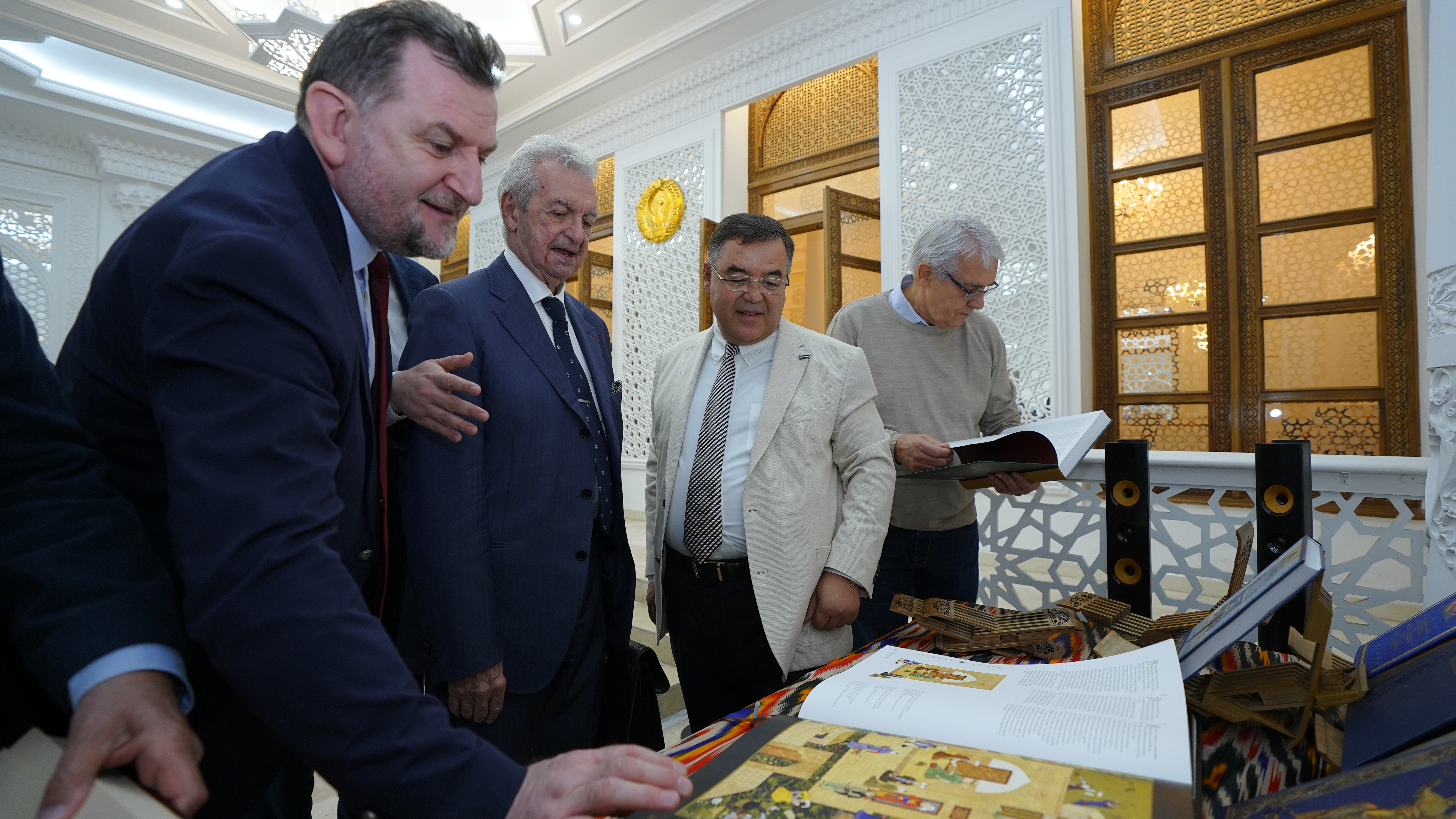
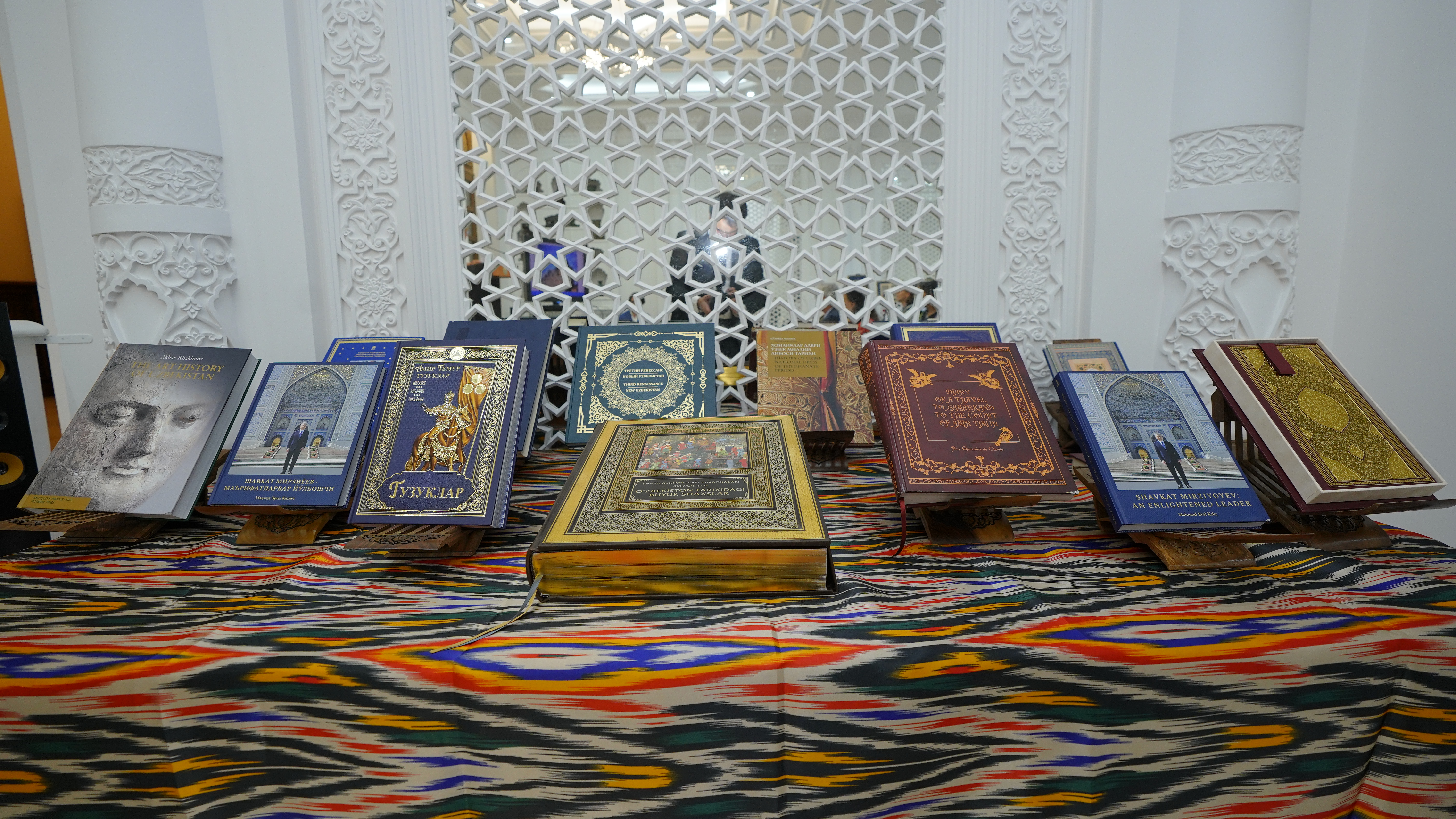 The conference focused on the development of science, architecture, art, culture, and statehood during the reign of Amir Timur and the Timurids, as well as on the study of this legacy within French and European academic circles. French researchers François Grenet and Catherine Poujol, along with Professor and Alisher Navoi scholar Shara Risoli, delivered presentations on the history, culture, and literary heritage of the Timurid era.
The legacy of Amir Timur is an integral part of world civilization
The event placed particular emphasis on the efforts being made in Uzbekistan to restore historical memory, conduct research into the legacy of great scholars and statesmen on a rigorous scientific basis, and introduce their contributions to the global community.
The Islamic Civilization Center in Uzbekistan, one practical expression of these goals, serves to showcase the contribution of the peoples of Uzbekistan and Central Asia to the development of world civilization. Its exhibitions also give special attention to the transformative influence of Amir Timur and the Timurid era in the development of statehood, science, architecture, art, and culture.
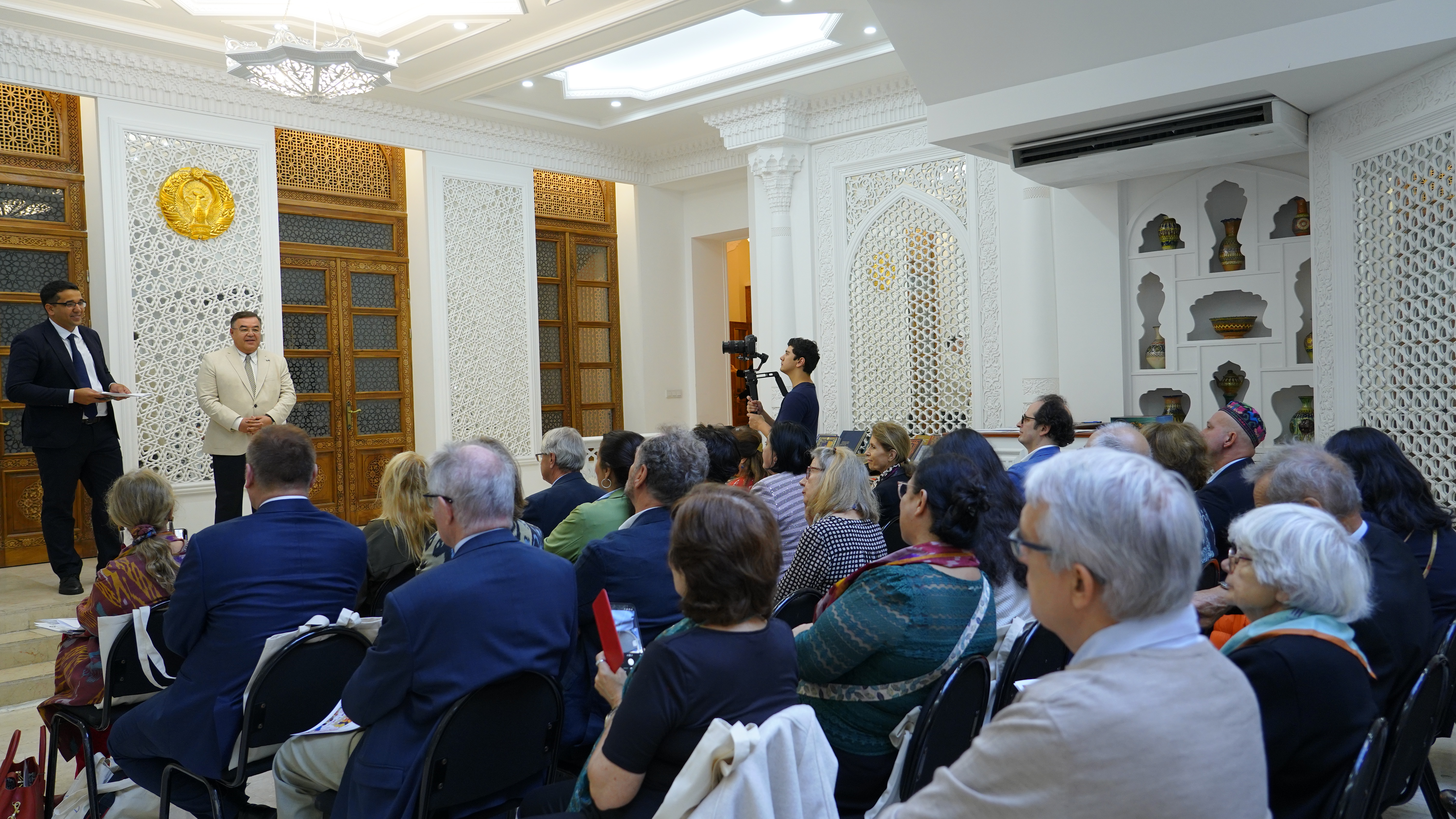 Firdavs Abdukhalikov, Director of the Islamic Civilization Center in Uzbekistan, stressed in his speech the need for a comprehensive study of Amir Timur’s legacy.
“Amir Timur’s legacy does not concern the history of a single nation or one state. His contributions to governance, science, architecture, art, culture, and international diplomacy represent an integral chapter in world civilization. That is why exchanging views on this legacy in Paris today carries deep symbolic significance,” said Firdavs Abdukhalikov.
 The Timurid legacy as a subject of international scholarly dialogue
Frederic Bressand, President of the Association for the Study of History and Art of Timurid in France, emphasized the vital importance of the conference being held in Paris and of the opportunity created to promote the Timurid legacy widely.
“I am truly delighted that we organized this presentation at the Embassy of the Republic of Uzbekistan in Paris. It is very important to promote the Timurid dynasty and its historical significance here in Paris as well. The event took place in a remarkably warm and friendly atmosphere, with many of our friends and association members attending,” said Frederic Bressand.
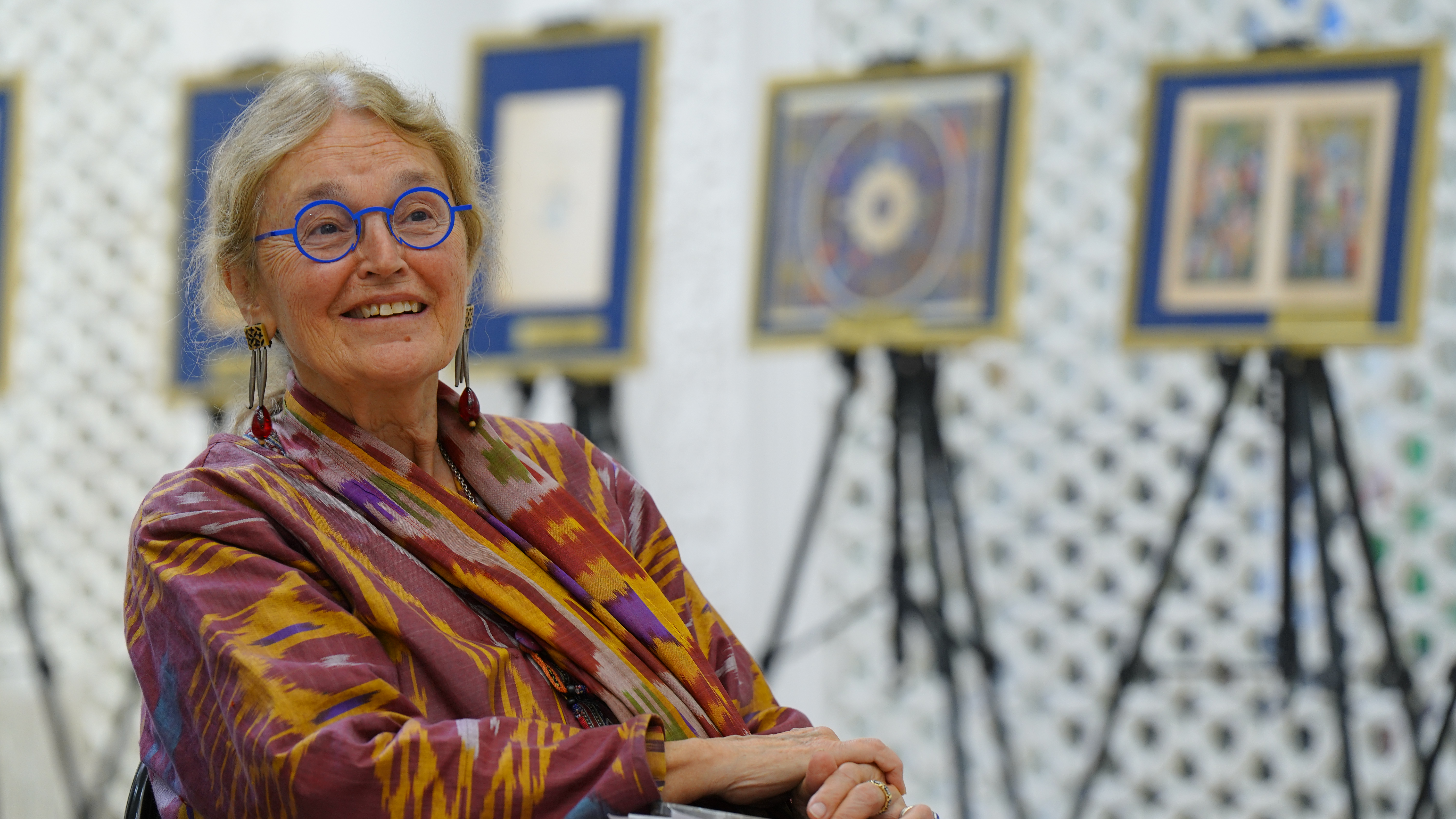
The conference explored not only the political history and state history of the Timurid era, but also its literary and spiritual legacy. French professor and Alisher Navoi scholar Shara Risoli dedicated her presentation to Alisher Navoi’s role at the Timurid court and his patronage activities.
“I would like to sincerely congratulate everyone on the 690th anniversary of the birth of Amir Timur, the great Sahibkiran. I am very pleased to take part in this conference, which has further enriched our knowledge of the Timurid era. My presentation focused on Amir Alisher Navoi, his patronage activities, and his important role at the Timurid court. I also analysed Navoi’s personality through five main aspects,” said Shara Risoli.
The scholar’s presentation also underscored the fundamental role of literature and the cultural environment in studying the Timurid legacy. This underscores the significance of exploring the history of the period across various scientific disciplines.
 Uzbekistan’s cultural heritage as a force of international solidarity and dialogue
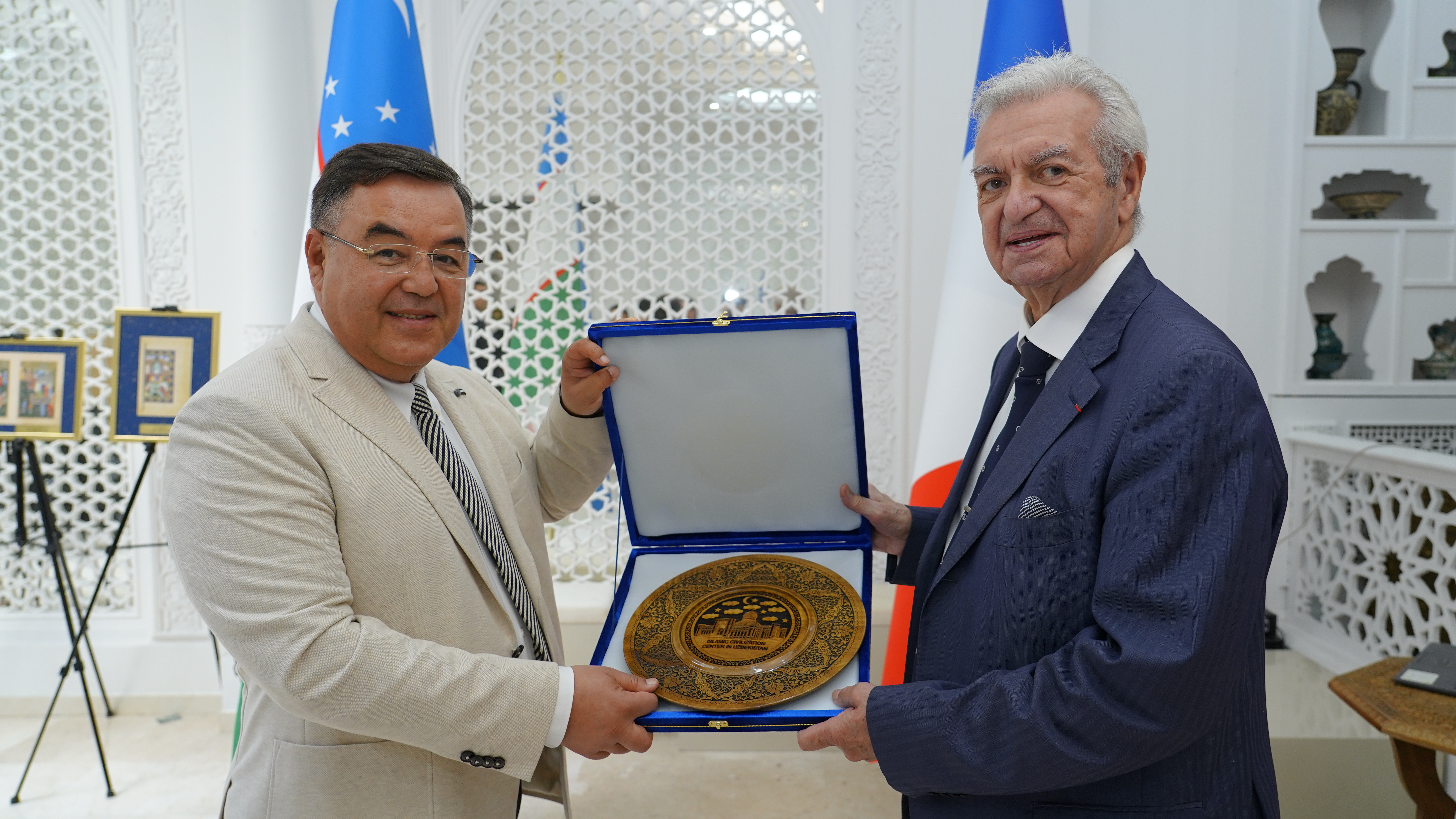
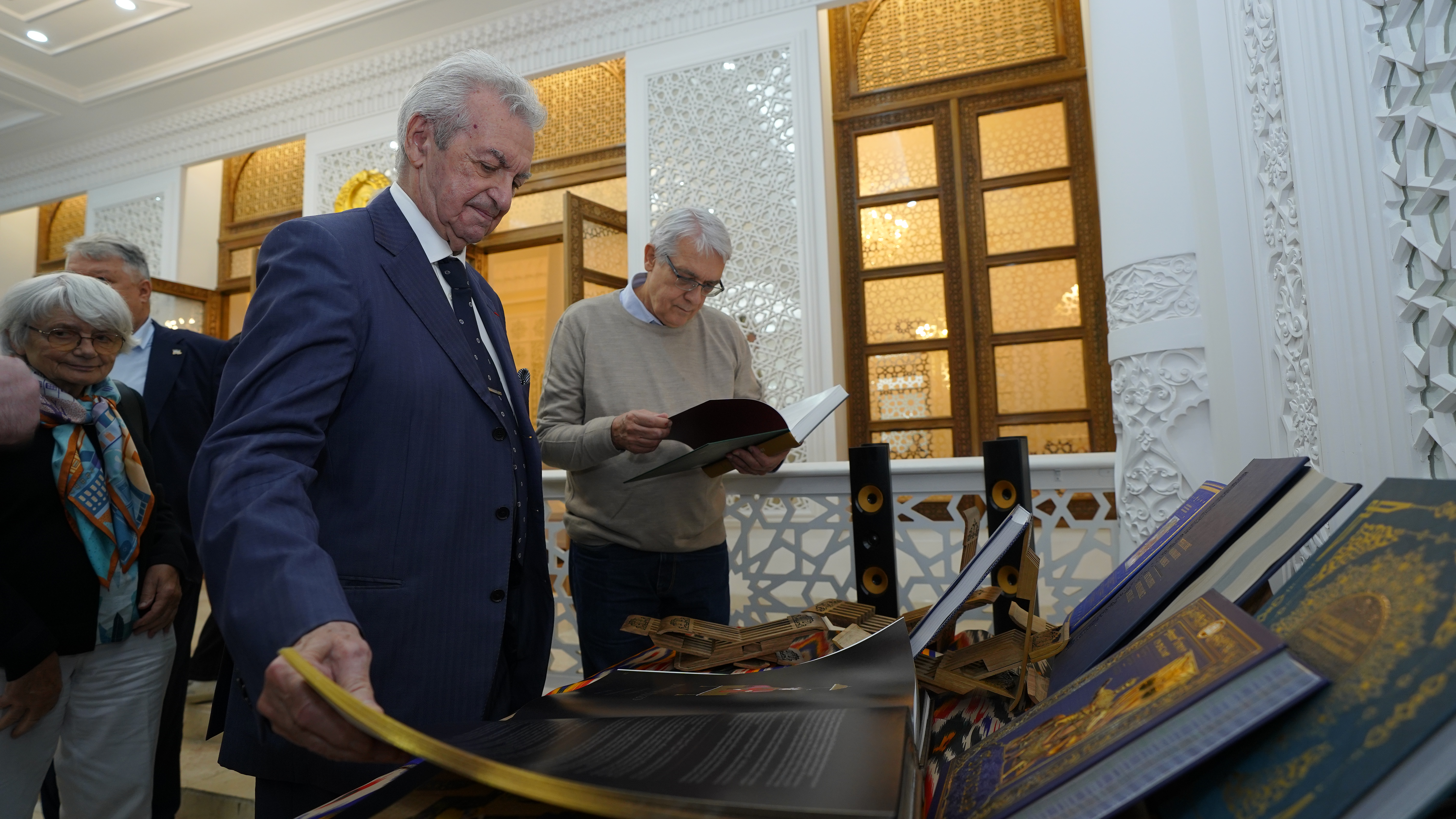
Robert F. Blum, President and Founder of the Diplomatic Circle of Geneva, who shared his thoughts on the occasion of the conference, spoke about the importance of promoting Uzbekistan’s rich history and cultural heritage internationally and of developing intercultural dialogue.
“I firmly believe that one of the most important things that unites humanity is the commonality in our faith and spiritual values. Regardless of our birthplace or upbringing, our shared commitment to peace, understanding, and mutual harmony connects us all.
I hold a deep affection for Uzbekistan, having visited the country 19 times over the past decade. To introduce Uzbekistan’s authentic identity, rich history, and unique culture to an international audience, I authored a 300-page book containing 450 photographs. It reflects the beauty of Samarkand, Khiva, and Bukhara, alongside the warmth, daily life, and cultural heritage of its people.
I also attended the opening ceremony of the Islamic Civilization Center in Tashkent. The Center made a profound impression on me. I would like to particularly emphasise its importance in showcasing historical and spiritual heritage on a broad scale.
I am confident that the upcoming presentation in Geneva will inspire the same degree of enthusiasm as the conference here in Paris. After all, Geneva is one of the important venues for international dialogue and cooperation,” said Robert F. Blum.
He also emphasised that cooperation among Central Asian countries, particularly Uzbekistan and Kazakhstan, is of great importance in strengthening regional development and international peace.
 Scientific research in France and prospective collaborative projects
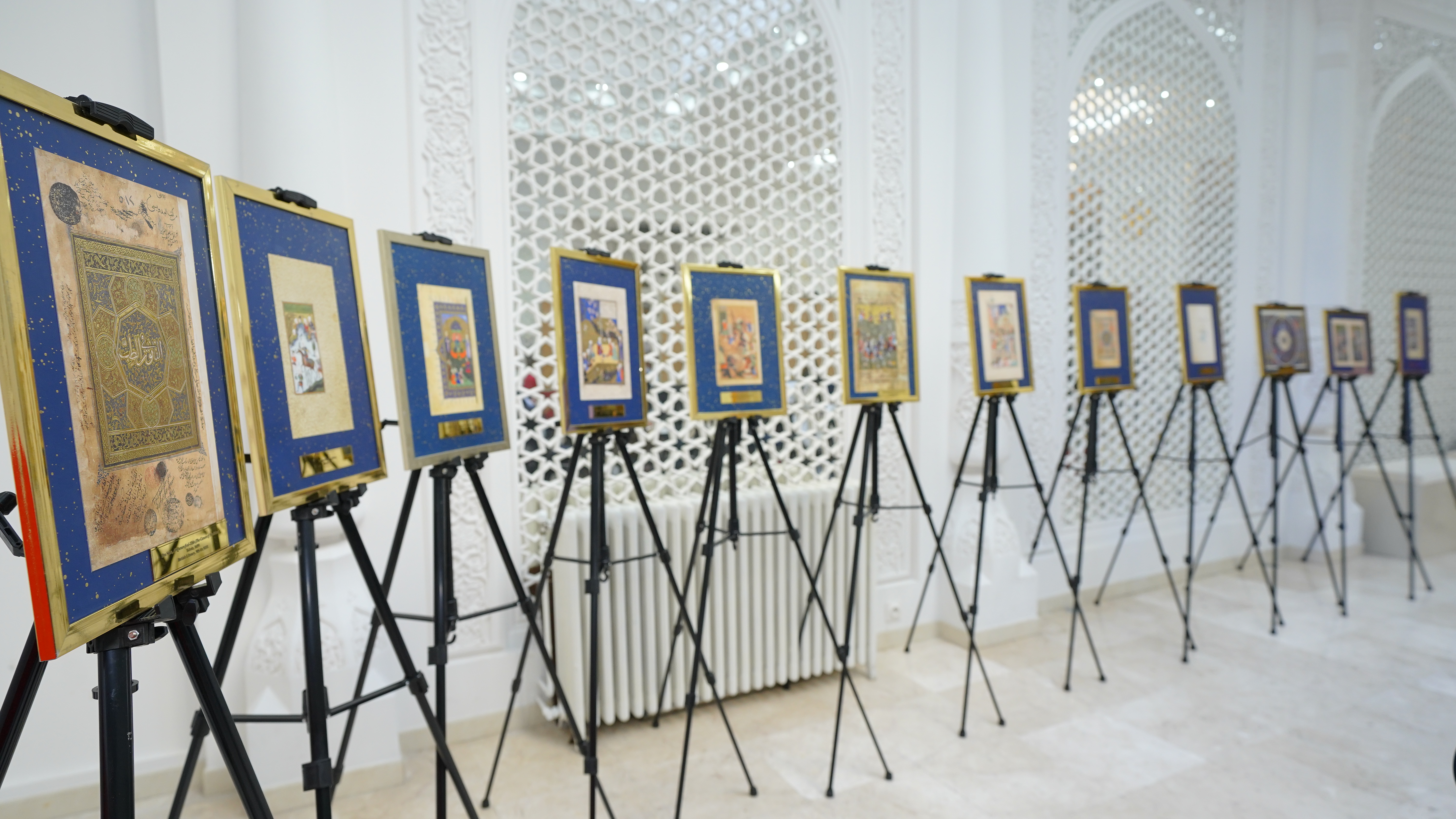
The conference recognised the long-standing scientific efforts in France to study the legacy of Amir Timur and the Timurids, including the activities of the French Association for the Study of History and Art of the Timurid.
It was also noted that the journal “Timurids” has been published regularly for 30 years, serving as an important platform for scholarly dialogue and research into the history of Amir Timur and the Timurids. In this regard, the Islamic Civilization Center in Uzbekistan announced ambitious plans to compile the journal’s issues published over 30 years and publish them as a separate collection.
Firdavs Abdukhalikov emphasised the importance of taking cooperation with French scholars to a new level.
“We should view the legacy of Amir Timur not merely as a memory of the past, but as an important scientific and spiritual source for present and future generations. In cooperation with French scholars, we can uncover many new sources, conduct further research, and identify previously unexplored pages of history,” he said.
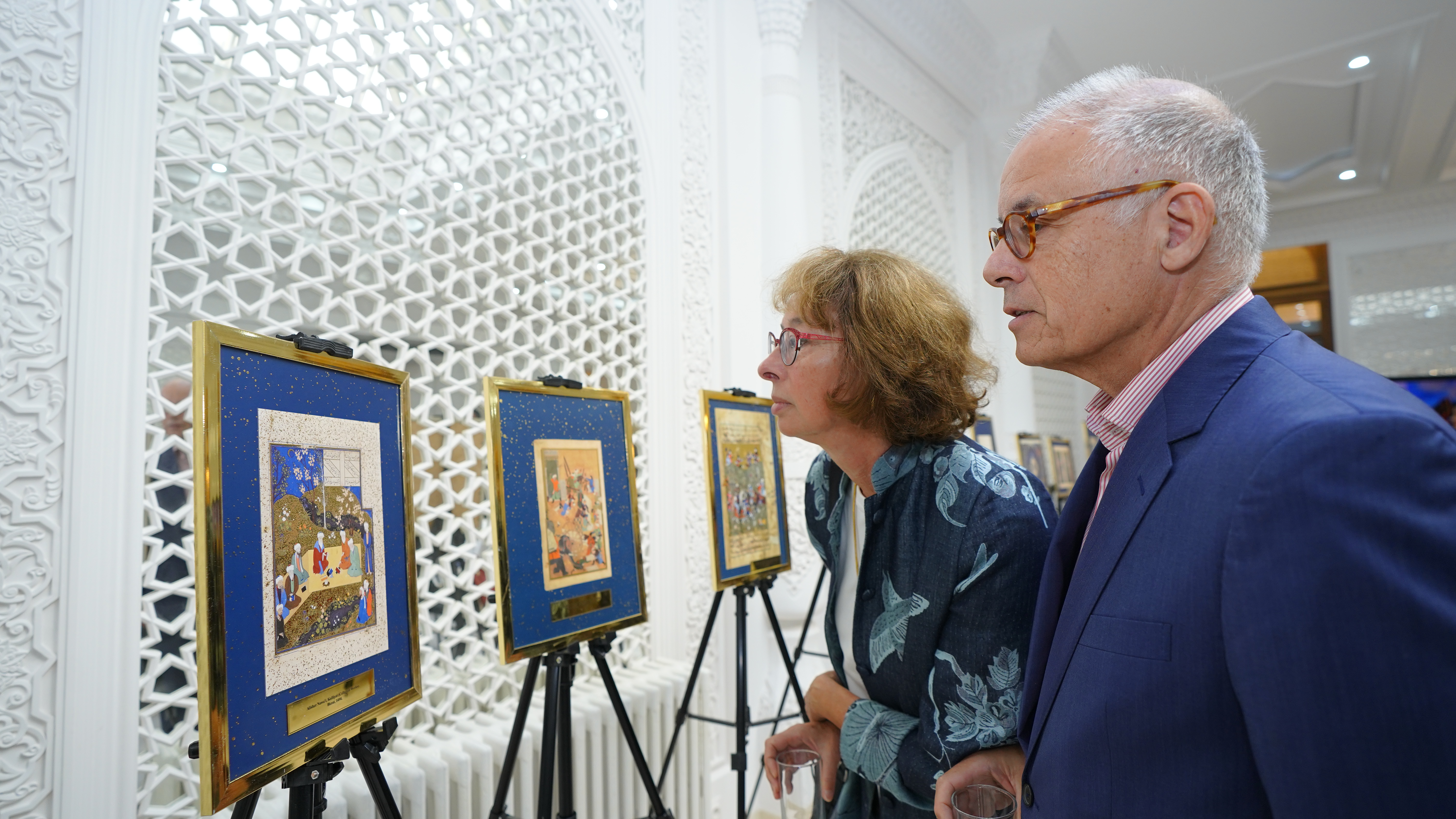 The discussions also covered carrying out joint research projects on manuscripts, archival documents, historical sources, and cultural heritage objects from the era of Amir Timur and the Timurids, as well as preparing new books, catalogs, and exhibitions. It was emphasised that the Islamic Civilization Center in Uzbekistan is ready to further expand cooperation with French scholars, historians, orientalists, art historians, and archival and museum specialists.
The event also highlighted the historical diplomatic relations between Amir Timur and France. His diplomatic correspondence with King Charles VI of France was noted as evidence that political and cultural dialogue between the East and the West already existed even in that era.
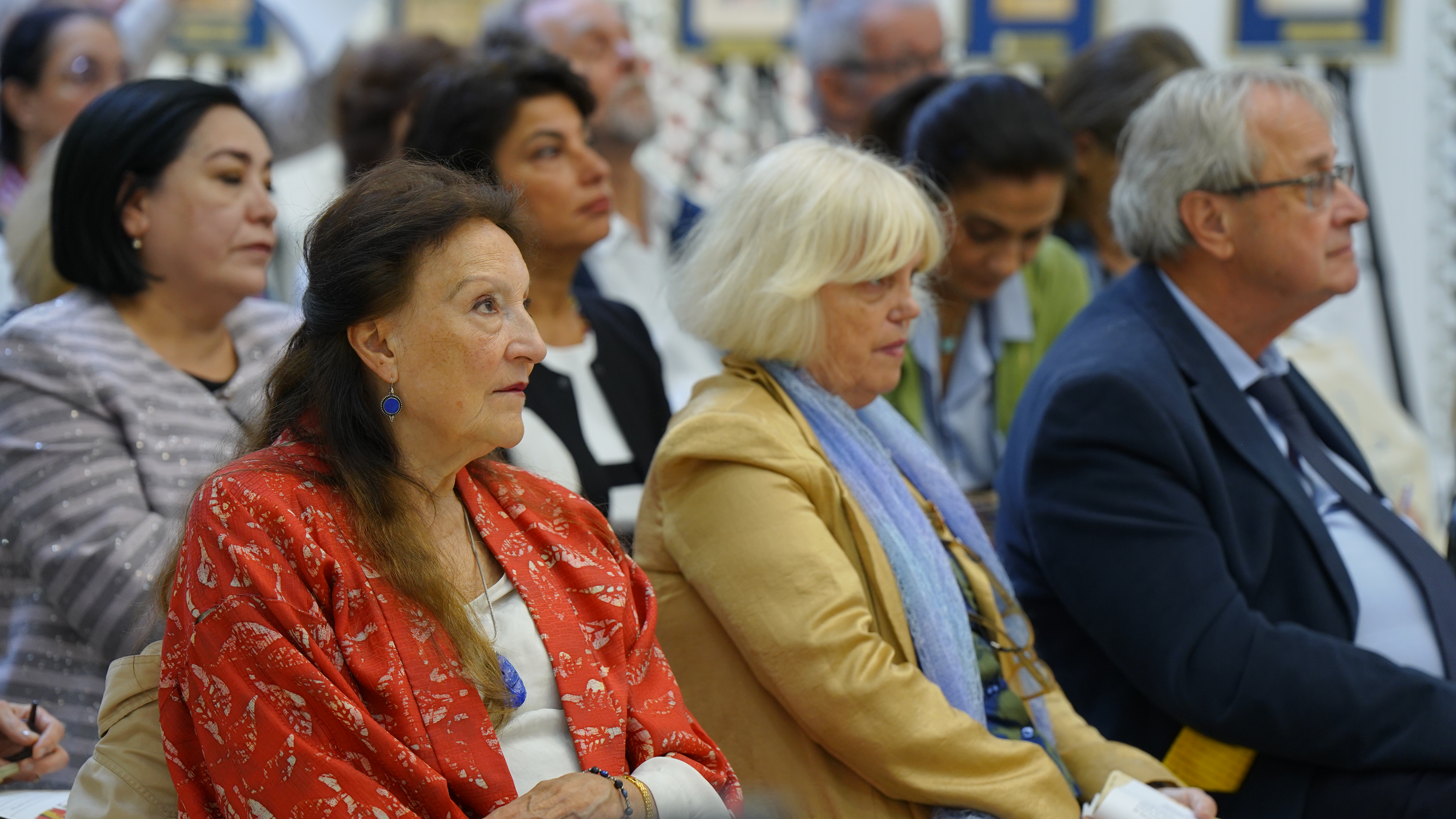 At the end of the conference, the participants stressed the importance of advancing research in connection with the 690th anniversary of Amir Timur’s birth, strengthening cooperation between Uzbek and French scholars, jointly studying historical sources, and promoting the legacy of Sahibkiran and the Timurids even more widely to the international scientific community.