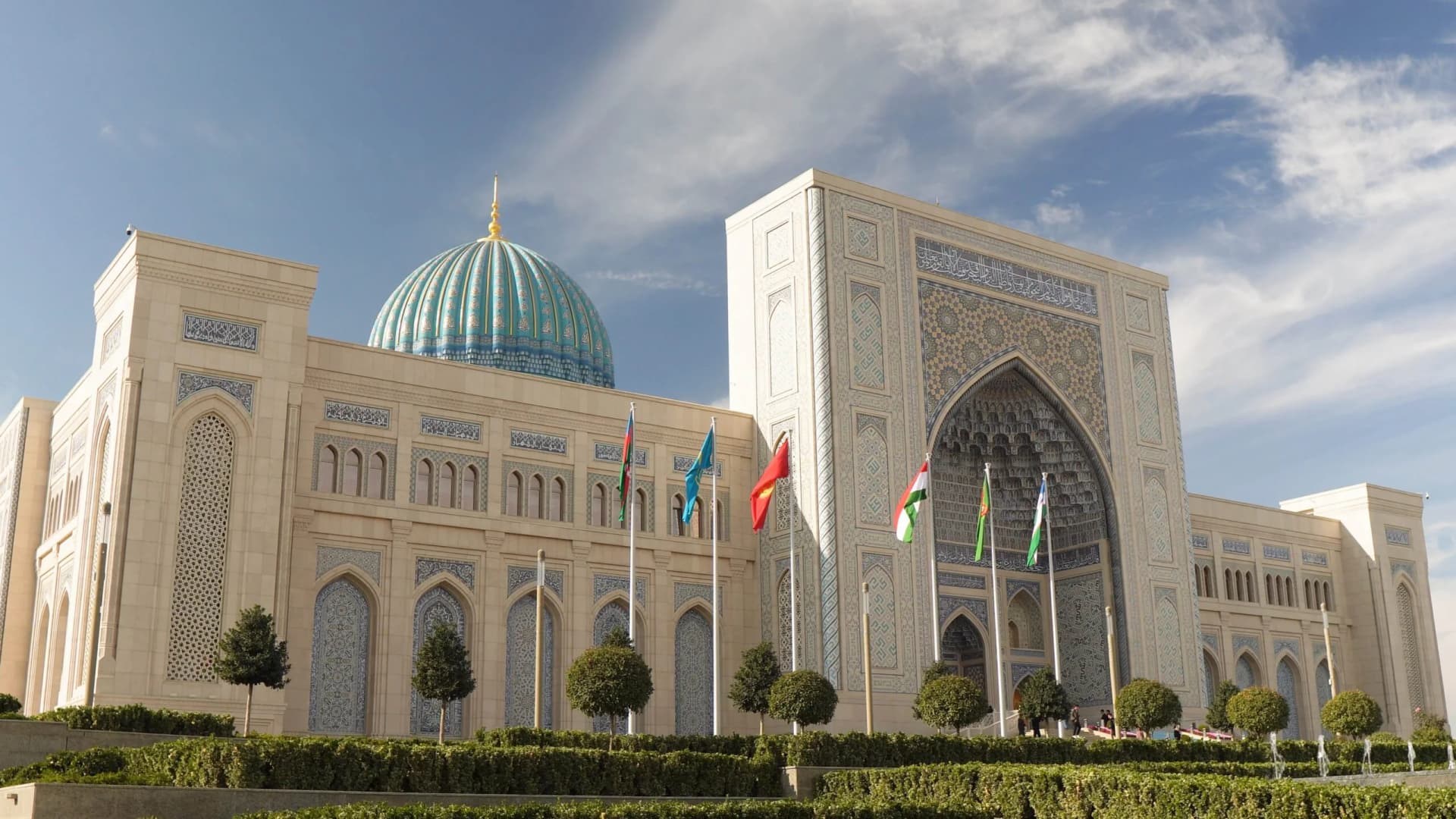

The President’s initiative in action: Dual education has been introduced at the Islamic Civilization Center
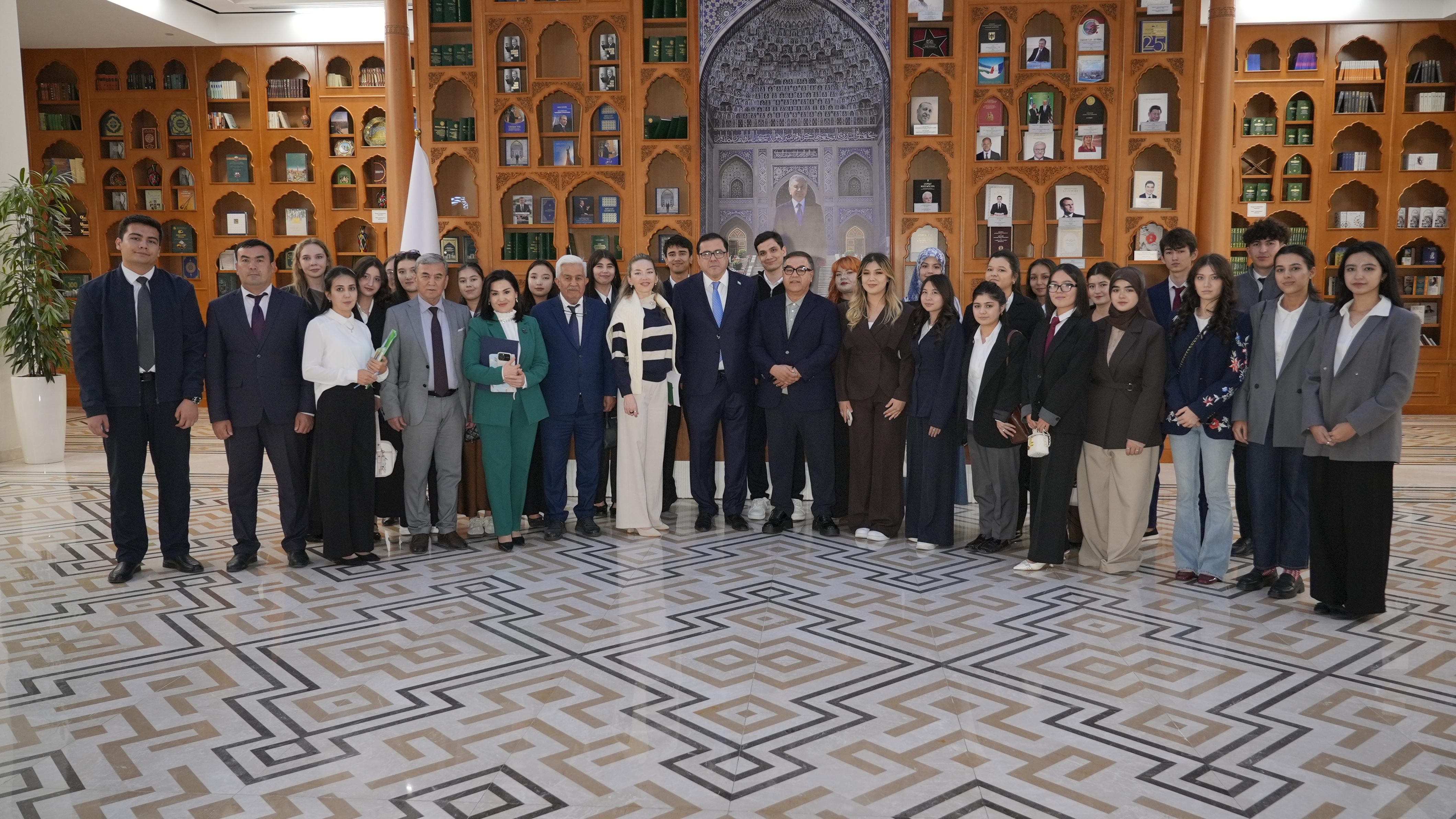
A new phase of hands-on professional training has been launched through cooperation between the Islamic Civilization Center and the Journalism and Mass Communications University of Uzbekistan.
On September 30, 2026, at a meeting with educators, President Shavkat Mirziyoyev paid particular attention to developing dual education in the higher education system and strengthening cooperation between universities and employers. The “enterprise – university – targeted specialist” model advanced by the head of state is designed to align the academic process with modern labor market demands, allowing students to gain substantive practical experience alongside theoretical studies.
As a practical expression of this initiative, a dual-format training program has been introduced at the Islamic Civilization Center in Uzbekistan for students of the Journalism and Mass Communications University of Uzbekistan. This cooperation serves to develop the professional skills of young people studying journalism, introduce them to an active workplace environment, and prepare competitive specialists for the modern media sector.
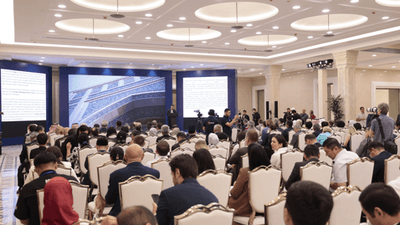
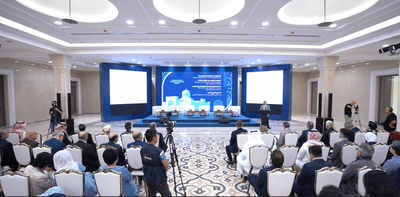
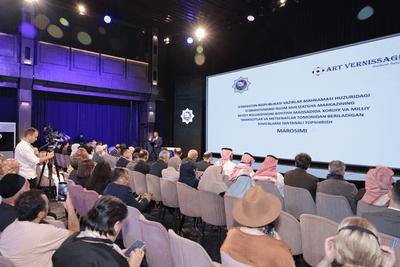
The meeting held today was attended by Firdavs Abdukhalikov, Director of the Islamic Civilization Center, Sherzodkhon Qudratkhoja, Rector of the Journalism and Mass Communications University of Uzbekistan, university faculty members, and students. The discussion centered on the priority areas for organizing dual education, reinforcing students’ theoretical knowledge through practical activity, and broadly publicizing the Center’s scientific and educational initiatives using modern media tools.
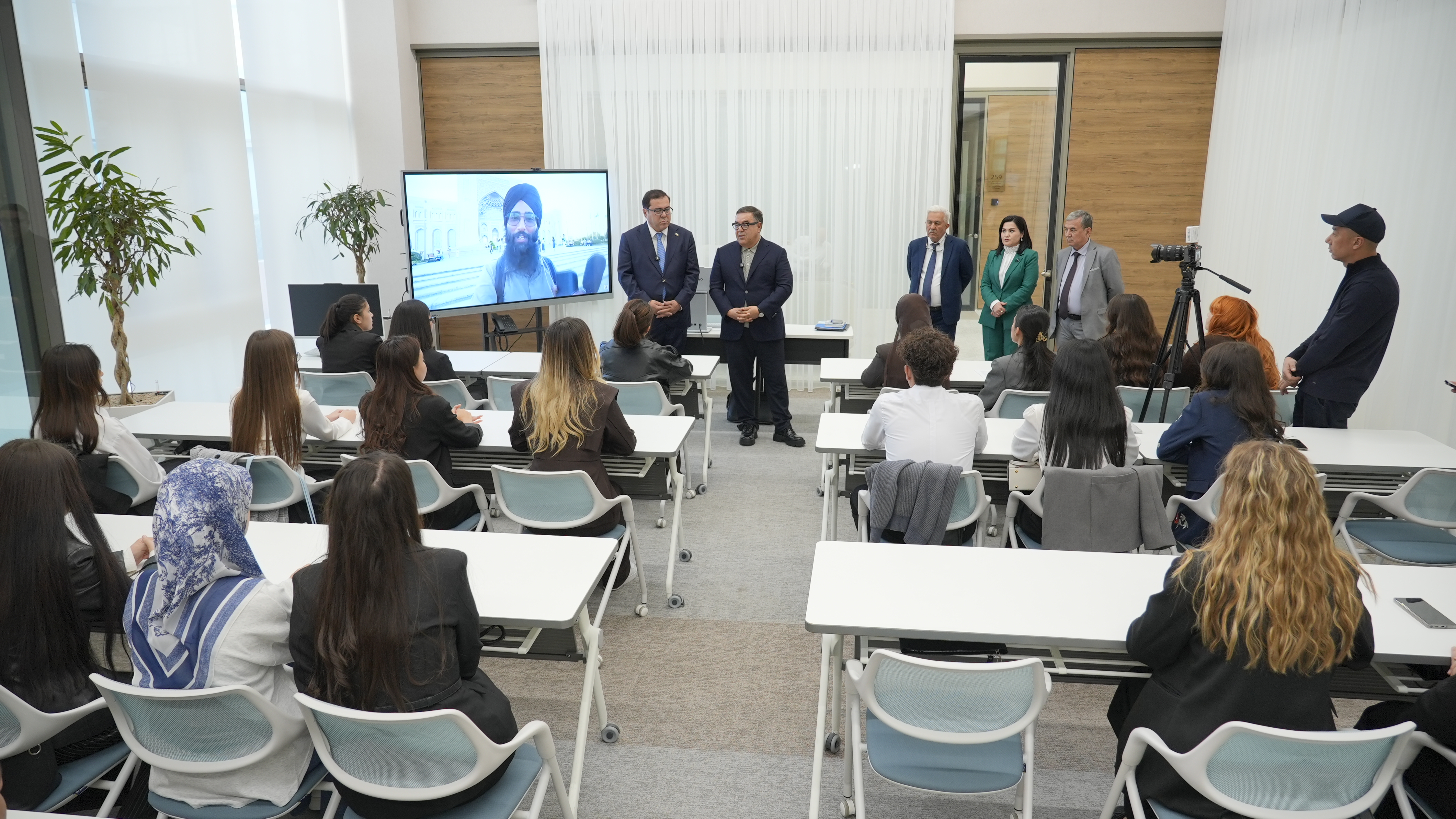
At the meeting, Firdavs Abdukhalikov, Director of the Islamic Civilization Center, emphasized the importance of bridging academic learning with real-world practice, fostering the professional growth of youth, and promoting national heritage across global and modern media platforms:
"The ‘enterprise – university – targeted specialist’ principle advanced by our President serves this purpose precisely. We see this initiative as a significant opportunity to elevate collaboration between academic study and practical experience to a new level. We also aim to involve foreign experts in this practical training. This will allow students to become closely acquainted with international experience, learn about advanced media approaches in different countries, and boost their professional skills. The experience of foreign specialists is especially valuable in conveying the rich scientific and educational heritage of the Islamic Civilization Center to an international audience.
In its core mission, the Islamic Civilization Center places special emphasis on studying historical and scientific heritage, presenting it to the broader public, and fostering a deep appreciation for knowledge and enlightenment among youth. Modern journalism and media play an indispensable role in fulfilling these objectives. Today, merely reporting information is no longer enough; it must be interpreted accurately, based on reliable sources, and presented in a way that reveals the substance and meaning of historical events and phenomena and is understandable to different audiences. The expertise of media professionals is of great importance, especially in promoting our national and universal heritage on the international stage.
We want young people to test their knowledge in practice, collaborate alongside specialists, and directly master the process of producing high-quality journalistic content!” said Firdavs Abdukhalikov.
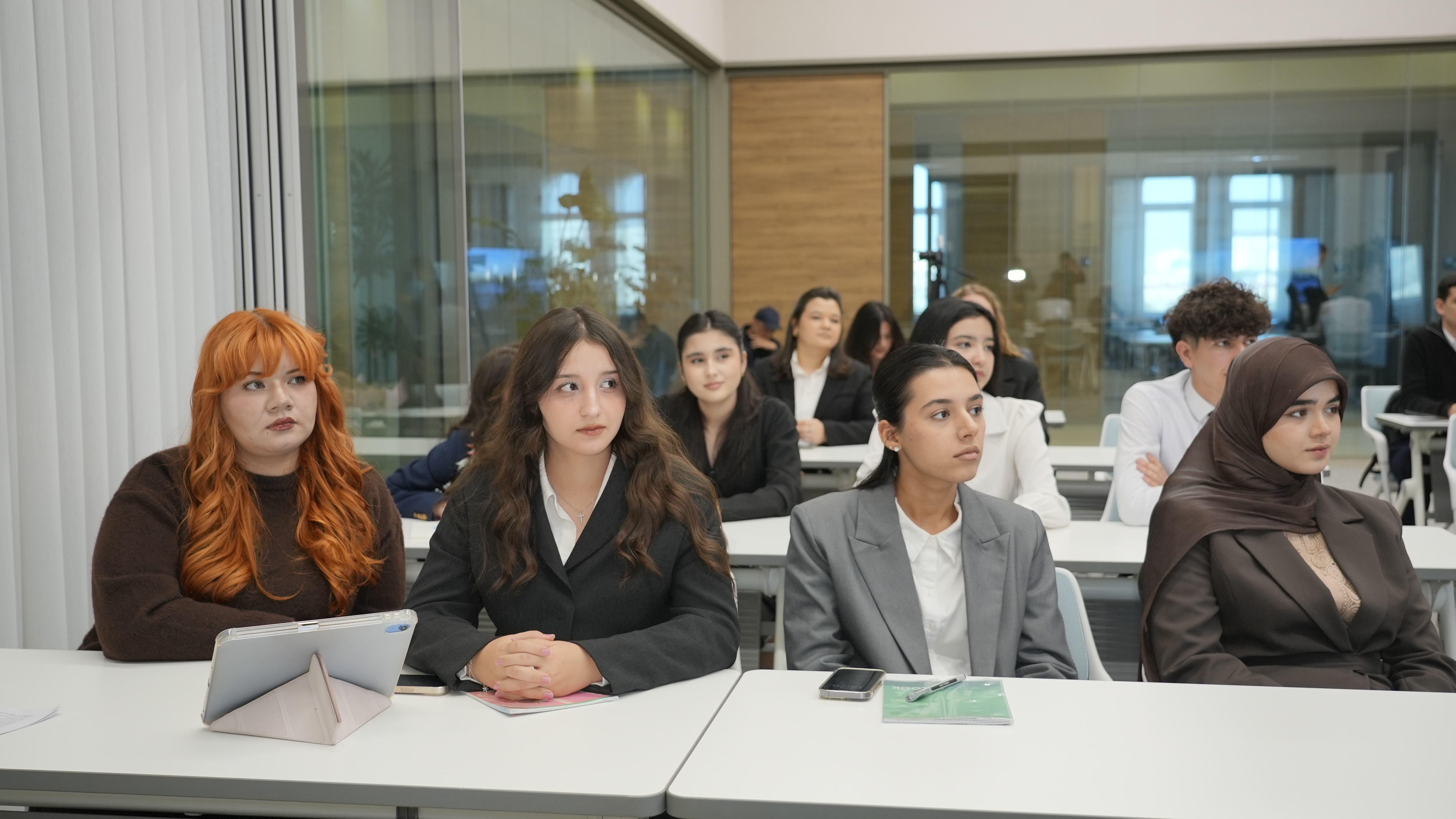
The Director of the Center also highlighted the training of guide-journalists as one of the vital areas of cooperation. According to him, scholars, researchers, media journalists, and international visitors from across the globe. To give them insightful, accurate, and engaging information about the historical exhibitions, rare manuscripts, artifacts, and the legacy of the great thinkers, a combination of skills is required: historical literacy, journalistic expertise, a culture of communication, and foreign language fluency.
“We actively support students’ dynamic participation in this process and encourage them to advance their own creative ideas and initiatives. Their modern perspective, proficiency with digital technologies, and enthusiasm for new media formats will help cover the Center’s activities more broadly,” said the Director of the Center.
Rector of the Journalism and Mass Communications University of Uzbekistan, Sherzodkhon Qudratkhoja, also spoke about the vital role of dual education in the professional training of future media journalists, noting the necessity to consolidate knowledge gained in higher education in a real working environment.
“The significance of today’s meeting is that we are taking a decisive step toward linking the educational process with the real professional environment and equipping students not only with theoretical foundations but also with practical skills.
Modern journalism is evolving rapidly. Digital technologies, social networks, multimedia platforms, and artificial intelligence are fundamentally reshaping how information is generated, distributed, and consumed. In such conditions, journalists are required to have far more than writing skills; they must possess analytical rigor, fact-checking capabilities, versatility across diverse content formats, and the ability to engage audiences effectively.
That is why hands-on experience during their academic years is vital. By applying classroom learning in a workplace setting, students gain a clearer understanding of the real demands of the profession, assess their own abilities, and prepare more thoroughly for their future careers,” said Sherzodkhon Qudratkhoja.
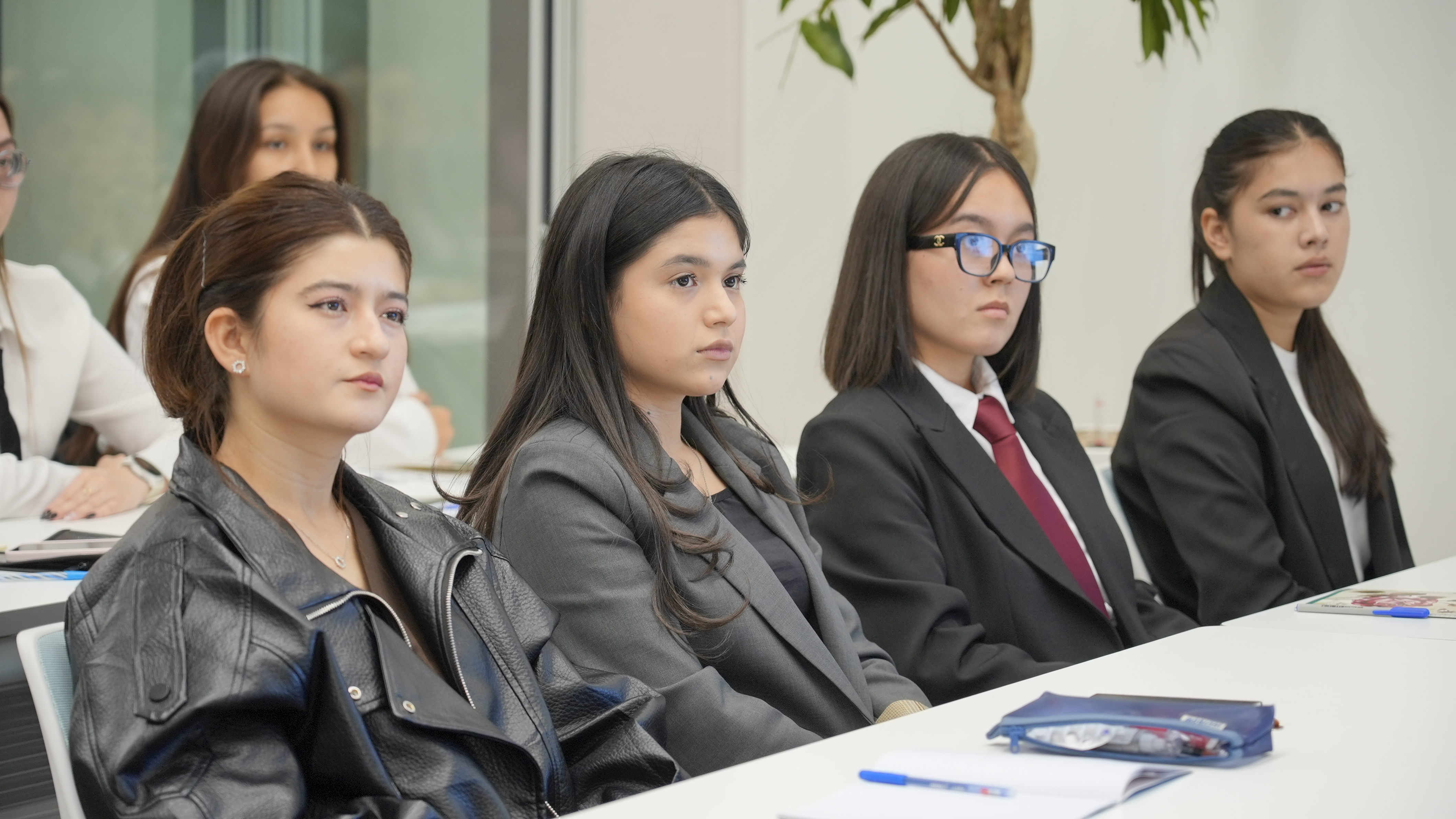
The Rector emphasized that cooperation with the Center offers students a valuable platform to explore history, science, culture, and spiritual heritage through practice, enabling them to produce multimedia reports, conduct in-depth interviews, and master diverse journalistic genres.
“Cooperation with the Islamic Civilization Center is of special importance for our students studying journalism. The Center has a rich information environment related to history, science, culture, and spiritual heritage. This environment allows students to gain hands-on experience in preparing materials in various genres, conducting interviews, creating reports, and communicating complex topics to the public in clear language. We also consider the initiative to train guide-journalists to be one of the promising areas. Such specialists must possess deep historical and cultural literacy, the skill to articulate heritage for modern audiences, and communicate effectively with foreign guests,” said the university Rector.
One of the key areas discussed at the meeting was the training of guide-journalists who can convey the historical, scientific, and spiritual-educational heritage of the Islamic Civilization Center to an international audience through modern media. Alongside core journalistic skills, these specialists must master essential skills, including the ability to present historical and cultural heritage clearly, explain the content of the exhibitions, build effective communication with visitors, and take into account the needs of foreign audiences.
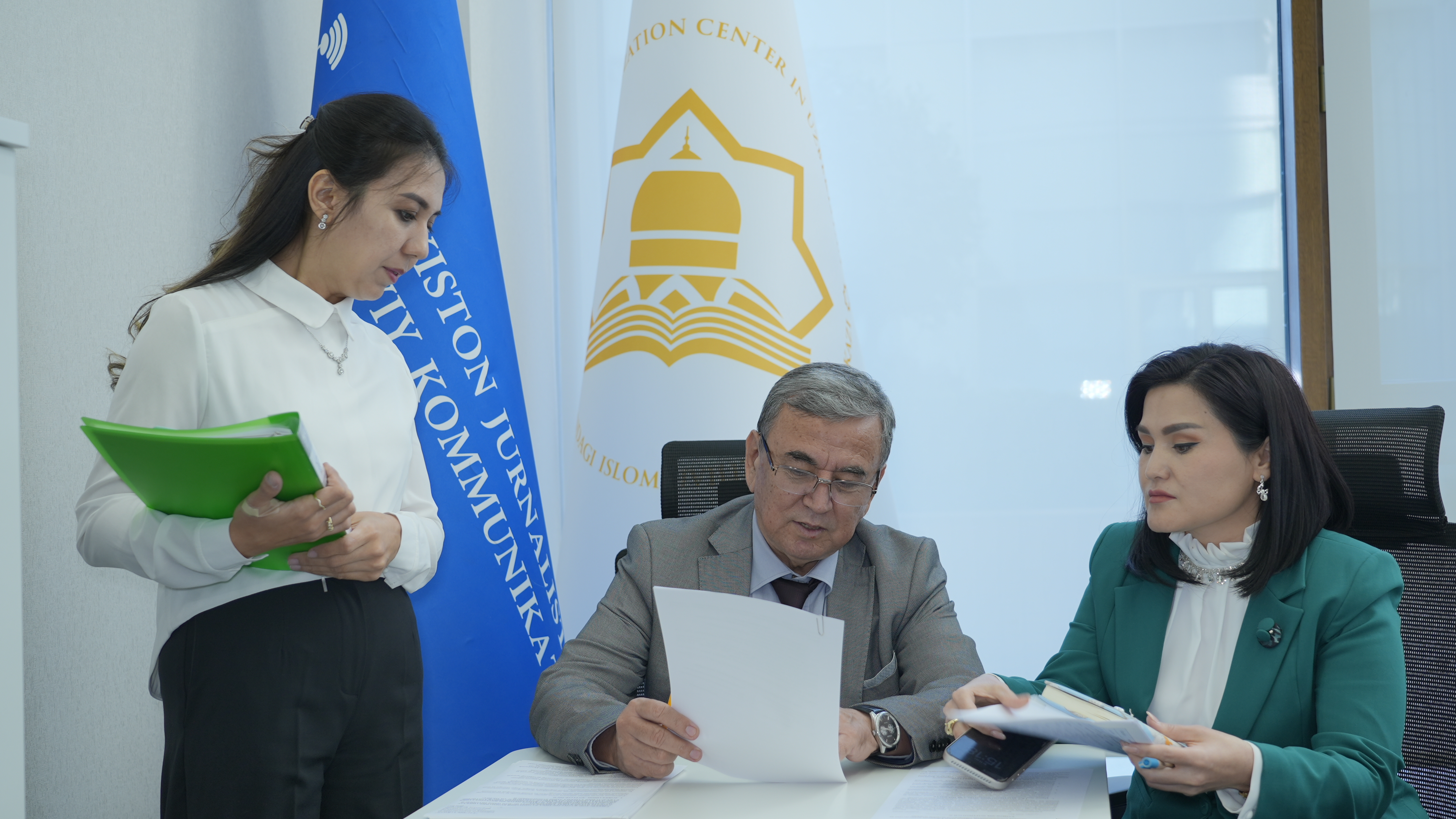
The Islamic Civilization Center is far more than a repository for historical artifacts and rare exhibits; it represents a scientific and educational space that showcases science, thought, enlightenment, and cultural heritage through innovative approaches. Covering its essence properly on the international stage demands a combination of journalistic skill, historical literacy, and cross-cultural communication skills. In this regard, the initiative to train guide-journalists can serve not only to enhance the practical capacity of future specialists, but also to bring information about the Center to a wider audience through different languages and media formats.