
President’s initiative: Descendants of the Jadids unite to pass on historical heritage to future generations
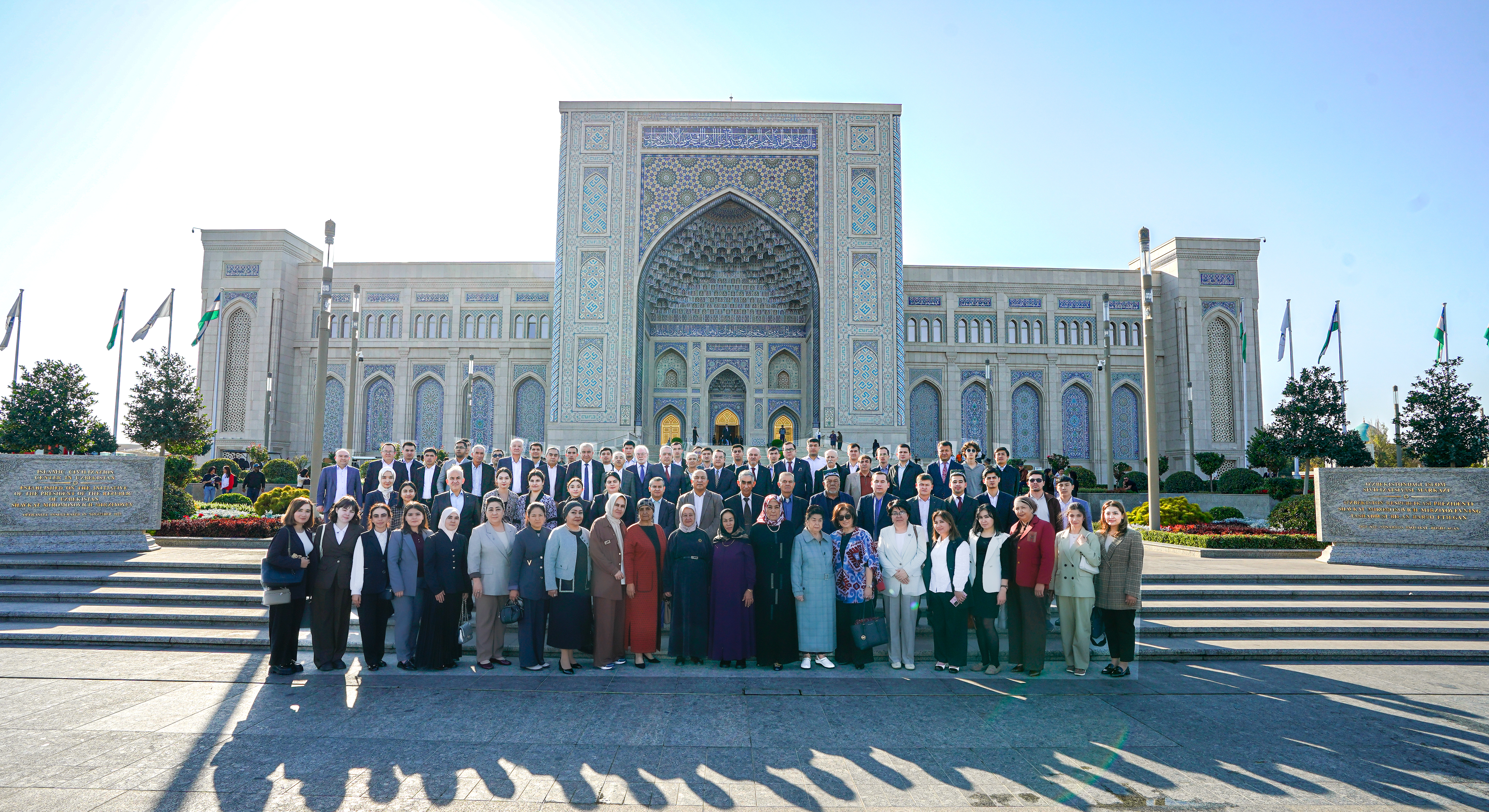
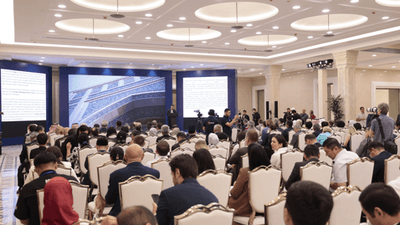
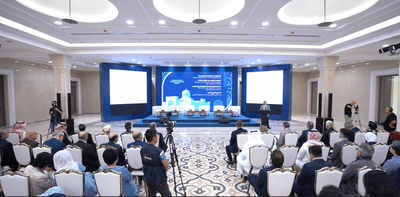
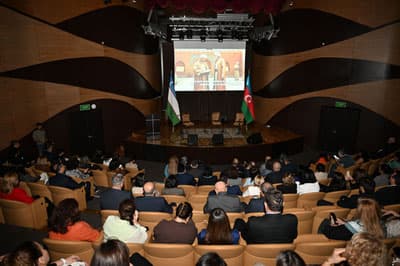
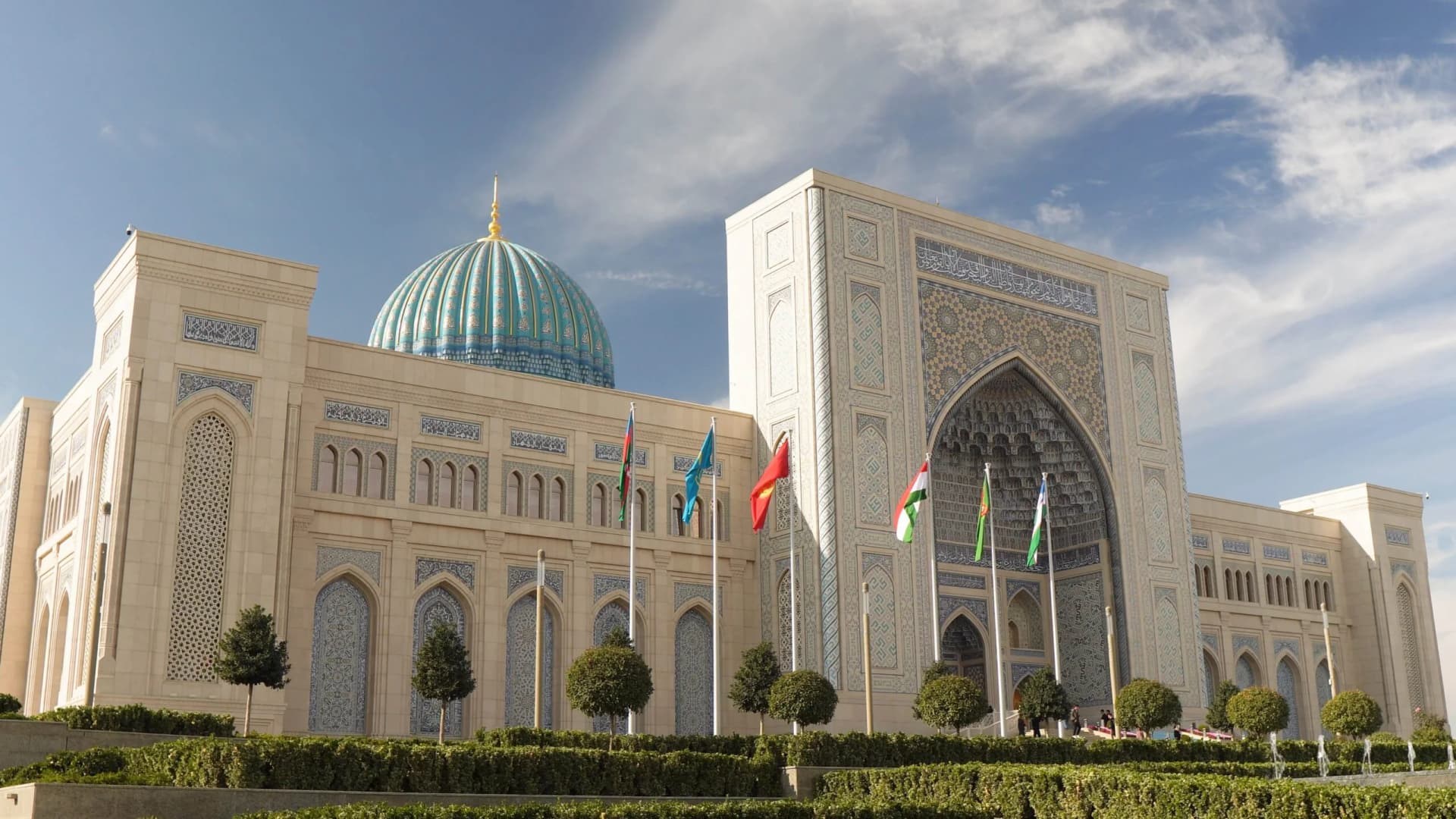
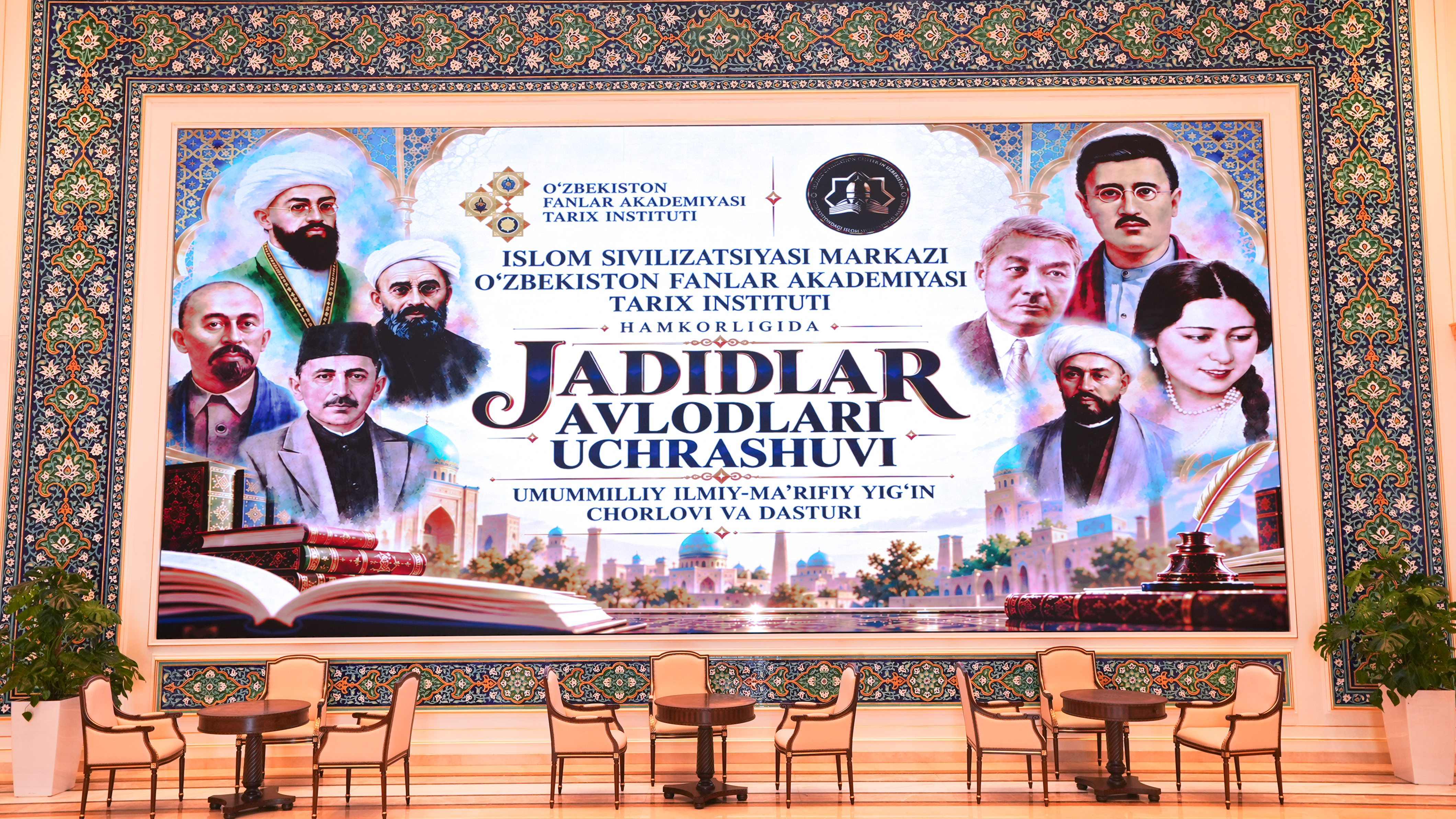
Islamic Civilization Center in Uzbekistan hosted a nationwide scientific and educational conference titled “Meeting of the Descendants of the Jadids.” Descendants of prominent representatives of the Jadid movement, historians, researchers, and intellectuals took part and discussed the complex pages of the era of national awakening, the selflessness of our enlightened ancestors, and the preservation of their rich scientific and spiritual heritage. At the meeting, initiatives were put forward to integrate family memories with scientific research, preserve historical documents, and convey the ideas of the Jadids to the modern generation.
Organized in cooperation with the Institute of History of the Academy of Sciences of the Republic of Uzbekistan and the Center, which was established on the initiative of President of the Republic of Uzbekistan Shavkat Mirziyoyev, the conference was an important step toward studying our national history in depth, honoring the memory of the representatives of the Jadid movement, and strengthening dialogue between their descendants and the scholarly community.
The Jadid movement occupies a distinguished place in history as an intellectual movement of enlightened figures who, in the late 19th and early 20th centuries, sought to lead society toward progress in Turkestan through national awakening, the renewal of education, the development of science and culture, and the creation of a national press and theater. Their activity was aimed at equipping the people with modern knowledge, fostering national self-awareness, and strengthening responsibility for the future of society.
Today, exploring the legacy of the Jadids extends beyond reconstructing historical events. It plays a vital role in connecting their forward-thinking visions with contemporary development, deepening historical awareness, and inspiring youth through education and enlightenment.
The ideas of progress that the Jadids dreamed of are finding expression in today’s reforms
Opening the conference, Academician Azamat Ziyo, Director of the Institute of History of the Academy of Sciences of Uzbekistan, highlighted the historical significance of the Jadid movement, paying tribute to the courage, determination, and enduring contributions of these enlightened thinkers to the future of the nation.
As the academician noted, the Islamic Civilization Center in Uzbekistan stands as a premier institution dedicated to showcasing the vast scientific and spiritual legacy of our ancestors while honoring national history and enlightenment. Pointing out that the socio-political conditions of their era prevented the Jadids from fully realizing their vision, the speaker emphasized that today’s landscape offers unprecedented opportunities to objectively research their lives, restore their intellectual heritage, and present it to the global public.
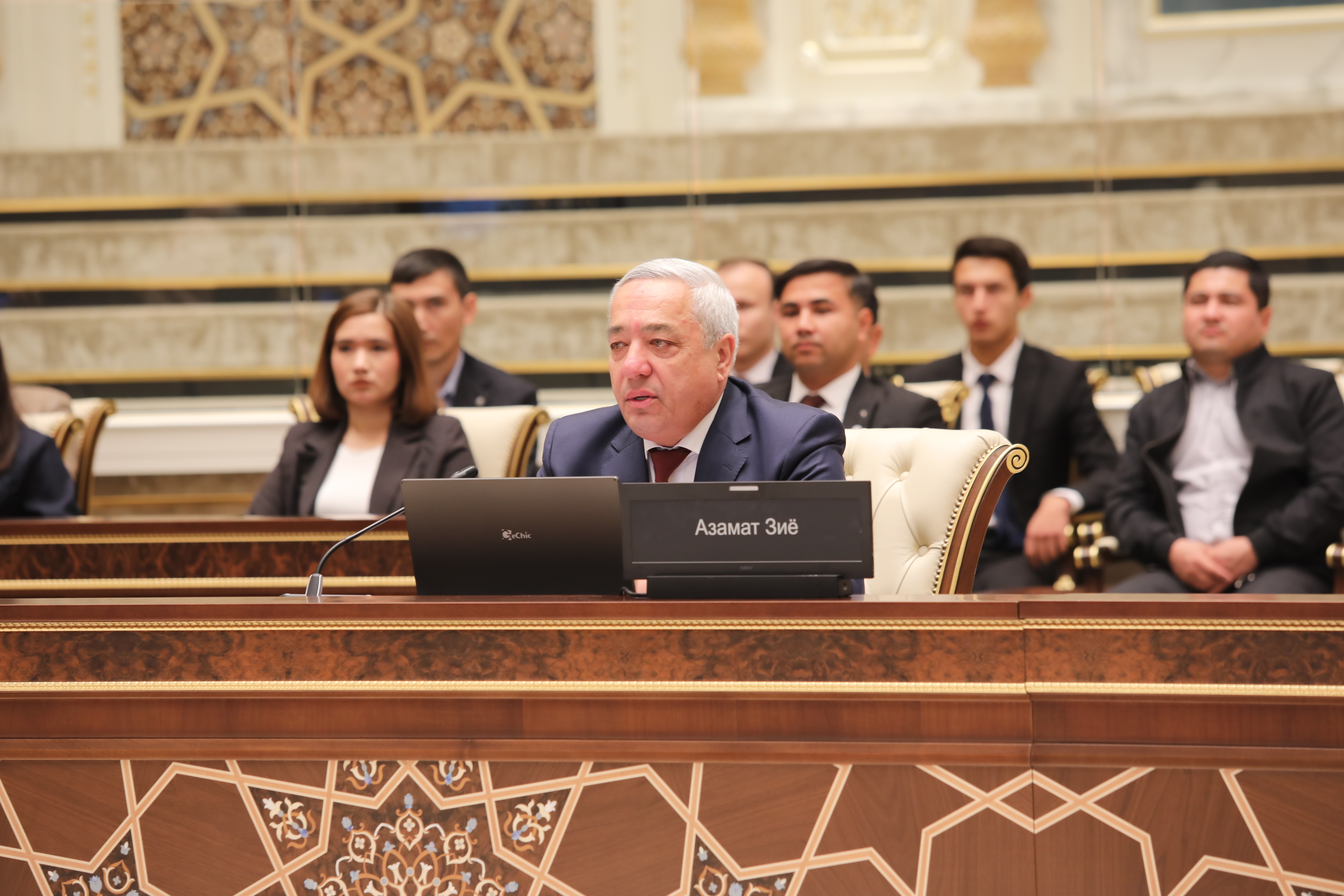
“In the late 19th and early 20th centuries, as the colonial policies of the Russian Empire intensified across Turkestan, a generation of intellectuals emerged in our homeland. They carried a deep sense of responsibility for the destiny of their people, feared no adversity, and stood prepared to sacrifice everything for the progress of their country. Had such people made up the majority in society, the historical fate and path of development of our people might perhaps have been entirely different. Today we are speaking precisely about the Jadid movement begun by these selfless people.
The historical changes taking place before our eyes in New Uzbekistan today allow us to rethink the dreams, aspirations, and ideas of our Jadids. Crucially, the time has come to take pride in their achievements, honor their memory, thoroughly examine their works, and pass this legacy on to future generations. The more profoundly we appreciate the contributions of our Jadid forefathers to national prosperity, enlightenment, and progress, the better we comprehend the historic weight of our present era,” said the academician.
In his view, bringing the descendants of the Jadids together at a single table holds profound spiritual significance. The personal narratives, memories, and records preserved across generations offer invaluable firsthand insights that can enrich academic research with vital new evidence.
“The Jadids entrusted their dreams to us”
In his welcoming remarks, Firdavs Abdukhalikov, Director of the Islamic Civilization Center in Uzbekistan, addressed the enduring educational ideals of the Jadids, their tragic fate, and the historical responsibility carried by today’s generation.
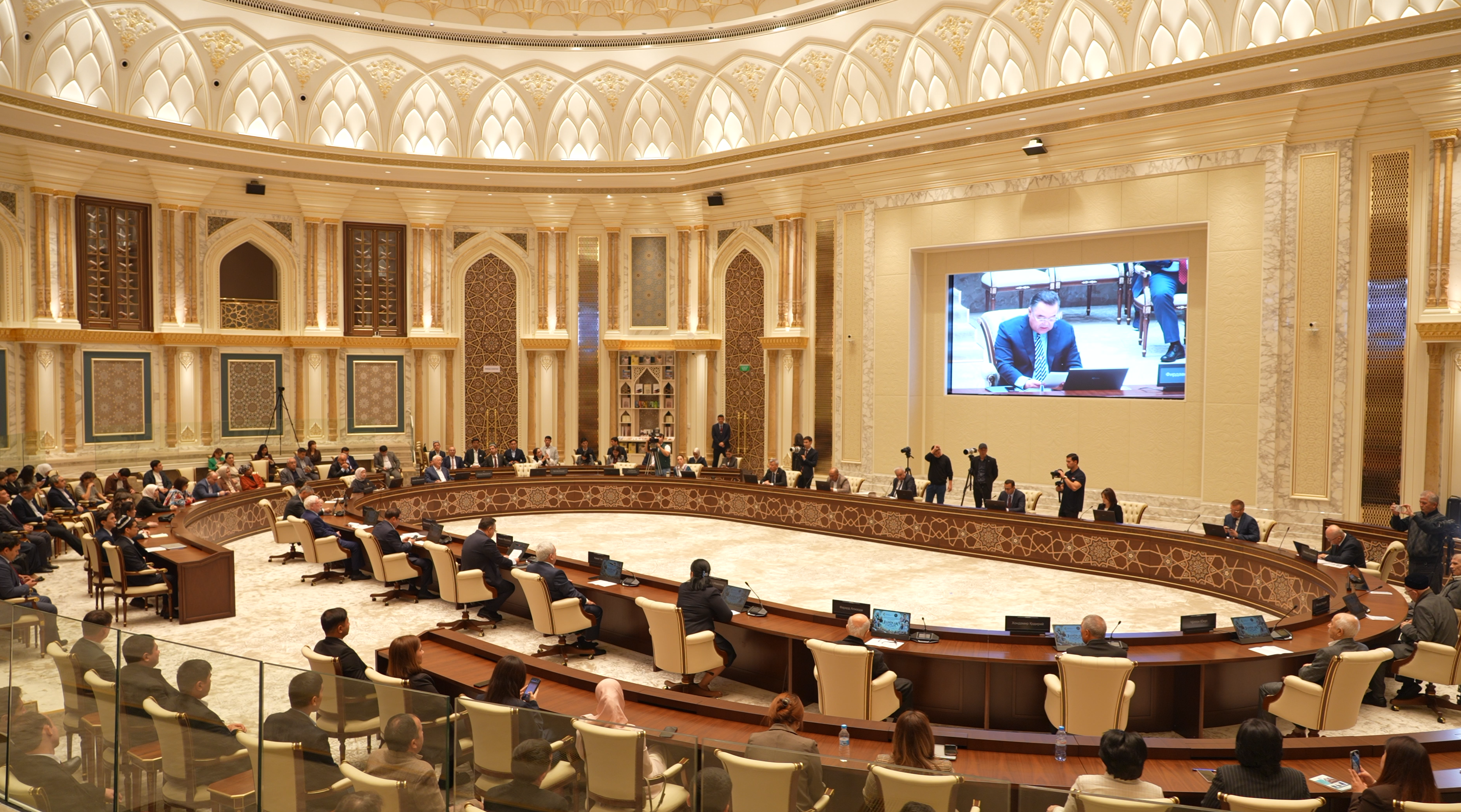
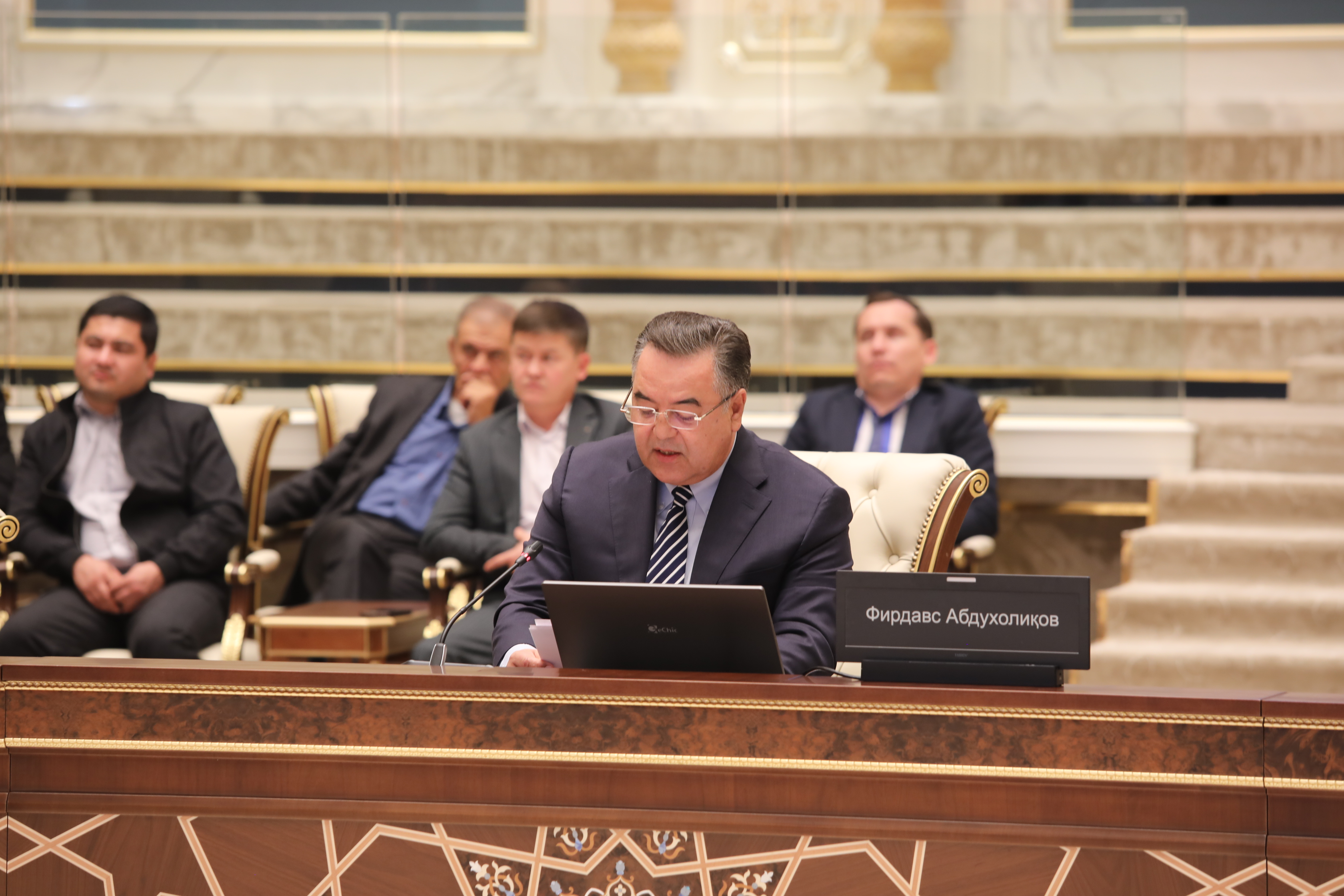
He emphasized that one of the Center’s primary missions is to preserve the legacy of our ancestors, integrate it with modern knowledge and scientific research, and educate the younger generation in the spirit of enlightenment.
“Following the initiative of our President, we organized this gathering of generations today. Our foremost goal is to study the rich spiritual heritage of our Jadid forefathers in depth, while also strengthening the enduring ties among their descendants of the Jadids.
Our ancestors left us an invaluable treasure accumulated over centuries. It is our duty to enrich it with contemporary knowledge and scientific discoveries, carrying forward the mission of enlightenment begun by our Jadid forefathers. They entrusted their dreams to us, and we have both the responsibility and the capability to bring these aspirations to fruition for future generations,” stated Firdavs Abdukhalikov.
Firdavs Abdukhalikov noted that attention to studying and promoting the legacy of the Jadids is now being paid at the level of state policy. He also stated that the idea “Enlightenment against Ignorance,” put forward by President Shavkat Mirziyoyev at the 72nd session of the UN General Assembly in 2017, remains vital to fostering knowledge, education, and mutual tolerance.
The Jadid movement: a movement leading to national progress and enlightenment
Dilnoza Jamolova, Doctor of Historical Sciences, Professor, and Deputy Director for Research of the Institute of History of the Academy of Sciences of the Republic of Uzbekistan, focused on the historical roots of the Jadid movement, its role in national development, and the enlightenment ideas underlying it.
According to the scholar, the Jadid movement arose on the basis of scientific and educational traditions formed over centuries in the land of Turan and the aspiration to advance society. What distinguished the Jadids from earlier periods of awakening was that, without strong political backing, they united independently to restore national statehood, elevate public education, and bring society onto the path of modern development.
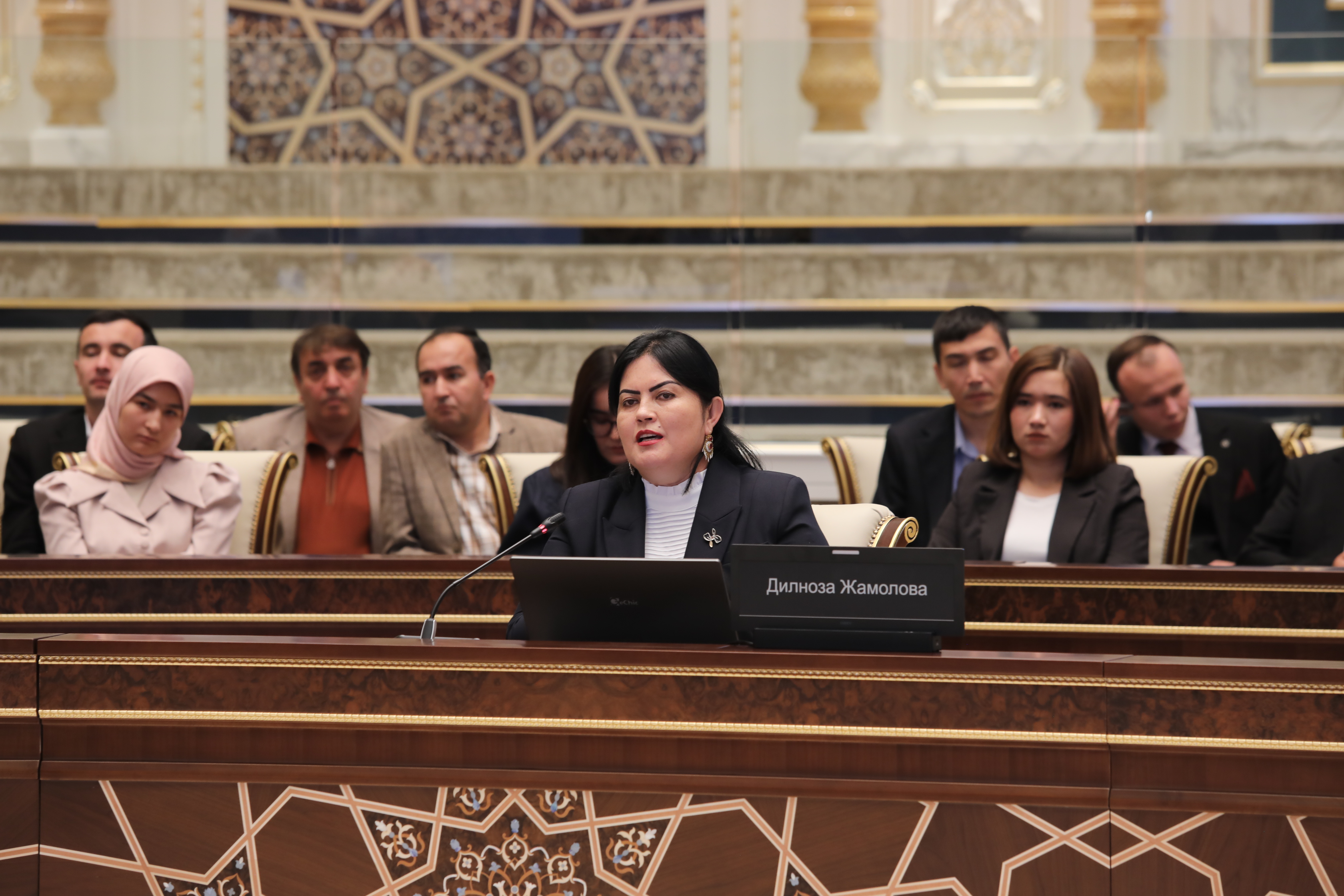
“The Jadid national movement is not one that emerged on barren ground. The scientific and educational traditions formed during earlier periods of awakening in the land of Turan, an ancient seat of progress, became an important foundation for the Jadids’ activity. However, what distinguished them from earlier periods of awakening was that there were no rulers or strong political backing to support the Jadids. They united on their own and acted to restore national statehood, to raise Turan’s former progress anew, and to enlighten the people,” said Dilnoza Jamolova.
According to her, the Jadids launched their mission by transforming education. They sought to bring about fundamental changes in society by teaching young people using the new method, supporting their study abroad, attracting sponsorship funds, and developing the national press and theater.
The scholar underscored that any comprehensive assessment of the Jadid legacy requires examining their religious scholarship, reformist perspectives, and vision for social advancement together. Rather than viewing the movement as a closed historical chapter, researchers should explore its profound impact on education, culture, economic thought, and civic life.
Dilnoza Jamolova also detailed recent research dedicated to tracing the living descendants of the Jadids and recording their personal accounts. She noted that when the concept for the “Jadidlar.uz” platform was first discussed in 2023, data existed for only a handful of families. Through targeted archival and field research, scholars have since identified nearly 150 descendants and documented their oral histories.
This experience once again demonstrates the importance of oral history. Family memories make it possible to study events and personal experiences not reflected in official documents, to compare existing information with other sources, and to gather new evidence for future research.
“The legacy of the Jadids is an important spiritual foundation for the development of New Uzbekistan”
Sherzodkhon Qudratkhodja, Rector of the Journalism and Mass Communications University, emphasized the necessity of aligning the Jadid intellectual heritage with modern development, communicating their core ideals to contemporary youth, and shedding light on lesser-known chapters of our national history.
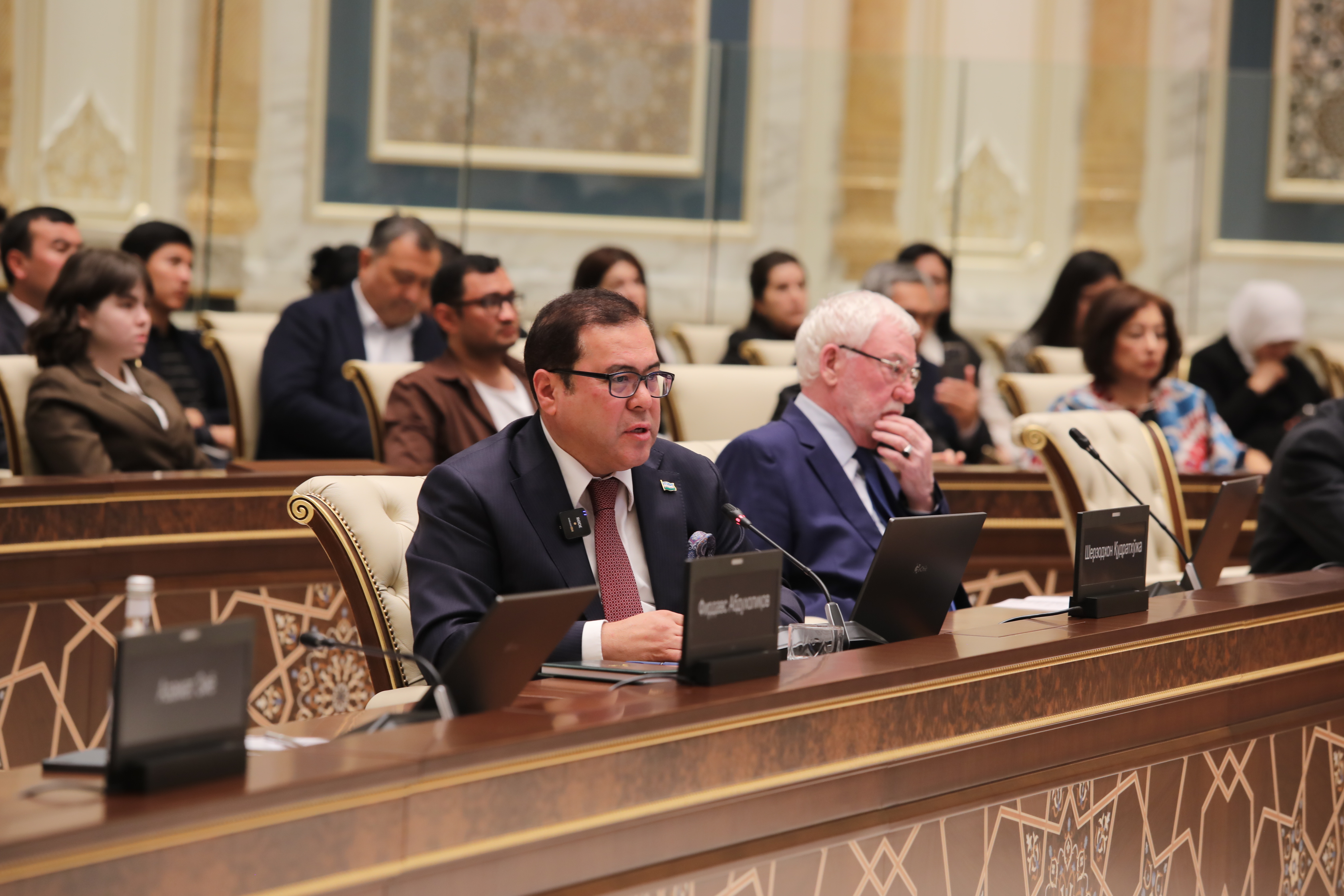
“Our Jadid forefathers dedicated their lives to the spiritual awakening of the nation, to enlightenment, and to progress. They strived to broaden the people’s worldview, foster education, and restore Turkestan’s historical potential. Their lives and work remain a vital lesson for us today. After all, today’s independence and freedom did not emerge on their own: they are rooted in the aspirations, struggles, and sacrifices of our ancestors,” said Sherzodkhon Qudratkhodja.
He emphasized that the Jadid heritage must be approached not merely as historical memory, but as an essential spiritual foundation for the development of New Uzbekistan and the advancement of science and enlightenment.
The meeting also presented information on the initiative to create the international digital archive “Memory of the Jadids” in cooperation with “Young Researchers.” With the consent of family members and following rigorous scholarly verification, the project aims to consolidate letters, photographs, manuscripts, and personal recollections preserved by descendants into a unified digital repository.
This archive will help illuminate lesser-known aspects of our past, create an authoritative source base for researchers, and ensure the Jadid legacy is preserved for future generations. Additionally, participants explored innovative ways to present this historical material to the broader public using modern media formats and artificial intelligence.
The memory of generations: a living source of history
One of the meeting’s central highlights was a direct dialogue with the living descendants of prominent Jadid figures. They shared personal recollections preserved within their families, recounted pivotal historical events, and expressed their reflections on the enduring heritage of their ancestors.

Shohrukh Behbudiy, grandson of Mahmudkhuja Behbudiy, noted that the opportunities created during the years of independence are of great importance in studying his ancestor’s work. According to him, his family has preserved information such as that Behbudiy wrote the play “Padarkush” (The Patricide), published a newspaper, and founded a library. However, the scale of his work and ideas on the path of national progress has come to be understood even more deeply in recent years.
“In our modern history, I think the true heroes are the Jadids. Because what they did, opening schools at their own expense, publishing newspapers, founding libraries, opening theaters, is not something just anyone could do. It took courage to do these things,” said Shohrukh Behbudiy.
He emphasized that Mahmudkhuja Behbudiy’s views on mastering modern science and making the people literate remain relevant today. For descendants, studying their ancestors’ lives means not only preserving family memory but also striving to continue the work of enlightenment they began.
Maqsuda Obidjonova, granddaughter of Obidjon Mahmudov, noted that such meetings create an important opportunity to restore the names of historical figures who went unmentioned for many years and to bring their descendants’ memories to the public.
According to her, the recognition given to the life and work of Obidjon Mahmudov during the years of independence, along with the honoring of his intellectual legacy, carries immense spiritual importance for his family. Obidjonova stressed that the Jadids’ devotion to educating the public, enriching culture, and serving society should serve as a guiding example for contemporary youth.
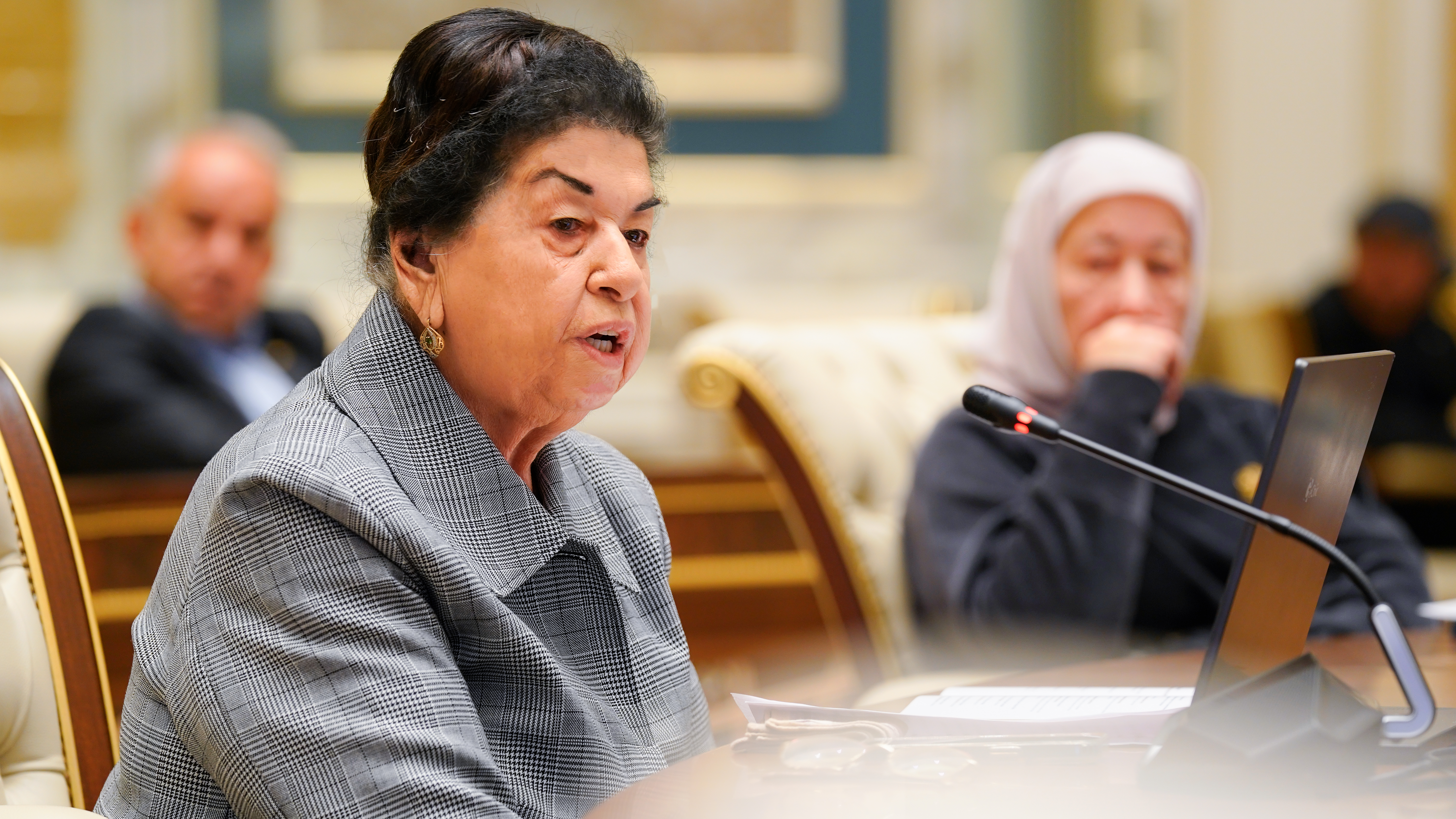
“The Jadids never used the wealth they earned merely for personal comfort. Instead, they channeled their resources into the welfare of the people, the state, and public enlightenment. They strove to educate the people, to make them cultured, and to develop the city,” said Maqsuda Obidjonova.
She added that current initiatives honoring the Jadid legacy inspire young people to look to their ancestors as role models, pursue high-level education, and actively contribute to the nation’s progress.
Dialogues were also held at the meeting with descendants of other enlighteners, including Saidrizo Alizoda, Abdukodir Shakuri, Hoji Muin, Vadud Mahmud, Pulat Soliyev, Musojon Saidjonov, Hasankhon Niyoziy, and Maryam Sultonmurodova. These focused on preserving the documents, photographs, books, and memories kept in family archives and on involving them in scholarly study.
The personal memories of descendants can serve as an important source for enriching existing perceptions of the Jadids’ activity, studying their lives and work from new angles, and reliably conveying historical information to future generations.
Preserving historical heritage: a responsibility to the future
The nationwide scientific and educational conference “Meeting of the descendants of the Jadids” became an important platform for fostering a deeper understanding of the Jadid movement’s historical significance, bridging family memories with academic research, safeguarding historical sources, and integrating them into active scholarly circulation.
The views expressed and the initiatives put forward at the conference showed the need to further strengthen efforts aimed at developing Jadid studies, digitizing historical documents, expanding cooperation with descendants, and promoting the legacy of our enlightened ancestors through modern methods.