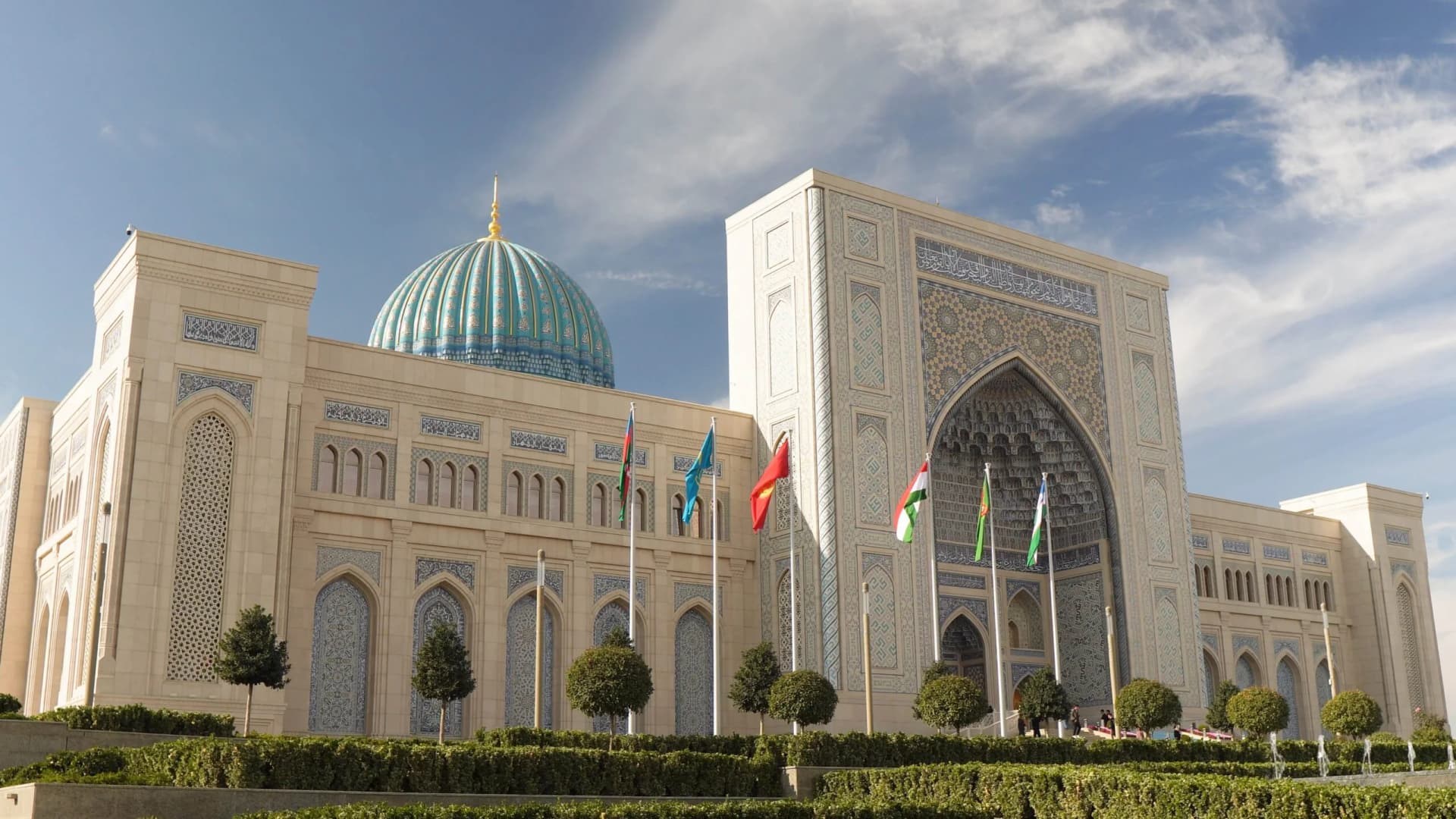

The Islamic Civilization Center in Uzbekistan Took Part in the International Tolerance Forum
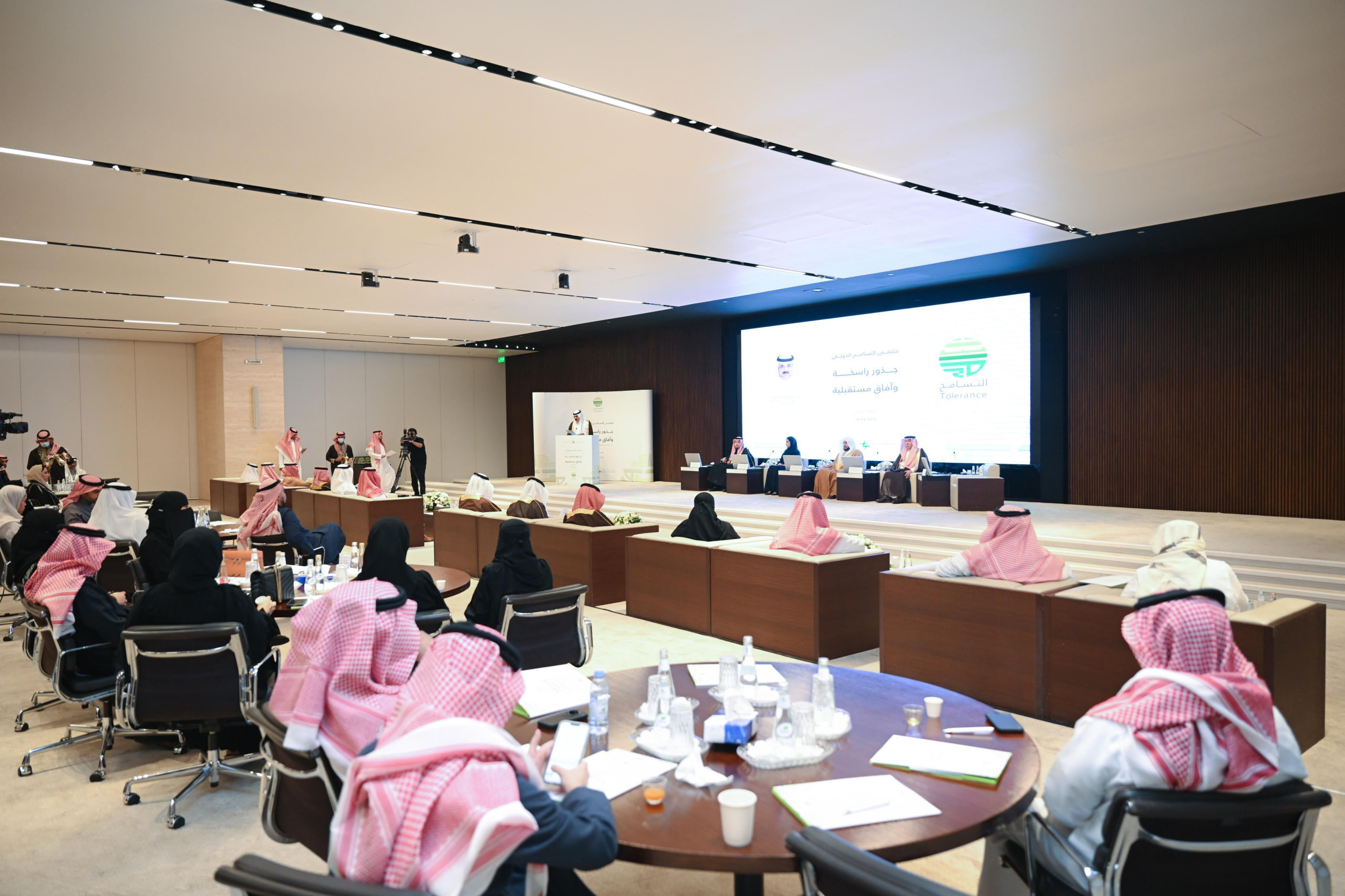
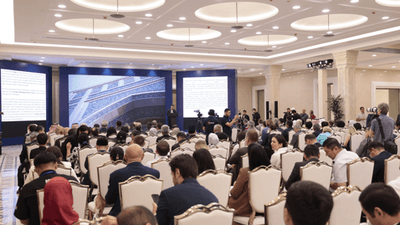
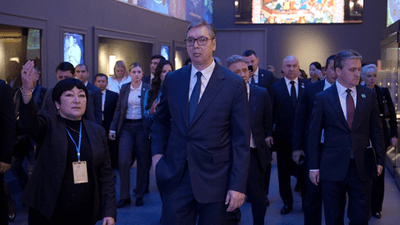
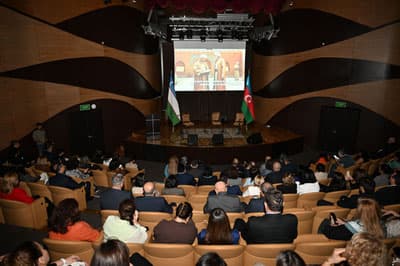
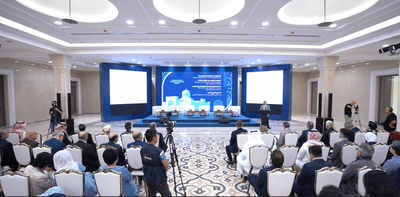
On 16 November of this year, the International Tolerance Forum, themed “Strong Roots and Future Prospects,” was held in Riyadh, the capital of Saudi Arabia. Firdavs Abdukhalikov, Director of the Islamic Civilization Center in Uzbekistan, took part online and delivered a presentation entitled “Enlightenment against Ignorance: Uzbekistan’s Experience of Religious Tolerance.”
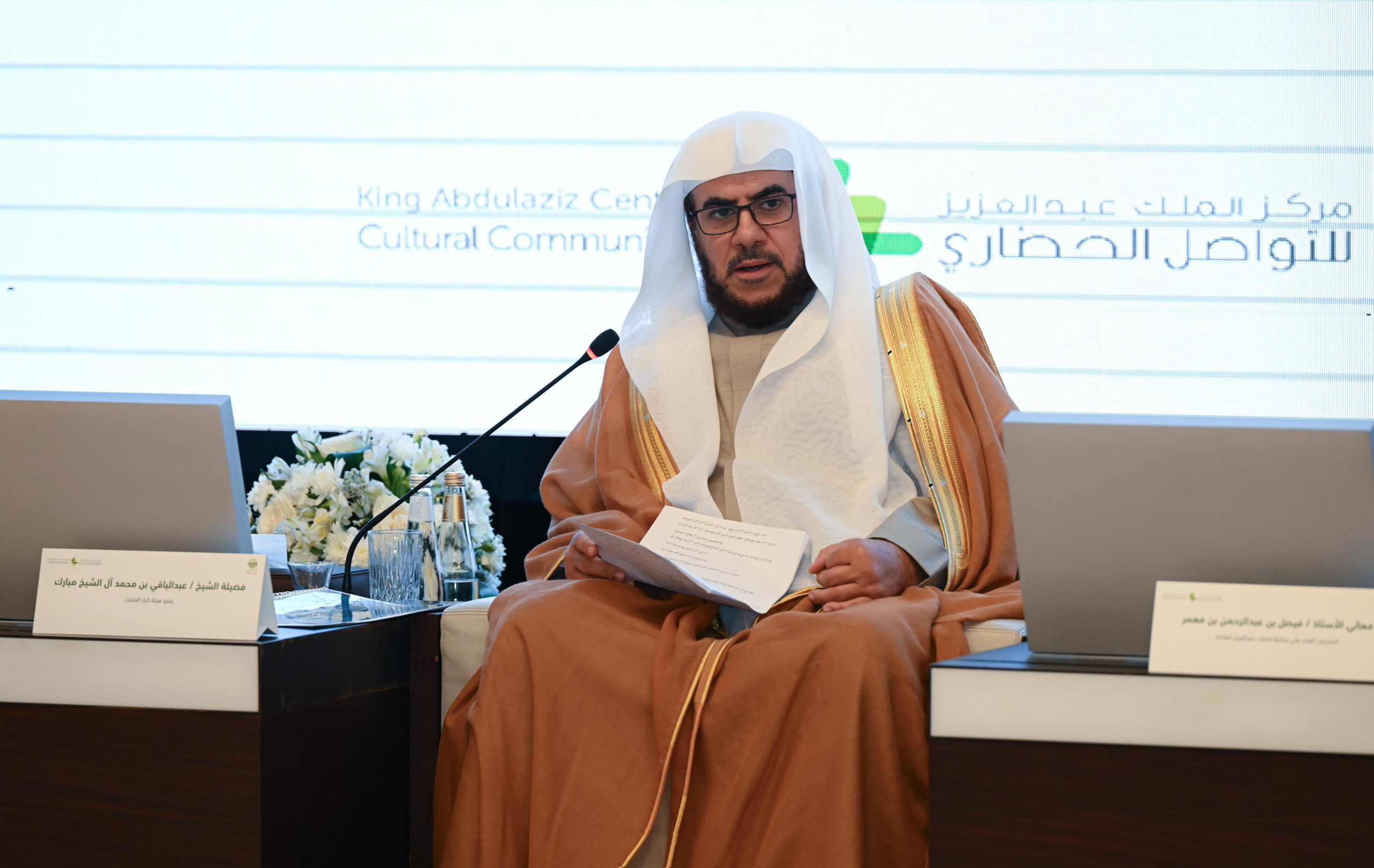
The event, held at the headquarters of the King Abdulaziz Center for National Dialogue, was attended by Sheikh Abdulbaqi bin Muhammad Al ash-Sheikh Mubarak, member of the Council of Senior Scholars of Saudi Arabia; Princess Lamia bint Majed Al Saud, Secretary General of Alwaleed Philanthropies; Hanin Al-Faris, Head of the Office of the Secretary-General of the Digital Cooperation Organization; Faisal bin Abdulrahman bin Muaammar, Director General of the King Abdulaziz Public Library; and international experts.
The forum discussed the Islamic foundations of religious tolerance, its historical and civilizational roots, the fostering of an atmosphere of mutual respect in the family, education and society, as well as countering extremism and hate speech in the digital age.
In his presentation, Firdavs Abdukhalikov spoke about Uzbekistan’s historical and contemporary experience in ensuring religious tolerance, the international significance of the “Enlightenment and Religious Tolerance” concept put forward on the initiative of President Shavkat Mirziyoyev, and the work of the Islamic Civilization Center in Uzbekistan in this area.
In particular, it was noted that the adoption by the UN on 12 December 2018 of the “Enlightenment and Religious Tolerance” resolution, proposed on the initiative of President Shavkat Mirziyoyev at the 72nd session of the UN General Assembly in 2017, was an important outcome of Uzbekistan’s efforts to strengthen peace, mutual respect and tolerance worldwide.
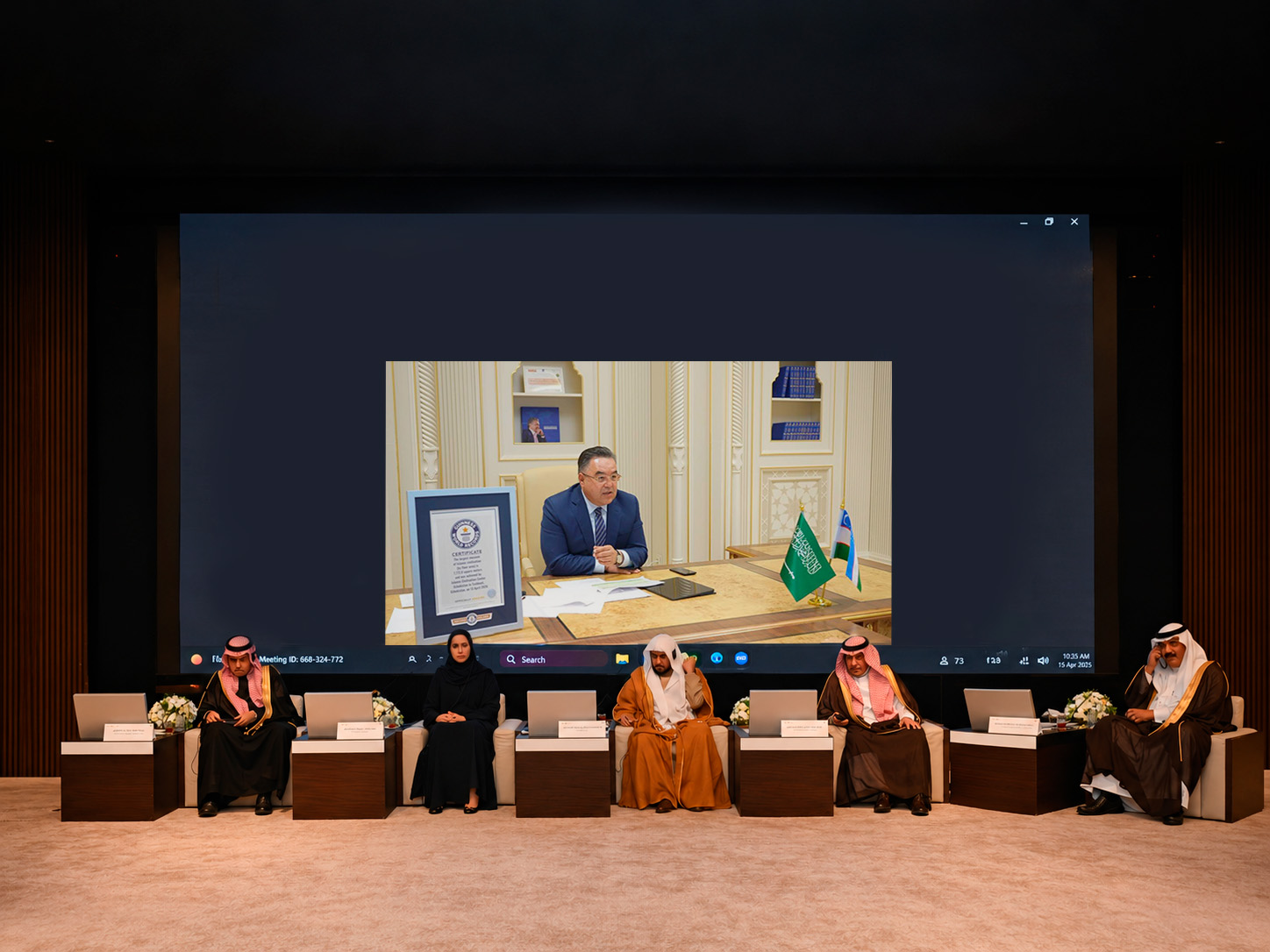
Linking the essence of this initiative to the work of the Islamic Civilization Center in Uzbekistan, the speaker emphasized that the Center’s main goal is to promote knowledge and enlightenment widely, to study historical heritage in depth and to uphold human dignity.
“The ‘Enlightenment and Religious Tolerance’ concept, put forward on the initiative of our President Shavkat Mirziyoyev, is today gaining considerable importance at the international level as well. This resolution, proposed at the 72nd session of the UN General Assembly in 2017 and adopted by the UN in 2018, is an important initiative aimed at strengthening peace, mutual respect and tolerance around the world.
The core idea of the Islamic Civilization Center in Uzbekistan is founded on precisely this principle. Everyone who sets foot in the Center is greeted by a call to knowledge: read, learn, be enlightened! Understand your history, get to know the world, value human dignity! Ignorance has neither nationality nor borders. It can fuel extremism and intolerance in any society. That is why strengthening enlightenment and tolerance is our shared responsibility,” said Firdavs Abdukhalikov.
The presentation stressed that, in today’s global information space, Islamophobia, the misinterpretation of religious values and the spread of unfounded perceptions are becoming serious problems. In such circumstances, it is essential to widely promote objective knowledge, historical truth and media literacy, and to instill in the younger generation a sense of respect for different cultures and beliefs.
It was also noted that representatives of more than 130 nations and ethnic groups, as well as citizens belonging to 16 religious denominations, live together in peace and harmony in Uzbekistan. Constitutional guarantees of freedom of conscience and state policy in the religious sphere were highlighted as important factors in strengthening an atmosphere of tolerance in society.
Firdavs Abdukhalikov also dwelt on the significance of the Islamic Civilization Center in Uzbekistan as a modern scientific and educational institution that fosters mutual respect between different peoples and religions, educational dialogue and an understanding of shared historical heritage.
It was emphasized that the inclusion in the Center’s exhibitions of heritage items related to the history of Buddhism, Zoroastrianism and Christianity, alongside Islamic civilization, is a practical expression of the principle of respect for different cultures and beliefs.
Information was also provided on the Center’s international recognition: it has been registered by Guinness World Records as the world’s largest museum of Islamic civilization by area, included among the most beautiful museums of 2026 within the framework of the Prix Versailles international award, and recognized by TURKSOY as the “Best Museum of the Turkic World.”
The presentation also mentioned the initiative for the “Enlightenment against Ignorance in the Digital Age” international program, put forward by President Shavkat Mirziyoyev at a meeting held within the framework of the Aqaba Process in Astana on 6 November 2026. The program, which is proposed to be implemented on the basis of the Center, covers such areas as creating multilingual educational resources, training religious figures to work in the digital information environment and supporting young researchers.
In addition, the speaker discussed the historical and spiritual ties between Uzbekistan and Saudi Arabia and the shared scholarly heritage that unites the two peoples. The fact that Imam al-Bukhari, born in Bukhara, studied in Mecca and Medina was noted as a vivid example of the historical and spiritual bonds between the two countries.
It was stated that the Center is ready to work with international partners on studying and digitizing manuscripts, organizing joint scholarly publications and exhibitions, creating multilingual digital materials promoting the humanitarian values and tolerance of Islam, and implementing joint educational programs for young researchers and educators.
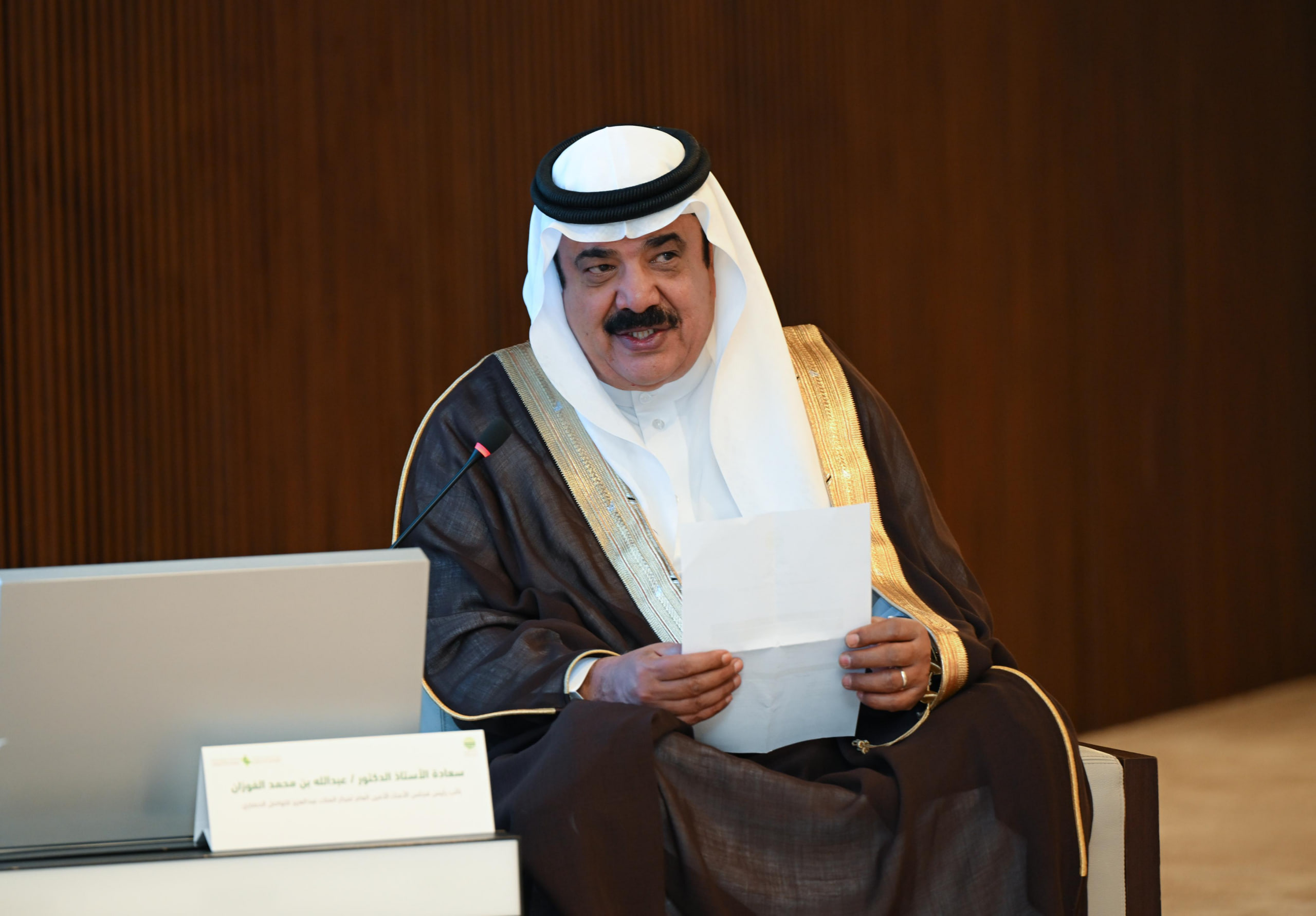
Other forum participants likewise described tolerance as an essential condition for social stability, peaceful coexistence and mutual solidarity. In particular, Faisal bin Abdulrahman bin Muaammar, Director General of the King Abdulaziz Public Library, emphasized in his remarks that tolerance, dialogue, cooperation and peaceful coexistence are closely interrelated concepts.
In his view, true tolerance is not limited to merely acknowledging the existence of others. It also requires justice, equality, respect for human dignity and rights, and a readiness to engage in dialogue with people of different views and beliefs. It is important to regard cultural, religious and ideological differences in society not as a source of conflict, but as an opportunity for mutual understanding and progress.
Faisal bin Abdulrahman bin Muaammar also drew attention to the role of education and upbringing in this process. He stressed that building a culture of tolerance should begin in childhood, and that an environment based on mutual respect should be established in families, schools and educational institutions. Knowledge and enlightenment are an important means of preventing misconceptions, unfounded stereotypes and discrimination among people.
Sheikh Abdulbaqi bin Muhammad Al ash-Sheikh Mubarak, member of the Council of Senior Scholars of Saudi Arabia, in turn spoke about the solid foundations of religious tolerance in Islamic teachings. He emphasized that throughout the nearly fourteen-century history of Islam, special attention has been paid to compassion, mercy, mutual respect and reconciliation among people.
According to Sheikh Abdulbaqi, differences in belief and culture should not give rise to hostility among people, but should instead serve mutual understanding, cooperation and solidarity. The teachings of Islam, grounded in mercy and tolerance, call for peaceful coexistence with people of different views and beliefs and for respect for human dignity.
The views expressed at the forum demonstrated that religious tolerance is not merely a theoretical concept, but an important value that must be manifested in everyday life, education and upbringing, public relations and interstate cooperation. In this regard, enlightenment, open dialogue, mutual trust and respect for human rights are among the key factors in ensuring peace and stability in the world.
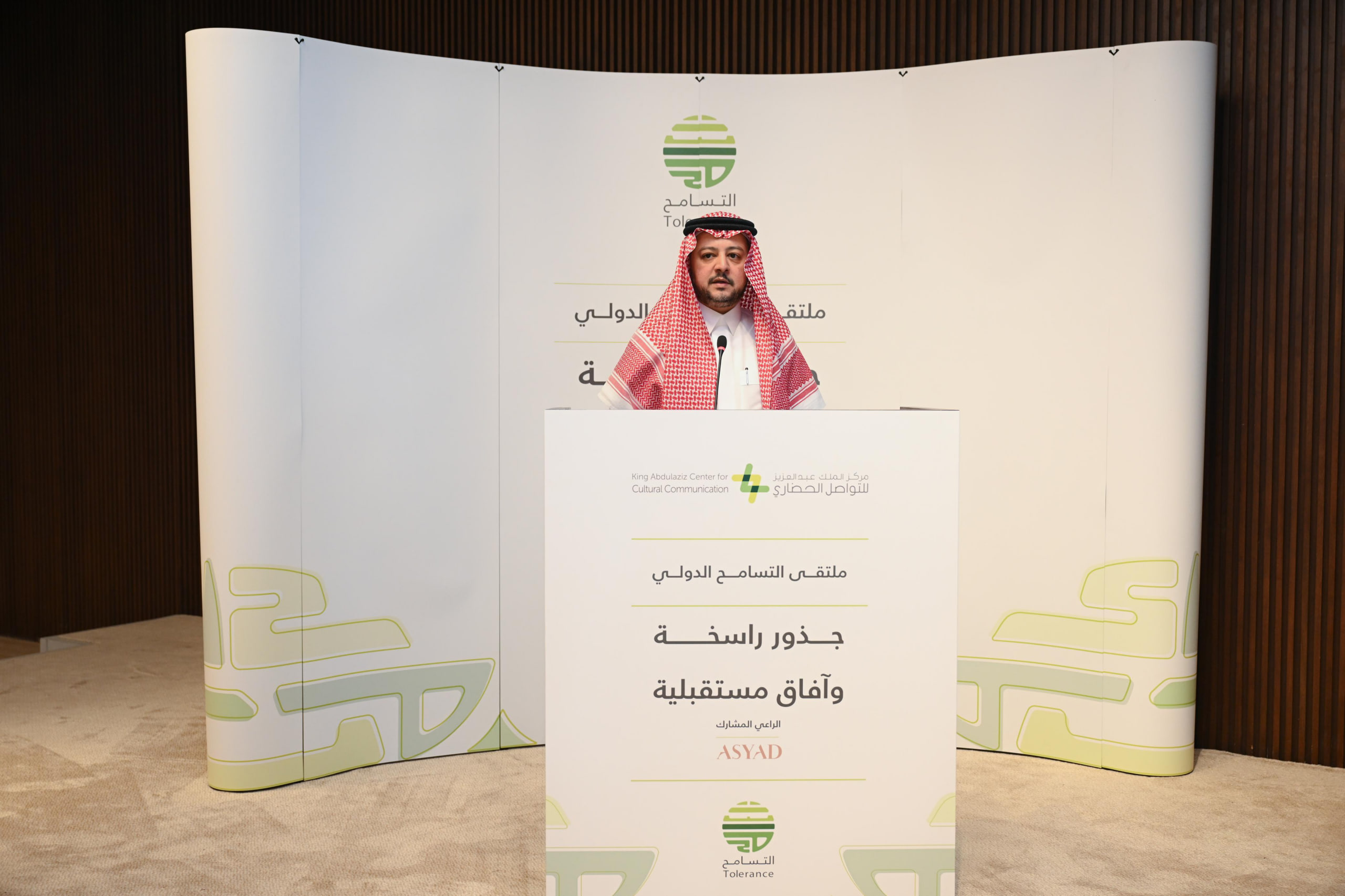
At the conclusion of the forum, participants exchanged views on strengthening tolerance in family, educational and public life, developing dialogue between different cultures, and making effective use of modern information technologies to promote humanitarian values.
This article was automatically translated using artificial intelligence.