
A media project is being created about the progressive poet, thinker, and publicist Furqat
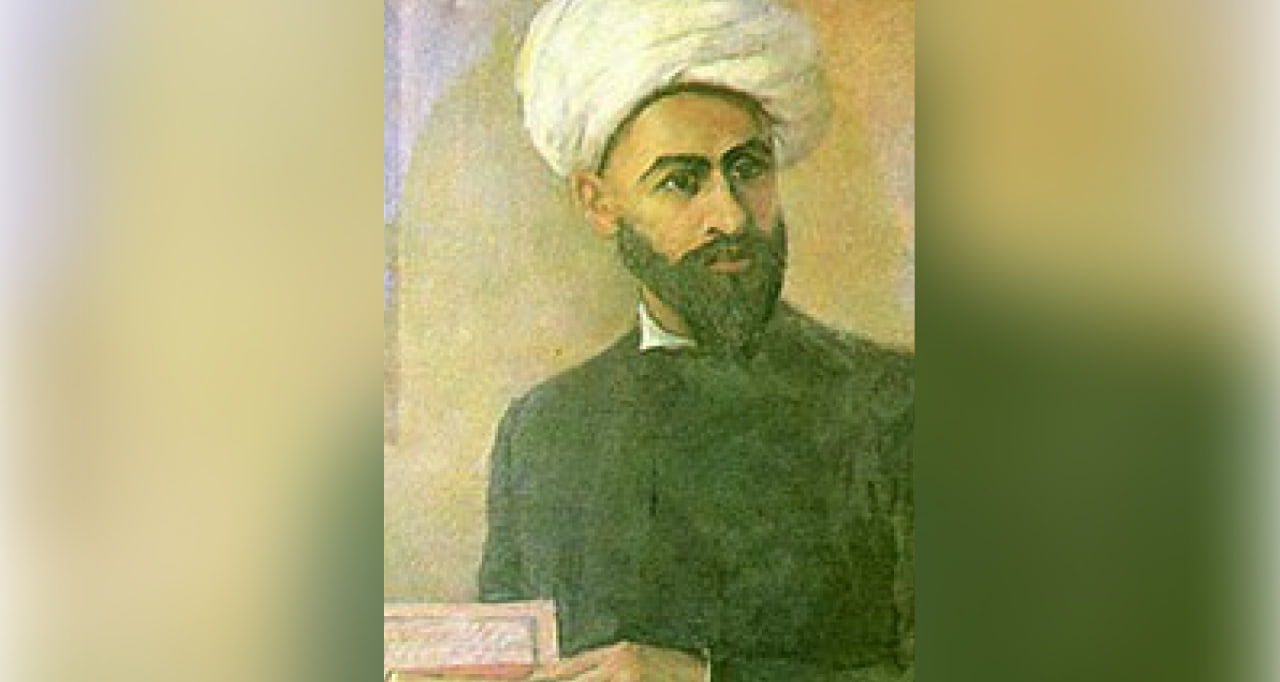
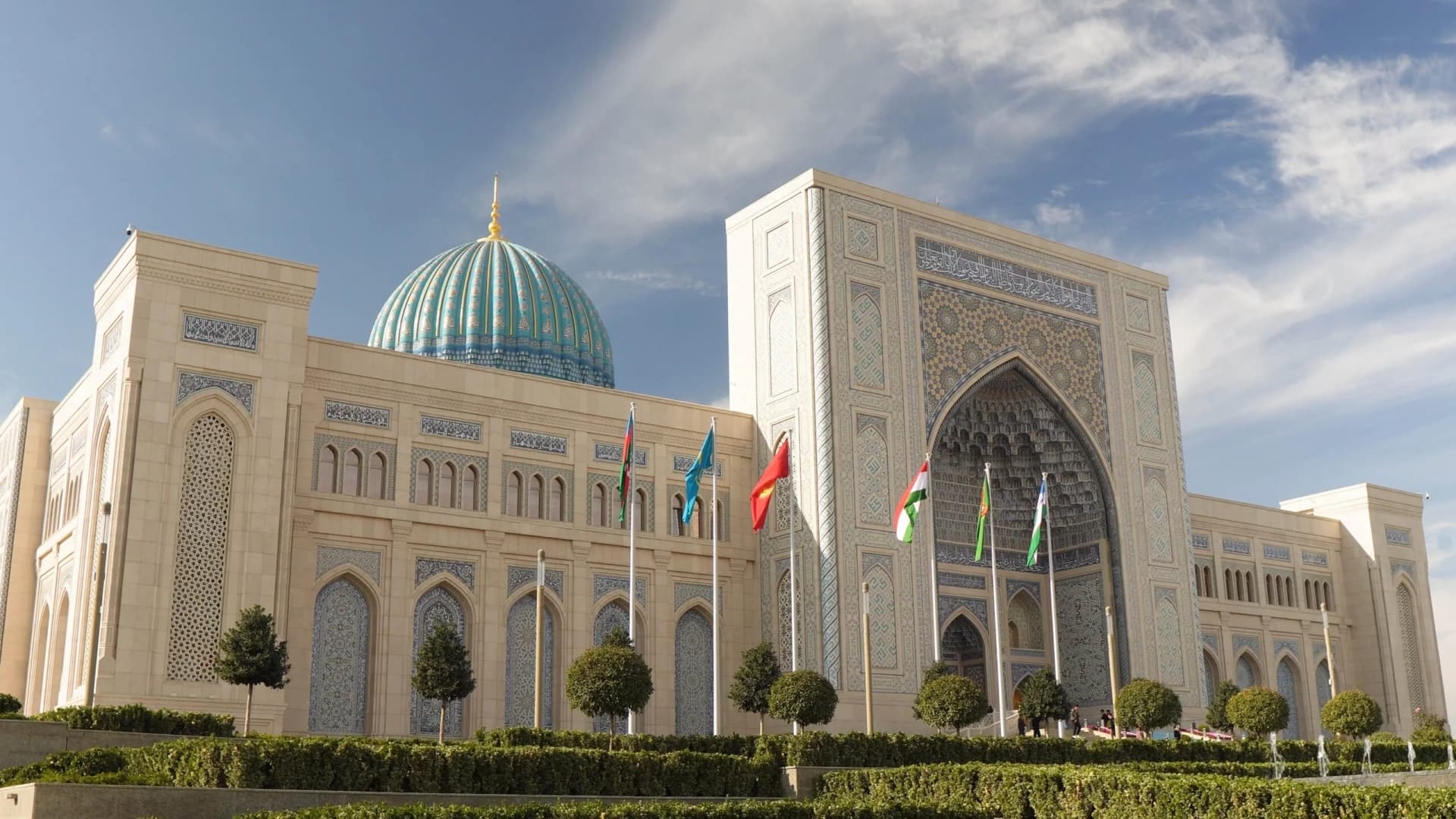
In the exhibition of the Center of Islamic Civilization in Uzbekistan, the literary environment of the Kokand Khanate is also planned to be reflected. Within the framework of these projects, a media project is being created about the progressive poet, thinker, and publicist Furqat. He is considered one of the major figures of Uzbek popular literature, the enlightenment movement, and national journalism of the late 19th and early 20th centuries. His life and work played an important role in shaping new ideas, themes, and methods of modern thought in our national literature.
Furqat was born in Kokand into a family of progressive intellectuals. From an early age, through his father, he became acquainted with the works of great representatives of Uzbek and Persian literature, developing a particular admiration for the works of Alisher Navoi. He mastered the Persian language and studied the art of calligraphy.
During the 1870s–1880s, Furqat became increasingly active in the literary sphere, writing lyrical ghazals, mukhammases, and responses to Navoi’s works. He gained recognition among the intellectuals of Kokand and Margilan and collaborated with poets such as Muqimiy, Mukhyi, and Zavqiy.
In these years, his works focused on socio-political themes, exposing the flaws of the colonial system, injustice, and oppression. His musaddas “Sayding qo‘yaver, sayyod” and the mukhammas with the refrain “Bo‘ldi” clearly convey ideas of humanism, freedom, and the defense of the people’s interests.
From 1890, he began contributing articles to Turkiston viloyatining gazetasi (The newspaper of Turkestan province), calling the people to embrace modern knowledge and technological achievements. In his articles such as “The Benefits of Knowledge” and “On the Exhibition”, he explained the role of science and culture in development. He regarded modern education, the opening of schools, and the study of scientific and technical progress as the key to national advancement.
From 1891, Furqat traveled through Turkey, the Balkans, Mecca, India, and Eastern Turkestan. These journeys enriched his worldview, but at the same time, homesickness became the central theme of his poems and letters. In works such as “Address to the Breeze”, “I Am Lost”, and “The Story of the Girl with the Scarf”, the pain of separation and love for the homeland are deeply expressed. Furqat lived and wrote in Yarkand, composing both social and lyrical poems in Persian and Uzbek. He was among the few poets in national literature who wrote in two languages. He died in Yarkand in 1909.
His legacy the ideas of enlightenment, his lyrical and social poetry, and his journalism left an indelible mark on the development of Uzbek literature and the history of the press.