
The most valuable treasures of the Iranian rulers belonging to the Timurids have been identified
🔴 Scientific discoveries of the Center’s delegation in Iran
🔴 Findings at the bridge of history, heritage, and cooperation
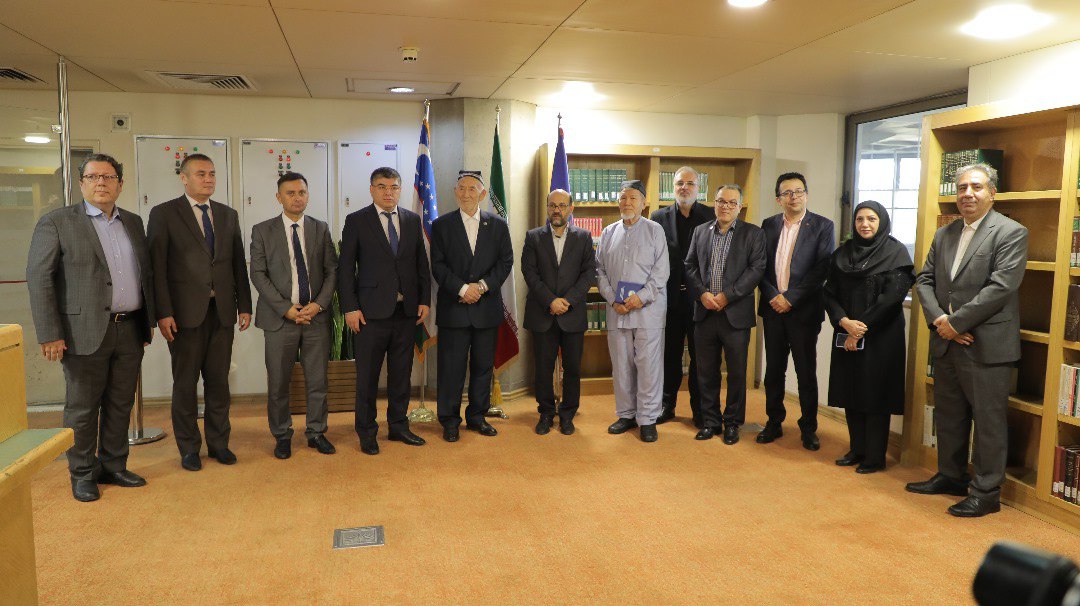
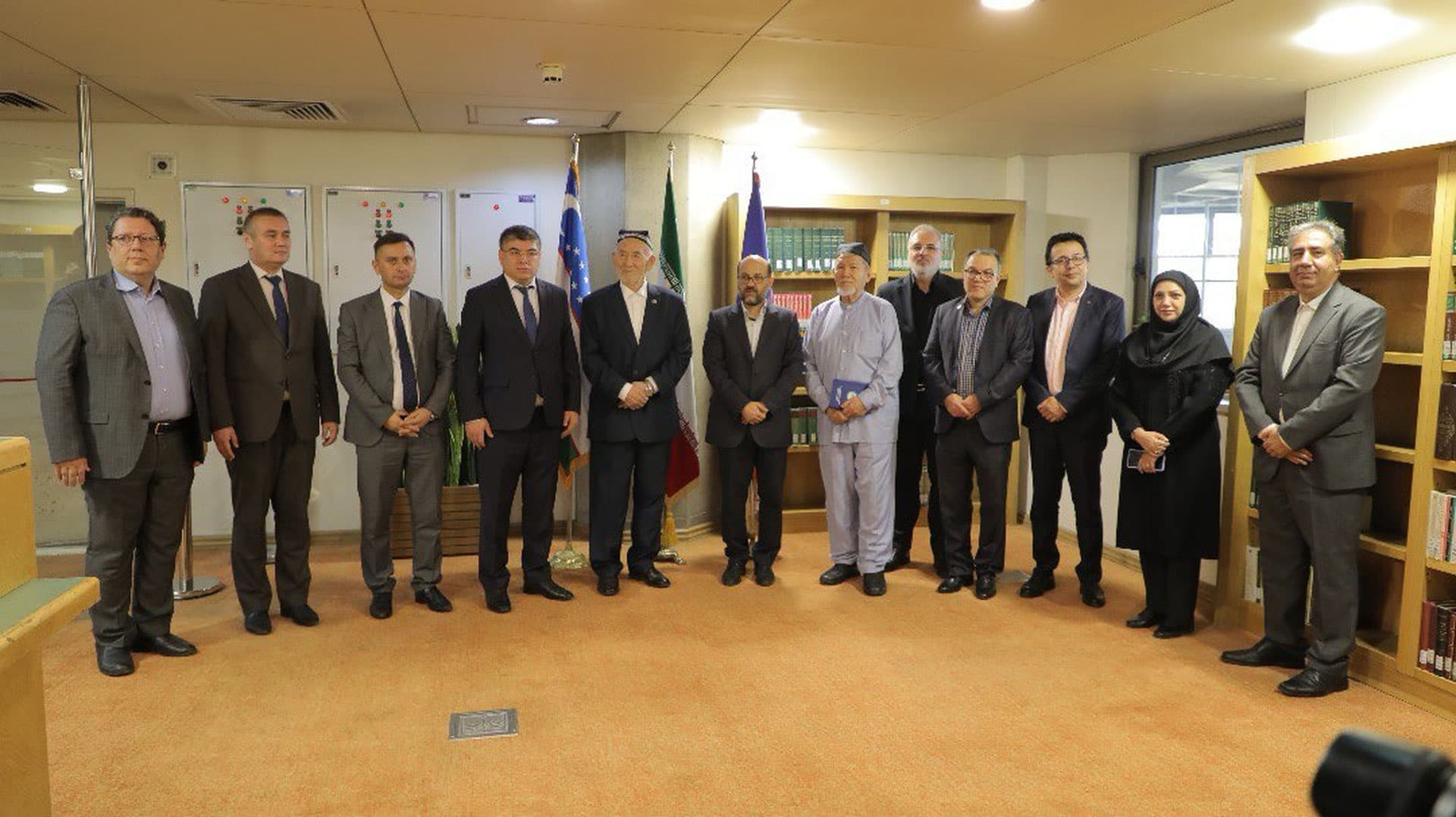
The delegation of the Center of Islamic Civilization in Uzbekistan, during its official visit to the cities of Mashhad, Tehran, and Tus in Iran, closely acquainted itself with the historical and cultural heritage of this land.
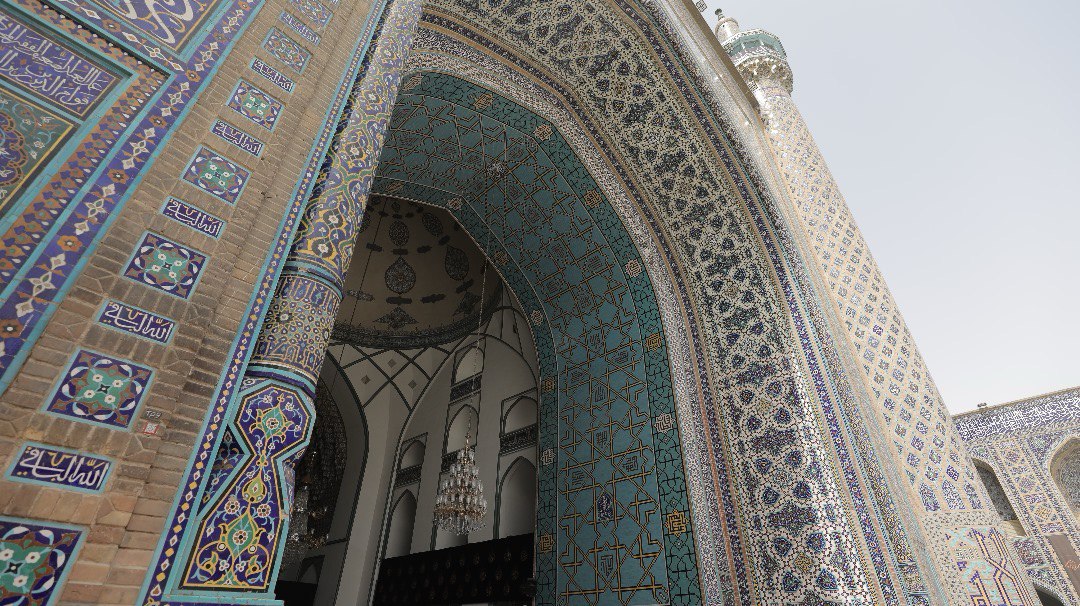
In Mashhad, the delegation examined madrasas, mosques, and caravanserais dating back to the Timurid period. The most significant point of the trip was the visit to the Gawharshad Begim Mosque, located in the Imam Reza complex and built in the 15th century on the initiative of Gawharshad Begim. The architectural decorations and style of this monument stand out for their harmony with the monuments of Samarkand and Bukhara.
The Gawharshad Begim Mosque was erected during the reign of Shahrukh Mirzo, with Gawharshad Begim, the daughter-in-law of Amir Timur and beloved consort of Shahrukh Mirzo, personally acting as its patron. She allocated a large amount from her personal funds for its construction. For centuries, the mosque has served its purpose and remains one of the most cherished places of worship for worshippers and pilgrims today.
A 3D model or mock-up of this monument is planned to be displayed in the future at the Center’s exhibition.
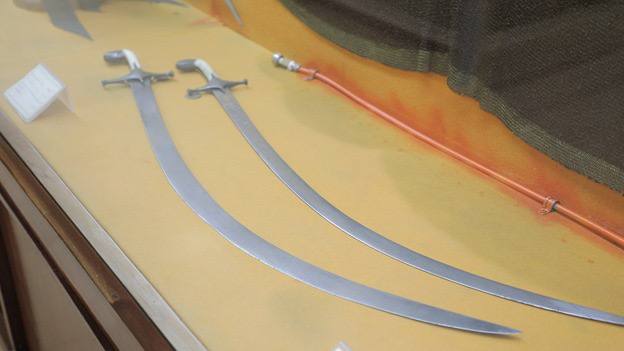
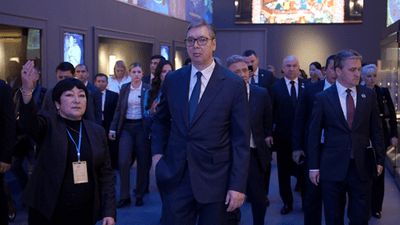
During the delegation’s visit to the Saadabad Military Museum in Tehran, two historical swords belonging to Amir Timur were identified. Crafted in the Timurid era, these artifacts are inscribed with the phrase “Ya Fattah” with exquisite craftsmanship. According to museum records, these items had long been regarded as among the most valuable and proudly preserved treasures of Iranian rulers.
Today, these two unique artifacts are displayed among the most valuable exhibits of the Saadabad Military Museum. We have held discussions with the museum authorities about producing replicas of these swords and presenting them in the exhibition of the Center of Islamic Civilization in Uzbekistan, – said Rustam Jabborov, the Center’s scientific secretary.
It should be noted that the Saadabad Complex is one of Iran’s most picturesque and historically rich sites. Once the official residence of Iranian rulers, the area now houses around 20 museums. The Military Museum alone preserves thousands of exhibits spanning from the 7th century BCE to the 20th century CE.
As part of the trip, the delegation also visited the mausoleum of the great poet Abulqosim Firdawsi in the city of Tus, as well as the Khurunia complex, which was restored during the Timurid period.
According to historical sources, the site originally hosted the Nizamiyya Madrasa during the Seljuk era. It was destroyed during the Mongol invasion and later rebuilt in the Timurid period, with a khanqah constructed beside it. For centuries, this place served as a center of Sufi gatherings and as an educational institution.
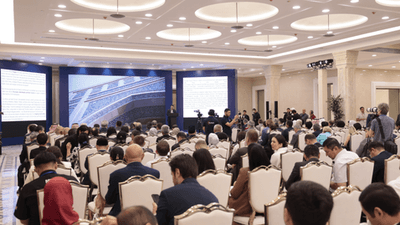
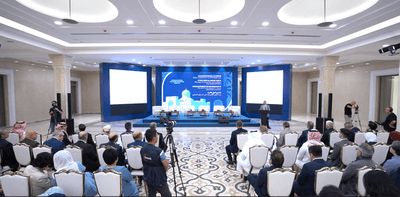
Furthermore, lectures dedicated to the role of Firdawsi’s Shahnameh in Uzbek literature and the art of calligraphy were also heard during the visit.
This trip by the Center’s delegation became an important step in strengthening scientific and cultural cooperation between the two countries and in promoting the heritage of Islamic civilization. The materials gathered during the journey will serve to further enrich the Center’s exhibition.