
The preparation of scientific passports for historical exhibits in accordance with international standards has begun
🔴 A primary source for researchers and scientific catalogs
🔴 Cultural, social, and economic aspects of the Pre-Islamic Era in special texts
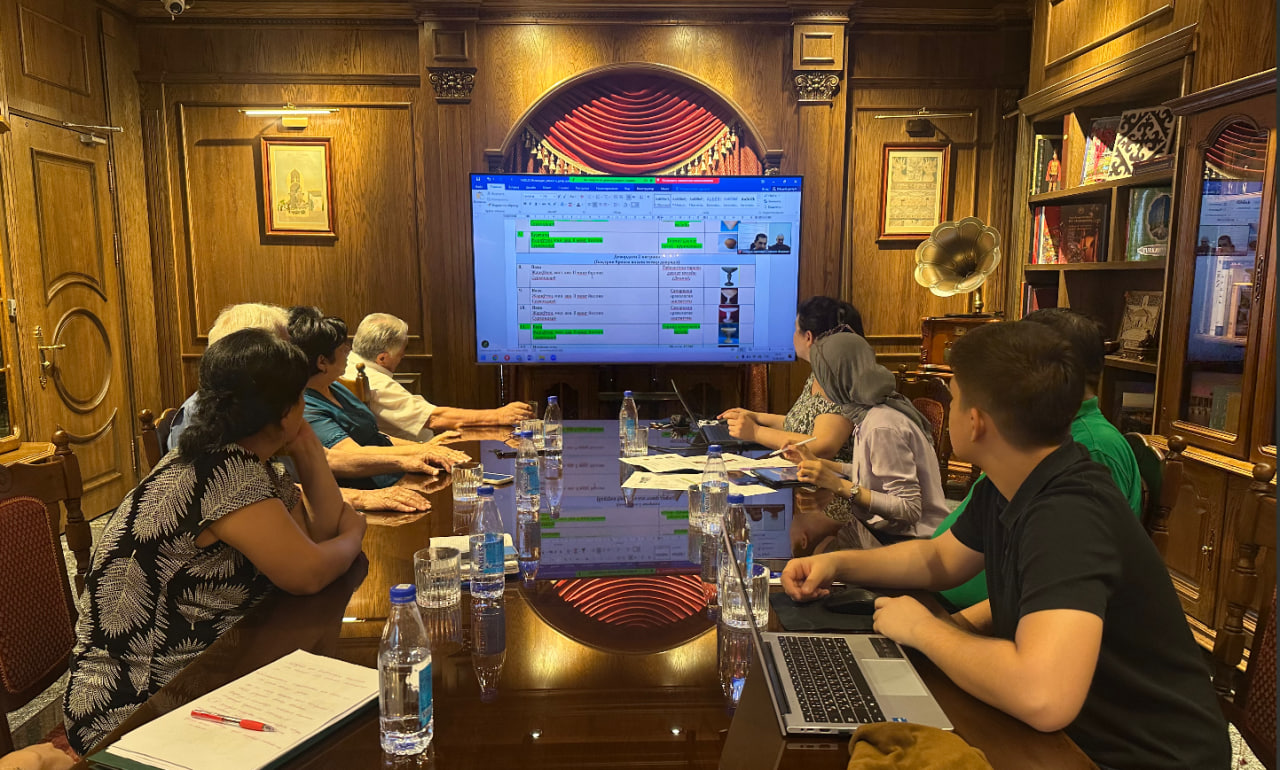
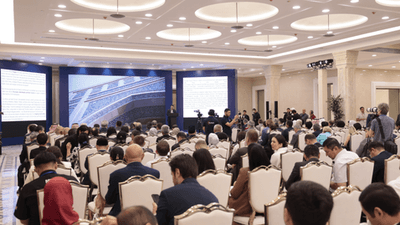
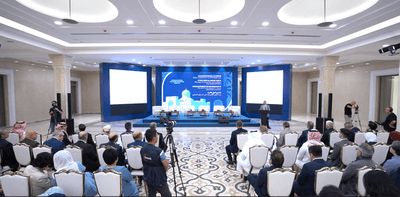
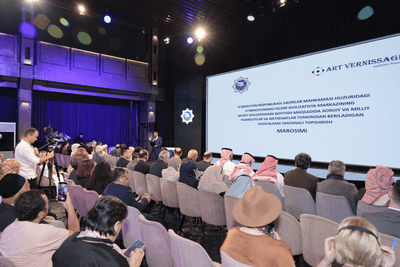
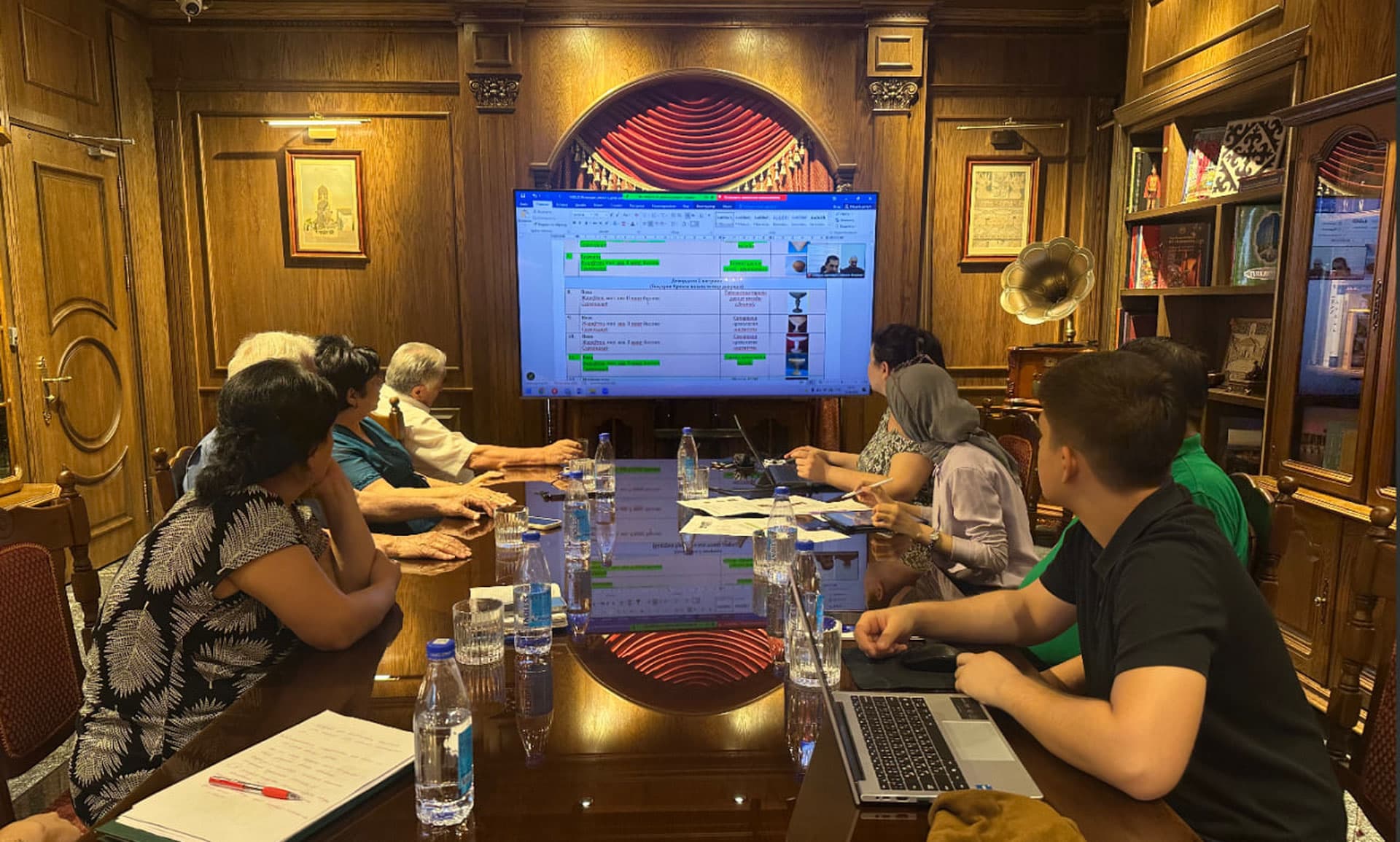
At the Center of Islamic Civilization in Uzbekistan, the finalization of annotation and explanatory texts for the section on Pre-Islamic Civilizations is actively underway. In today’s scholarly discussion, historians, archaeologists, ethnographers, and museologists thoroughly analyzed the information about the exhibits.
Annotations are concise yet meaningful texts placed next to artifacts, providing visitors with accurate details such as the artifact’s name, place of discovery, century of origin, and, when necessary, its creator or associated historical figure. They are first written in Uzbek and then translated into several foreign languages.
According to Dr. Jannat Isloilova,
extended texts are also being prepared for each historical section. For example, in the sections on the ancient civilizations of Bactria, Sogdiana, and Khorezm, special texts will highlight the cultural, social, and economic aspects of those eras.
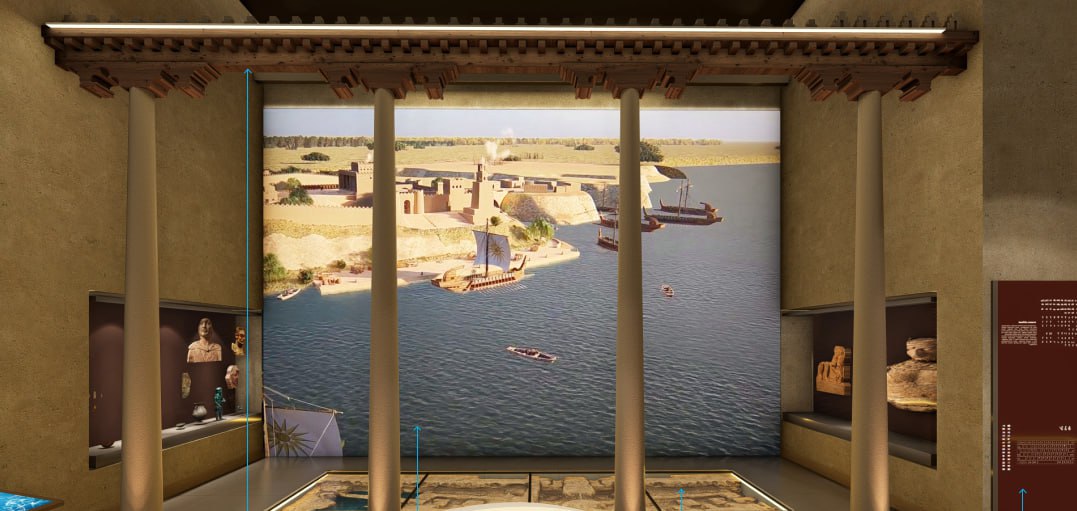
Some exhibits will be accompanied by models illustrating artificial irrigation systems, while LED screens will display short video clips. This will allow visitors to gain a deeper understanding of the essence of the artifacts they observe.
It was also announced during the discussion that scientific passports for each exhibit are being prepared in accordance with international standards. These documents will serve as primary sources for researchers and scientific catalogs.
During the meeting, numismatists reviewed coins, ethnographers examined household items, and archaeologists analyzed excavation findings, proposing ways to enrich the annotations.
Thanks to the collaboration of experts from various fields, information about each artifact is being adapted to meet international standards. This will ensure that the Center secures a worthy place among the world’s museums in the future.