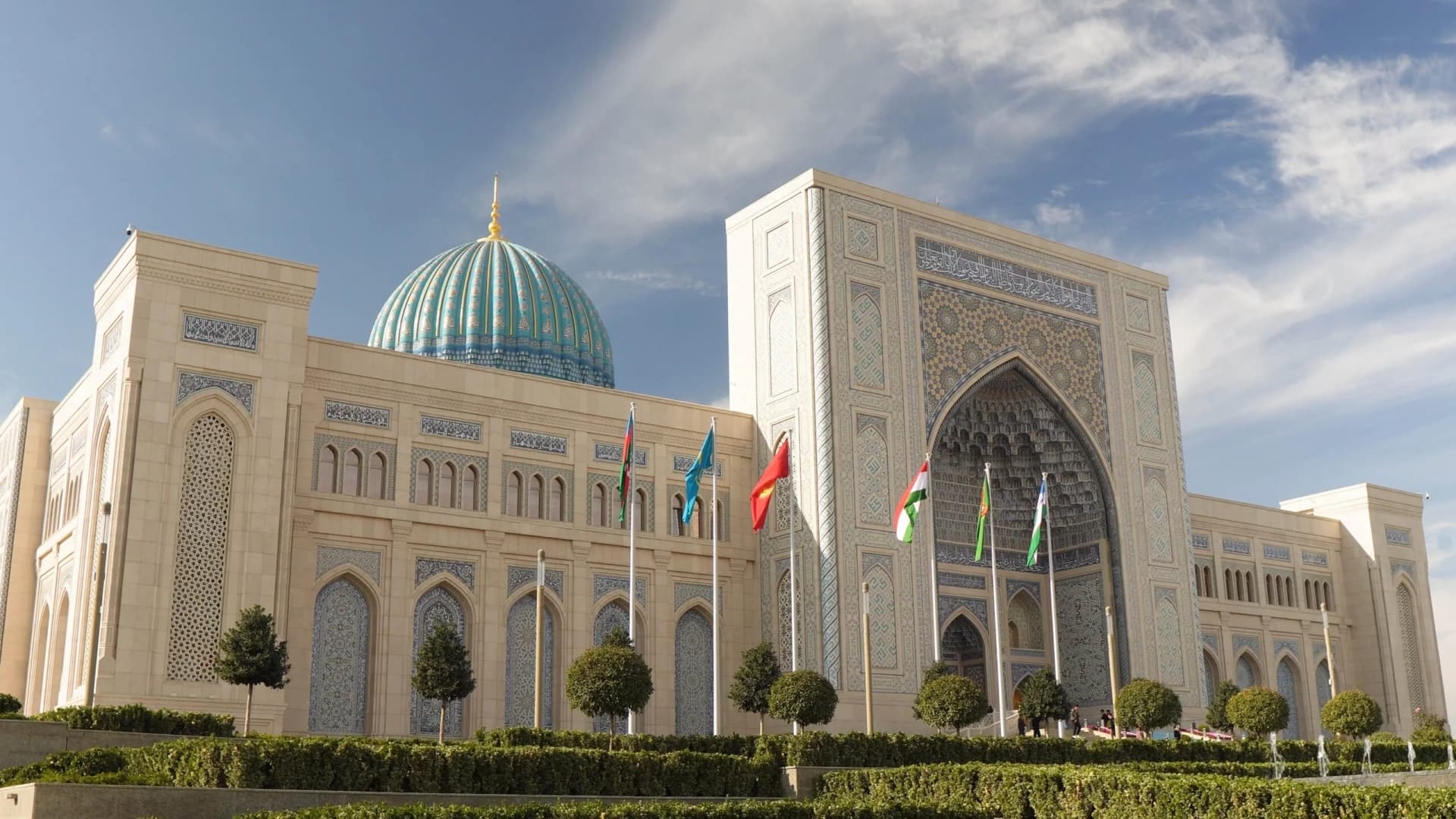

Coins at the Islamic Civilization Center are revealing two and a half millennia of Central Asia’s secrets
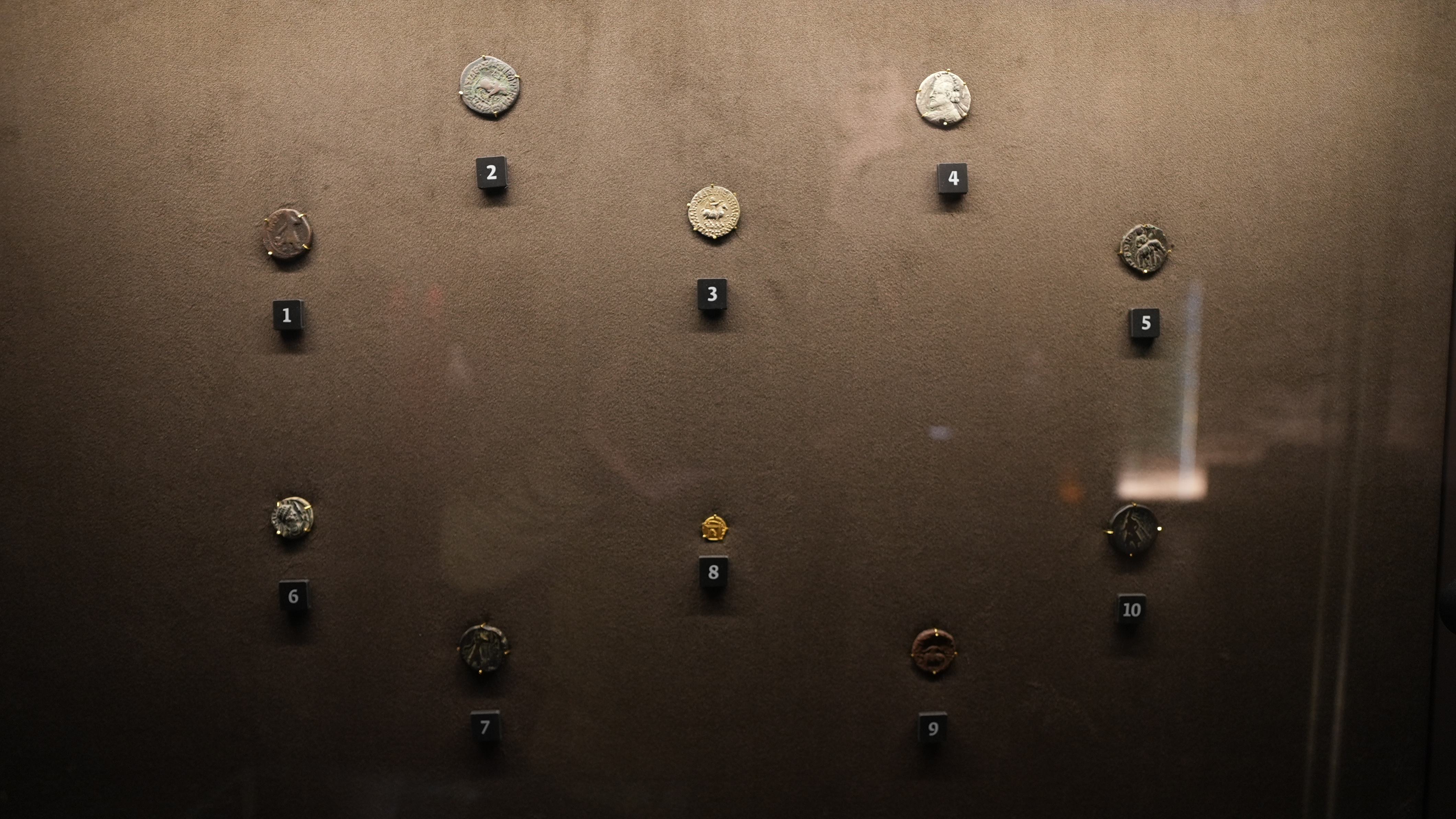
Coins that may appear at first glance to be simple pieces of metal in fact preserve millennia of statecraft and symbols of power. Today, the pre-Islamic coins exhibited at the Islamic Civilization Center in Uzbekistan reveal, through tangible evidence, nearly two and a half millennia of political, economic, and cultural development in Central Asia.
In studying the pre-Islamic history of Central Asia, numismatic materials are considered among the most important and reliable sources. Through ancient coins, it is possible to reconstruct early state structures, economic relations, symbols of authority, and social thought on the basis of concrete evidence.
The region between the Amu Darya and Syr Darya rivers has, since ancient times, been an area where monetary circulation was well developed and trade and interregional connections were highly active. For this reason, coins minted here are not merely means of payment, but historical documents reflecting the traditions of statehood and symbols of authority of their time.
Coins of the Khwarazm oasis
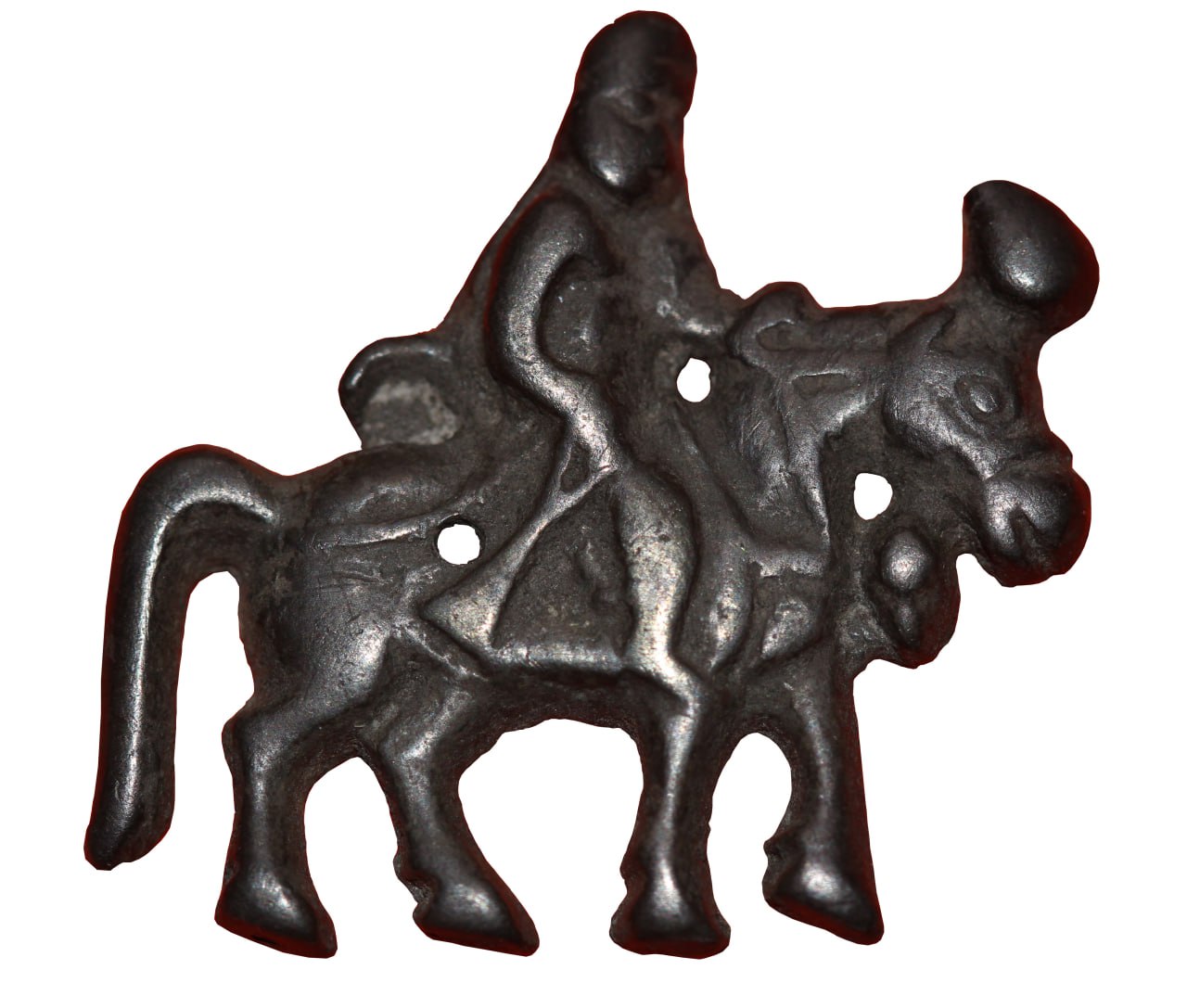
From the 2nd–1st centuries BCE to the 8th century CE, various silver and bronze coins were minted in the Khwarazm oasis. The obverse of these coins depicts a crowned ruler, while the reverse features horsemen, dynastic tamghas, and inscriptions in the ancient Khwarazmian script indicating the king’s name and title.
In the early stage, Greek script was used on the coins, but later the Aramaic-based Khwarazmian script became widespread. This reflects the gradual development of writing culture and administrative systems in the region. Some Khwarazmshahs mentioned in historical sources, particularly in the works of Abu Rayhan Biruni, are identified as historical figures precisely through these coins.
The appearance of images such as a two-humped camel or a mythical bird on royal crowns depicted on the coins is a vivid expression of the symbolic thinking, independent ideology, and local traditions characteristic of Khwarazmian statehood.
Kushan copper coins: Surkhandarya as a central hub
In the pre-Islamic exhibition, copper coins from the Kushan period are presented as a separate collection. Dating to the 1st-3rd centuries CE, these coins were mainly found at archaeological sites in the Surkhandarya region, such as Dalvarzintepa, Ayrtam, and Kampirtepa.
Despite having been preserved underground for centuries, the coins clearly display rulers’ portraits, Greek and Bactrian inscriptions, and images of Buddhist and Indian deities. Coins from the reigns of Kujula Kadphises, Vima Kadphises, Kanishka, Huvishka, and Vasudeva I vividly demonstrate that international trade routes were active within the Kushan Empire and that religious tolerance and intercultural connections were highly developed.
These numismatic finds confirm that the Surkhandarya region was an important economic, political, and religious center during the Kushan period.
Political harmony among local rulers reflected on coins
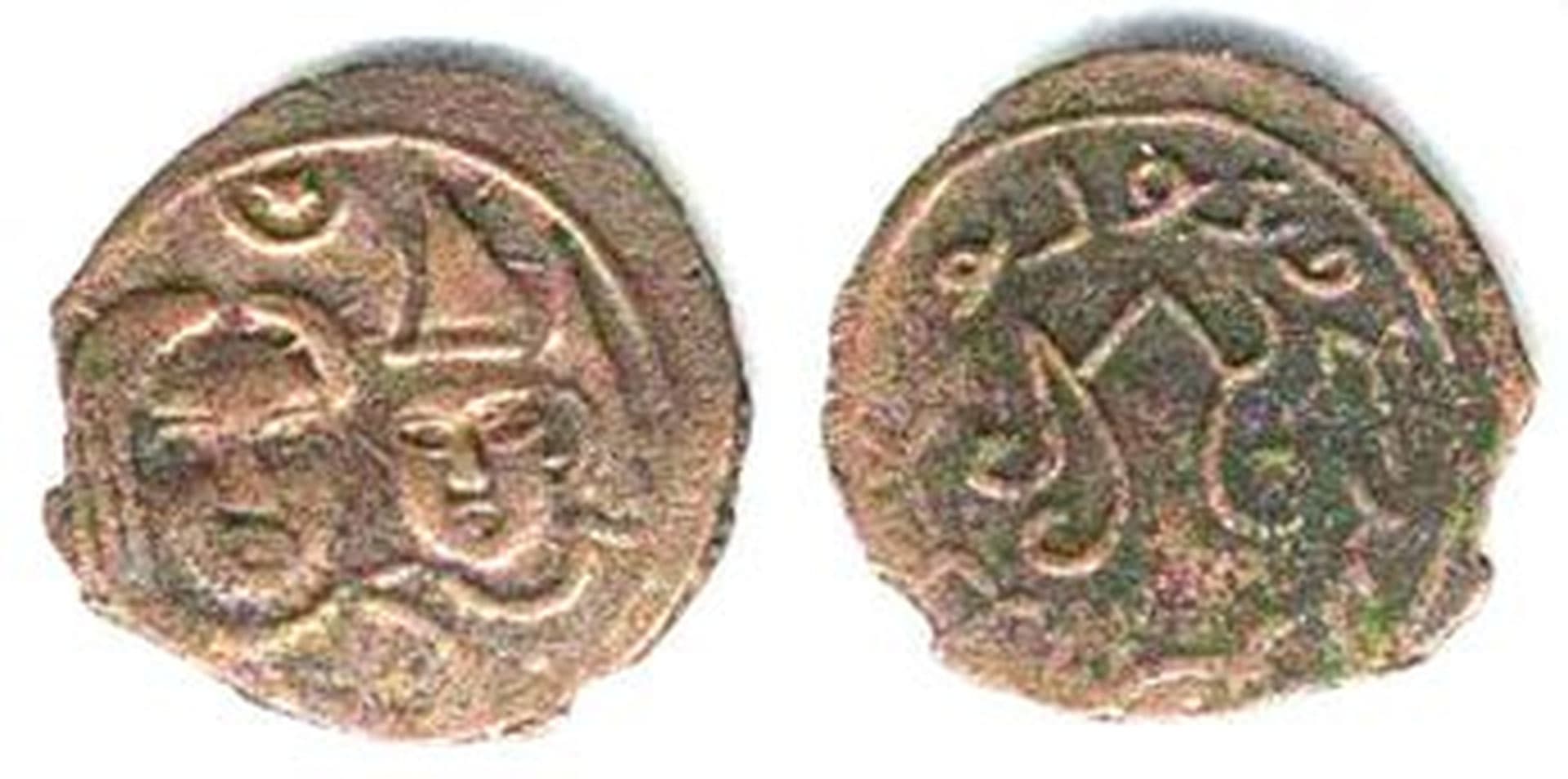
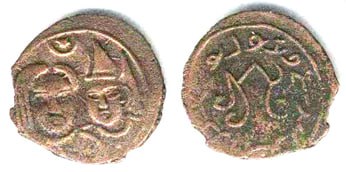
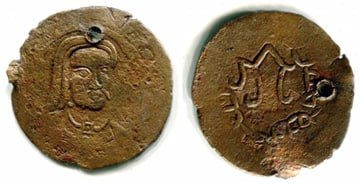
Coins from Chach and the Western Turkic Khaganate dating to the 6th-8th centuries illustrate the complex and multifaceted structure of the pre-Islamic political system. These copper coins with Sogdian inscriptions were minted partly in the Chach oasis and partly in Samarkand.
Among them are double-portrait coins bearing titles such as “yabghu,” “Tun yabghu-khagan,” and “Chach tegin,” as well as types featuring a crescent symbol and inscriptions reading “Ruler of Chach.” On some coins, the presence of the Samarkand tamgha and the Sogdian inscription “Khagan, ruler of Turan” indicates political harmony between the central khaganate authority and local rulers.
A particularly noteworthy feature is the depiction of a female figure alongside the khagan on certain coins. This represents rare historical evidence confirming the significant role of women in state governance within ancient Turkic society.
Scholarly assessments and conclusion
Gaybulla Boboyorov, Doctor of Historical Sciences, Professor:
“Numismatic materials are among the most reliable sources for understanding the history of Central Asia. Coins embody political authority, state symbols, and social thought. The coins of Khwarazm, the Kushans, and the Turkic Khaganate collected in the pre-Islamic exhibition clearly demonstrate the continuity of statehood traditions in the region.”
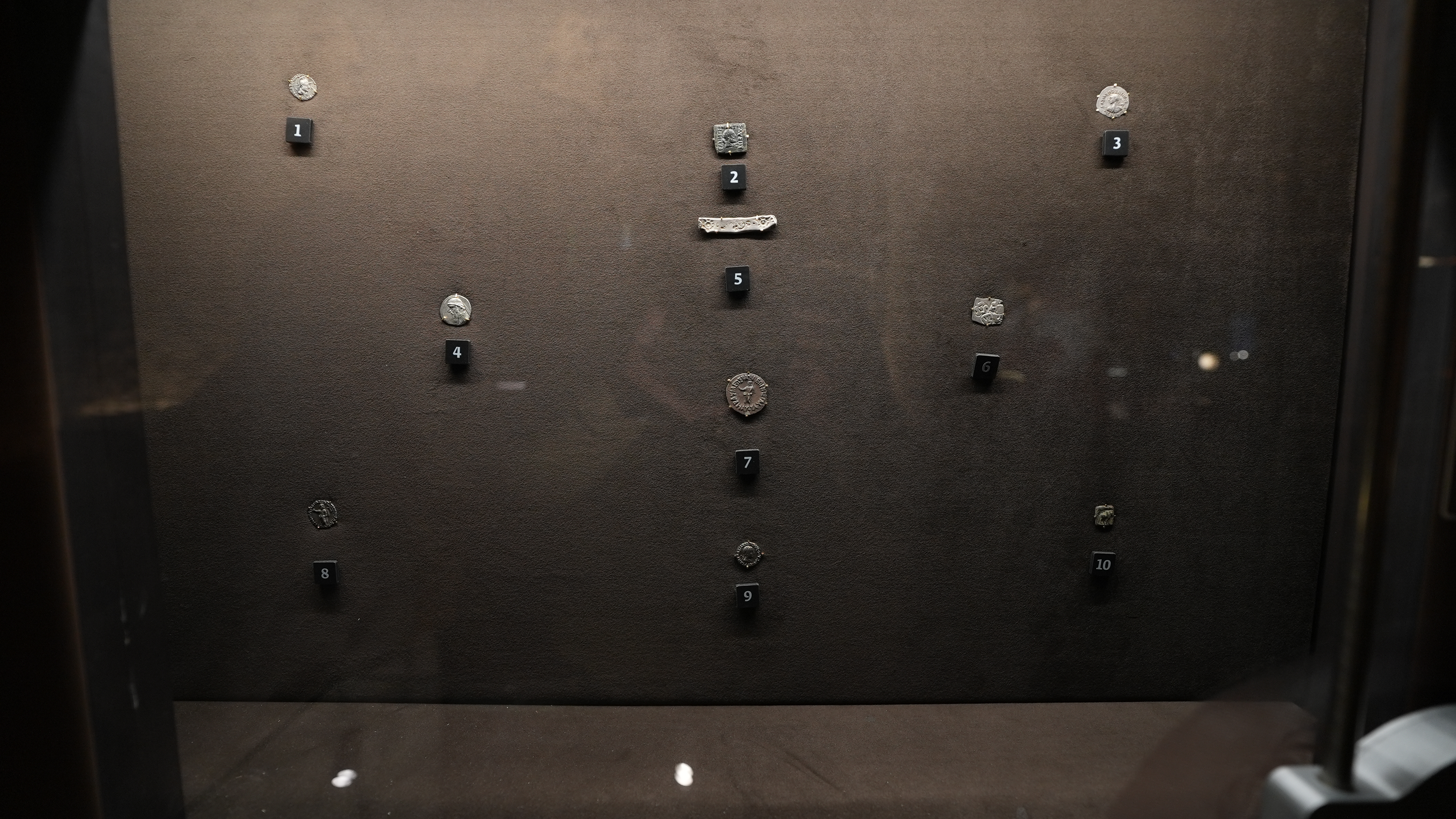
Overall, the numismatic heritage displayed in the pre-Islamic exhibition provides reliable evidence that political authority, monetary circulation, and cultural processes in Central Asia developed consistently over many centuries. These coins are invaluable sources that tell history silently yet vividly, serving as a solid scholarly foundation for today’s researchers and future generations alike.