
A “speaking” artifact of age and history: what does the 11th-century bronze artifact returned from London signify?
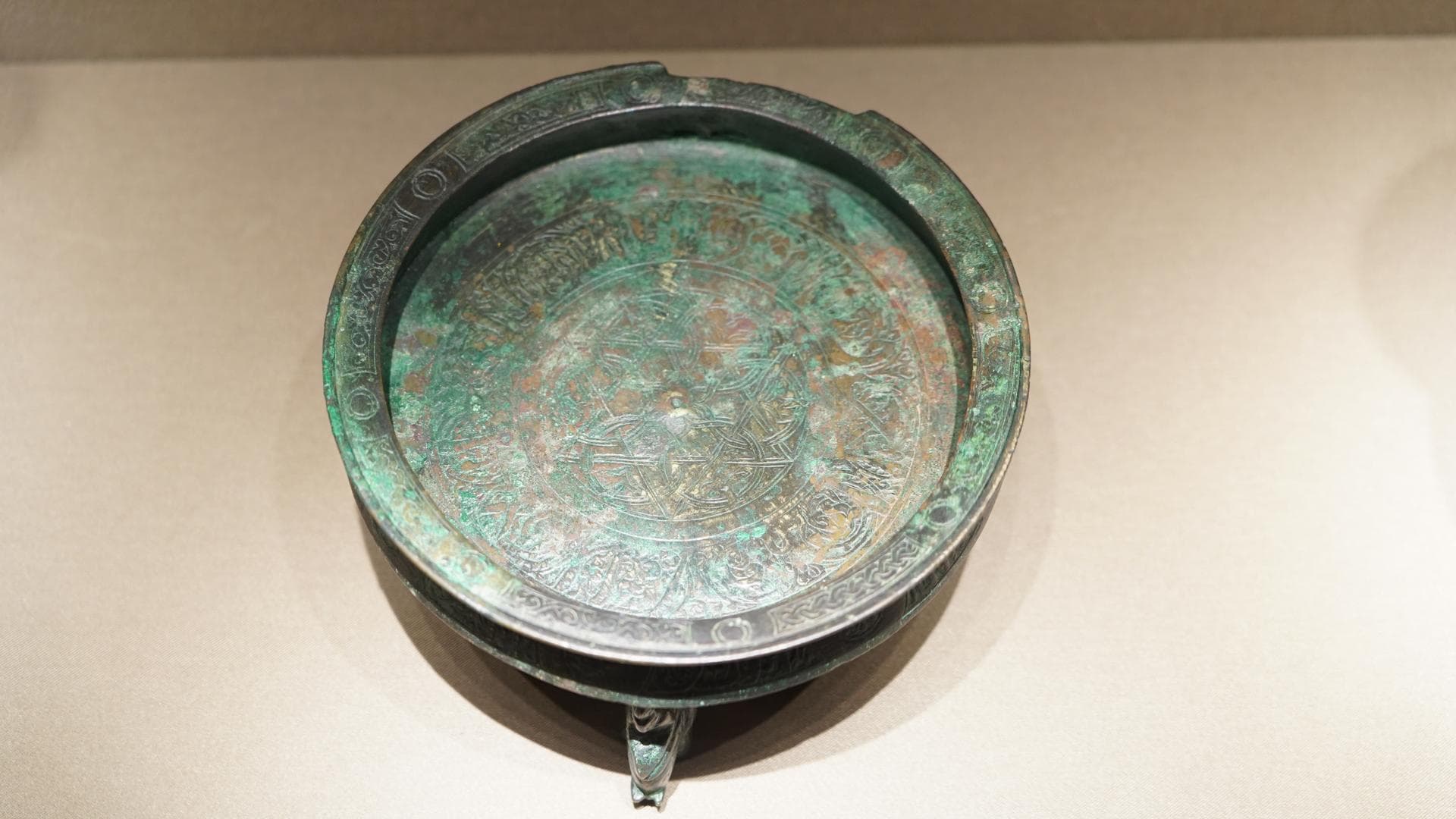
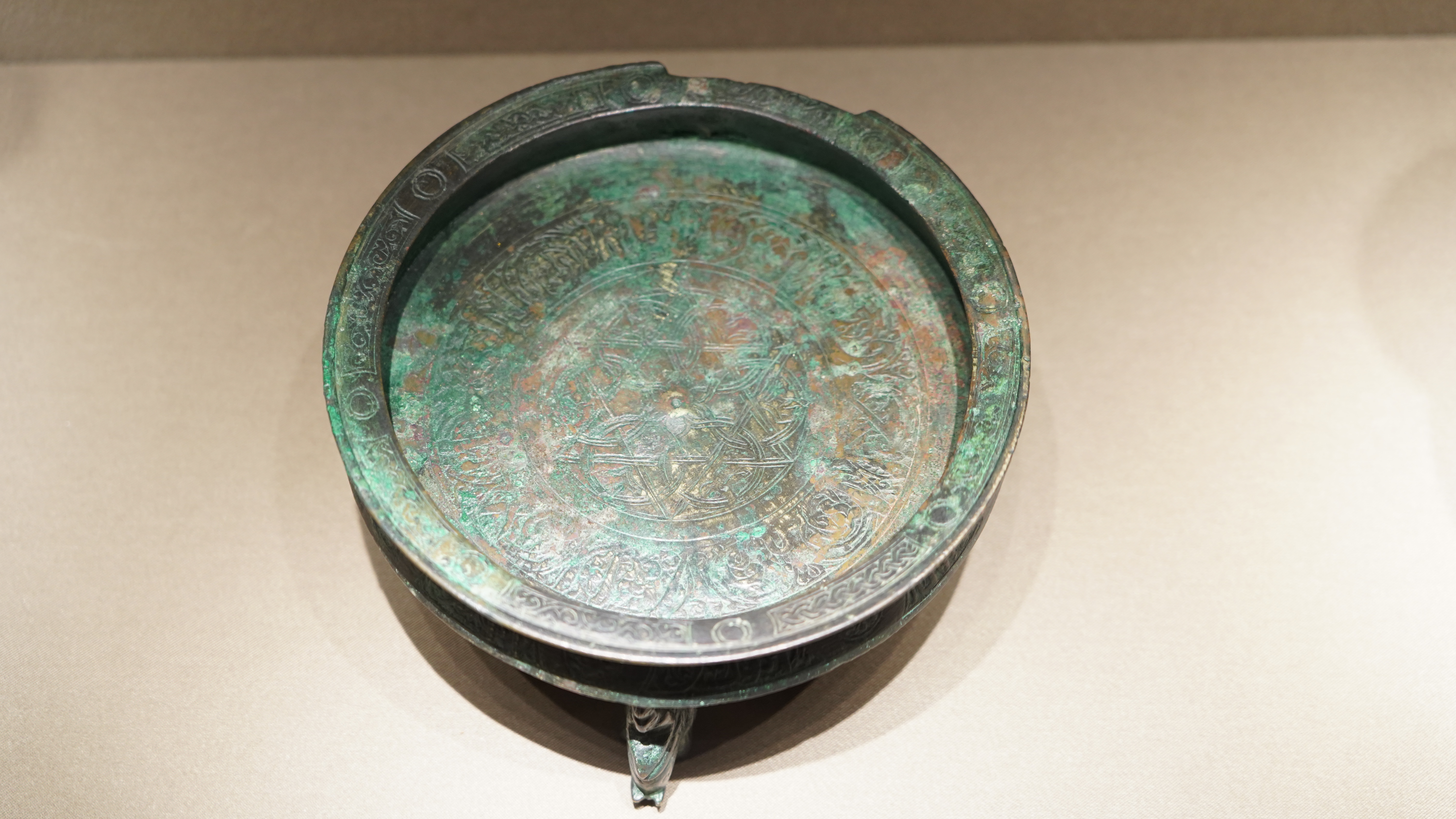
Elephant-shaped legs, delicate geometric patterns, and a bronze vessel preserved through the centuries… The object you see in the image is not an ordinary household item. It is a rare work of art created in the 11th–12th centuries in the territory of Mawarannahr and returned to Uzbekistan from London. Today, it occupies a place in the exhibition of the Islamic Civilization Center in Uzbekistan, guiding visitors into the spiritual world of the First Renaissance period.
The bronze incense burner produced in Mawarannahr in the 11th–12th centuries is a vivid example of medieval metalworking art. This object is regarded not only as a functional vessel, but also as a work of art imbued with spiritual meaning through its structure, ornamentation, and symbolic design.
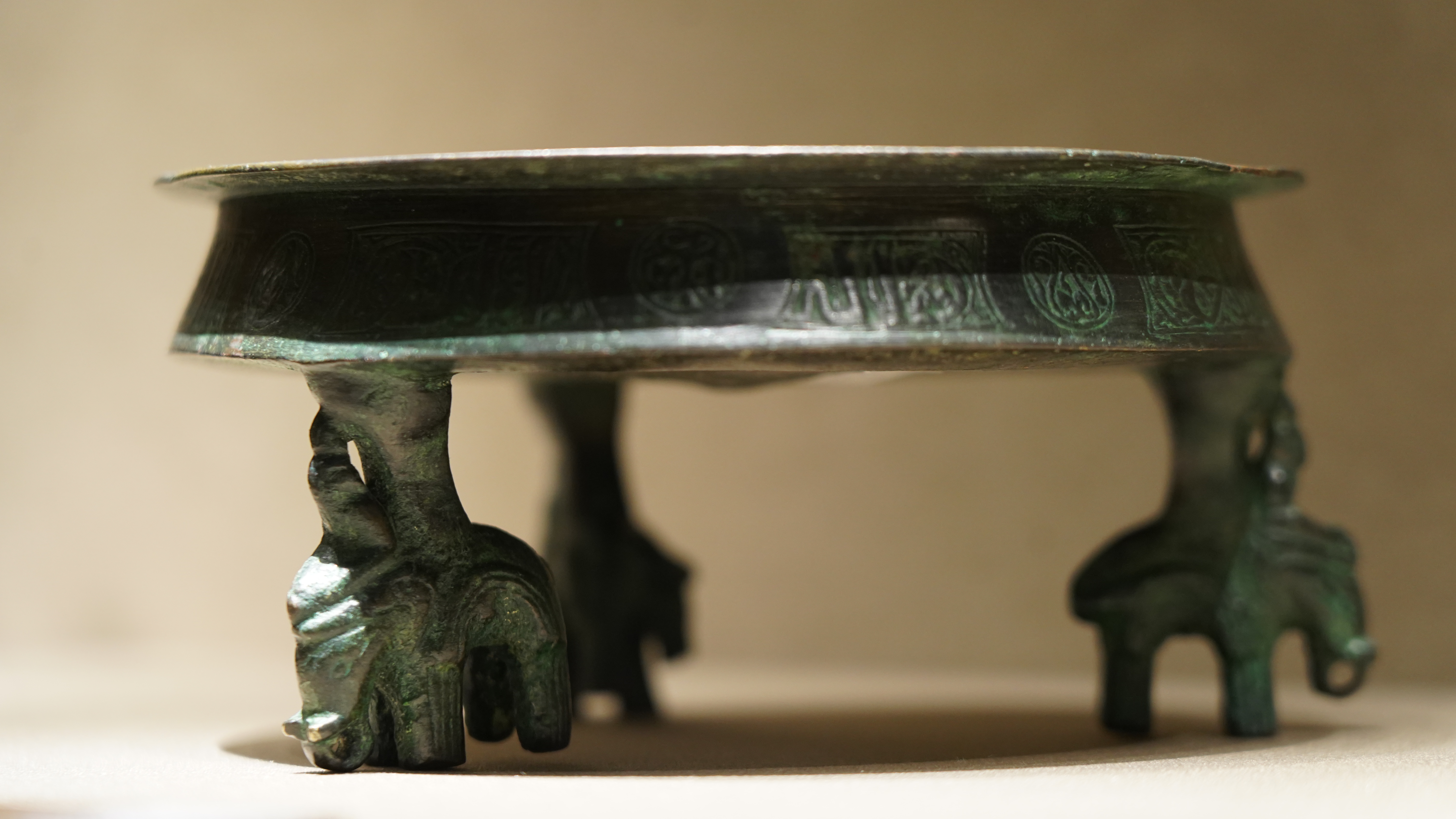
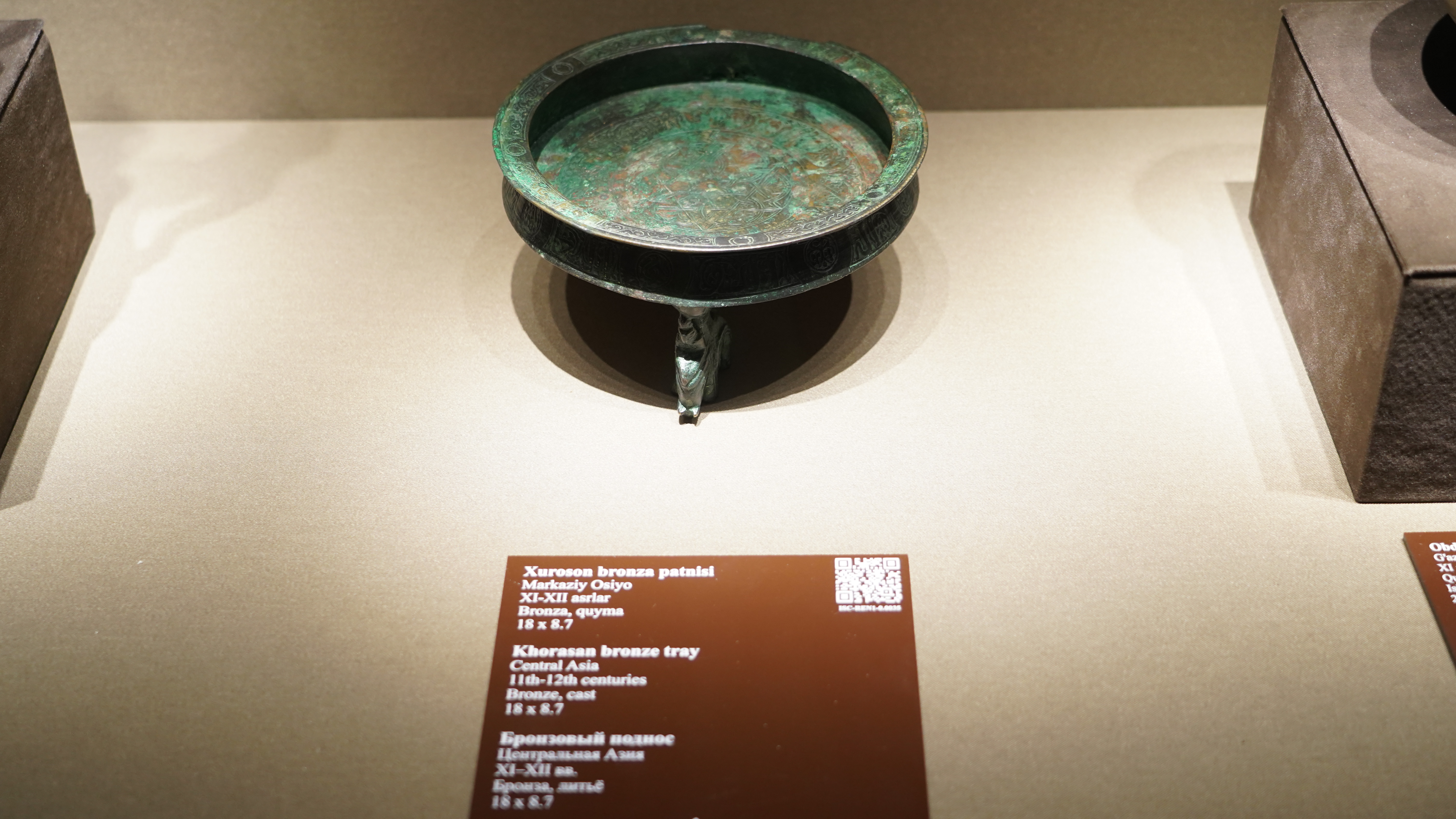
The incense burner is made of bronze and consists of a wide-mouthed bowl supported by three legs. These supporting legs are crafted in the form of elephants, which draws particular attention and indicates that the item was a valuable object used for special rituals.
Gozal Vahobova, PhD in Art History, notes:
“In the Islamic medieval period, such bronze vessels were mainly used for burning fragrant incense, that is, for fumigation with aromatic substances. According to archaeological findings and written sources, the practice of burning incense was associated with purifying a space through scent and cleansing it spiritually. For this reason, such vessels were valued not as ordinary household items, but as special objects used in ritual and devotional practices.
The patterns on the surface of the exhibit combine Islamic geometric ornamentation with symbols characteristic of various cultural traditions. The use of the elephant motif is particularly noteworthy, as it indicates close cultural connections between Central Asia and India, as well as other regions. Thus, this object represents not only a product of local craftsmanship, but also an artistic worldview shaped under the influence of multiple cultures.”
Bronze was a widely used alloy in the Middle Ages, valued for its strength and durability. Over time, a naturally formed greenish layer patina has appeared on the surface of the vessel, clearly indicating its antiquity. This layer does not damage the object; on the contrary, it enhances the depth and expressiveness of its patterns and relief. Therefore, specialists consider the patina of this rare artifact to be a natural marker that “speaks” of the work’s age and history.
In the 11th–12th centuries, during the periods of the Karakhanids and Ghaznavids, the territory of Mawarannahr was a major center where important trade routes intersected and where craftsmanship and culture flourished. For this reason, the artifact can be regarded as a valuable exhibit that reflects both local traditions and interregional artistic influences.
The artifact was returned from London to Uzbekistan and is currently preserved and displayed for the public at the Islamic Civilization Center in Uzbekistan.
Laylo Abdukhakhkhorova
P.S. The article may be republished with a link to the Center’s official website