
Jordanian specialists: “The exhibitions make people think and feel”
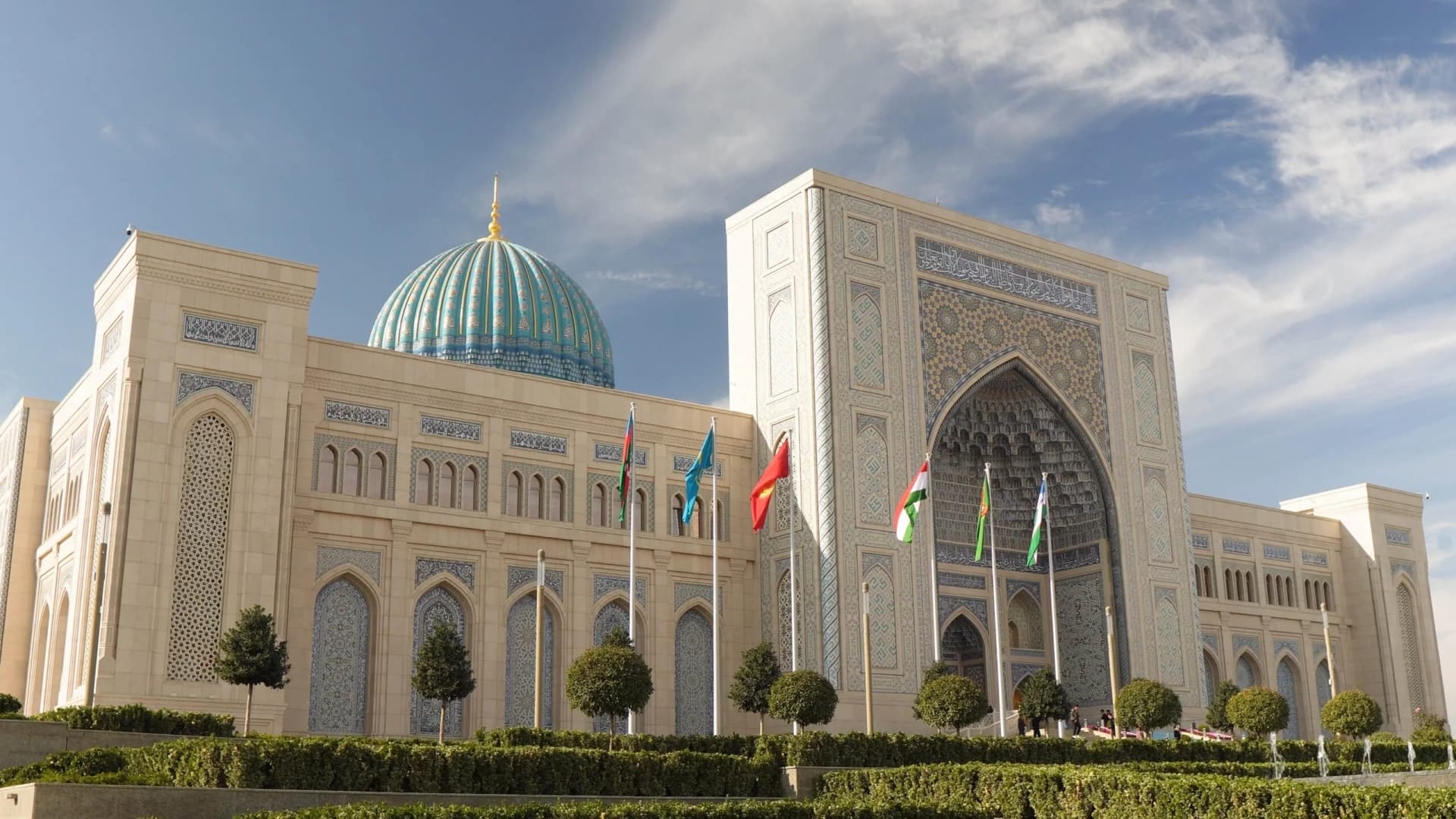
Reading history in a book is one thing; feeling it is an entirely different experience. For guests visiting from Jordan, the Islamic Civilization Center built on the initiative and authorship of the President of Uzbekistan, Shavkat Mirziyoyev became precisely such a living space of history. Members of the delegation emphasized that through the exhibitions created at the Center, they rediscovered Uzbekistan’s millennia-long spiritual and scholarly path from a new perspective.
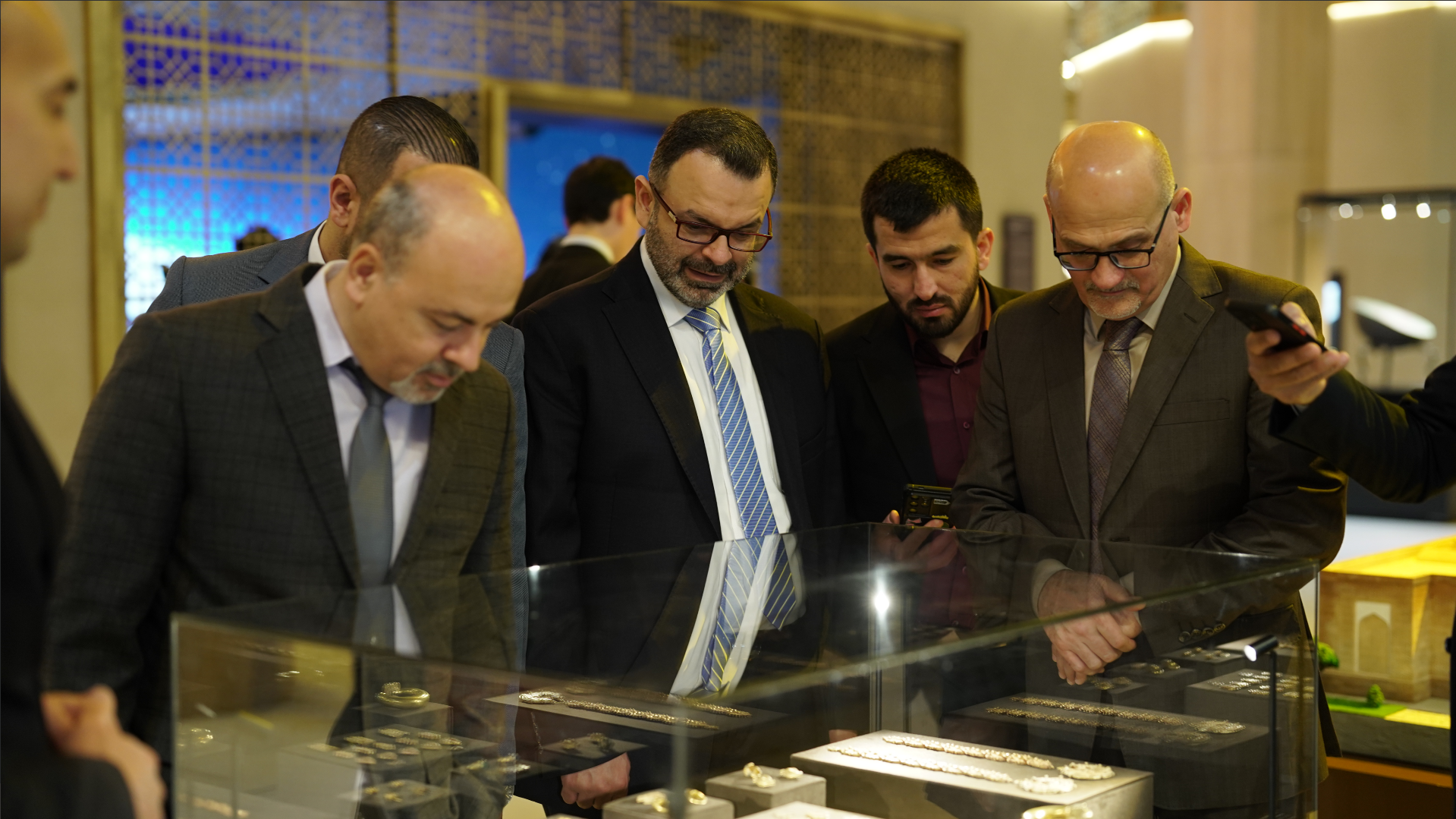
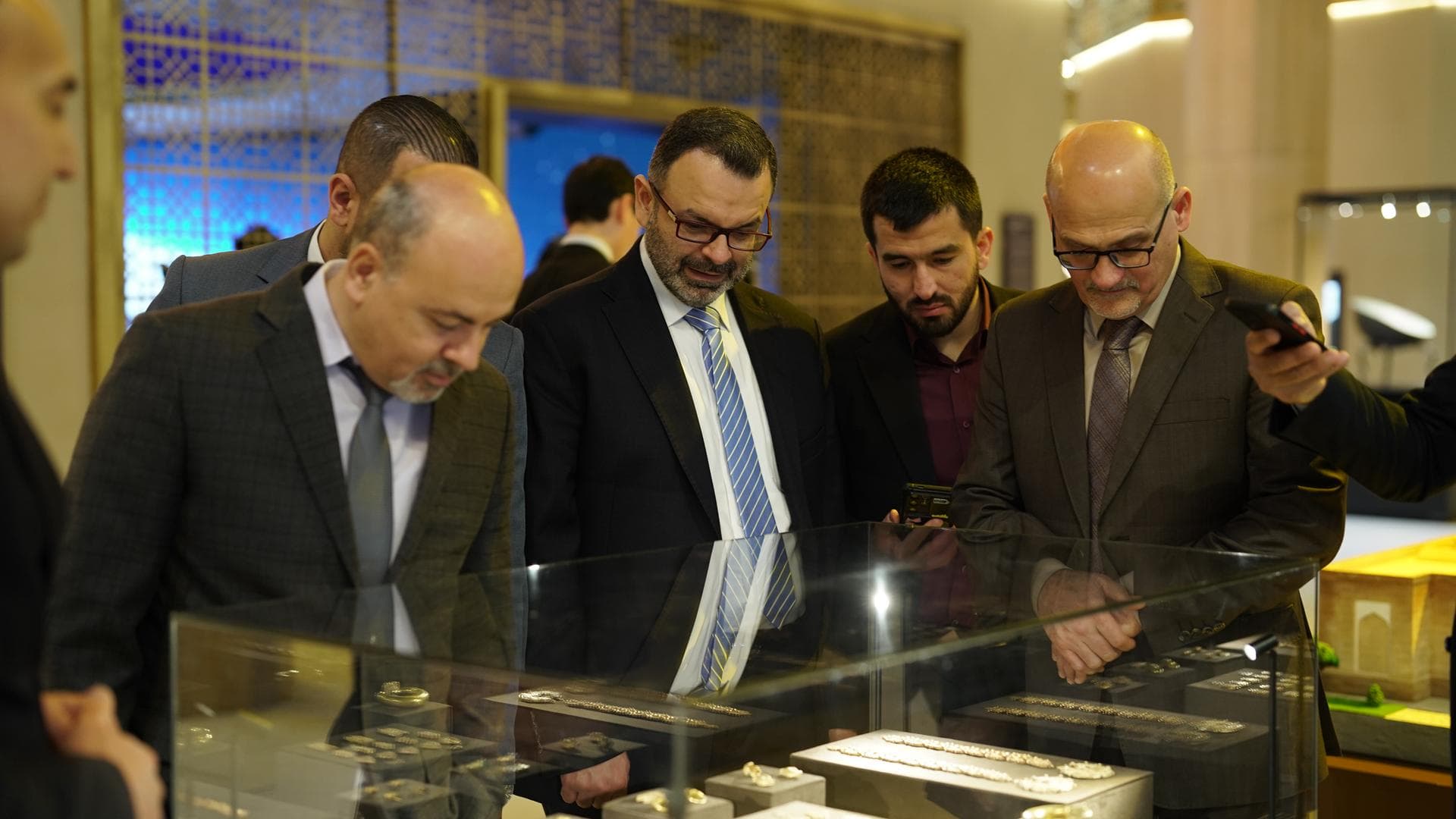
During the visit of the delegation of the Ministry of Health of Jordan, the guests highly appreciated how all stages of the country’s history from the pre-Islamic period, the formation of Islamic civilization, the First and Second Renaissances, to modern development processes of the New Uzbekistan were presented in a coherent, logical, and contemporary manner.
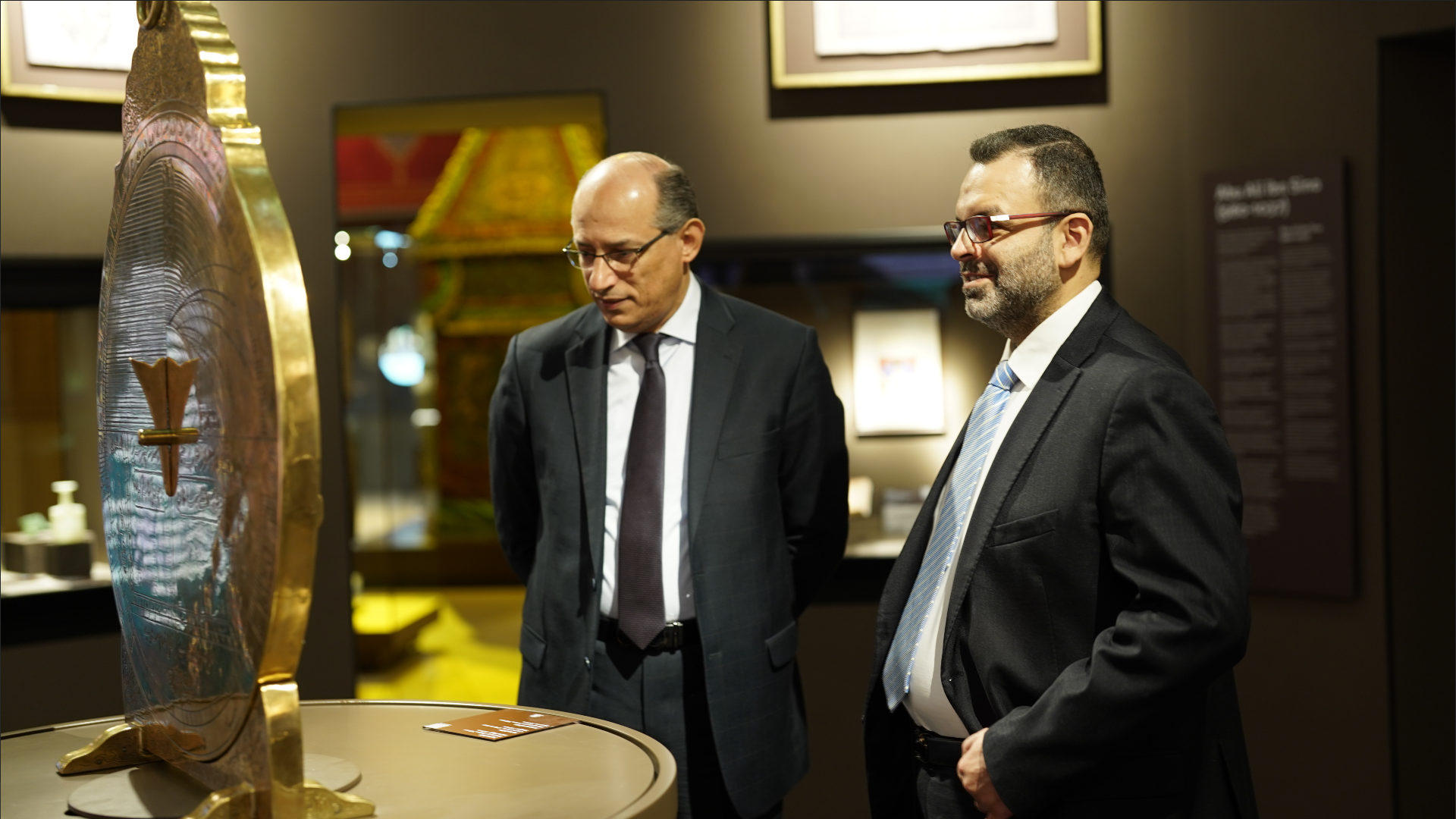
During the visit, delegation members closely explored the Ancient Khorezm exhibition in the Pre-Islamic Period section. It was noted that this section clearly and accessibly demonstrates how science, statehood, and spiritual thought were formed on this ancient land. In the First Renaissance section, the display of the sacred Kaaba covering the kiswah and the model of the Imam Bukhari complex at the Center further enriched the guests’ impressions. As they familiarized themselves with these exhibits, the delegation members recalled their visits to the Imam Bukhari complex.
In particular, the rare heritage displayed in the Holy Qur’an Hall the Uthman Mushaf evoked deep spiritual emotion among the Jordanian guests. They described seeing this sacred manuscript as a great honor and an unforgettable experience.
Within the framework of the visit, Jordanian specialists also paid special attention to the scholarly legacy of the great thinkers who emerged from the land of Uzbekistan. In particular, it was emphasized that the concept of the “algorithm,” associated with the name of al-Khwarizmi, is one of the foundations of today’s digital world. This once again demonstrated how immense Uzbekistan’s contribution to the development of world civilization has been.
Mahmoud Mustafa Saleh, Director of Information Technology and Digital Transformation at the Ministry of Health of Jordan:
“Honestly, this Center truly amazed me. The exhibitions present the past not merely as information, but as a living experience. In every section, history, science, and spirituality are reflected in harmonious unity. In my opinion, this place has reached an almost 100 percent level of excellence in terms of content and approach.”
Abdullah Awdat, member of the Jordanian delegation, engineer:
“For me, the most impressive aspect was the contribution of scholars from the land of Uzbekistan to world science. Especially the fact that the concept of the ‘algorithm’ is directly linked to the name of al-Khwarizmi is very important from the perspective of my professional activity. The exhibition reveals history in a very clear, accessible, and modern way. Development from the pre-Islamic period to the present day is presented as a continuous logical chain. This visit was an unforgettable experience for me.
There are many similarities between the states of Jordan and Uzbekistan. We are developing countries, striving to improve the living conditions of our citizens and to advance public services in healthcare, education, technology, and other fields. In my view, both countries can further enhance the quality of services provided to citizens by learning from each other’s experience.”
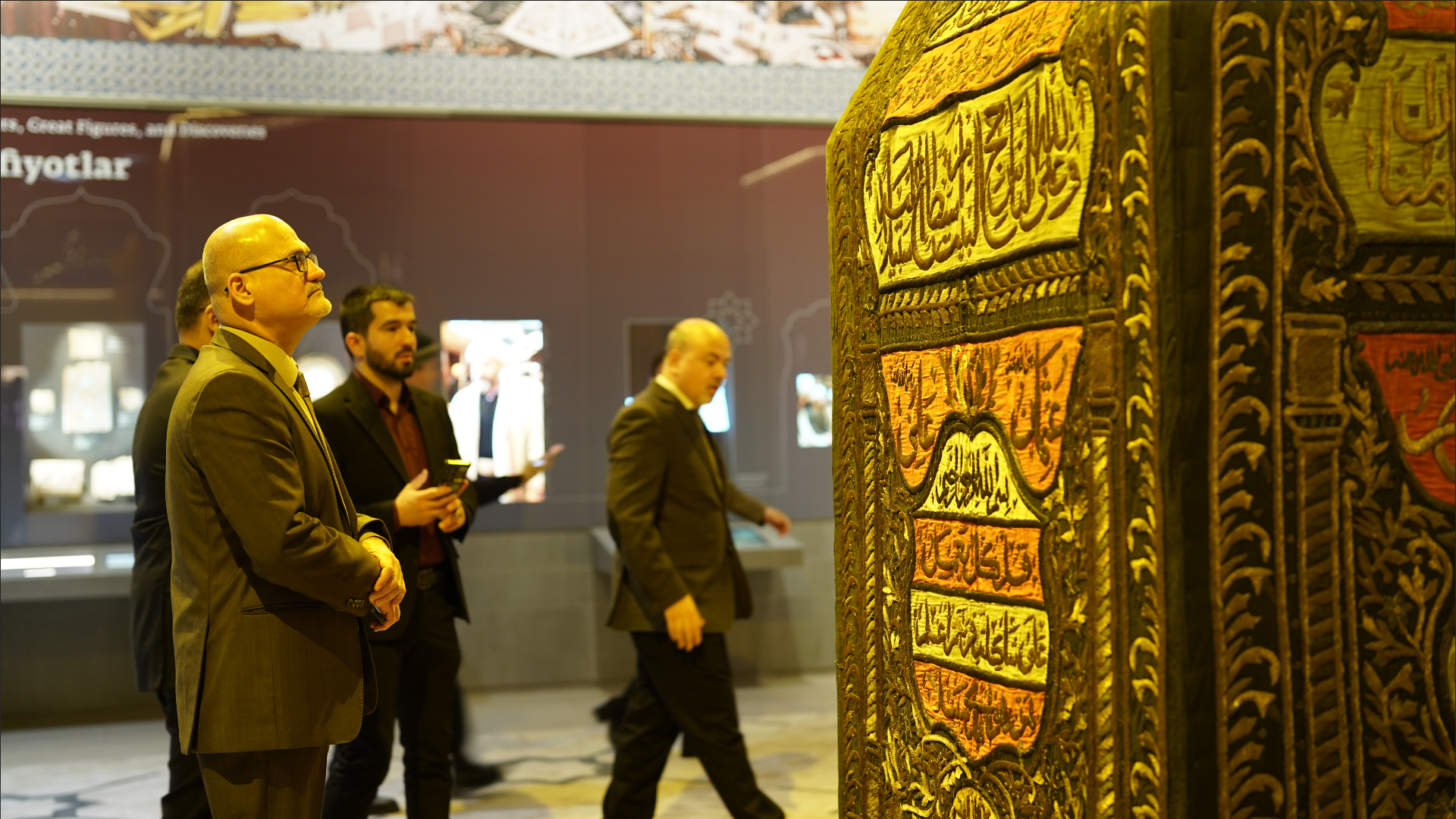
The visit of the Jordanian delegation once again demonstrated that the Islamic Civilization Center in Uzbekistan is not merely a museum. It is a unique cultural space that connects the past and the present, fosters spiritual dialogue between peoples, and points the way to the future. Here, history is not read it is felt, understood, and transformed into a source of inspiration.