
“Promoting the Center at the international level is essential,” believes the Director-General of the Saudi Fund for Development
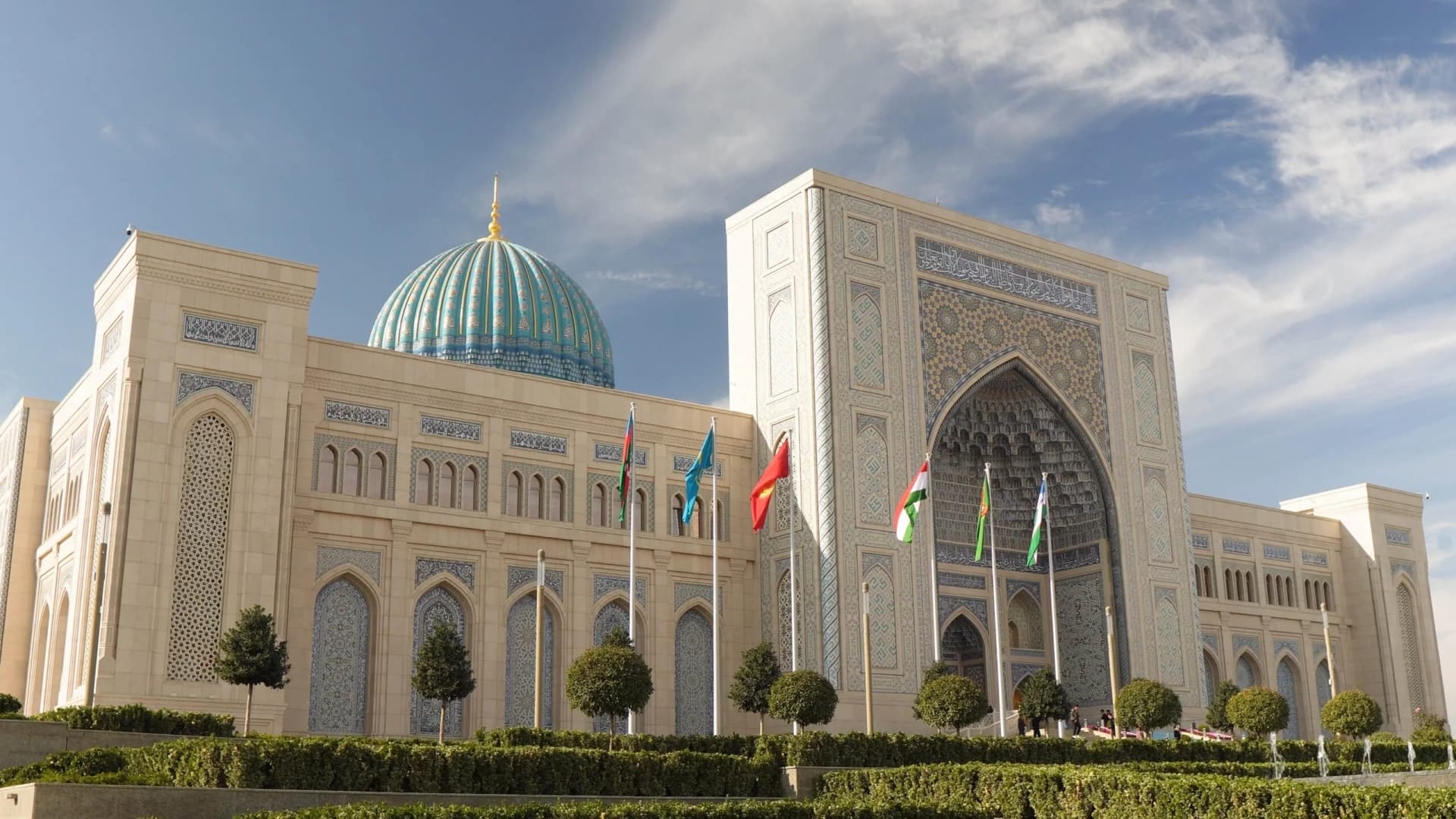
In today’s world, development is defined not only by economic indicators, but also by understanding history, preserving spiritual heritage, and building the future on that foundation. A place where this harmony can be seen in one space is the Islamic Civilization Center, built on the initiative of the President of Uzbekistan, Shavkat Mirziyoyev.
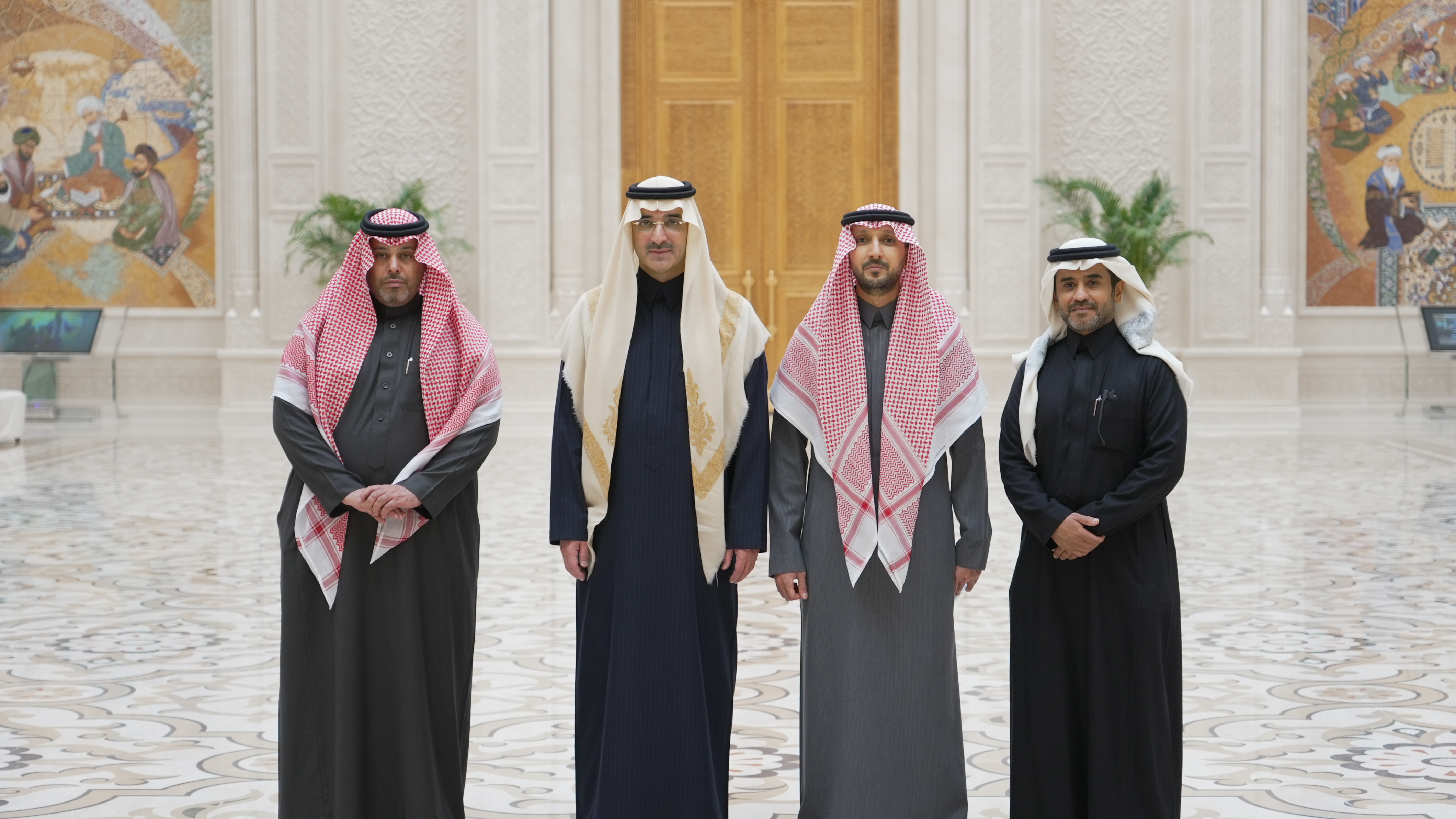
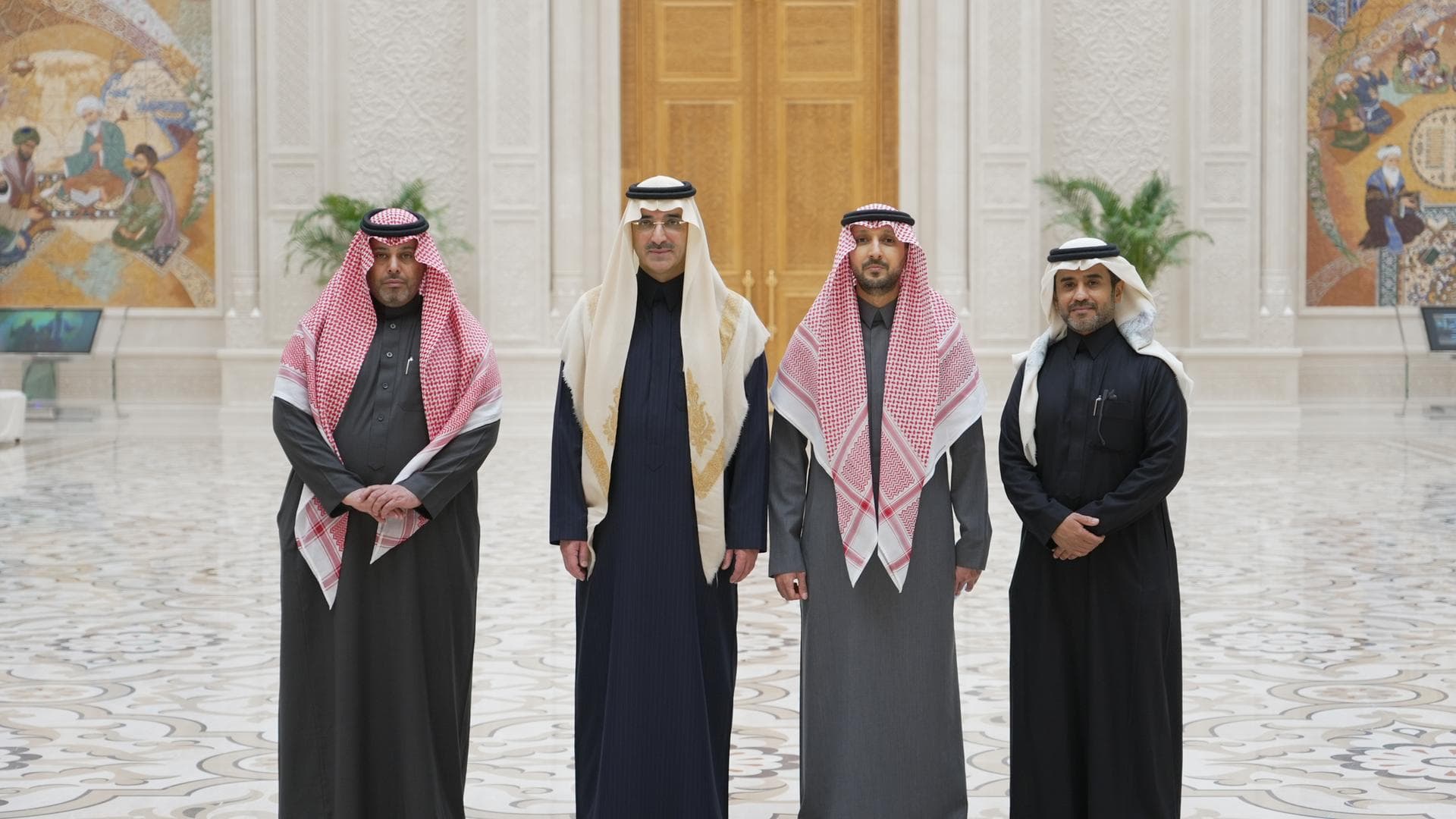
In order to witness these processes firsthand, a delegation led by Sultan Al-Marshad, Director-General of the Saudi Fund for Development, paid a visit to the Center. Through the exhibitions, the guests became closely acquainted with the pre-Islamic and Islamic periods of Uzbekistan’s history, the legacy of great scholars, and the country’s path of development over the past decade under the concept of the New Uzbekistan.
During the visit, members of the delegation noted that historical processes are presented at the Center in a consistent and logical sequence, and that the development of science and spirituality is shown in close connection with today’s reforms.
The exhibitions, which bring together numerous facts revealing that Uzbekistan’s development is based on deep historical and intellectual foundations, aroused particular interest among the guests.
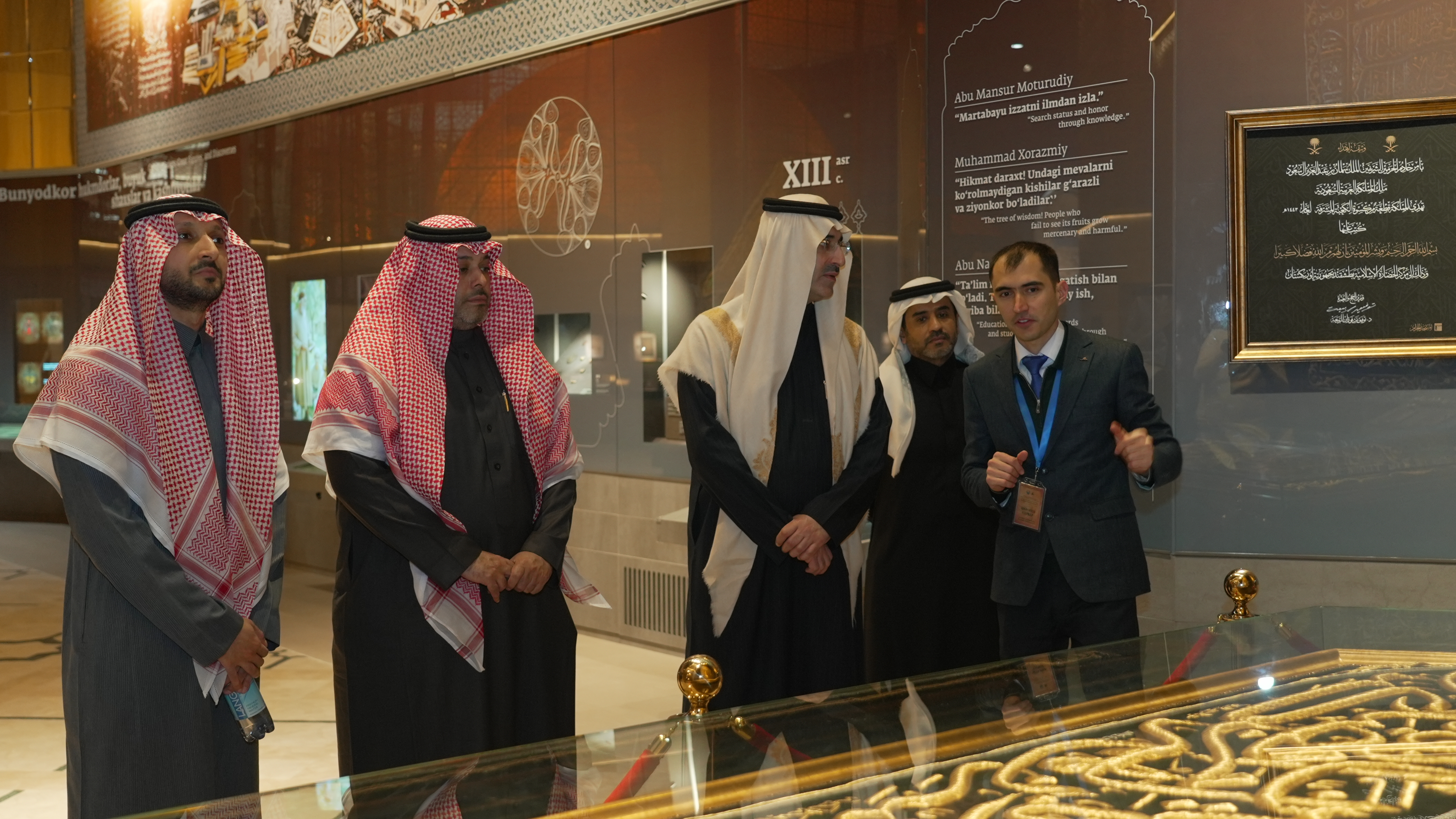
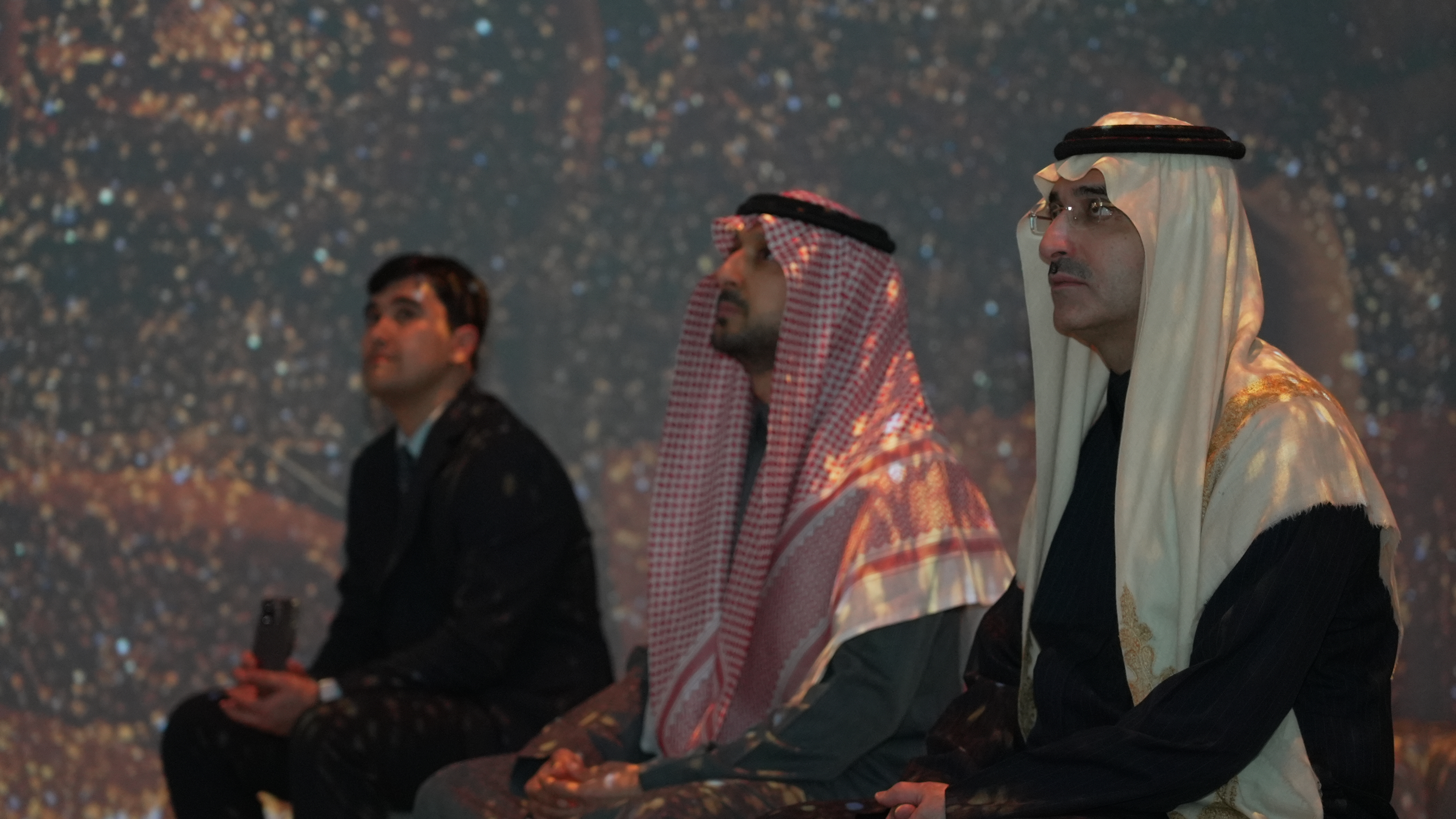
According to Sultan Al-Marshad, the exhibitions make it clearly evident that Uzbekistan holds a very significant place in the Islamic world. The Kaaba kiswah displayed at the Center was especially appreciated as a symbol of the religious and spiritual closeness between Uzbekistan and Saudi Arabia.
“This great Center conveys an important message to the entire world: it clearly demonstrates the pre-Islamic and Islamic paths of development of Uzbek civilization, as well as the country’s historical role and incomparable contribution to Islamic civilization. This contribution is clearly visible in science, the economy, and many other areas of development,” said the Director-General of the Saudi Fund for Development.
He also noted that the overall concept of the Center reveals the historical role of Uzbek civilization and its contribution to global scholarship. In his view, the Center clearly demonstrates not only historical heritage, but also the intrinsic connections between science, the economy, and the development of human thought.
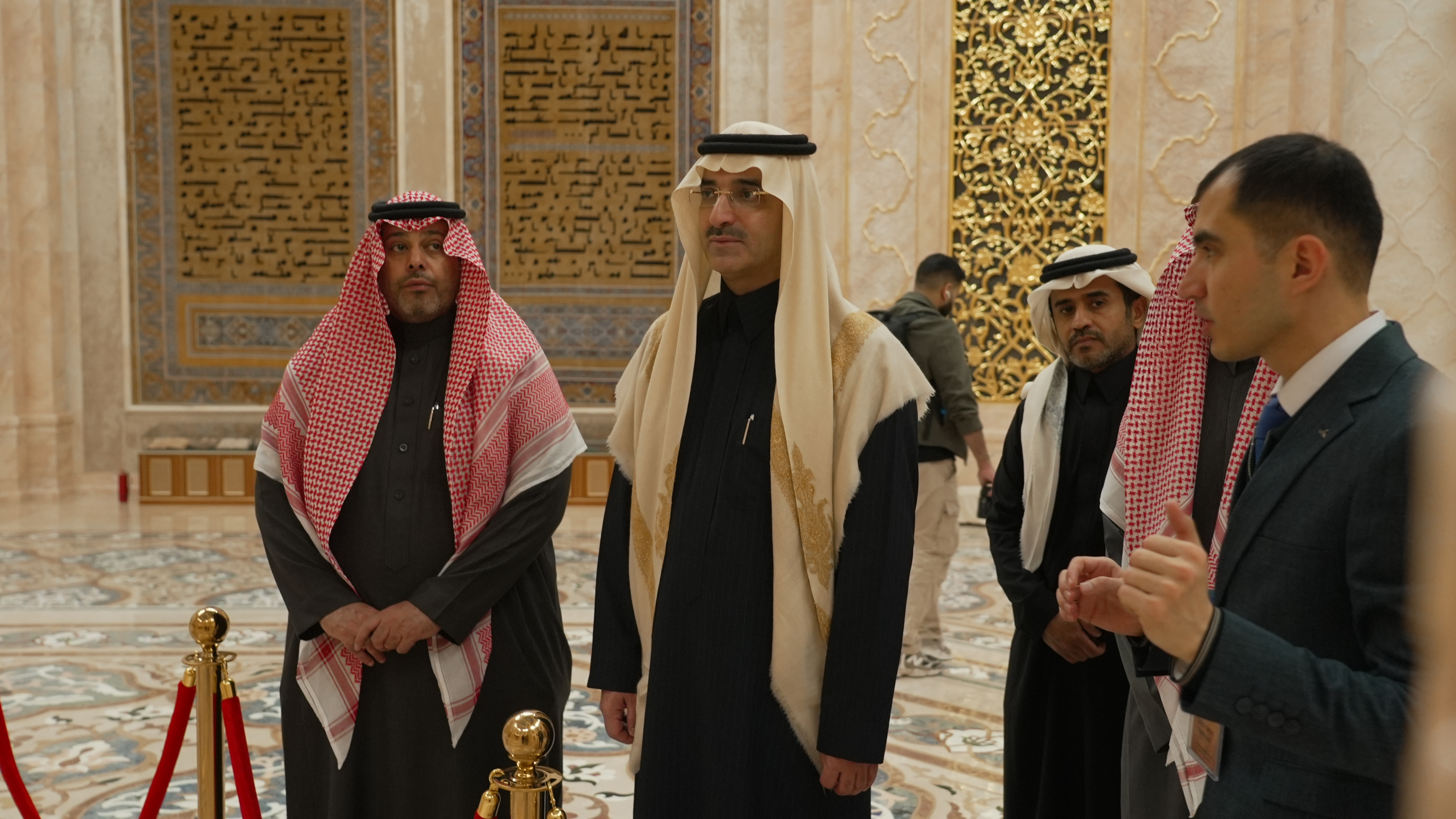
The Holy Qur’an Hall attracted special attention from the delegation members. It was emphasized that the calm atmosphere of the hall, its architectural design, and rare exhibits vividly express deep reverence for the Holy Qur’an.
Sultan Al-Marshad summarized his impressions of this section as follows:
“The Qur’an manuscripts displayed in the Holy Qur’an Hall clearly reflect the closeness and mutual respect between our two brotherly nations. God willing, these ties will continue to grow stronger.”
The delegation also visited the “New Uzbekistan — the Foundation of a New Renaissance” section and highly appreciated the clear and accessible presentation of the country’s recent achievements, ongoing reforms, and future goals.
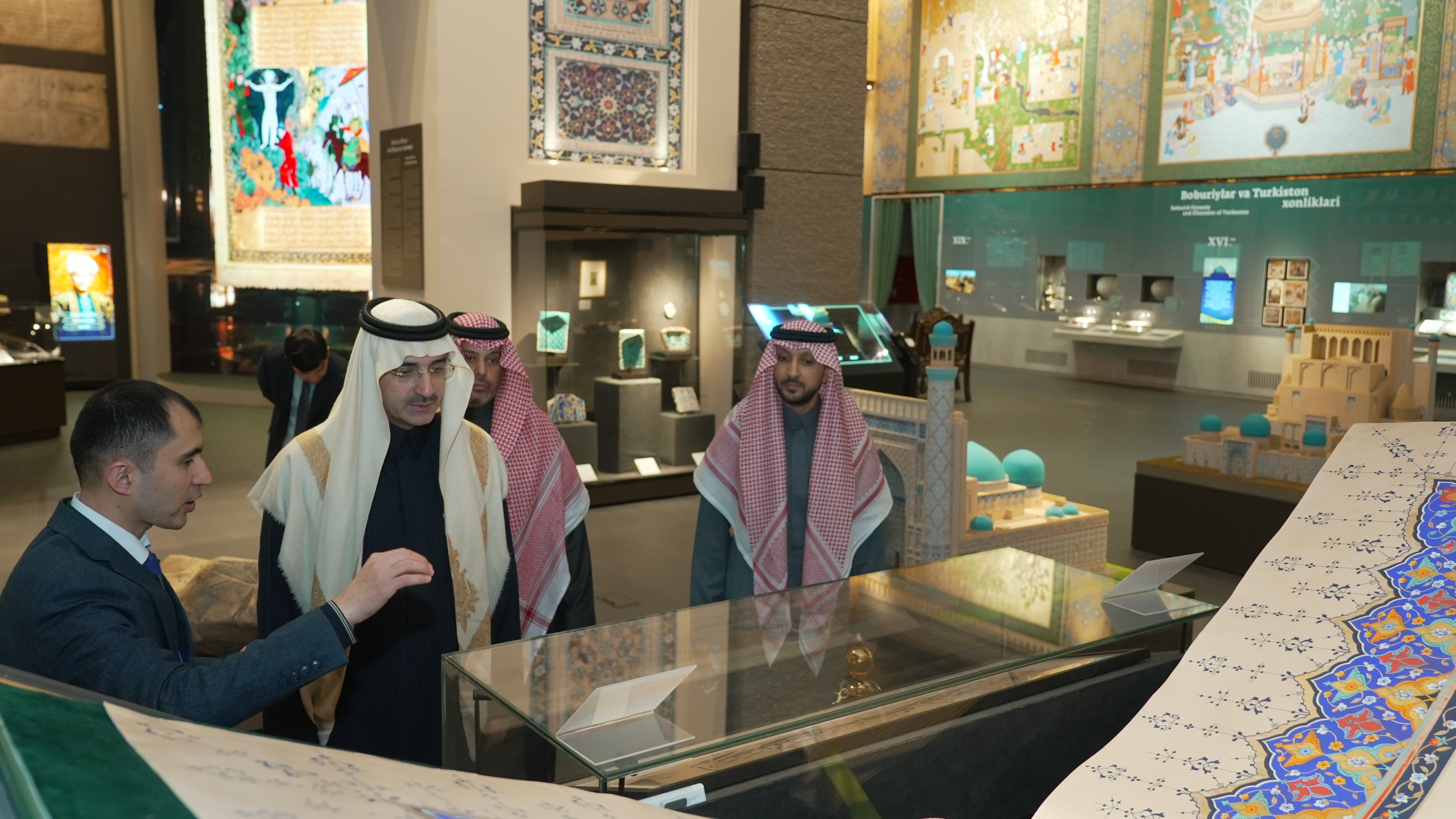
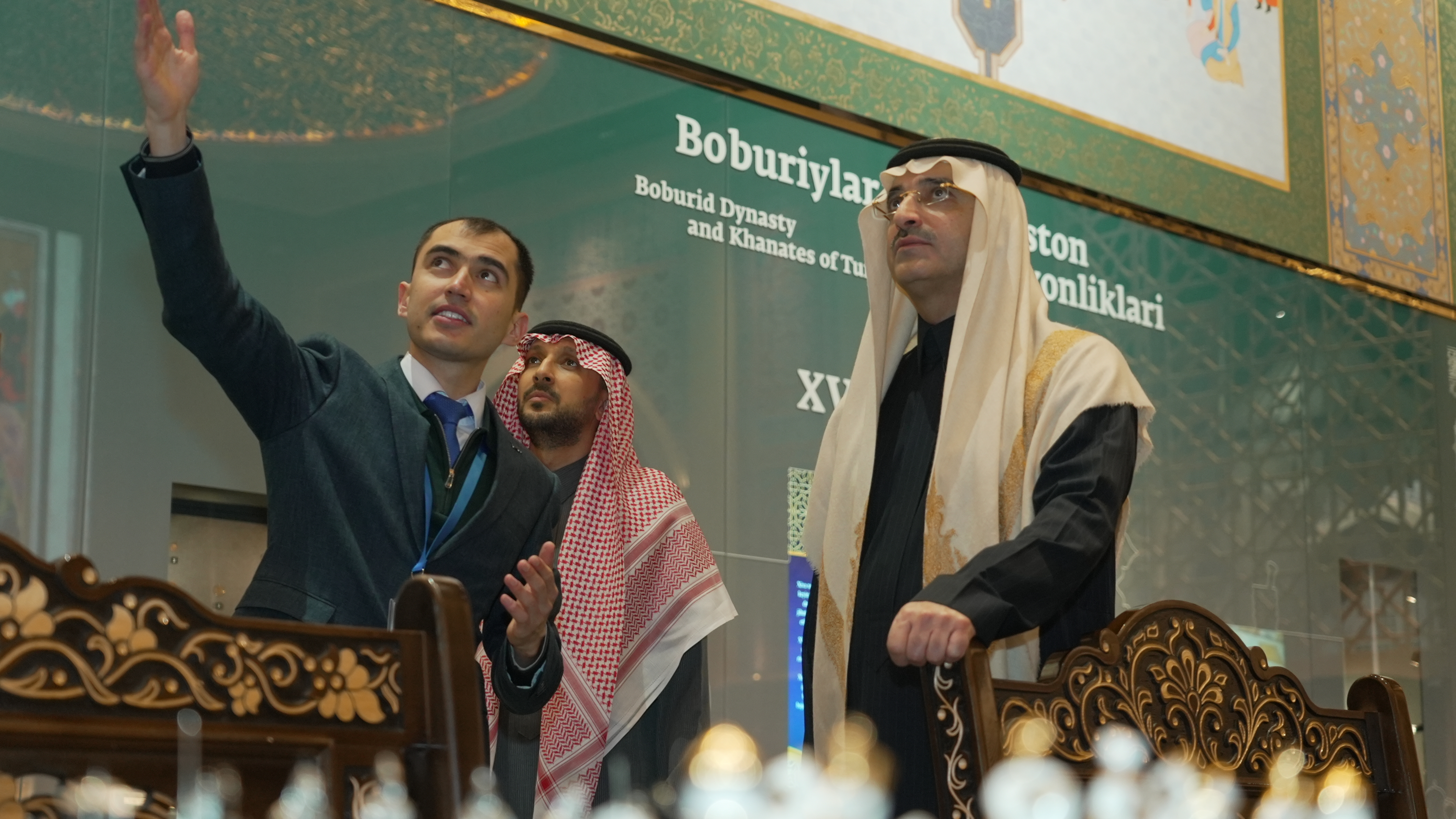
The guests noted that this section explains Uzbekistan’s current development to an international audience in a simple and convincing manner.
At the conclusion of the visit, Sultan Al-Marshad emphasized the importance of promoting the Center on a global scale, expressing confidence that this would help the international community gain a deeper understanding of Uzbekistan’s history and its civilizational path. In his view, this complex, built on the initiative of President Shavkat Mirziyoyev, is a significant cultural space that presents Uzbekistan’s past, present, and future as a single, unified historical narrative.