
Distinguished guests were impressed by the large-scale and significant initiative of President Shavkat Mirziyoyev
As previously reported, within the framework of the 46th General Assembly of the Olympic Council of Asia, which will be held in Tashkent on January 26, representatives of the international sports community and global expert circles visited Uzbekistan.
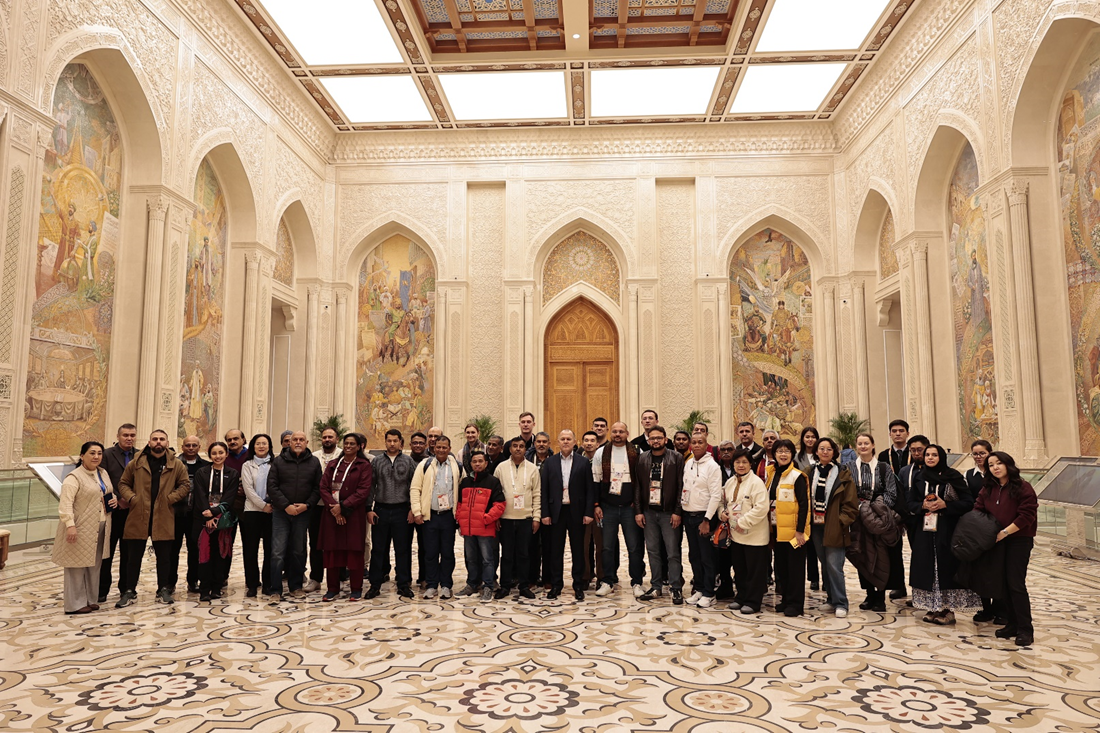
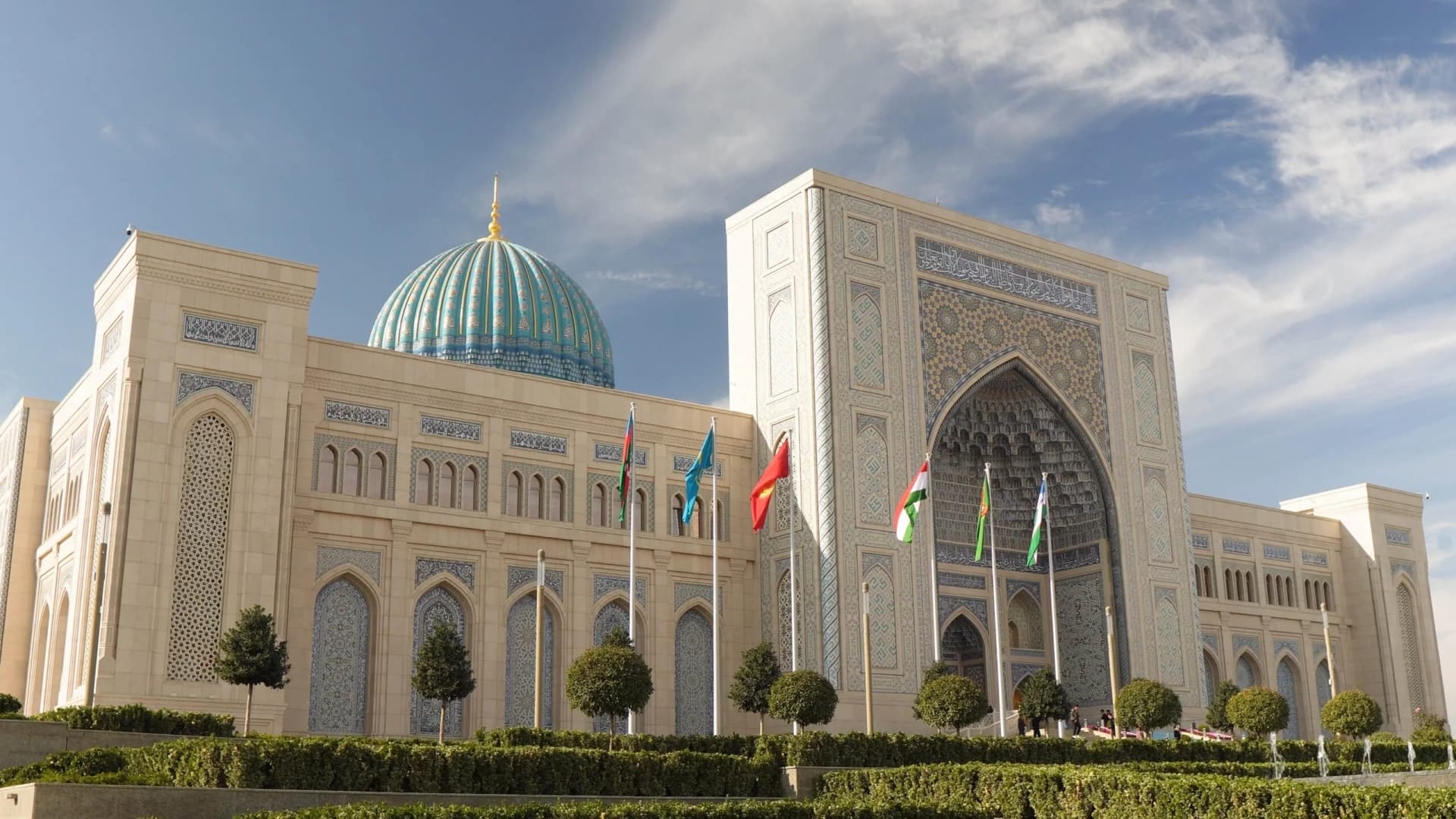
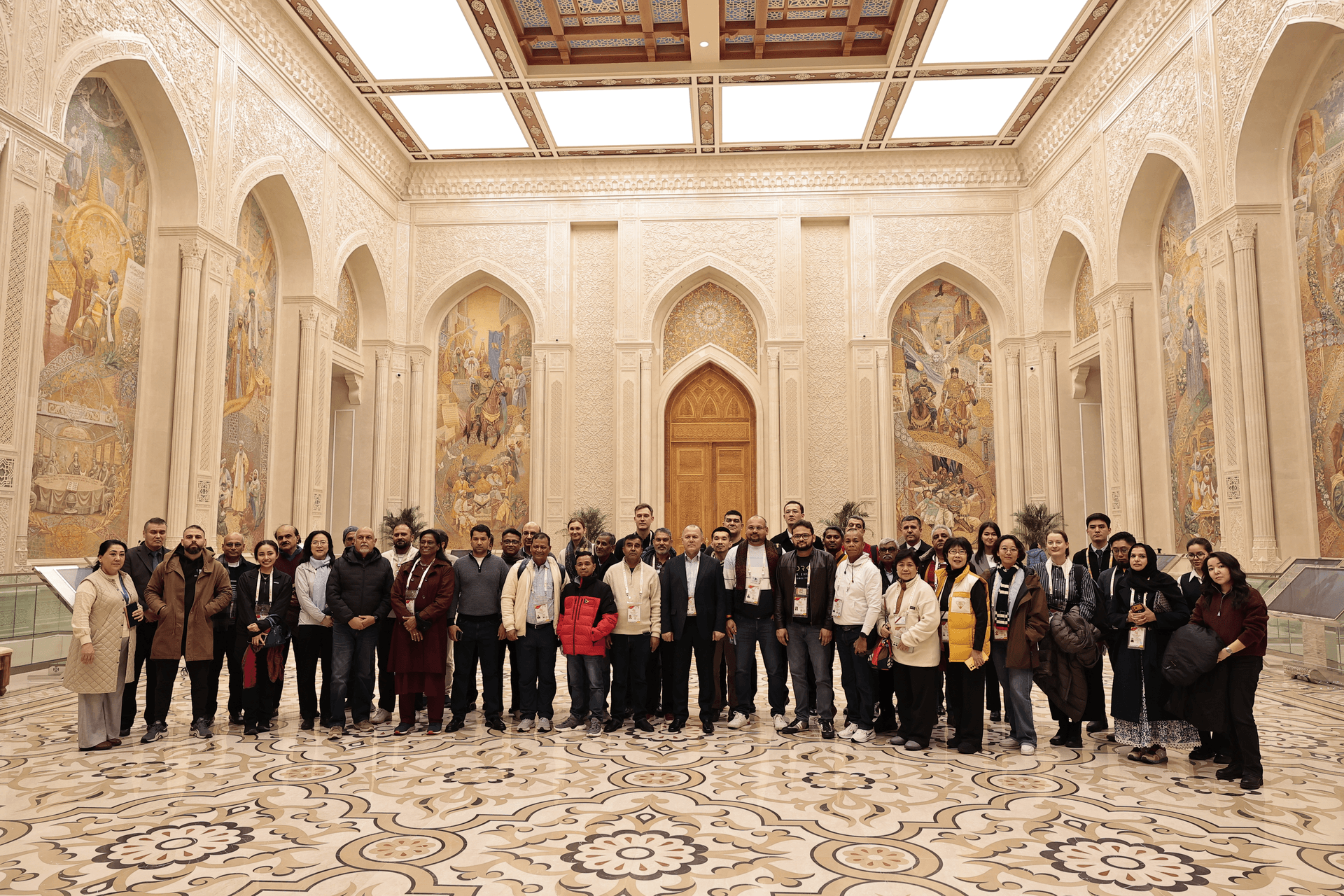
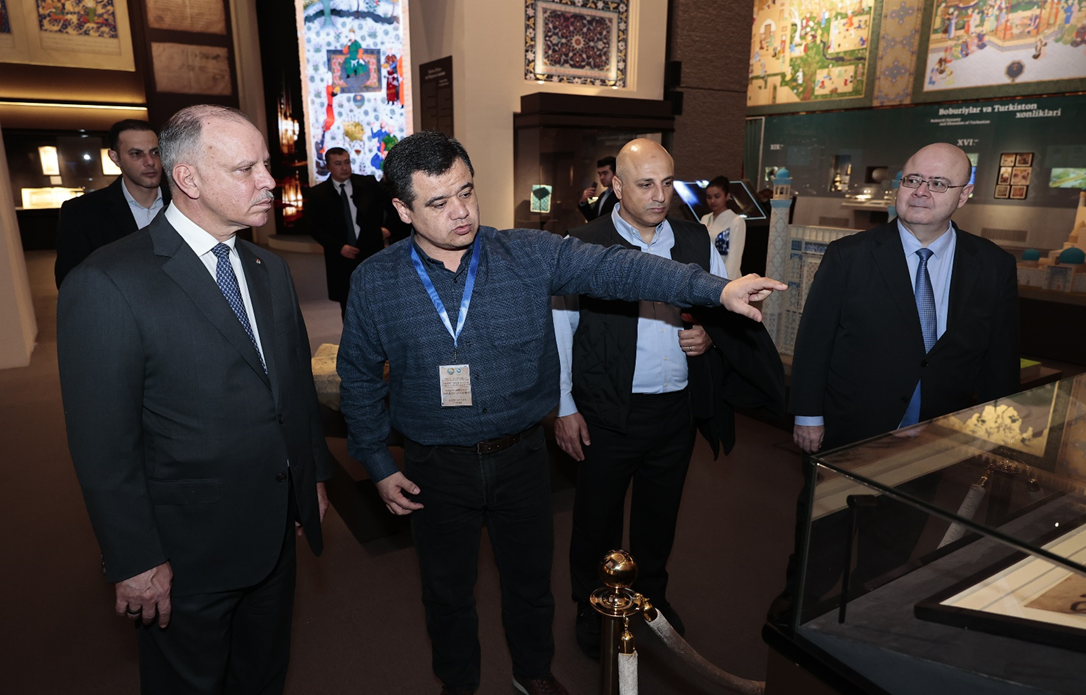
Accompanied by the National Olympic Committee of Uzbekistan, leaders of a number of prestigious international organizations and high-ranking guests visited the Islamic Civilization Center in Uzbekistan, established on the initiative of the President of Uzbekistan, Shavkat Mirziyoyev, where they became closely acquainted with a vivid example of the harmony between history, science, and modern innovation embodied in this unique complex.
Among the participants of this visit were Sheikh Fahad Nasser Sabah Al-Ahmad Al Sabah, President of the Kuwait National Olympic Committee and Chairman of the “Peace Through Sport” Committee of the Olympic Council of Asia; His Royal Highness Prince Faisal Bin Al Hussein, President of the Jordan Olympic Committee and member of the Executive Board of the International Olympic Committee; Suma Chakrabarti, Adviser on economic development, effective governance, and international cooperation; Witold Bańka, President of the World Anti-Doping Agency; as well as Michael Degtyarev, Minister of Sports of the Russian Federation and President of the Russian Olympic Committee.
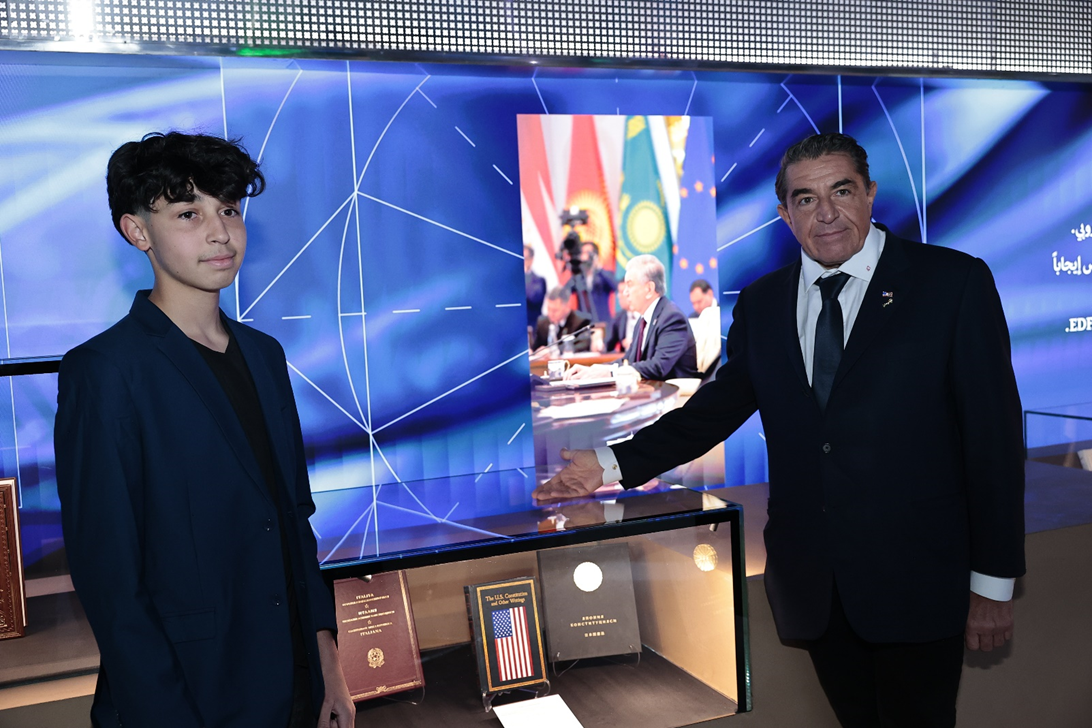
Notably, Paolo Zampolli, Special Envoy of the President of the United States, who had visited the Center’s exhibitions the previous day, returned once again to the Islamic Civilization Center. This time, arriving together with his son, he paid special attention to the fact that history in this space is not merely displayed, but created as a living, thought-provoking, dialog-inviting, and deeply experiential environment through modern museum solutions. The high-ranking guest also noted with appreciation that the book of the U.S. Constitution he had presented to the Center the day before had been placed in a special display case, emphasizing that he would convey his warm impressions and reflections to U.S. President Donald Trump. Once again, he highly praised the Center’s scientific and educational concept, the conceptual integrity of its historical exhibitions, and the impactful solutions achieved through the integration of innovative technologies.
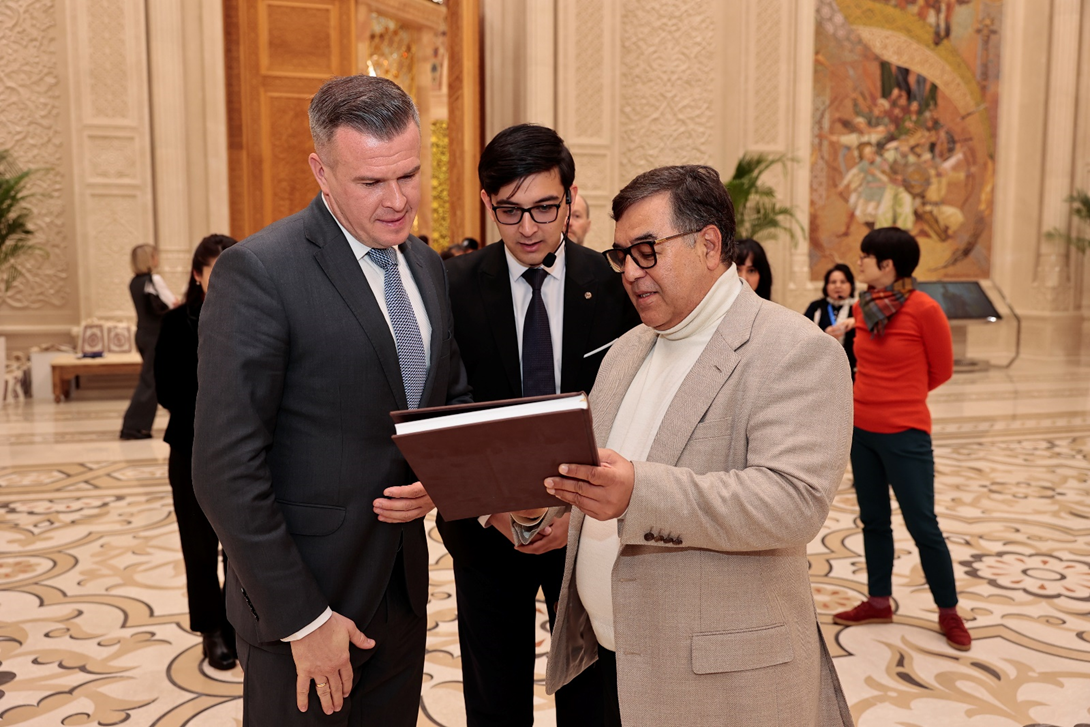
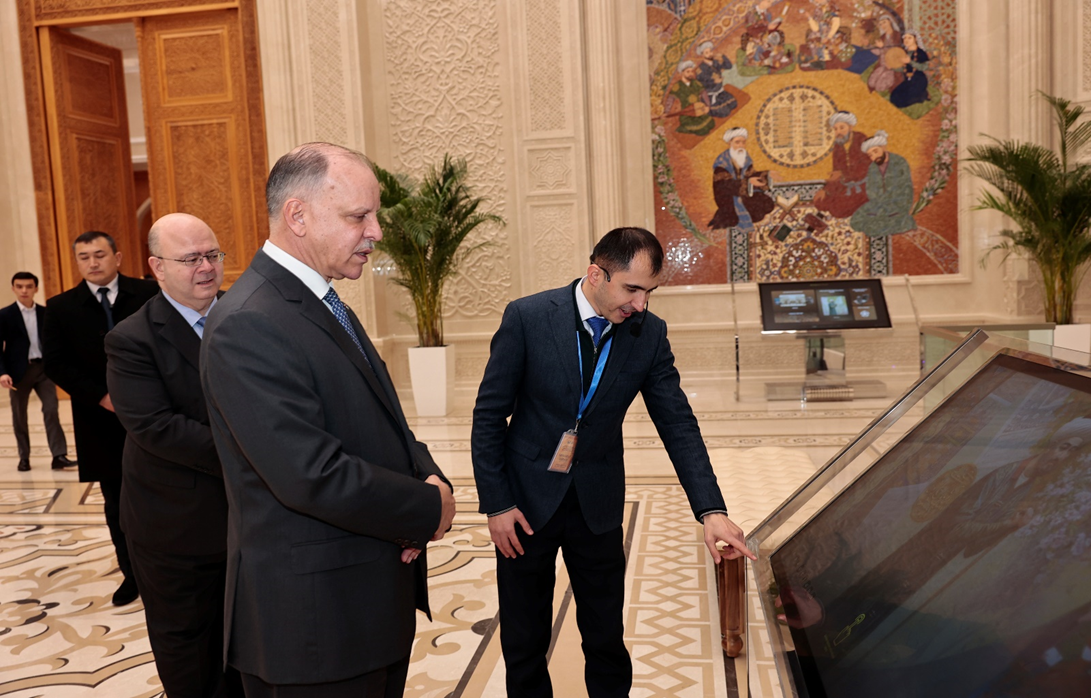
During the visit, the distinguished guests first became acquainted with the “Hall of Honor” exhibition, dedicated to the First and Second Renaissance periods and reflecting the development of science and spiritual thought in Central Asia. This hall, composed of fourteen symbolic arches, presents the figures of Al-Khwarizmi and Al-Farghani, Imam Bukhari and Imam Tirmidhi, Ibn Sina and Al-Biruni, Jalal al-Din Manguberdi, Amir Temur, Mirzo Ulugh Beg, Alisher Navoi, Zahiriddin Muhammad Babur, as well as the Jadid enlightenment figures, as a single, continuous historical process.
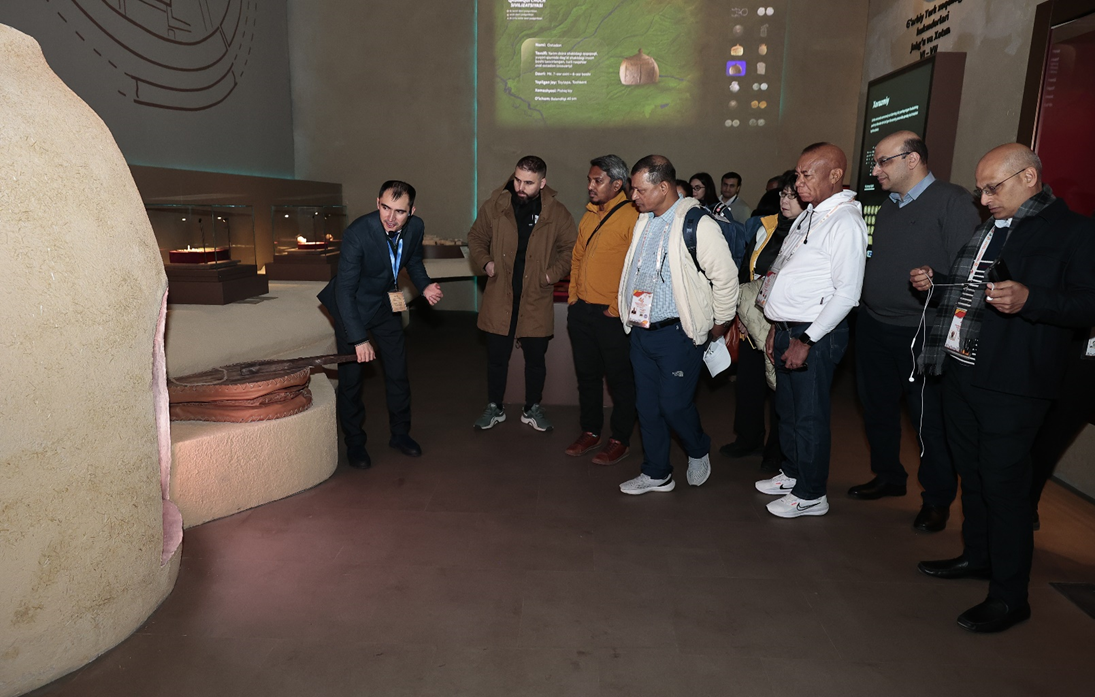
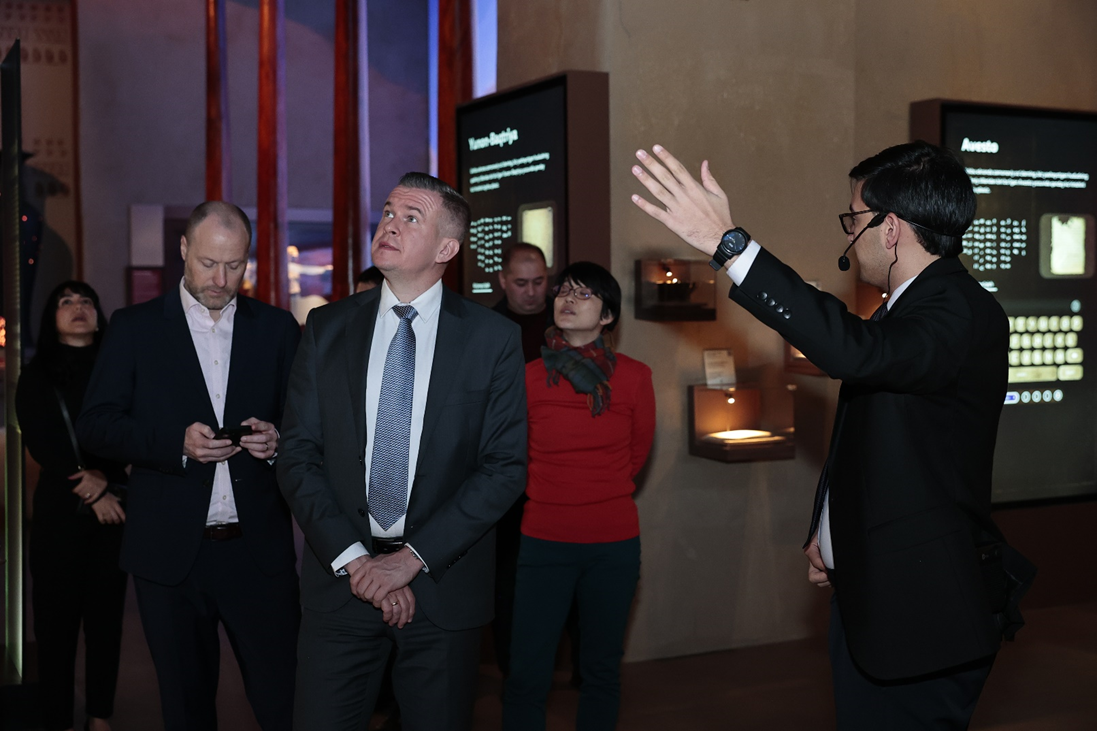
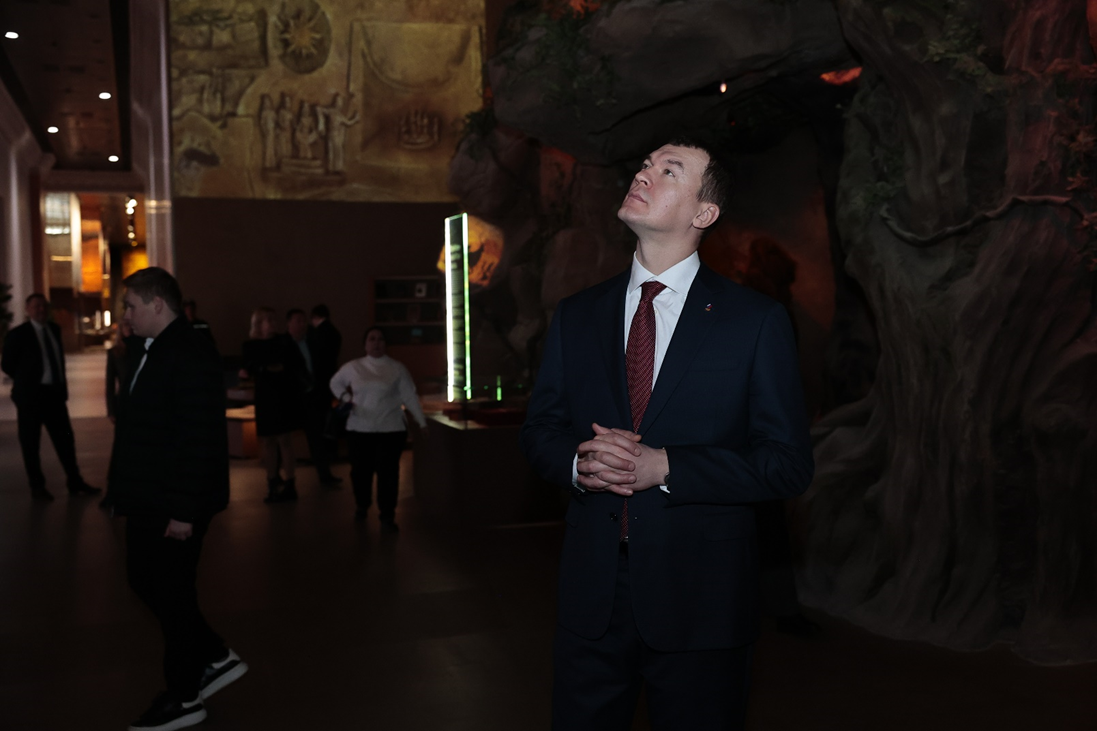
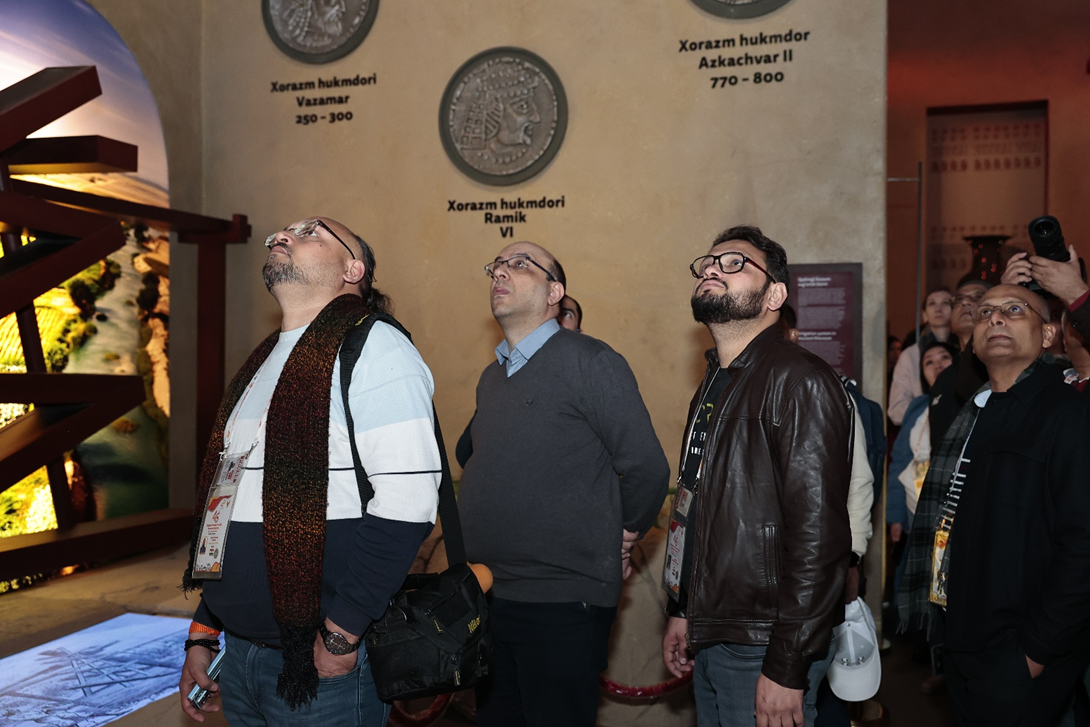
The pre-Islamic period exhibition of the Center’s museum also aroused great interest among the guests. It features rare ancient coins, an ancient chess set symbolizing early intellectual thought, as well as historical garments and textiles from various periods. These exhibits clearly demonstrate that even before the advent of Islam, the territory of Central Asia possessed a highly developed cultural environment, advanced economic relations, and deep traditions of intellectual reflection. In particular, the presentation of authentic artifacts, interactive content on the “Wall of Civilizations and Discoveries,” and modernly designed models of ancient urban settlements created a tangible sense of experiencing history.
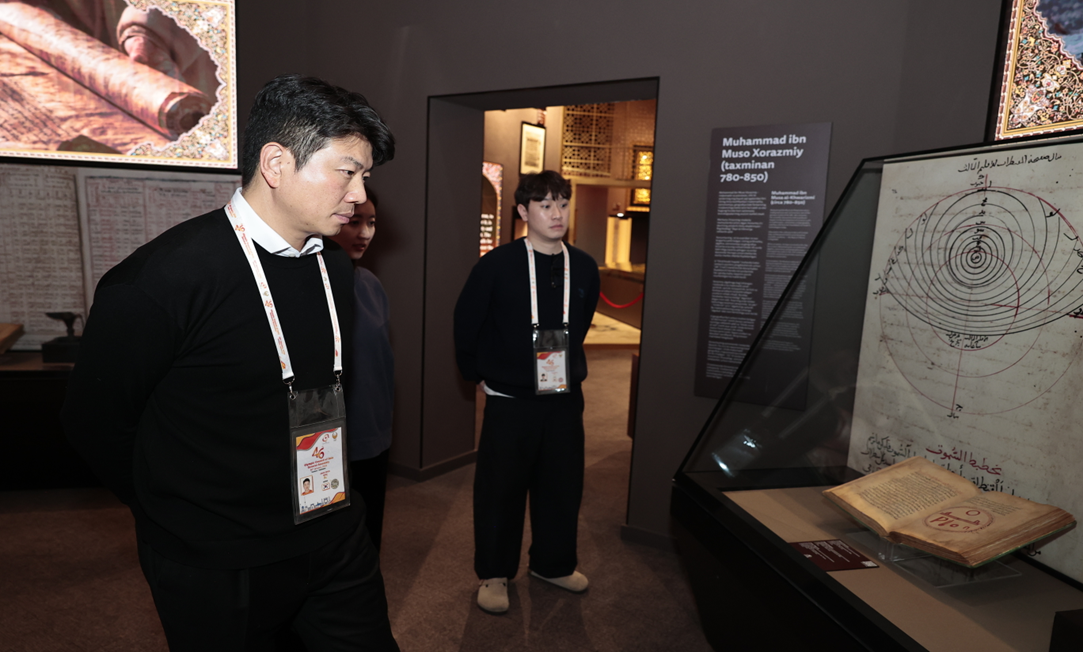
The Center’s First Renaissance section drew particular attention from the guests. Through six interactive capsules installed in this section, it is powerfully demonstrated that in the IX–XII centuries religion and science did not contradict one another, but rather developed in harmony. Through the digital avatars of such scholars as Muhammad al-Khwarizmi, Abu Rayhan al-Biruni, and Ibn Sina, visitors were able to directly engage with their scientific views and their approaches to both secular and religious knowledge. This solution has transformed the Center from a traditional museum into a scientific and educational platform.
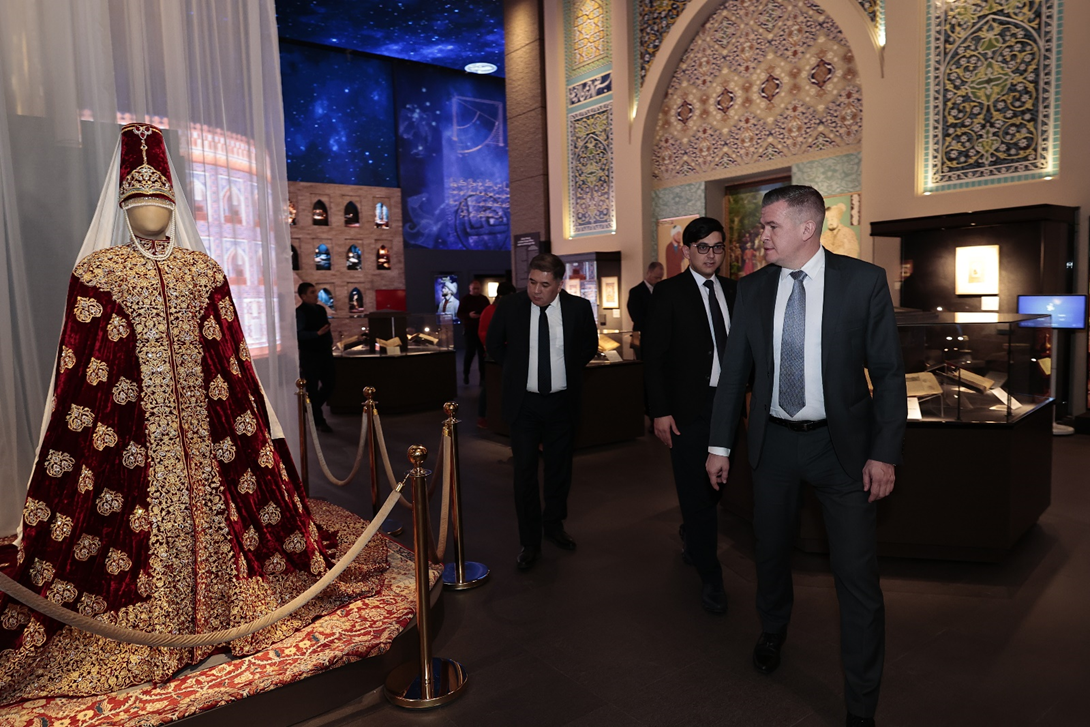
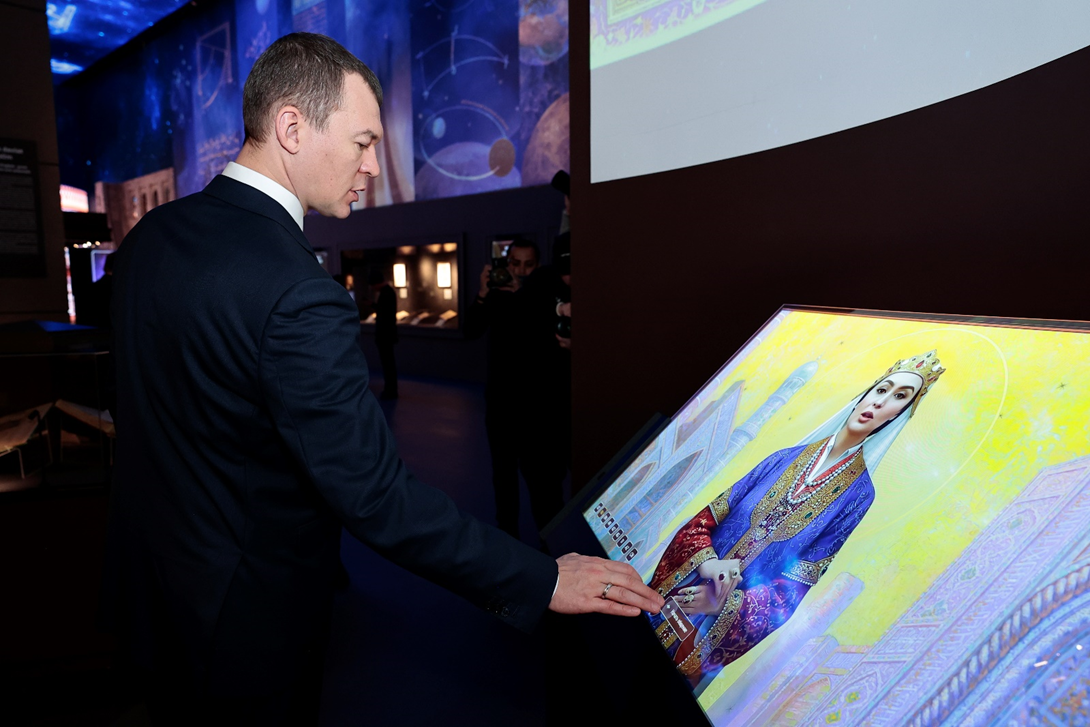
The Second Renaissance section highlights the spiritual and intellectual power of the Timurid era. Through manuscripts, architectural models, and visual installations, it vividly demonstrates that during the reign of Amir Temur and the Timurid dynasty, patronage of science was elevated to the level of state policy, and that the conditions created for scholars, architects, and artists turned Samarkand and Herat into scientific centers of global significance. This left a strong impression on all visitors.
The distinguished guests also visited the exhibition reflecting the idea of the Third Renaissance embodied in New Uzbekistan. This section clearly shows how, through large-scale reforms implemented in recent years, as well as policies focused on science, education, innovation, and openness, Uzbekistan is steadily strengthening its voice and position in the global community. The guests acknowledged that this section serves as a spiritual bridge between the present and the future, expressing the rising image of New Uzbekistan.
In addition, the delegation members became acquainted with the “Holy Qur’an Hall,” where the rare Uthman Mushaf is preserved, alongside rare manuscript copies of the Qur’an, ancient bookmaking traditions, and the development of Islamic calligraphic art. The fact that the Uthman Mushaf displayed at the center of the hall is included in UNESCO’s “Memory of the World” Register was highly appreciated, and it was especially recognized as an important and reliable source in the history of Islamic civilization.
Sheikh Joaan Bin Hamad Al Thani, First Vice President of the Association of National Olympic Committees, President of the Qatar Olympic Committee:
“It is difficult to single out any one particular aspect of this Center — everything is exceptionally beautiful and thoughtfully designed. The period from three millennia before Christ up to today’s New Uzbekistan is presented in a consistent and logical manner. This clearly and vividly demonstrates the profound transformations the country has undergone over time. I extend my very best wishes to you.
My first impressions of the Islamic Civilization Center are truly excellent. To be honest, I did not expect all the information to be presented in such a simple, clear, and impactful way. This left a very strong impression on me. I express my deep gratitude for all the work that has been done. First and foremost, I would like to sincerely thank your President, the government, and the entire people of Uzbekistan.
It is no coincidence that this Center was established on the initiative of your President. He has undertaken an immense and highly responsible task. Preserving Islamic history and its rich heritage and conveying it to the wider public through modern, clear, and accessible visual means requires great effort and a high level of vision. This is a true place of learning and understanding. Every visitor whether Muslim or not can easily comprehend history and culture here. Behind all of this lies tremendous dedication and hard work.”
Michael Degtyarev, Minister of Sports of the Russian Federation, President of the Russian Olympic Committee:
“I can say that I was left with very pleasant impressions. At the instruction of the President of the Republic of Uzbekistan, Shavkat Mirziyoyev, a great deal of work has been accomplished here. It is clearly felt that the Center was built with care and at a very high quality. Historically, the exhibitions are presented with great depth, which certainly deserves great respect. I am confident that this Center will attract strong interest not only from the people of Uzbekistan, but also from millions of visitors coming to Tashkent.
Among the artifacts, the carpet from Bactria dating back to the 1st–2nd centuries AD made a particularly strong impression on me. I observed with admiration that such rare items have been preserved and are displayed here with exceptional care.
As for the exhibitions, since I am an engineer by profession, the section dedicated to Mirzo Ulugh Beg as a representative of astronomy and fundamental sciences appealed to me the most. At a time when people in Europe were largely unaware of basic concepts of hygiene, Asia was already observing the stars and achieving a very high level of scientific development.
Regarding sports, we always support Uzbek athletes on the international stage. Taking this opportunity, I congratulate the national team of Uzbekistan on qualifying for the Football World Championship.
Overall, traditions in the field of sports are very well established. Russian and Uzbek athletes regularly train together, and the exchange of experience is well organized. I believe this cooperation will continue to expand, and I wish Uzbek athletes great success.”
Majid Rashed, President of the Asian Paralympic Committee:
“To be honest, it is difficult for me to find words to express my feelings right now. I am truly amazed by what I have seen and witnessed here; I am deeply impressed and wholeheartedly delighted. Frankly speaking, I have never seen a place like this anywhere in the world.
This place is very carefully planned, exceptionally well crafted, excellently organized, and developed in remarkable detail. Here, the history of Islam, as well as the rich history and civilization of Uzbekistan, are presented in a very deep and clear manner.
On behalf of everyone, I would like to express my profound gratitude to His Excellency the President of the Republic of Uzbekistan, Shavkat Mirziyoyev, and also thank all those who worked on this project. In my opinion, this Center will become not only a landmark for Uzbekistan, but a key destination for people all over the world who wish to understand the true essence of Islam.
My emotions were especially strong when I saw the original Kiswah in the First Renaissance section of the Center. I even felt like jumping up and touching it. This is not just about seeing an object — the authentic Kiswah stands right before your eyes. In addition, we saw that the historical covering of Maqam Ibrahim and the Kiswah are also displayed here in their original form.
The legacy of great Islamic scholars and philosophers — Al-Khwarizmi, Ibn Sina, Al-Farabi — as well as the eminent representatives of hadith studies, Al-Bukhari and Al-Tirmidhi, is also presented here in great depth. This is the story of great figures who taught the world what algebra is, what the sciences of language and space are, and who created a globe without satellites, computers, or any modern tools.
For this reason, I believe that this place has today become a central hub of Islamic history.
As for sports, at the Asian Youth Para Games held in Dubai, Uzbekistan competed with a very young team and amazed everyone. They are athletes full of determination and strong inner energy. As a result, they outperformed countries with larger numbers of athletes and far greater experience, securing first place. Today, Uzbekistan is seeing the results of its strategic planning. This is a stable system, practical action, and real results.
I would like to emphasize in particular that the support of President Shavkat Mirziyoyev is extremely important. I can describe him as a fatherly, compassionate leader for the people, especially for persons with disabilities. This support motivates families, inspires young people, and encourages everyone to strive for leading positions.
I do not know exactly how preparations are progressing for the Asian Games to be held in Nagoya this year, but I am confident that the future belongs to Uzbekistan. The Paralympic movement of Uzbekistan is working very successfully and with great dedication.
Of course, the joint efforts of the Olympic and Paralympic Committees of Uzbekistan are also clearly visible. I see a very bright and promising future here.”
Fahad Nasser Al-Sabah, President of the Kuwait Olympic Committee:
“First of all, on behalf of the Kuwait Olympic Committee, I would like to express my deep gratitude for the wonderful guided tour of this Islamic museum. We also visited the Olympic City. As you know, thanks to President Shavkat Mirziyoyev, every effort has been made to showcase how rich the culture and civilization of Uzbekistan truly are.
Therefore, on behalf of the Kuwait Olympic Committee, I would like to extend my sincere thanks to you.
Everything we saw at the Center is closely connected with Islamic countries. The Qur’an displayed here, as you know, is a true work of art. The building itself, the Qur’an, and the carpets around us — all of it is exceptionally beautiful.”
Paolo Zampolli, Special Envoy of the President of the United States:
“What impressed me the most here, without a doubt, was the Holy Qur’an. I had the honor of seeing it back in September. Yesterday I came again with members of the delegation, and today I returned once more, this time wishing to show it to my son, who had just arrived. This was a very unique and precious moment for me.
Overall, the Islamic Civilization Center is an incredibly impressive place. I believe that every time I come to Tashkent, I will certainly visit this Center. I also recommend it to others: coming to Tashkent alone is already worthwhile, but one should definitely come at least to see this Center. Uzbekistan is a very beautiful country, and the work carried out at this Center has been done with exceptional care, at a very high level, and with great responsibility. It left a very strong impression on me.
In this regard, I would like to express my deep gratitude to the President, to everyone supporting this Center, and to the dedicated team working here.
Assessing the activities of President Shavkat Mirziyoyev, I can say that he is a peace-loving leader with high human values and a forward-looking vision. He cares deeply about children and future generations, is able to unite people, and sincerely loves Uzbekistan. His main goal is to bring the country to a достойное place on the global stage.
We have also worked together on important agreements related to the Boeing company. As a result, many new aircraft will appear in Uzbekistan. Uzbekistan has the potential to become a major aviation hub for Central Asia, similar to Istanbul and Dubai, and we are cooperating effectively precisely in this direction.”
Witold Bańka, President of the World Anti-Doping Agency:
“Frankly speaking, I am genuinely amazed by how exceptionally well organized this place is. This is a major initiative of His Excellency the President, an invaluable gift for the country and its people, and an extremely attractive and engaging destination for tourists. I am confident that in the future millions of visitors will want to come here.
I am deeply honored to have had the opportunity to visit the Islamic Civilization Center before its official opening. I sincerely congratulate all the specialists who worked tirelessly to bring this Center into being — the builders, engineers, and, of course, your President, who put forward such a visionary and ambitious idea.
I would also like to emphasize that Uzbekistan is a country with great ambitions in the field of sports. The nation is becoming increasingly active in hosting major sporting competitions and important international events. Simply being here today is clear evidence that Uzbekistan’s position on the global sports stage is steadily strengthening.”