
“This is one of the greatest museums I have ever seen,” said a German professor
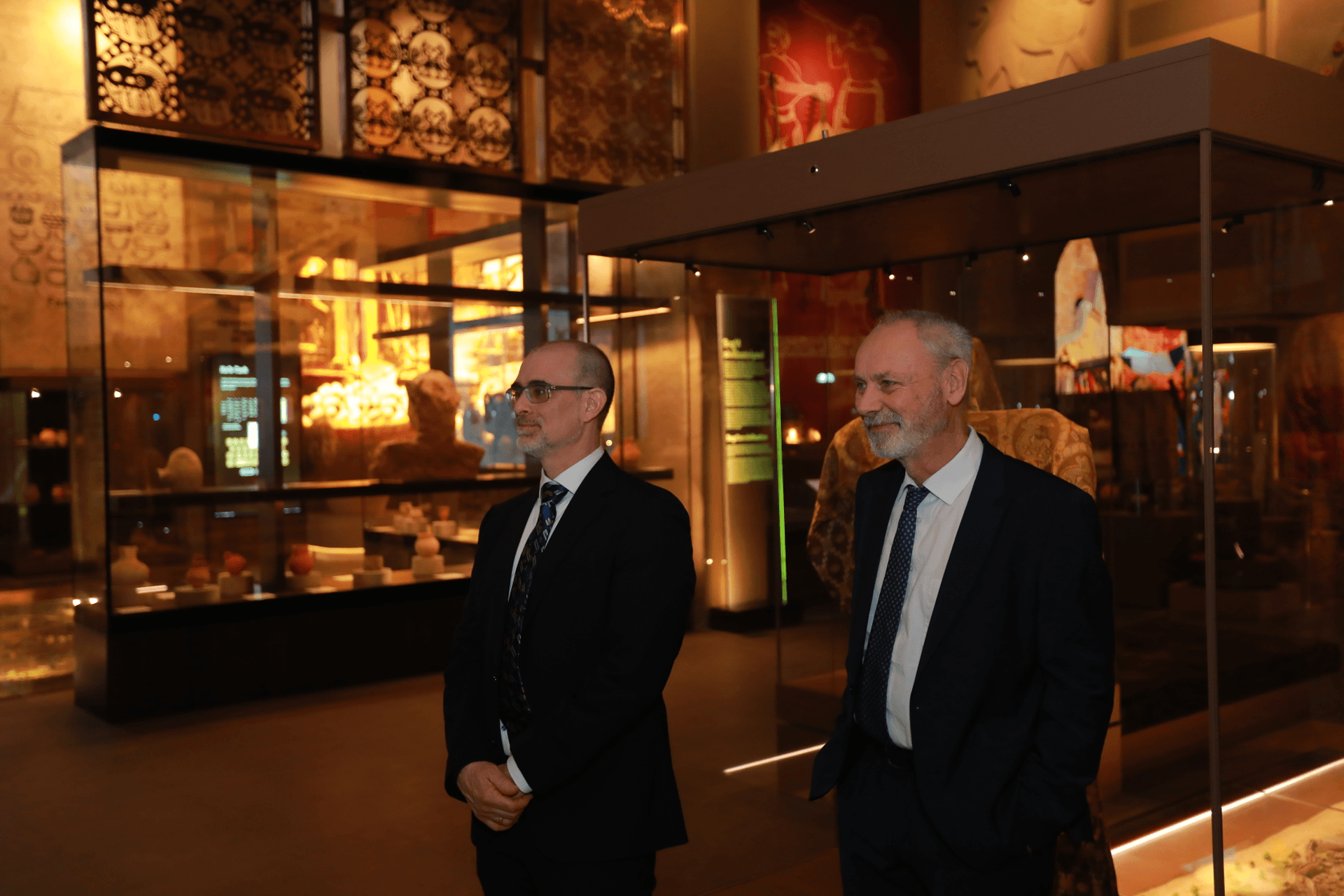
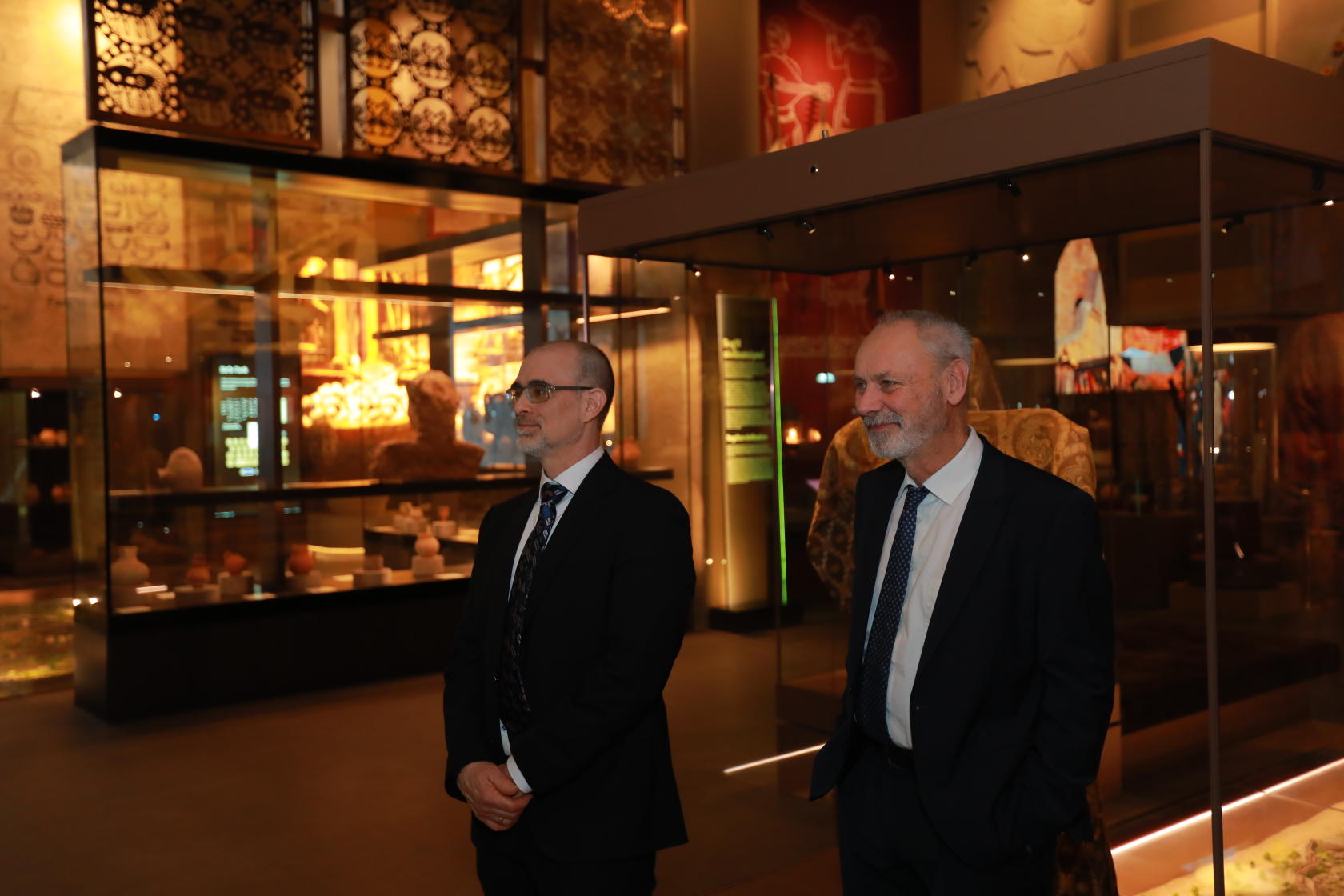
Germany’s academic elite came face to face with history, science, and intellectual thought in Uzbekistan. A delegation led by Dr. Thomas Frank Münte, President of Lübeck University, visited the Islamic Civilization Center established on the initiative of President Shavkat Mirziyoyev and became closely acquainted with the harmony between Central Asia’s scholarly heritage and modern museum solutions.
During the visit, the guests emphasized that the Islamic Civilization Center does not merely display history, but has been shaped as a scientific and cultural space that encourages critical thinking, sparks interest in knowledge, and activates intellectual reflection.
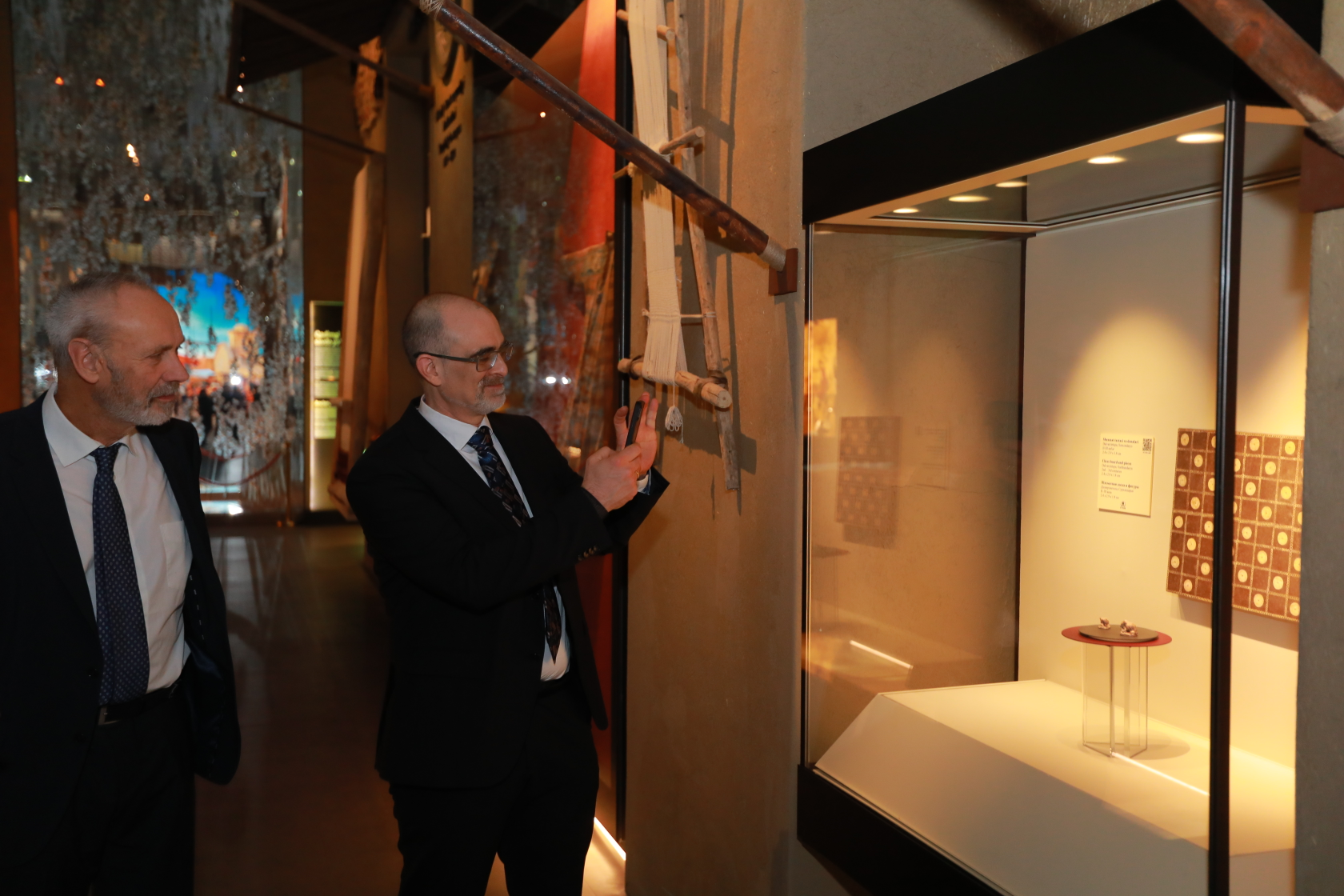
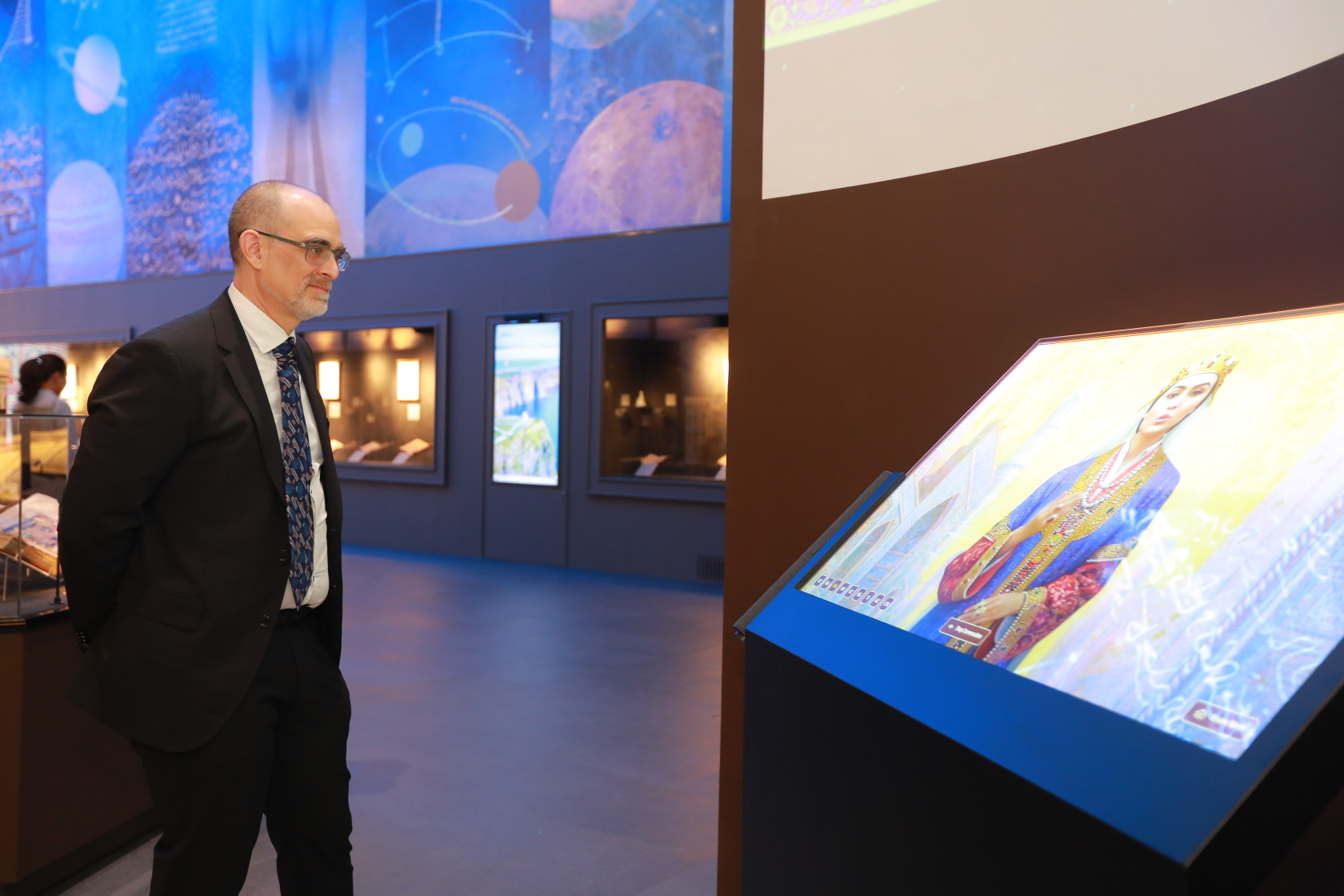
Moving step by step through the Center, delegation members encountered the spirit of each era in every hall. The tour began in the Hall of Honor and concluded in the Hall of the Holy Qur’an. The exhibitions, which present ancient civilizations, the intellectual legacy of the Islamic Renaissance, and the development of modern Uzbekistan as a single historical continuum, allowed the guests to deeply sense the scale of Central Asia’s scholarly tradition.
The central highlight of the visit for the delegation was the exhibition dedicated to Abu Ali ibn Sina in the First Renaissance section. Here, Ibn Sina is presented not merely as a historical figure, but as a timeless phenomenon of scientific and medical thought. The revival of his medical and philosophical ideas through modern visual and interactive tools was particularly appreciated by the guests.
The interactive surgical game displayed on the “Wall of Civilizations and Discoveries” was evaluated as an unconventional solution that transforms historical knowledge into practical experience. Delegation members noted that this format is highly effective in drawing young people closer to medical science and stimulating professional interest.
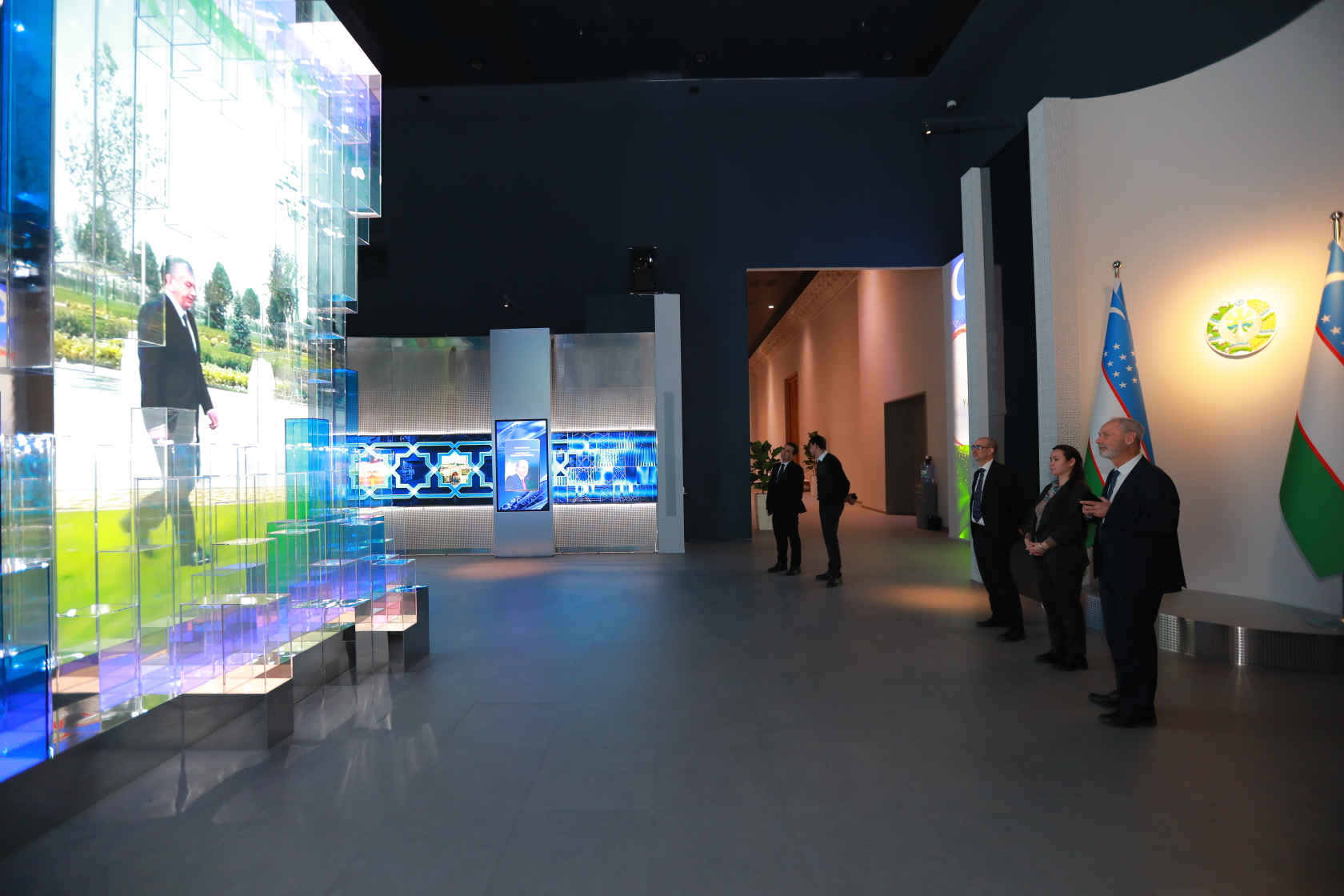
At the conclusion of the visit, the guests expressed their gratitude to the initiator and author of the project, President Shavkat Mirziyoyev, emphasizing that the Islamic Civilization Center is not a place that merely “shows” history, but a scientific and cultural space that compels reflection, raises questions, and sets intellectual thought in motion.
Dr. Thomas Frank Münte, President of Lübeck University, Germany:
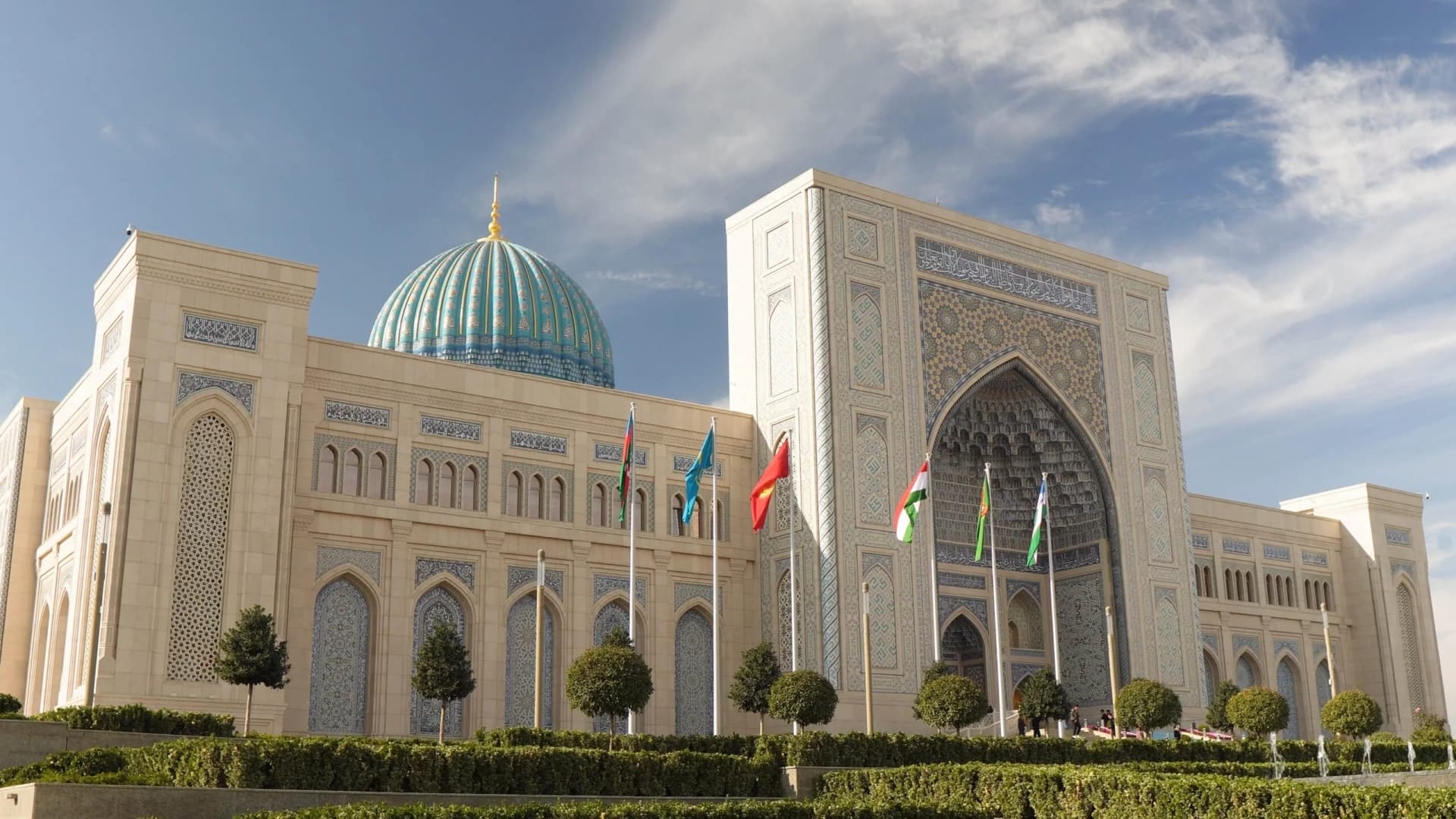
“First of all, the architectural design of the Center impressed me greatly. Form and content are embodied here in an exceptionally delicate harmony. I have visited many prestigious museums around the world, but this Center stands out among them for its unique approach.
Abu Ali ibn Sina is one of the greatest physicians not only in Eastern history, but in the history of world civilization as a whole. What is particularly interesting is that our visit was supported by the German–Uzbek Ibn Sina Medical Society. We view Ibn Sina not only as a historical figure, but as a great symbol that even today strengthens scientific dialogue, cultural ties, and mutual understanding.
In this Center, each era has its own spirit and its own intellectual and cultural identity. The continuous historical process clearly demonstrates Central Asia’s immense role in the development of science and thought. This is one of the greatest museums I have ever seen. It can even be placed alongside leading museums in Washington. This place not only imparts knowledge, but also broadens human thinking and transforms one’s perception of history.”