
Polish lawmakers recognized Uzbekistan as an ancient civilization
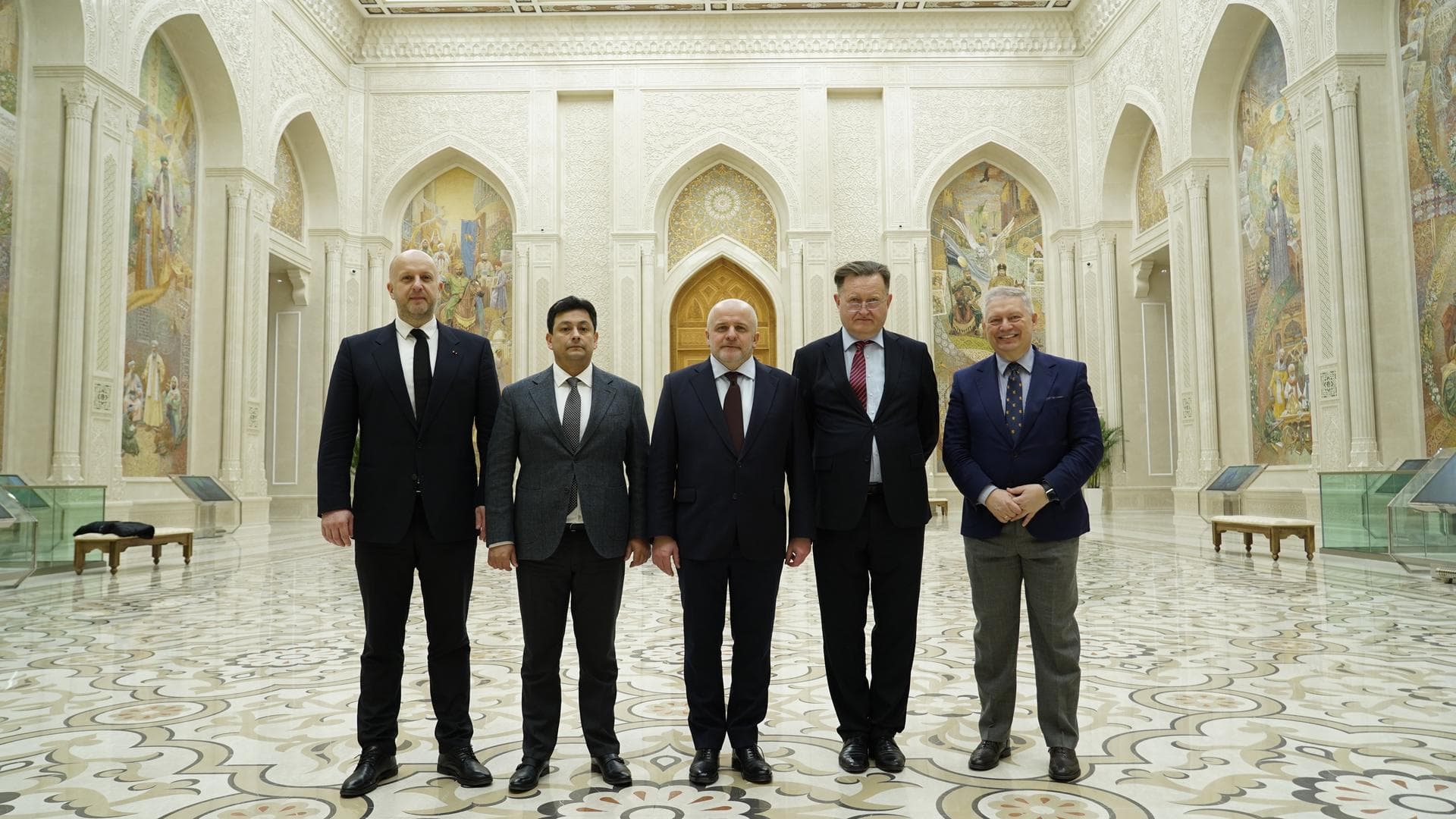
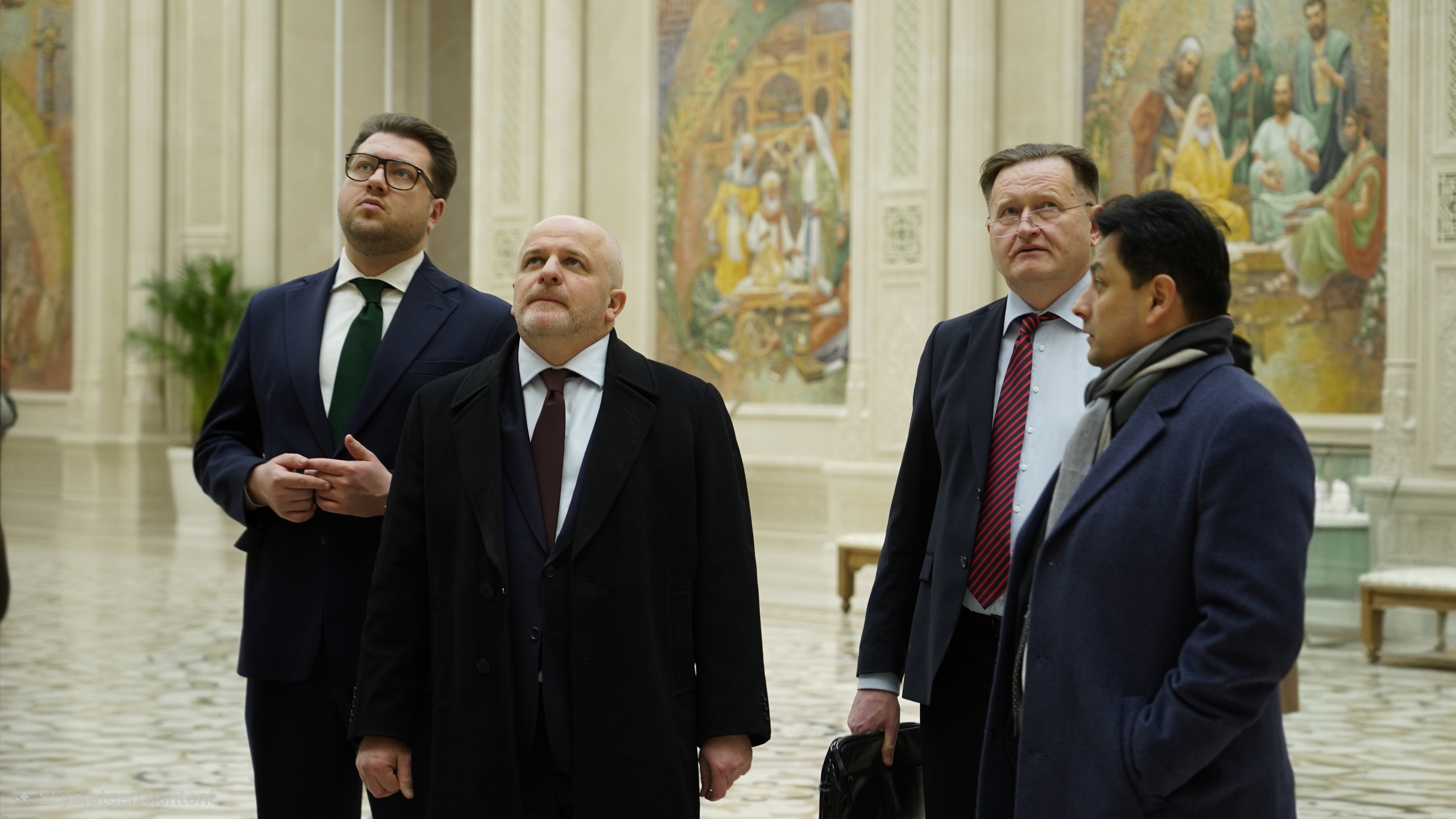
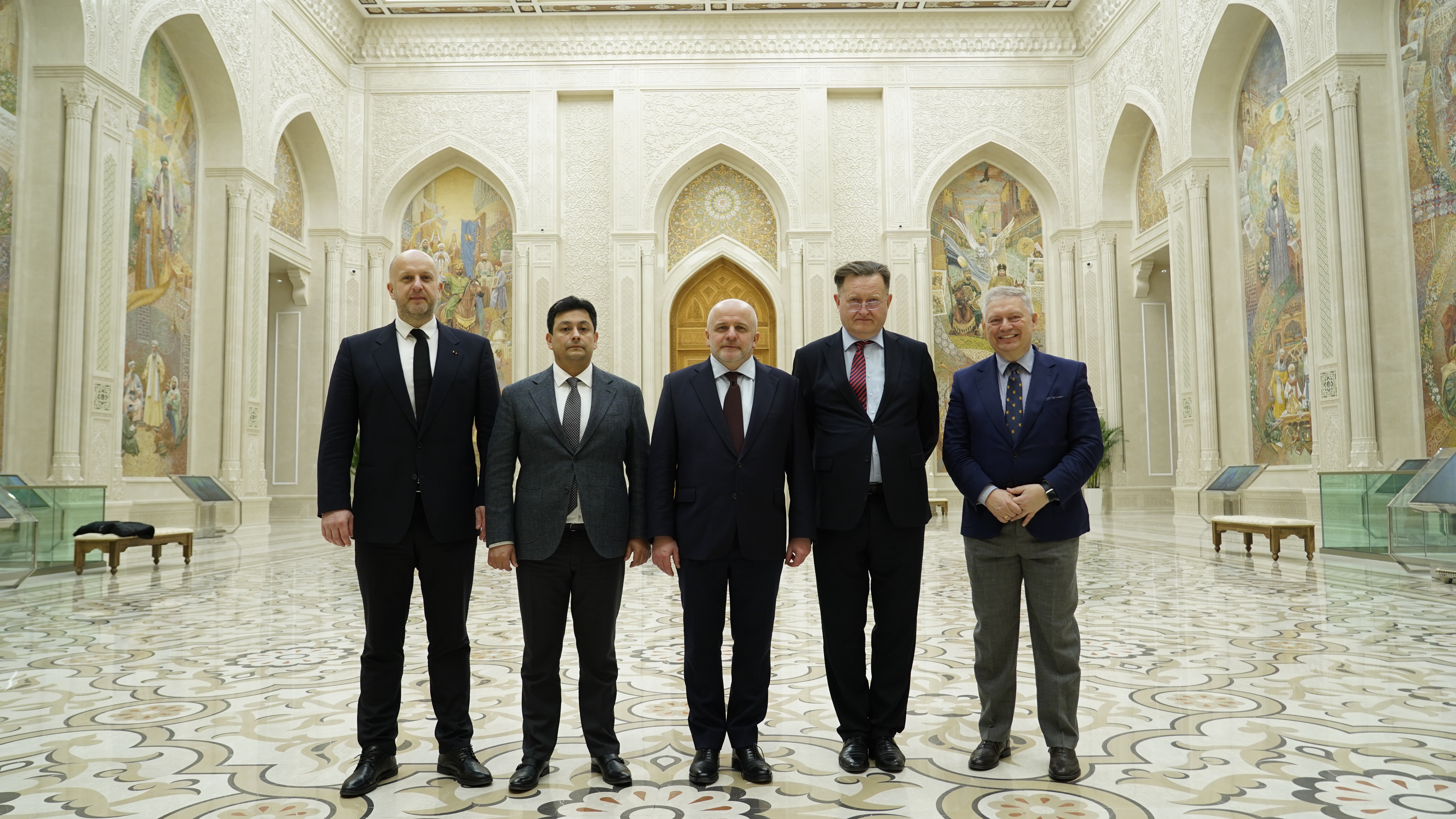
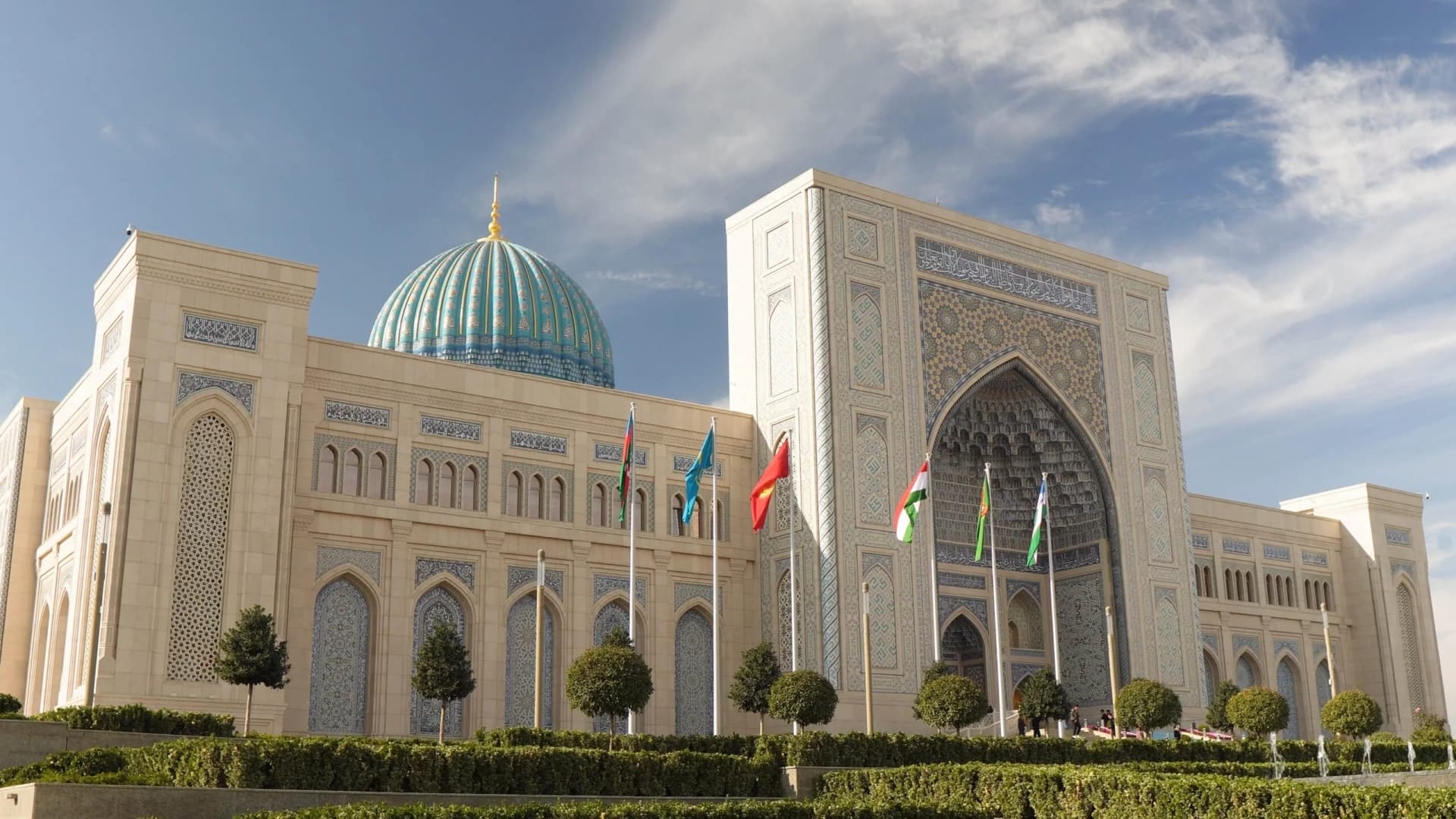
A delegation led by Paweł Kowal, Chairman of the Foreign Affairs Committee of the lower house of the Parliament of the Republic of Poland, visited the Islamic Civilization Center in Uzbekistan.
The guests toured the Center’s exhibitions, established at the initiative of the President of Uzbekistan, Shavkat Mirziyoyev, with great admiration. According to them, the First Renaissance section vividly demonstrates the richness and continuity of a thousand-year tradition of education and scholarship through the legacy of great thinkers, scientific schools, and manuscripts that emerged from the land of Mawarannahr. Members of the delegation noted with keen interest and respect that this historical heritage has shaped the spiritual foundations of the Uzbek people and the country’s development today.
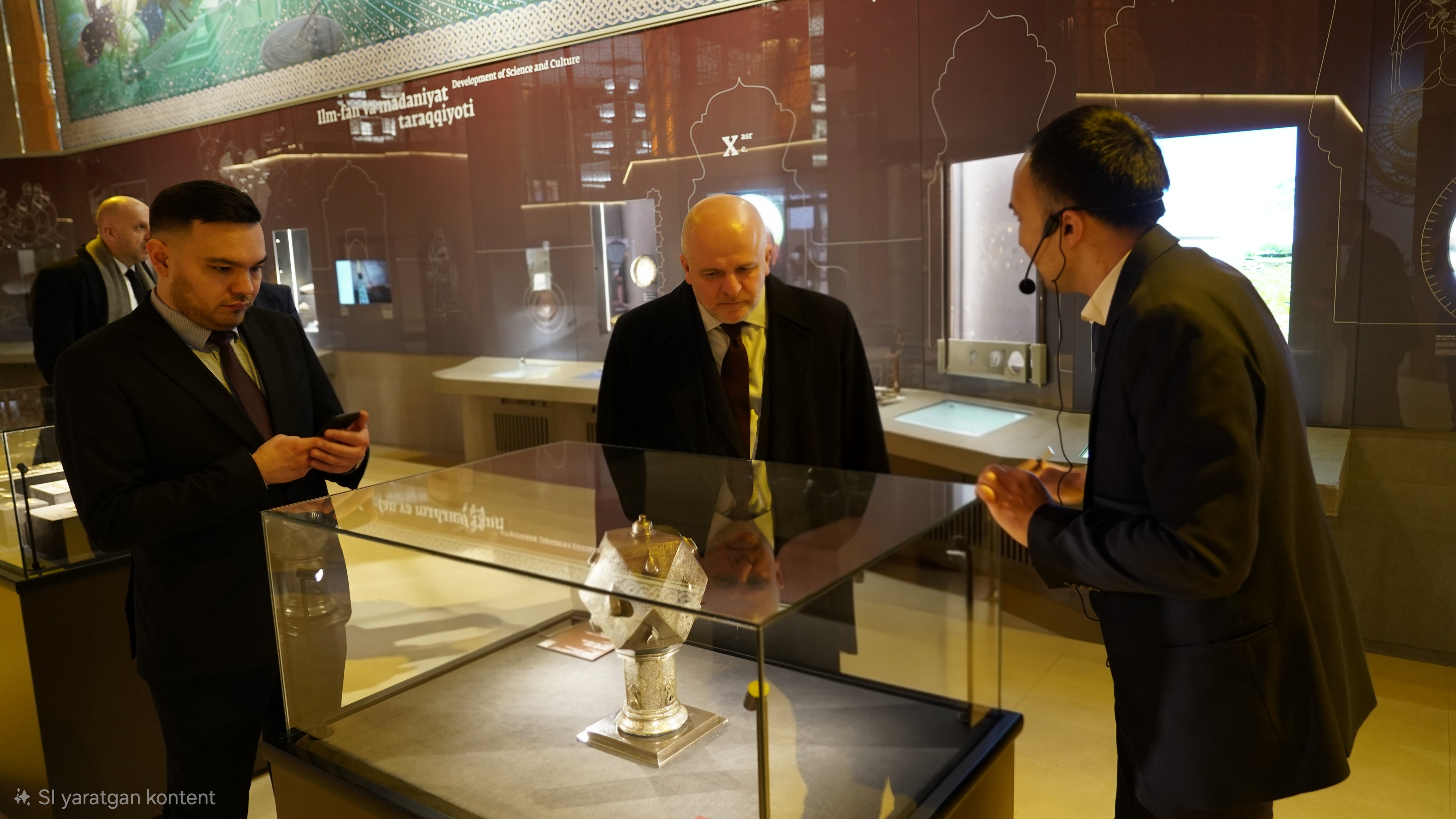
Paweł Kowal, Chairman of the Foreign Affairs Committee of the lower house of the Parliament of the Republic of Poland, said:
This museum is an exceptionally unique and distinctive place. I have never seen history presented in such a modern way, while at the same time with such delicacy and care. First and foremost, this place was created for the younger generation, as well as to tell foreign visitors the story of Uzbekistan’s rich history and its present day.
In my view, the most important message of this place is very simple: Uzbekistan, as an ancient civilization, was an integral part of culture long before many modern European states emerged. Uzbekistan is at home; its citizens and the peoples living here are the true owners of this land. It is precisely on the basis of these deep and rich religious and cultural traditions that they are building modern life and today’s reality. This is the most important aspect.
I believe that anyone who visits the museum quickly realizes this: Uzbeks live in their own homeland and are not obliged to prove anything to anyone. Simply by relying on their traditions, historical heritage, and values, they are making a significant contribution to the processes taking place in today’s world. This place not only presents history, but also demonstrates to the entire world the people’s identity, independence, and cultural heritage.
The modern presentation of historical heritage in the Second Renaissance section also left a deep impression on the delegation members. They emphasized that these exhibitions demonstrate a strong connection between the past and the present, and that Uzbekistan’s rich history serves as a solid foundation for modern development.
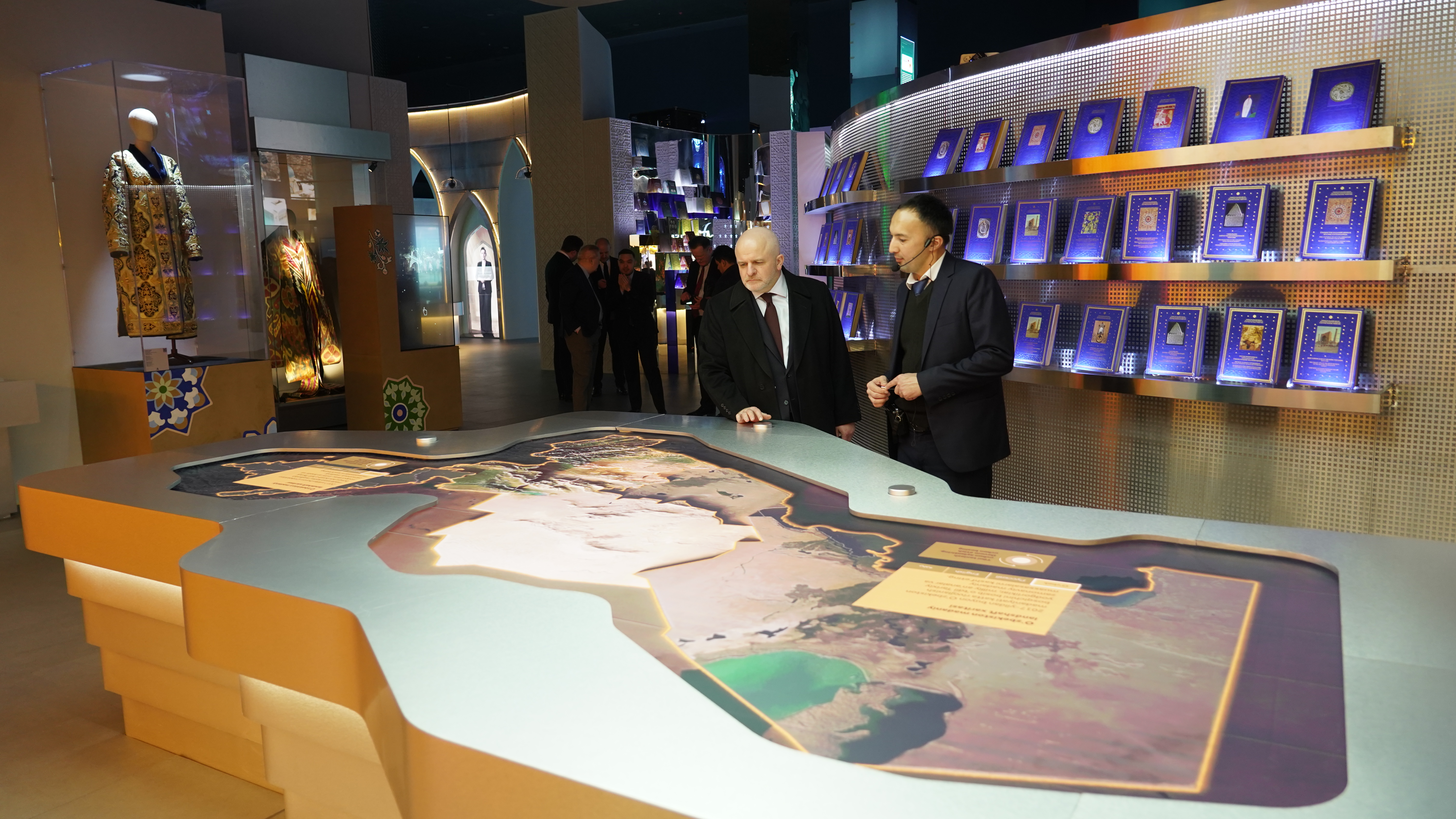
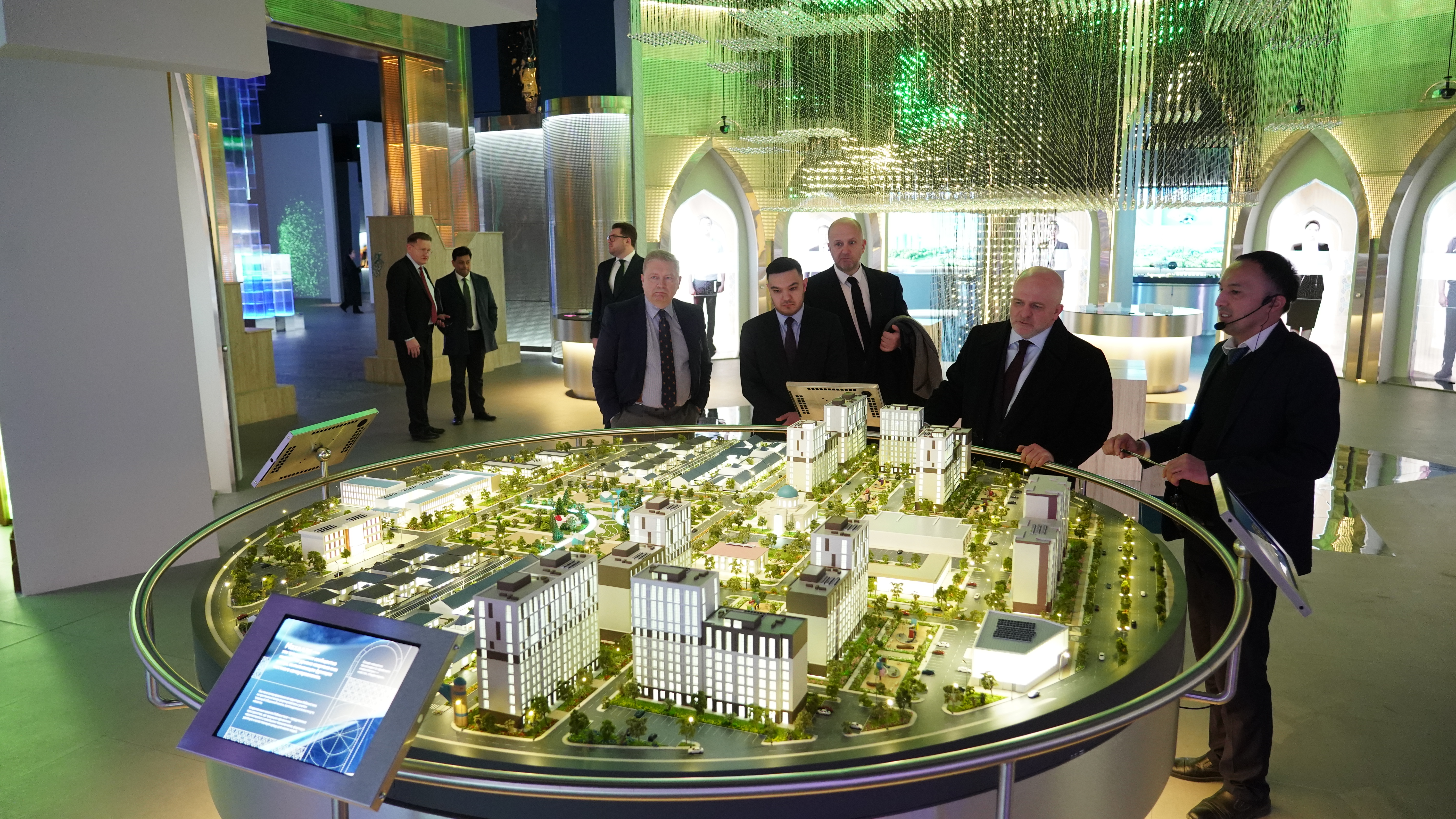
The guests were also deeply impressed by the “New Uzbekistan – the Foundation of a New Renaissance” section, the Hall of the Holy Qur’an, and the rare historical exhibits. The delegation noted that the harmony between cultural traditions and modern reforms on this land inspired them with great respect.
Andrzej Dycha, Chairman of the Board of the Polish Investment and Trade Agency, stated:
We are now in an exceptionally beautiful and unique place. Here, a thousand years of history are concentrated the history of great people, profound and inspiring stories. It is precisely this history that forms the roots and the strong foundation of this country. To be honest, it leaves a very powerful impression and clearly shows how strong Uzbekistan’s historical foundations are.
That is why the Uzbek people are well known and highly respected in my country, Poland, as well as throughout Europe. The main reason for this is their immense historical and cultural heritage.
One of the aspects that impressed me most here was the remarkable antiquity of the history of education. One can see a great number of manuscripts and written sources here. They clearly show that people living on this land centuries ago had already established universities and libraries and were creating works of science and art at a very high level even at that time.
In my opinion, this rich historical foundation has a direct impact on the development of modern Uzbekistan, particularly on the rapid growth of the city of Tashkent. There is an inseparable connection between the past and the present. Achievements attained in the past are reflected in the reforms and development processes being carried out today.
Today, Uzbekistan is recognized as one of the leading countries in terms of gross domestic product growth. I believe that these current successes are directly linked to the rich heritage of the ancestors who lived on this land, to the strength they left behind, and to their spiritual energy.