
The Islamic Civilization Center Is an Important Platform for Understanding History — International Delegation
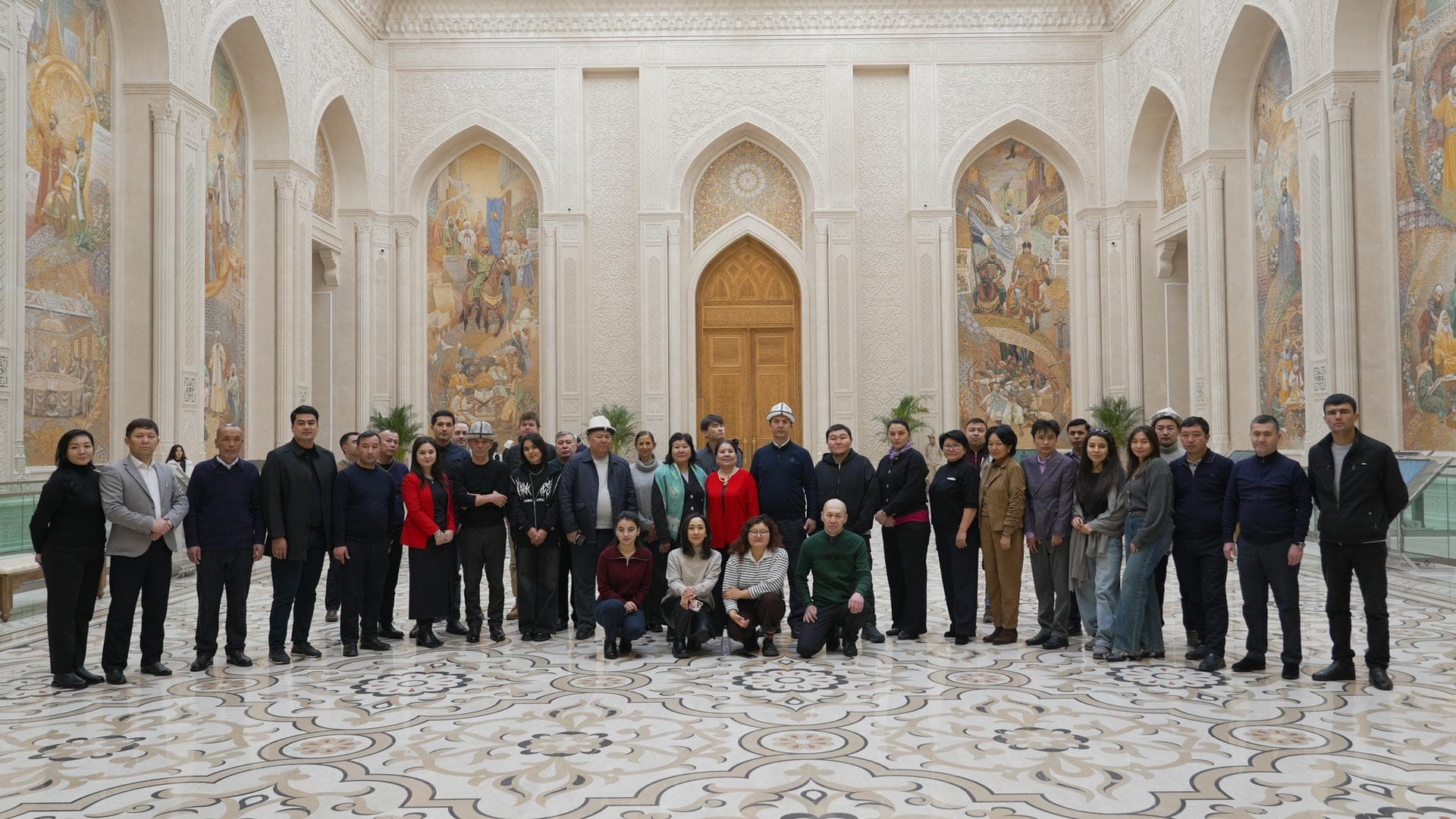
A delegation comprising representatives of the Kyrgyz Republic and international organizations drew important conclusions from the continuous scholarly and educational development of Central Asian civilization, the Renaissance periods, and the concept of “New Uzbekistan — the Foundation of a New Renaissance,” as presented through the museum exhibitions of the Islamic Civilization Center established on the initiative of the President of Uzbekistan.
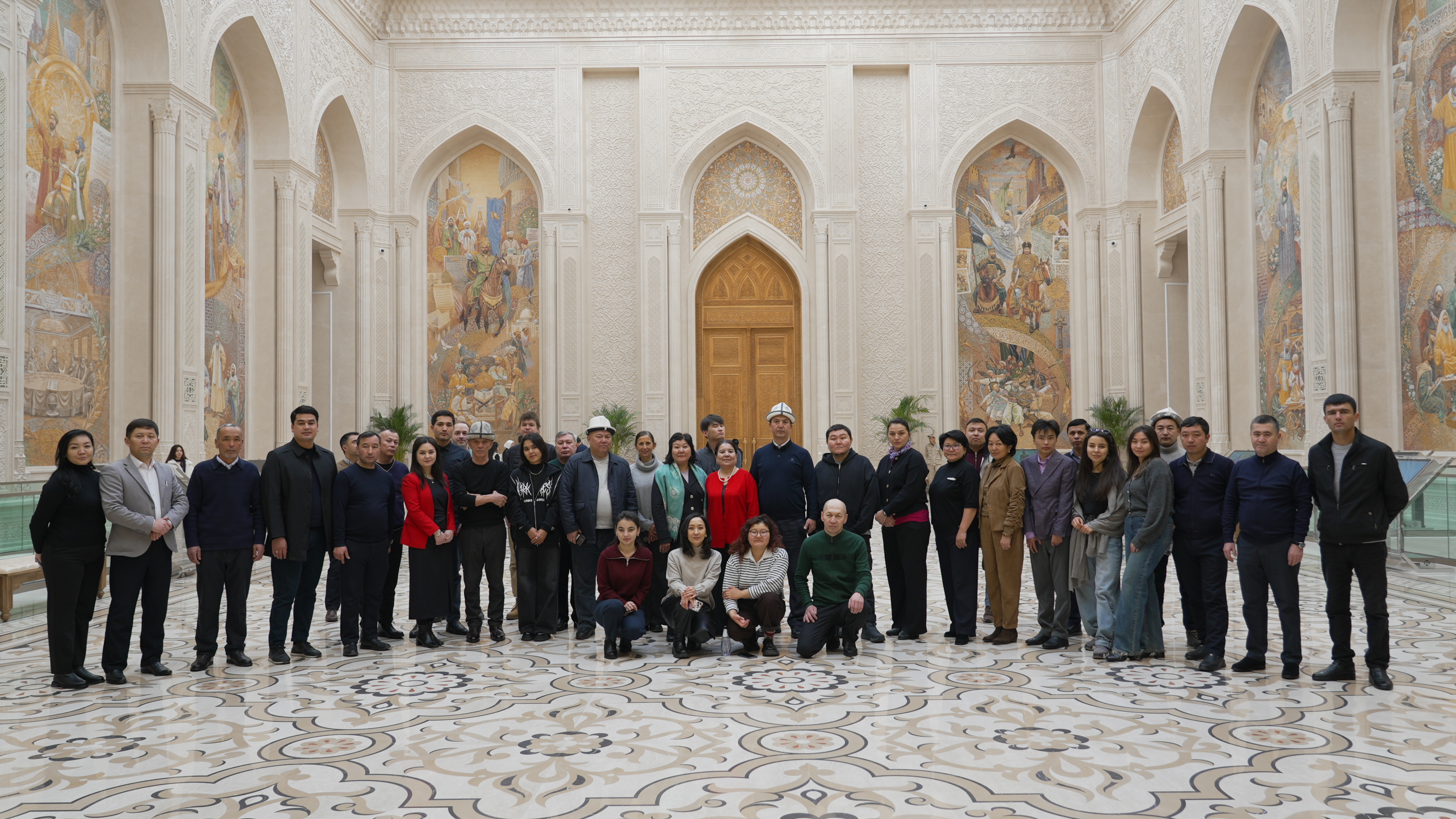
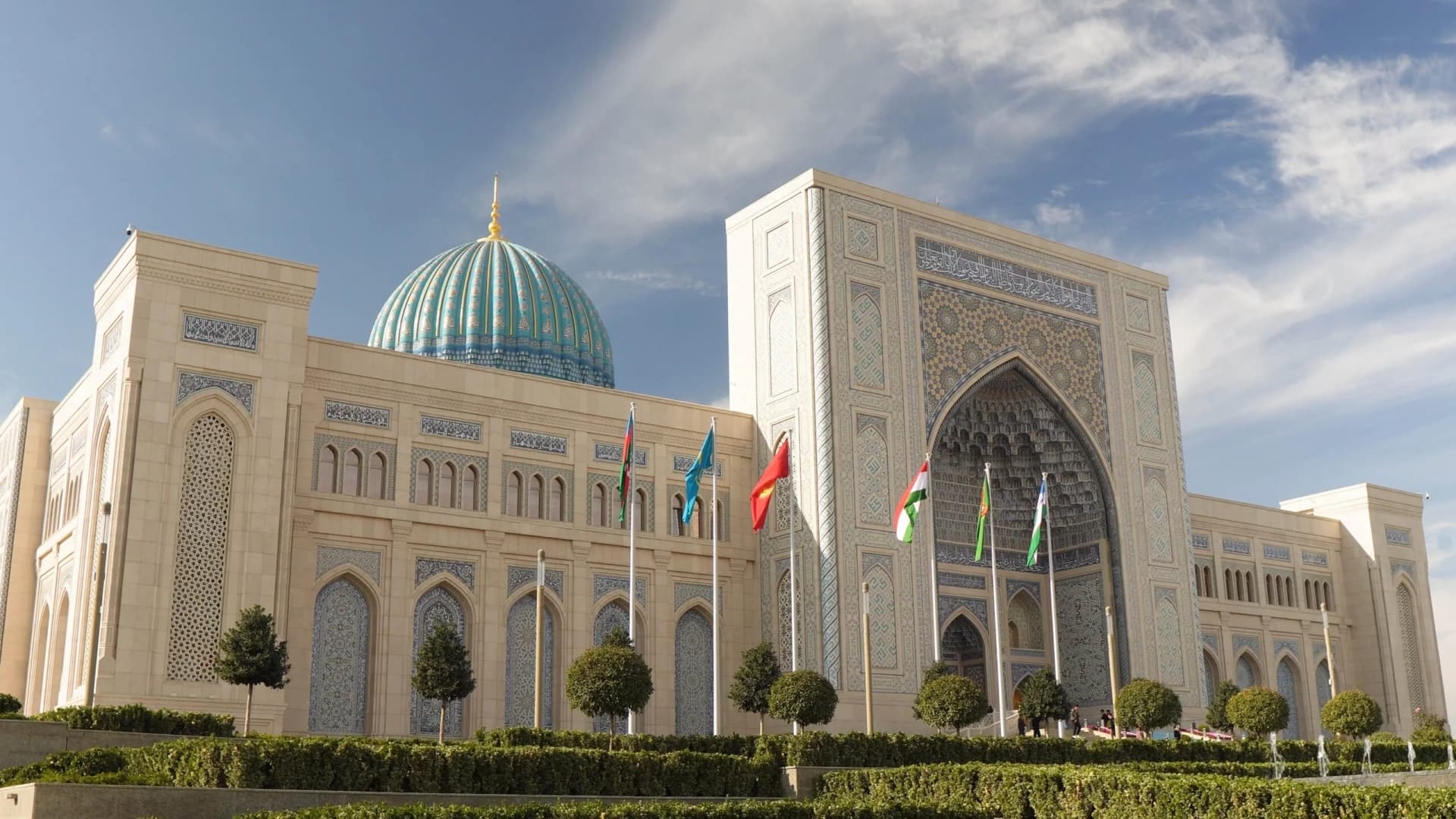
Participants of an international event dedicated to issues of peace, security, and collective cooperation in Central Asia — representatives of the Kyrgyz Republic as well as a number of international and regional organizations — visited the Islamic Civilization Center established under the authorship and initiative of the President of Uzbekistan, Shavkat Mirziyoyev.
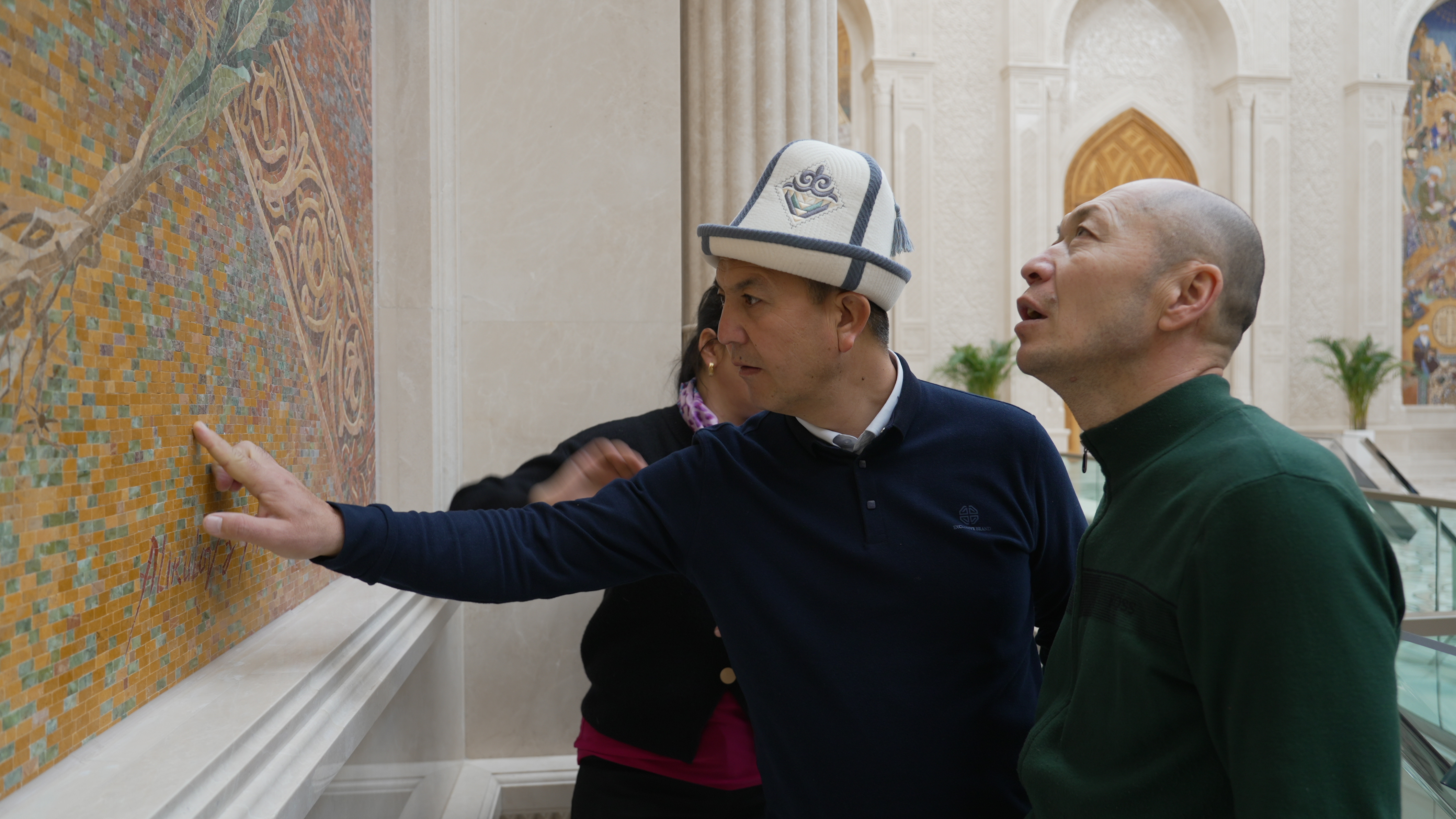
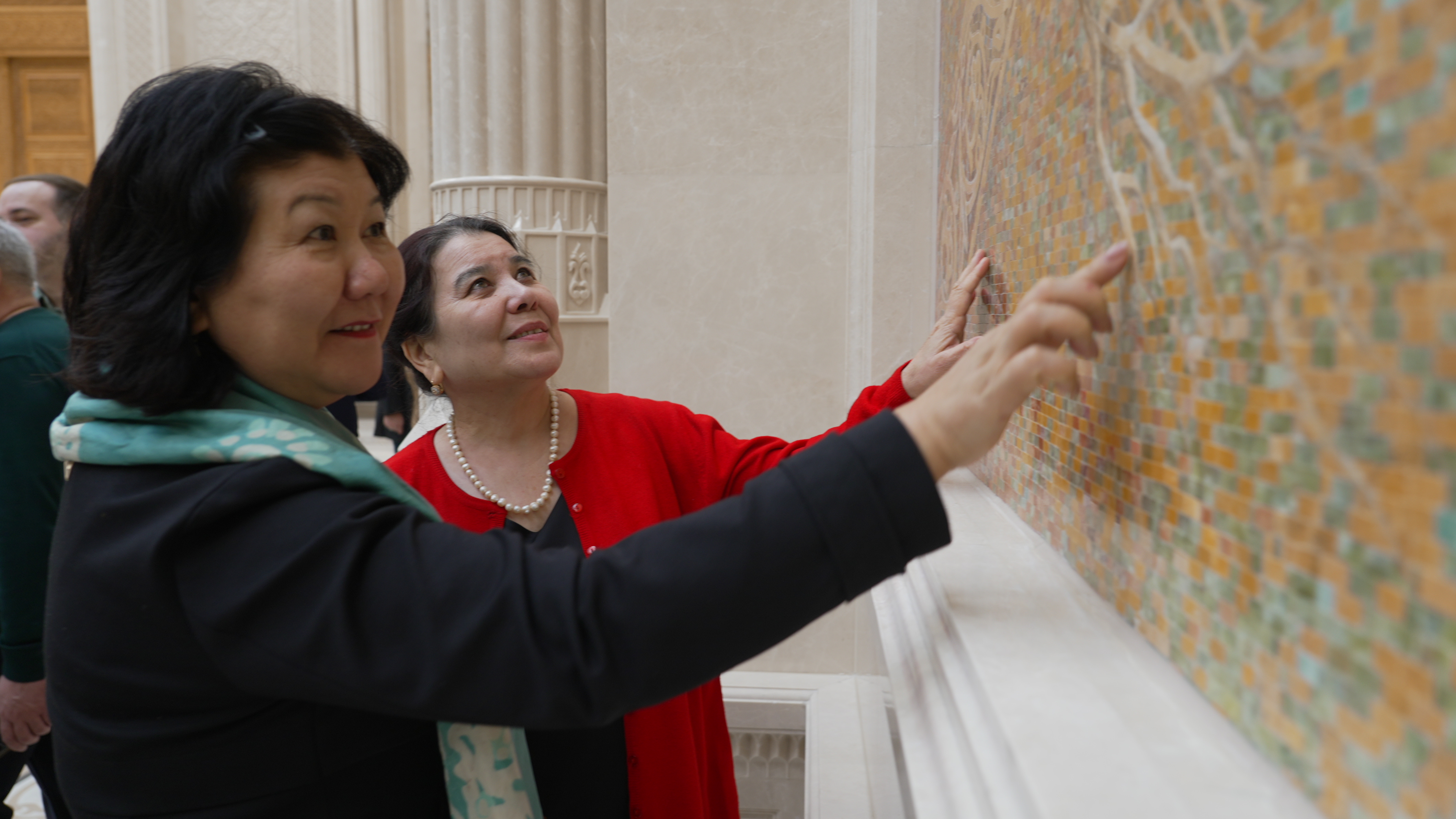
As members of the delegation entered the Center’s Hall of Honor, they came face to face with history and thought through images reflecting the development of science, natural and religious knowledge, as well as heroes who left a lasting mark on history, depicted across fourteen arches. Having familiarized themselves with the exhibitions consisting of four sections, the delegation noted that the First Renaissance section clearly demonstrates that knowledge, education, and enlightenment in this land did not emerge by chance, but developed as a system formed over centuries. Manuscripts, scholarly heritage, and the activities of thinkers reveal the leading role of knowledge in the civilization of the region.
Avazkan Ormonova, Head of the “Business Initiative Women” Foundation of the Kyrgyz Republic:
“I am visiting this Center for the first time, and it left a great impression — it is not only fascinating but also historically very rich. The history of the peoples who lived in Central Asia from the 12th–13th centuries onward is fully presented. This was a very interesting and educational experience. The design and modernity of the museum are distinctive, and the comprehensive, detailed explanations provided by the guides further enriched our visit. Whenever we travel to another country, we first visit museums to gain a deeper understanding of that country’s culture, traditions, and history. In this museum, established on the initiative of the President of Uzbekistan, culture, traditions, history, and modern New Uzbekistan are perfectly and vividly harmonized. This is certainly very impressive. The spiritual, scholarly, and civilizational significance of this Center for Central Asia and the Islamic world is truly immense. In recent centuries, Central Asia has been closely connected with Islam. Islamic civilization is fully presented here, and the exhibitions showcased in this museum inspire us to see how Islamic civilization is developing in our own countries and to shape the future. The museum reflects not only Uzbekistan’s heritage but also the rich legacy and scholarly and cultural development of the entire region.”
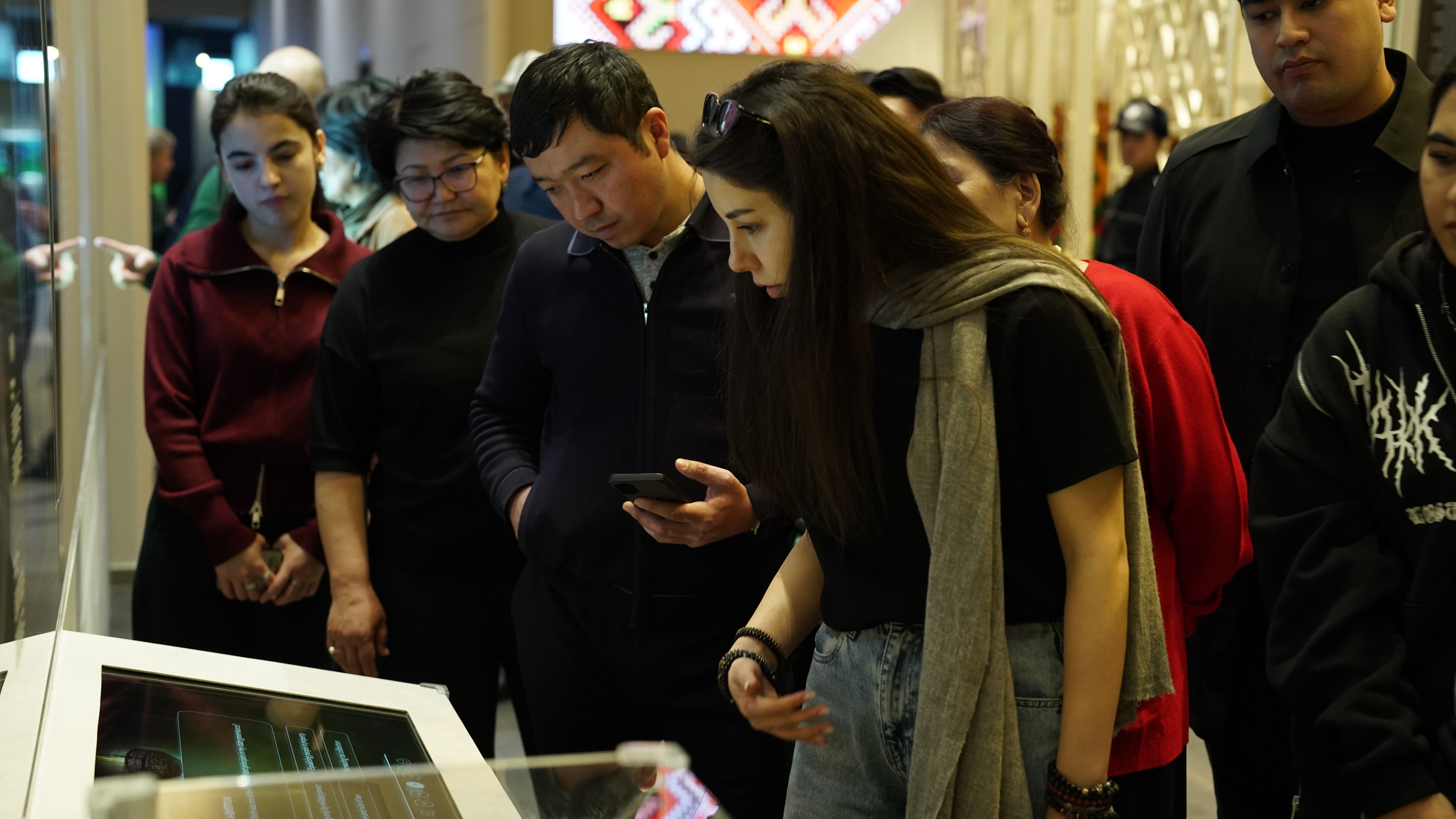
The sections dedicated to the Second Renaissance sparked particular interest among the guests. They emphasized that presenting historical processes in a modern form not only connects the past with the present but also fosters a culture of forward-looking thinking. According to the delegation members, this approach plays an important role in ensuring social stability and cohesion.
Tamara Duffey-Janser, Regional Programme Director of Saferworld, United Kingdom:
“I was impressed that this museum dedicated to Islamic history and culture is an initiative of the President of Uzbekistan and that Islamic history is presented deeply, with historical spirit and artistic expression. President Shavkat Mirziyoyev’s high regard for history, science, and enlightenment is clearly reflected through this Center. The museum richly and meaningfully portrays the history of Islam and civilization formed in the territory of Uzbekistan. The artistic expression of history, its digitization through various media formats, and interactive approaches present Islamic history and the history of Uzbekistan not only in an engaging but also in an accessible way. During the visit to the Holy Qur’an Hall, the examples of Islamic art, and historical exhibits, guests particularly noted that this heritage is not only religious or historical, but also a source of universal values. The ‘New Uzbekistan — the Foundation of a New Renaissance’ section reveals the consistent continuity between national traditions and modern reforms.”
Ilya Jones, Regional Programme Manager of Saferworld, United Kingdom:
“The Islamic Civilization Center in Uzbekistan left an extremely impressive and unique impression on me. This museum is rich in information, covers topics broadly and in detail, and helps visitors vividly experience different historical periods through interactive opportunities. Here, visitors are not limited to text alone; through videos, interactive exhibits, and various technological solutions, they are able to deeply immerse themselves in different stages of history. In this respect, it fundamentally differs from many similar institutions. President Shavkat Mirziyoyev’s strong attention to history is clearly evident throughout the Center. The opportunities created to better understand the country’s history and share it with people offer visitors an invaluable experience. The results of such investment are reflected in the high level of professionalism and innovative approaches seen in the museum. The Center’s spiritual, scholarly, and civilizational significance is also immeasurable. Here, the interconnectedness of history and the close links between different civilizations and cultures are clearly demonstrated. There is an opportunity to understand historical and scholarly ties with the region and beyond — the Middle East and other Central Asian countries. It was fascinating to see how trade and scientific discoveries developed along the Great Silk Road, how religion and science harmonized, and how deep philosophical thought was formed. All these factors together present visitors with a rich and meaningful historical panorama.”
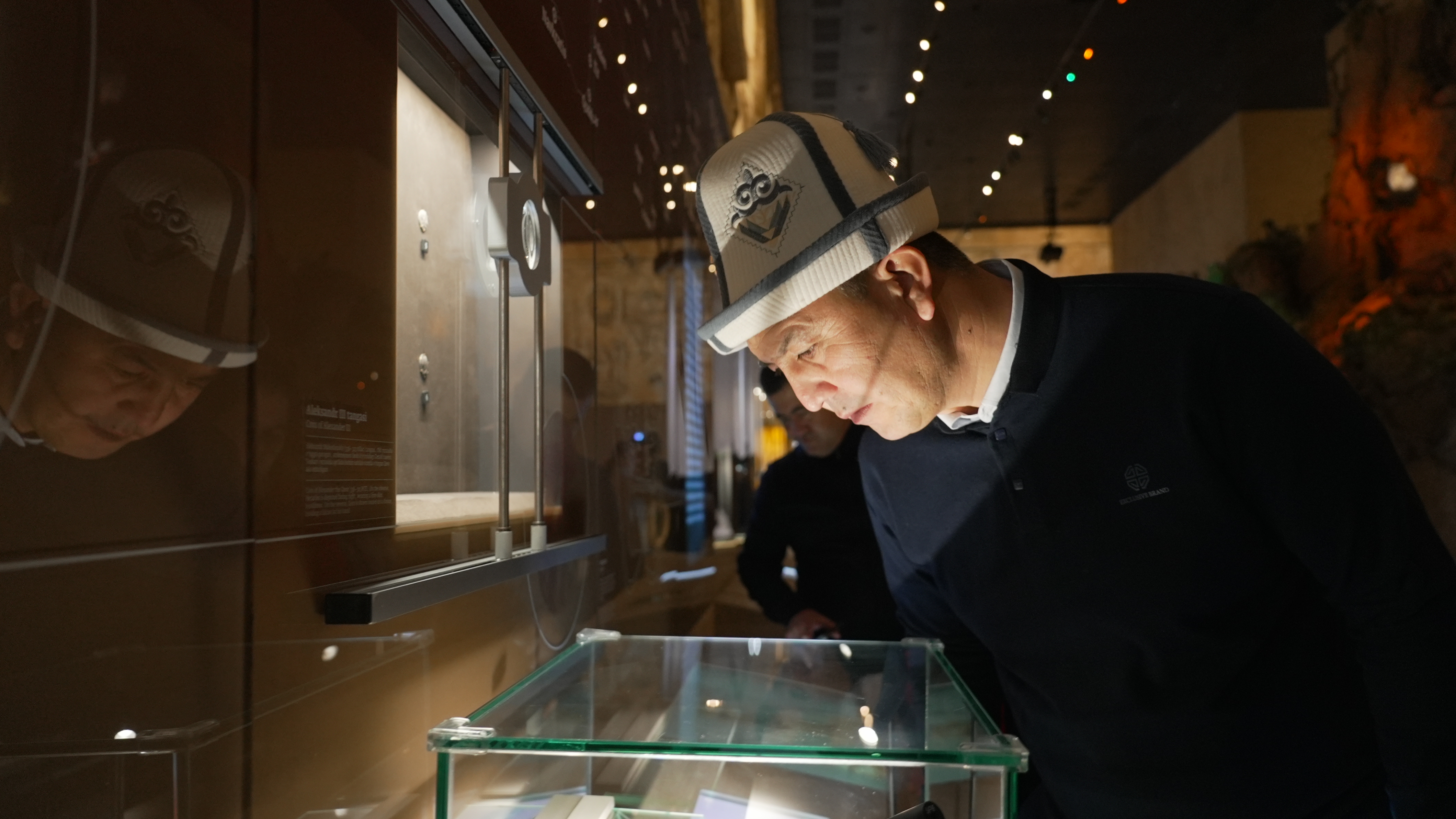
At the conclusion of the visit, the delegation representatives emphasized that such institutions play an important role in supporting an environment of peace and cooperation in Central Asia.