
Does public safety rely solely on military preparedness?
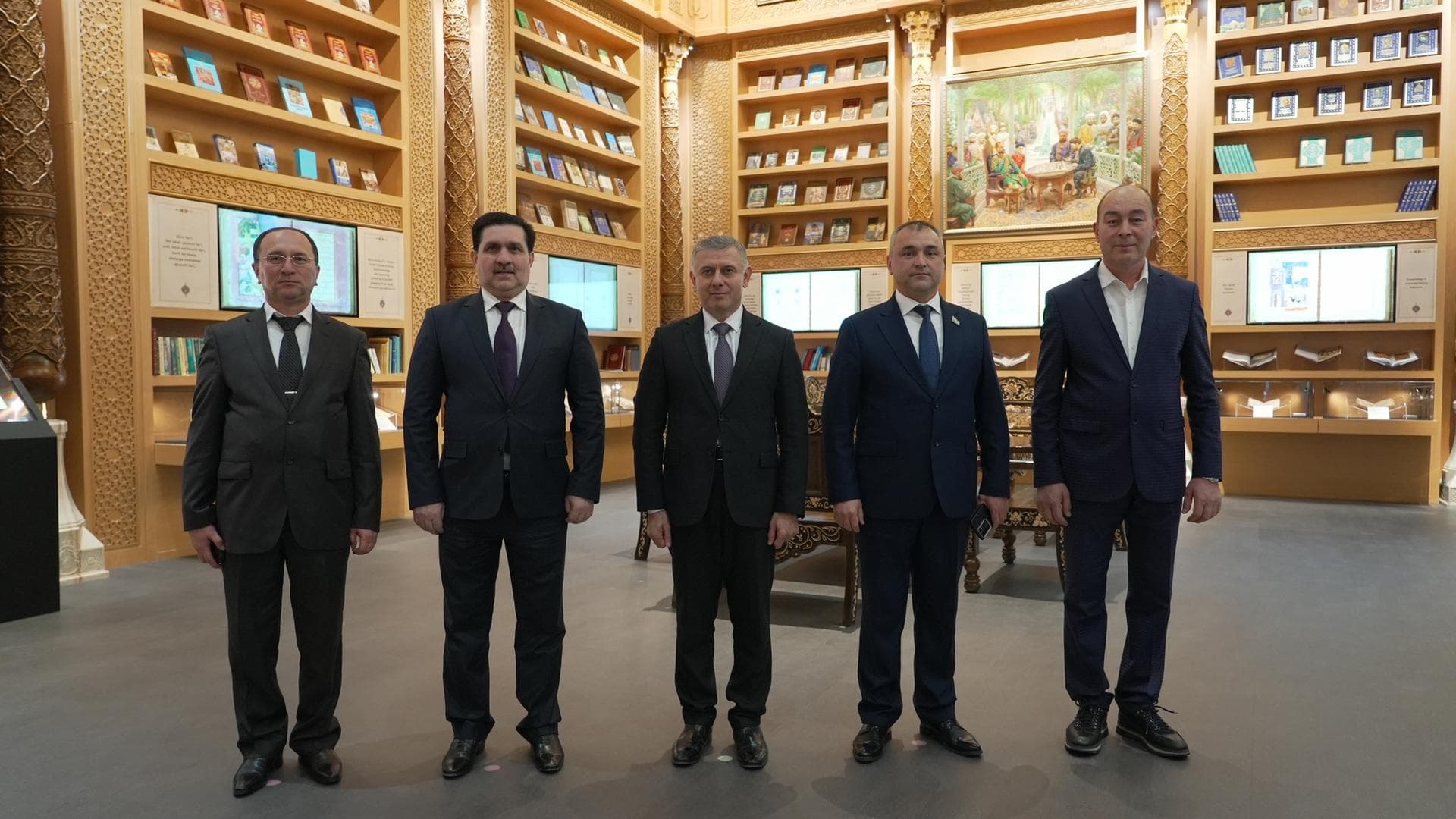
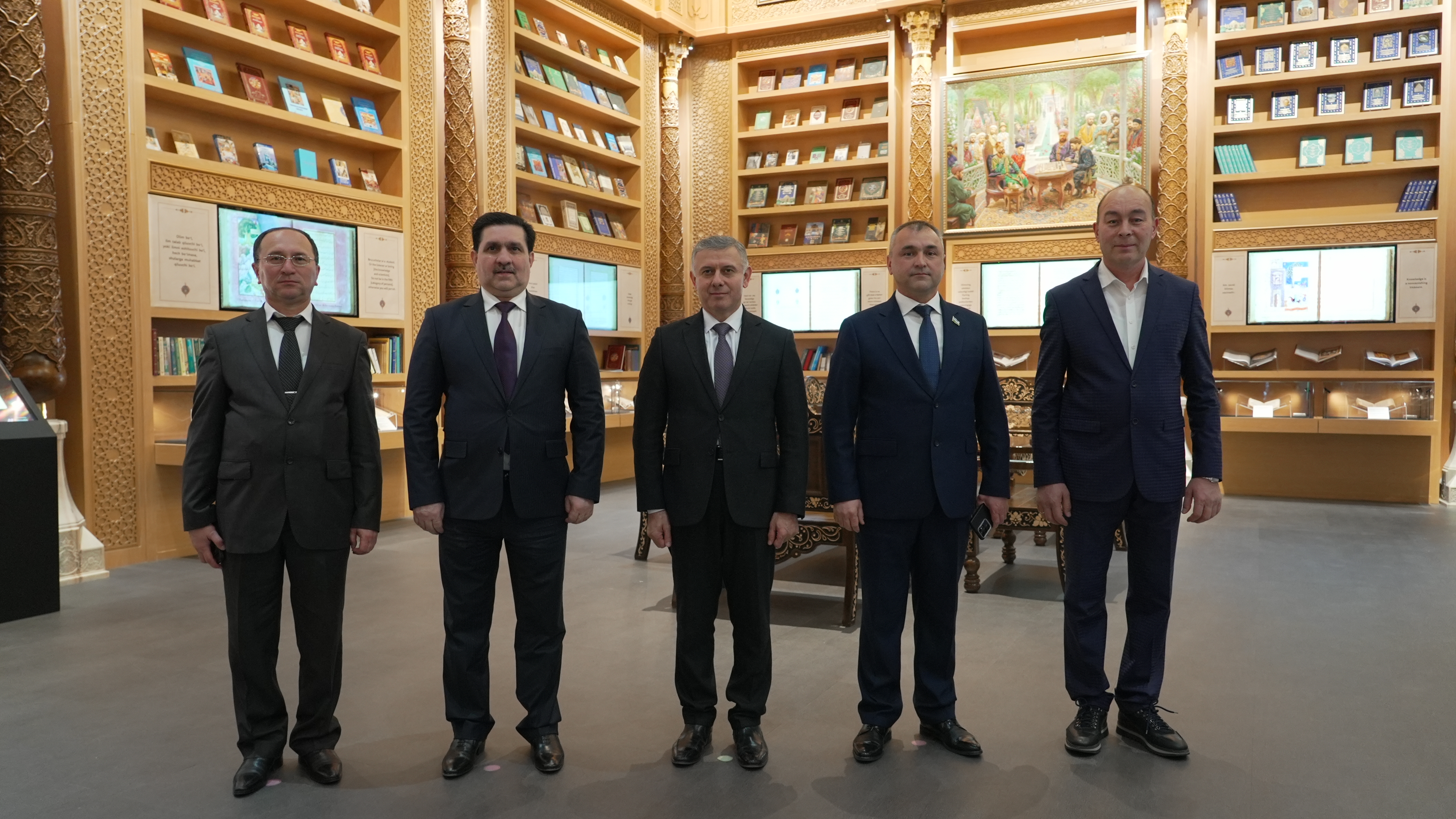
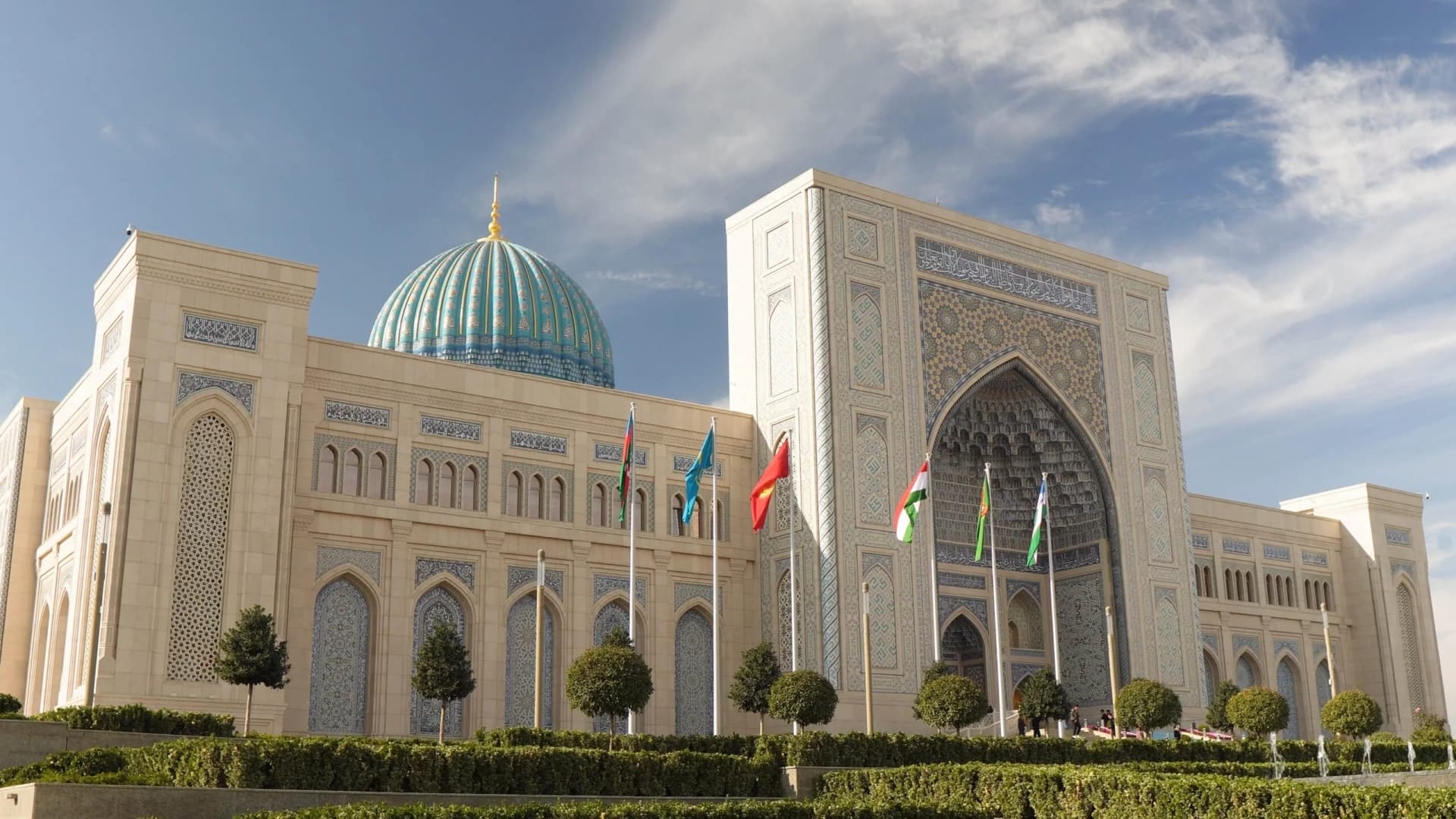
In the Central Asian region, issues of security, stability, and the protection of citizens are closely linked not only to military preparedness, but also to deep historical memory and spiritual resilience. Within this perspective, a delegation of the Committee for Emergency Situations and Civil Defense under the Government of the Republic of Tajikistan paid a visit to the Islamic Civilization Center located in Tashkent.
The delegation was led by Colonel General Al-Guard Rahmonali Rajabali, Major General Kamolzoda Jamshid, and Colonel Saidiyon Nasriddin. During the visit, the guests familiarized themselves with the Center’s exhibitions and particularly emphasized the role of this space in fostering social stability, spiritual immunity, and civic responsibility.
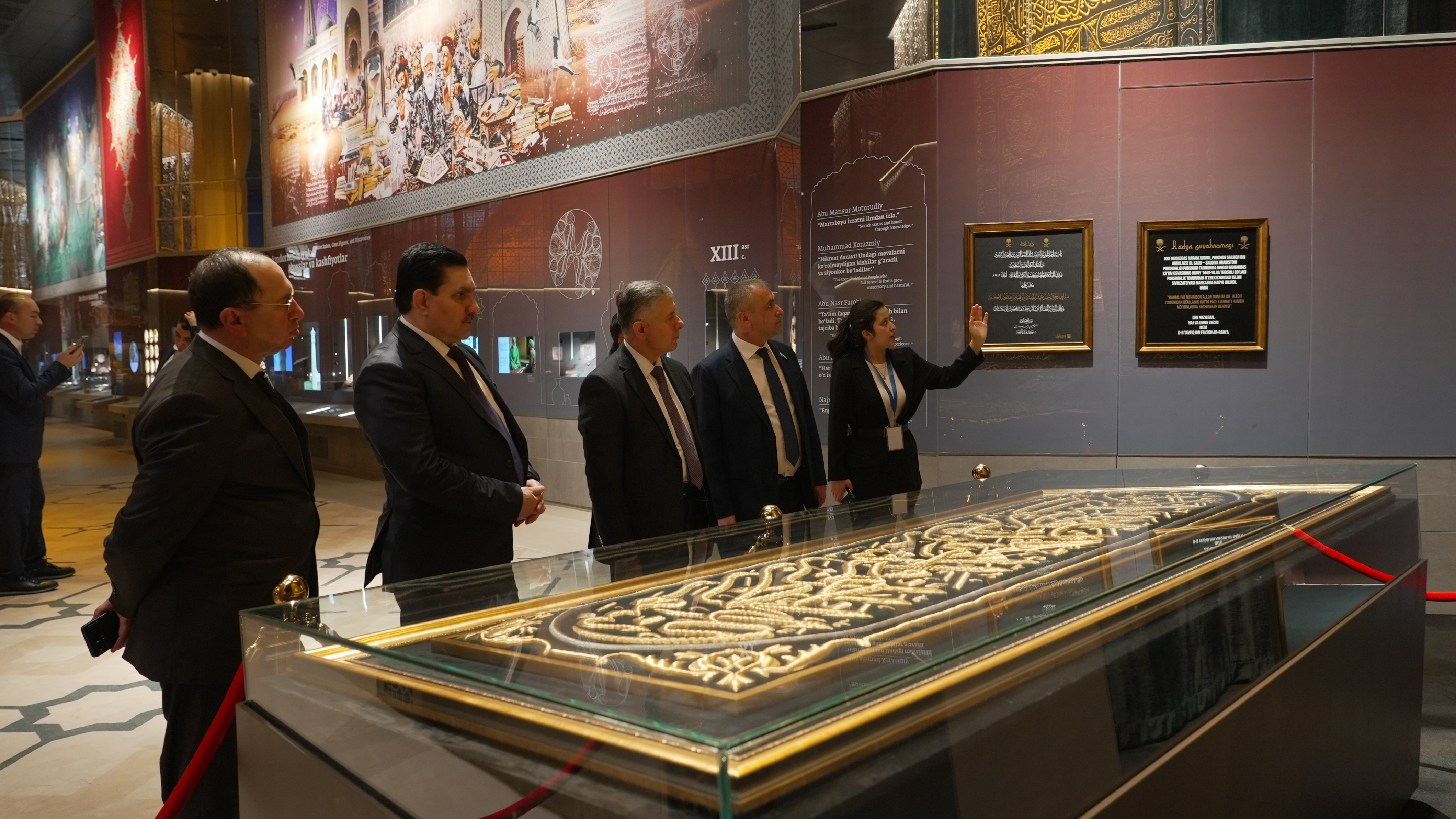
Al-Guard Rahmonali Rajabali, Colonel General of the Committee for Emergency Situations and Civil Defense of Tajikistan:
“The Islamic Civilization Center in Uzbekistan made a truly strong impression. Here, the contributions of our ancestors to science and enlightenment are highly valued, and the connection between past centuries and the present day is very clearly demonstrated. The Center serves as a place of education and upbringing not only for future generations, but also for today’s youth, teaching our history and the level of our civilization. What distinguishes this museum from others around the world is the strength of its national orientation and the detailed presentation of the great scholars and thinkers who lived in Central Asia. Therefore, this museum is a source of great national pride and prestige for us.
Today, peace and harmony in Central Asia largely depend on the sincere and wise cooperation between the President of the Republic of Tajikistan, Emomali Rahmon, and the President of Uzbekistan, Shavkat Mirziyoyev. Thanks to their efforts to strengthen friendship and kinship ties, brotherhood between our peoples has further developed and become stronger. This creates a solid foundation not only for historical ties, but also for modern cooperation and interaction.”
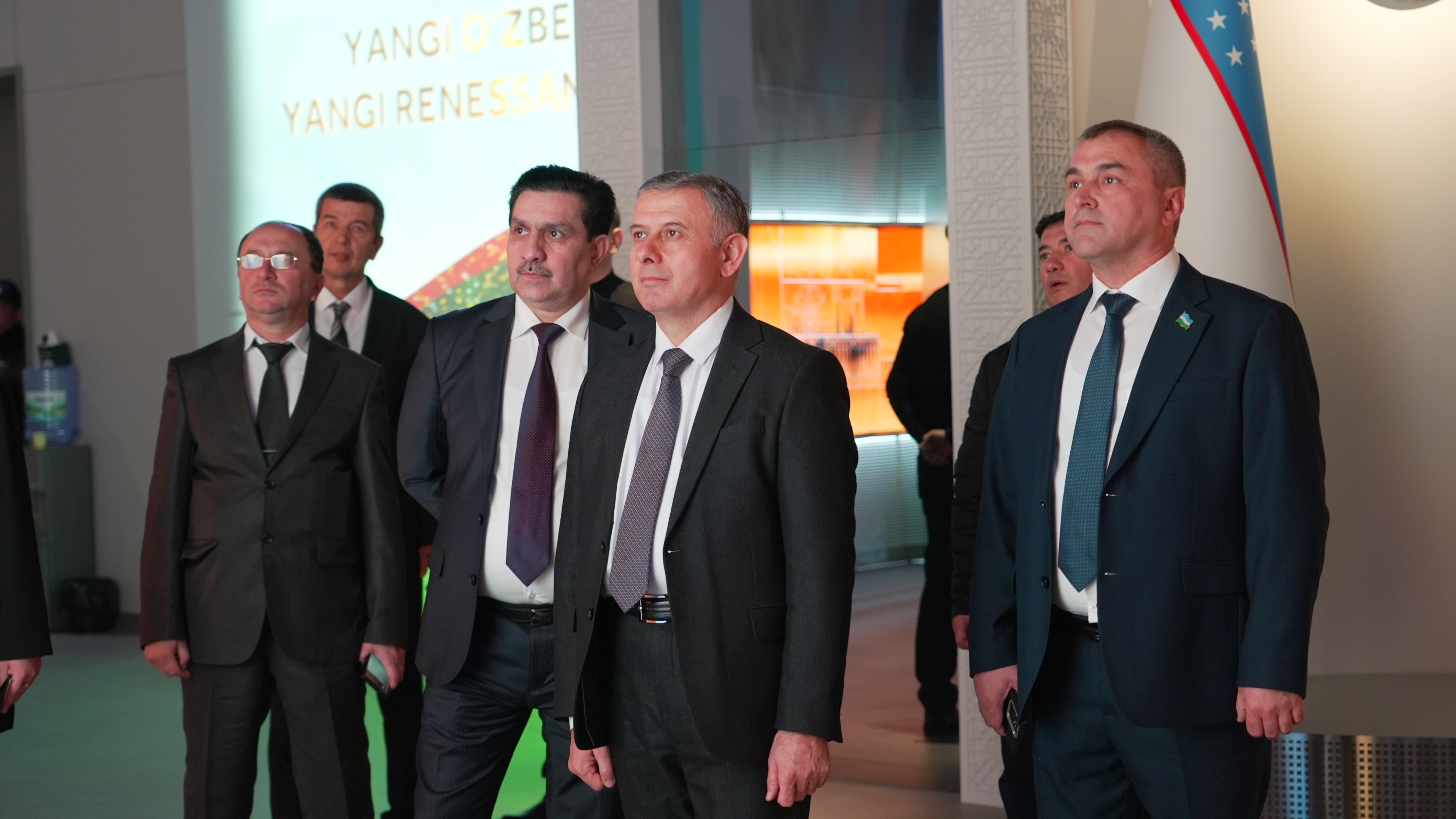
In particular, the sections dedicated to the First and Second Renaissance periods left a strong impression on the military leaders. According to them, these exhibitions clearly demonstrate that knowledge, order, education, and enlightenment have served as the main pillars of societal security for centuries.
In addition, the Hall of the Holy Qur’an and the exhibitions devoted to Islamic spirituality and moral values helped the guests gain a deeper understanding of universal principles related to human life, peace, and responsibility. Members of the delegation noted that this heritage reveals the importance of not only physical, but also spiritual preparedness in military service.