
Uzbekistan and Saudi Arabia: At the Crossroads of History, Culture, and Enlightenment
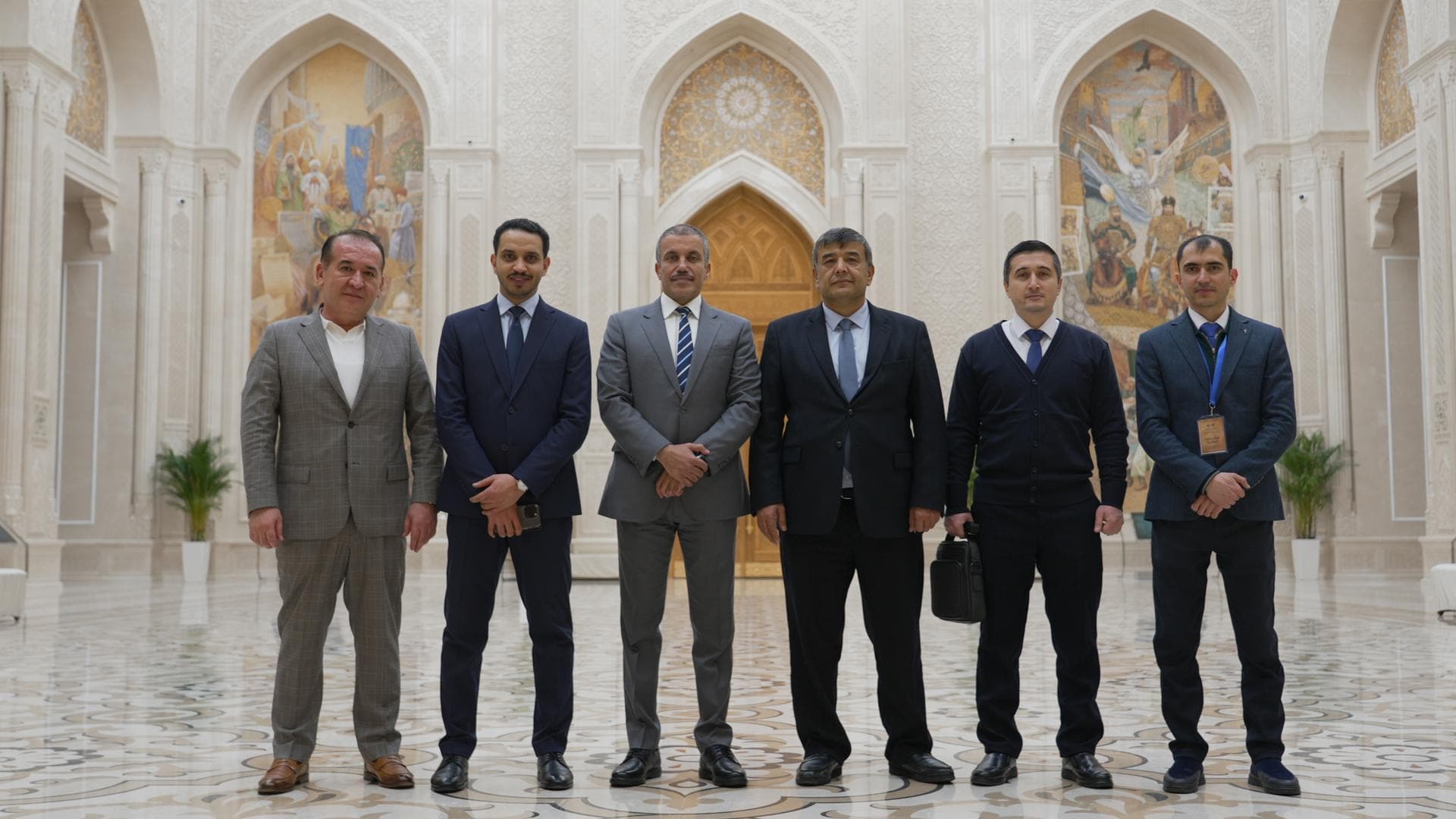
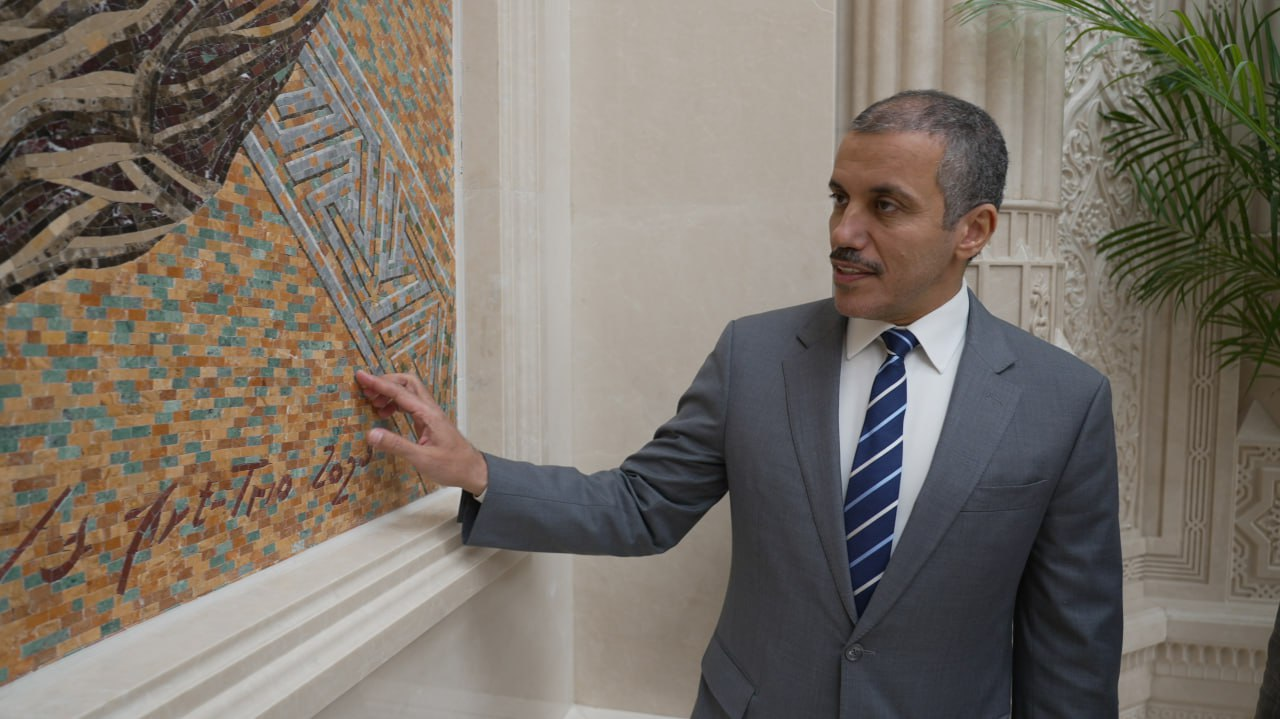
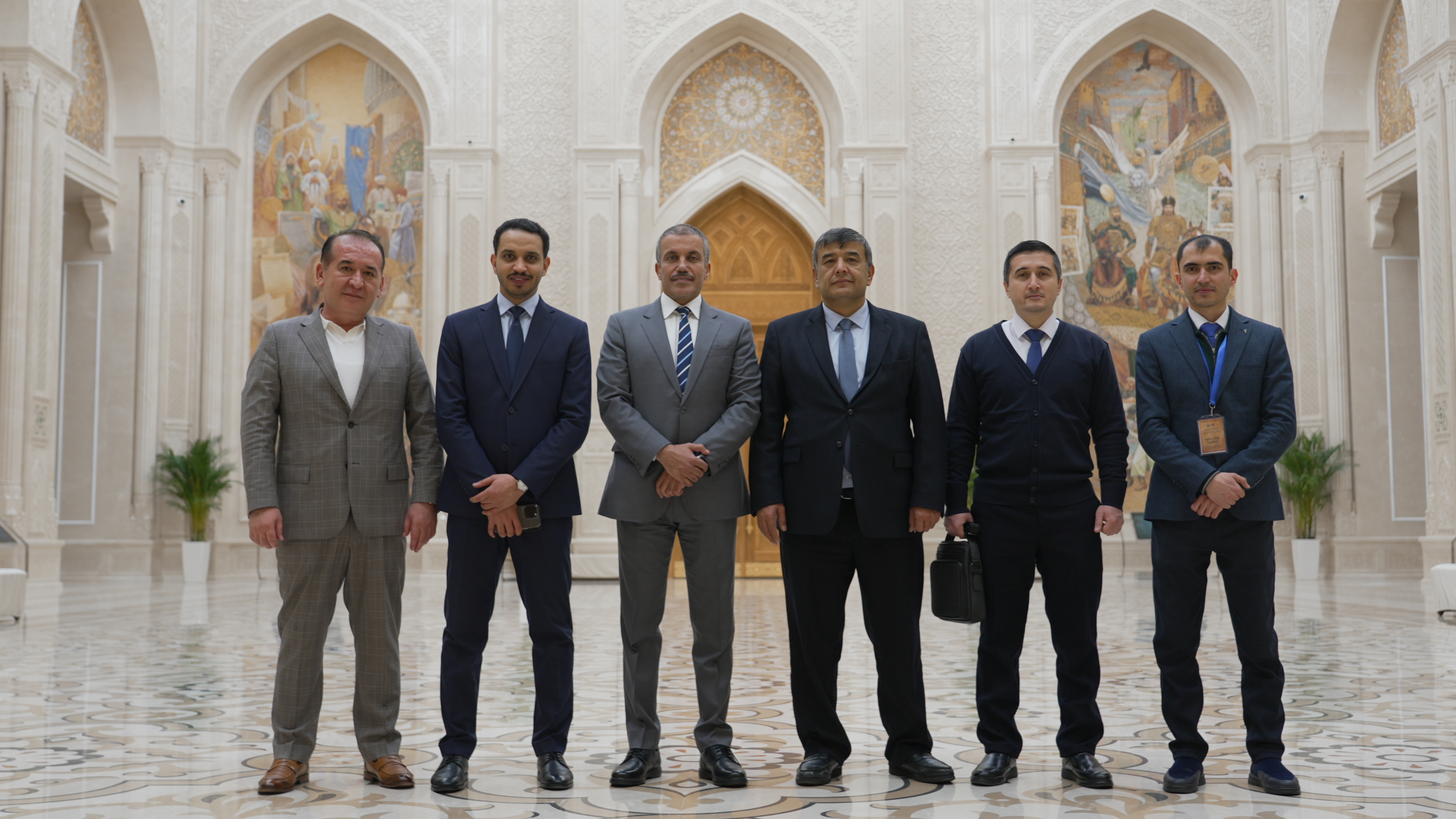
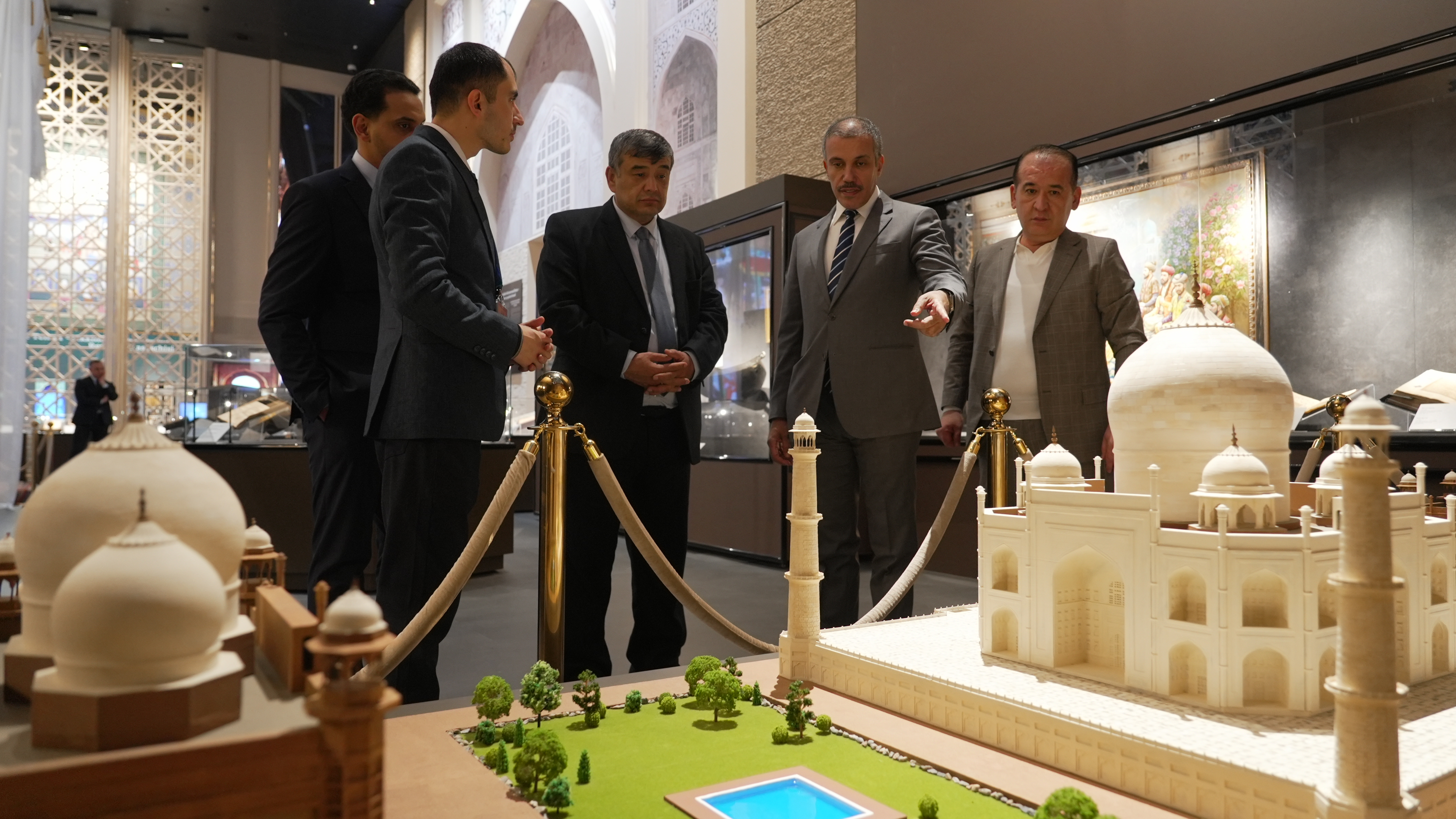
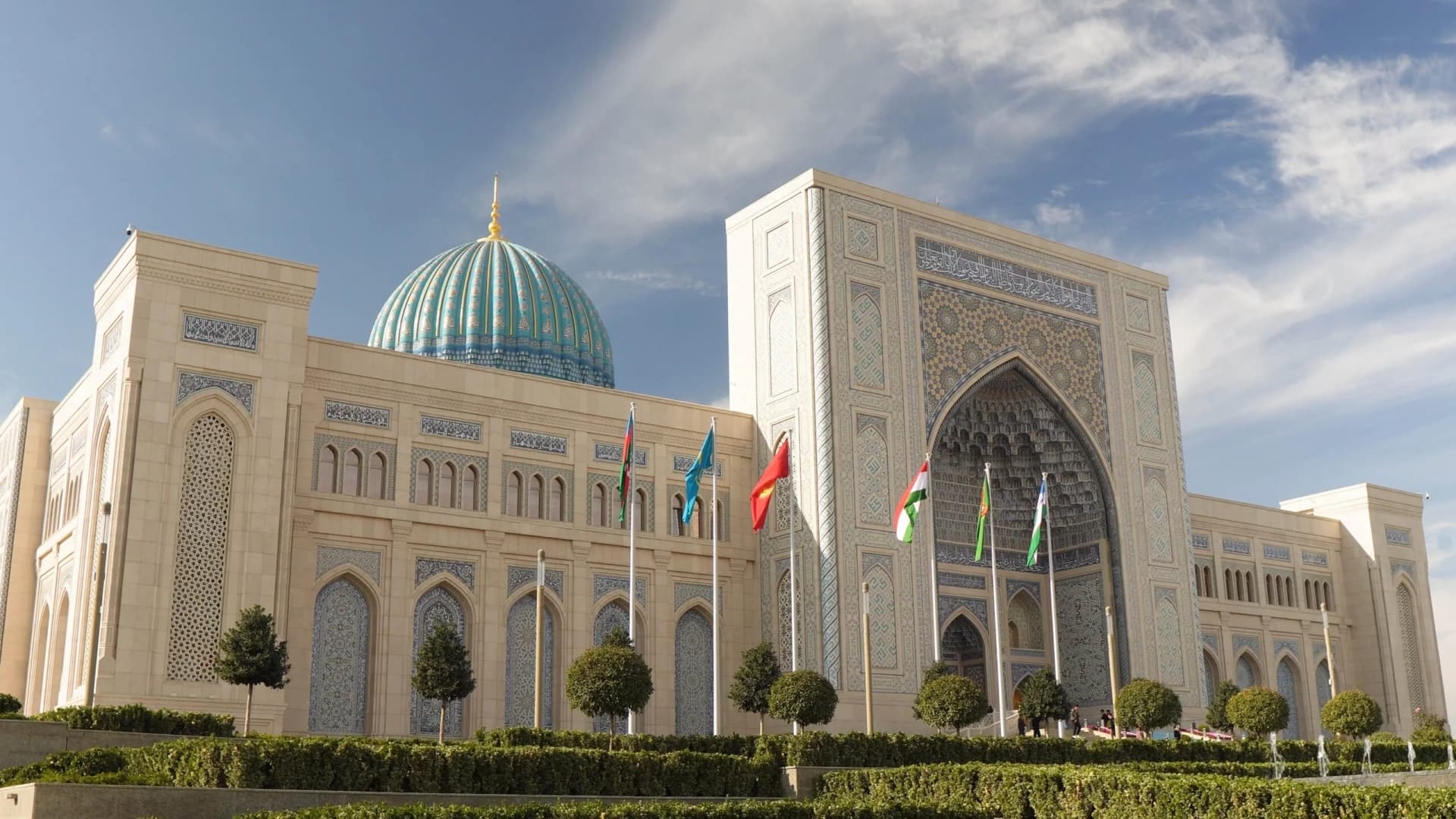
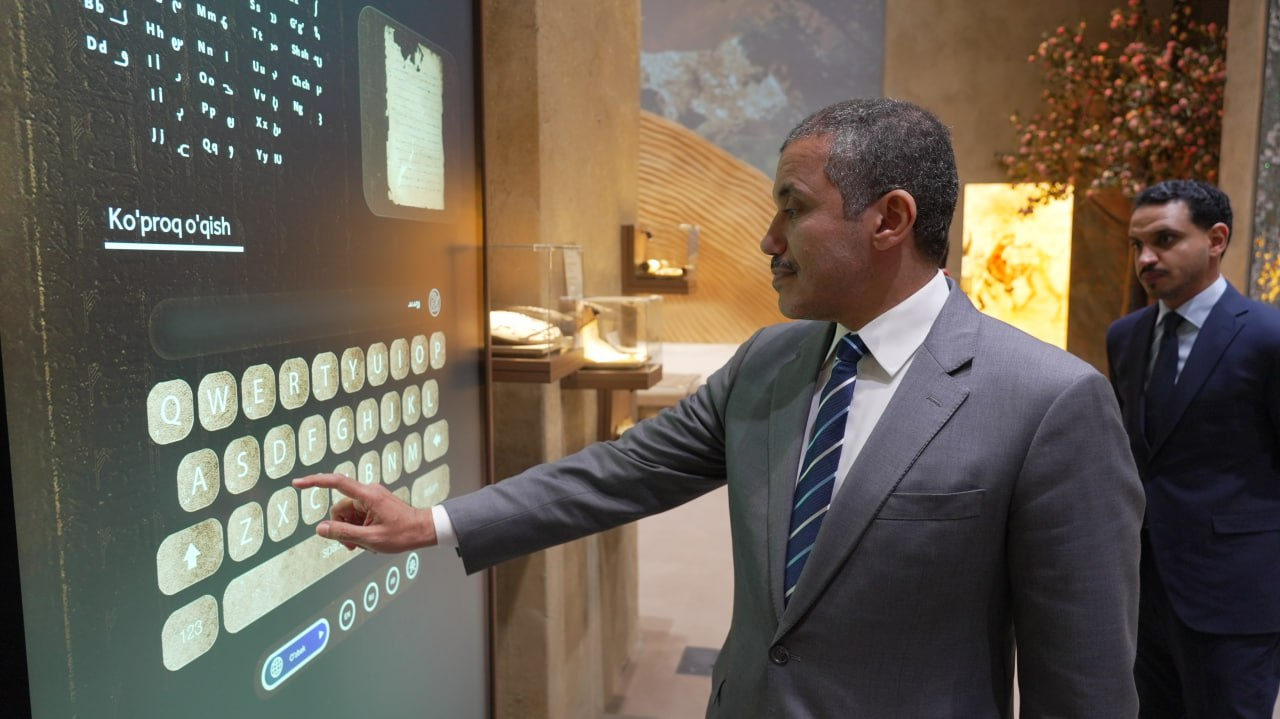 During the visit, the high-ranking guests familiarized themselves in detail with all the main exhibitions of the Center’s museum and viewed them with great interest. The ambassadors paid particular attention to the overall concept of the Center, emphasizing the contribution of Islamic civilization to global scholarship, spirituality, and culture.
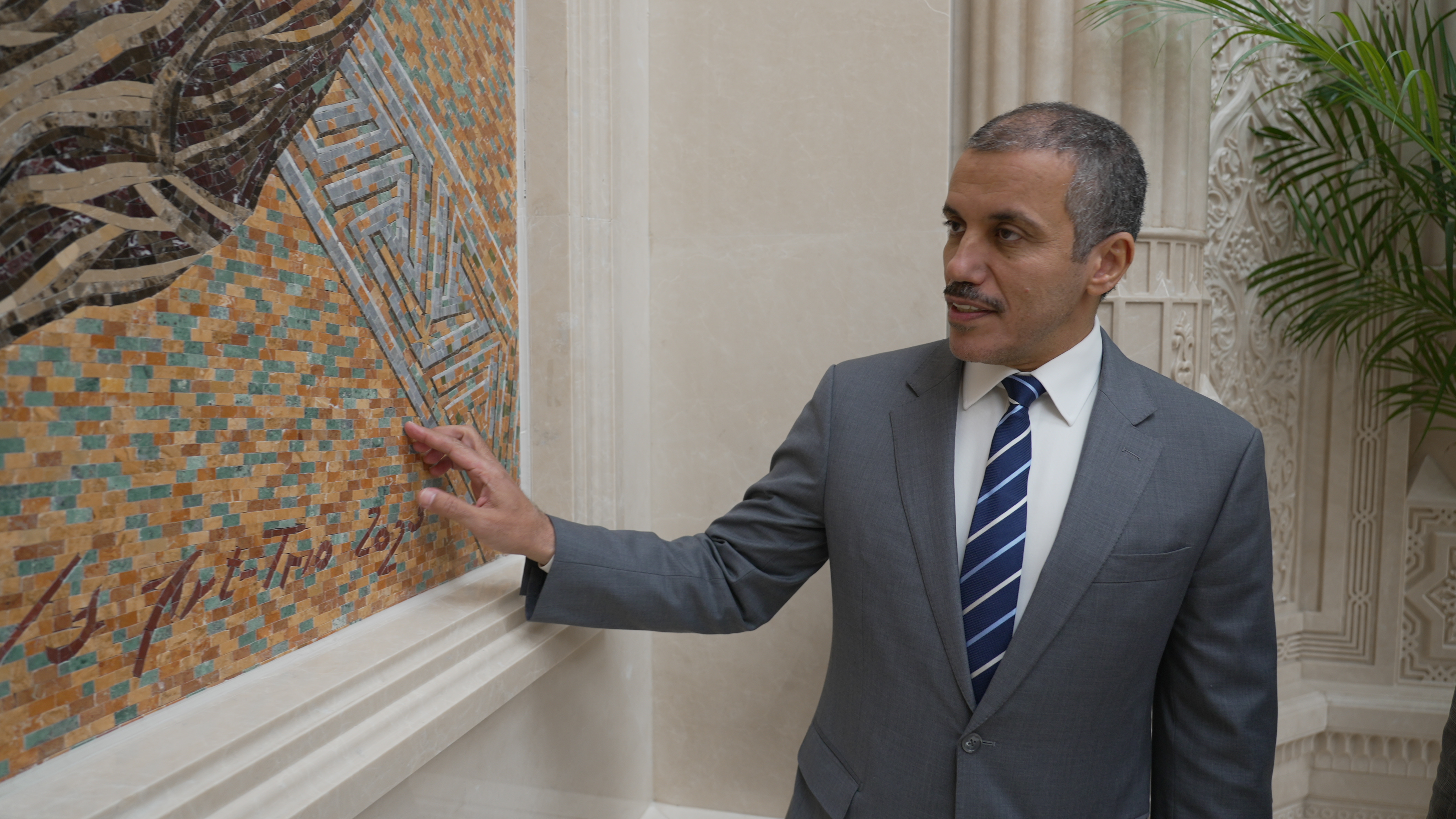
The guests highly praised the fourteen arches in the Hall of Glory, noting the uniqueness of each arch, created in an individual mosaic style. They were also deeply impressed by the exhibition that traces a 3,000-year historical continuum — from the pre-Islamic period to the reforms of New Uzbekistan.
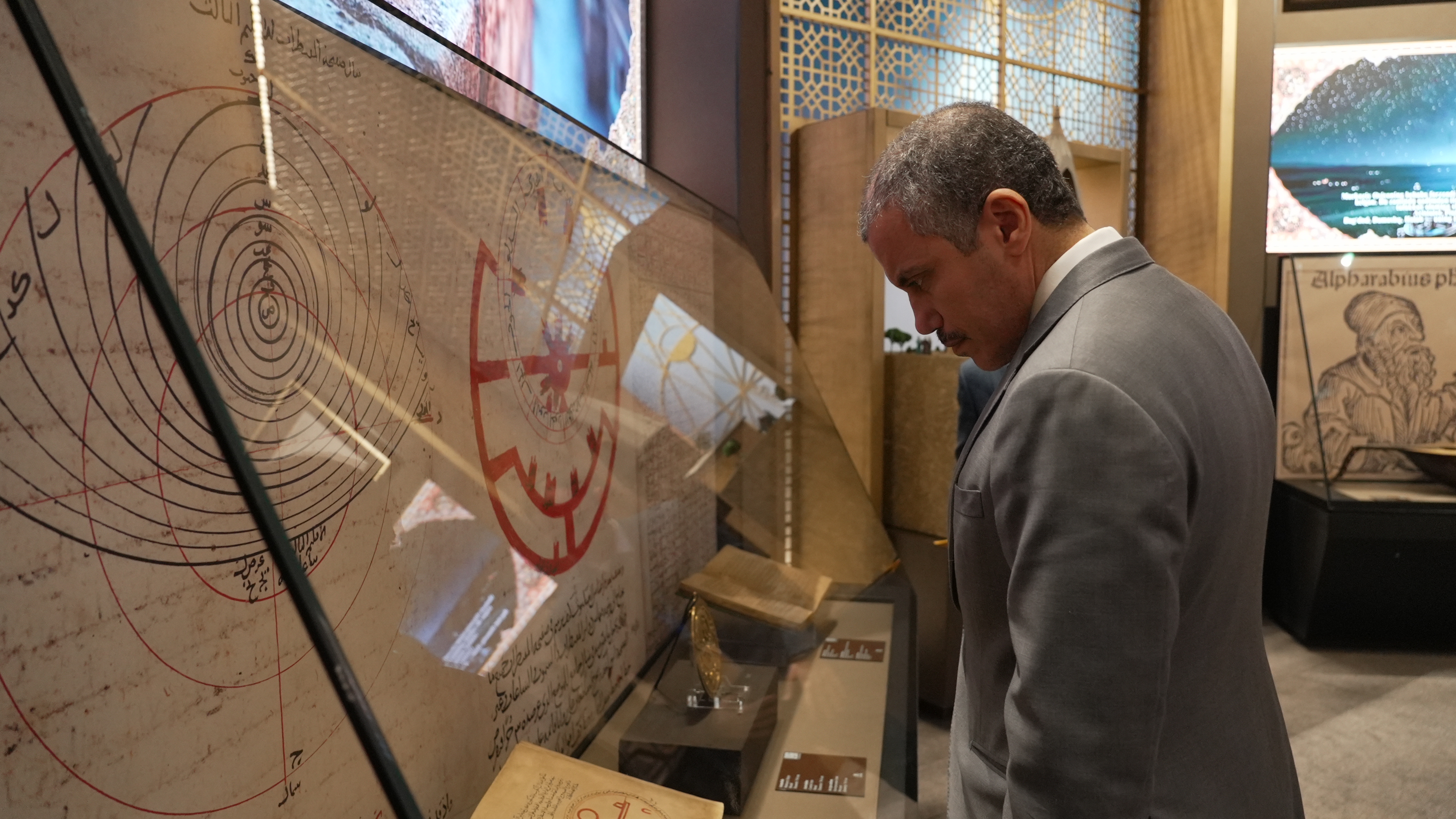
In the First Renaissance section, the guests expressed special appreciation for the Kiswah donated by the King of Saudi Arabia and had the opportunity to examine firsthand a sample of Samarkand paper displayed in this section. This part of the exhibition vividly presents the legacy of the great scholars and scientific schools of Mawarannahr.
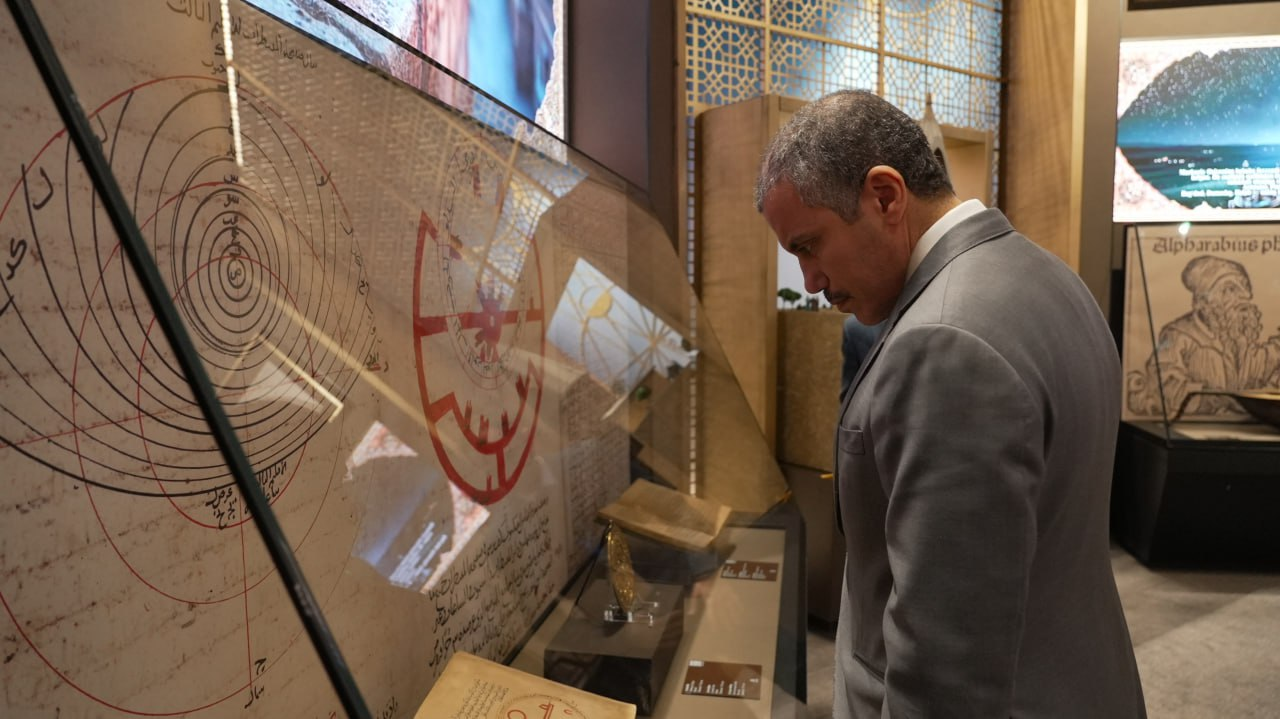
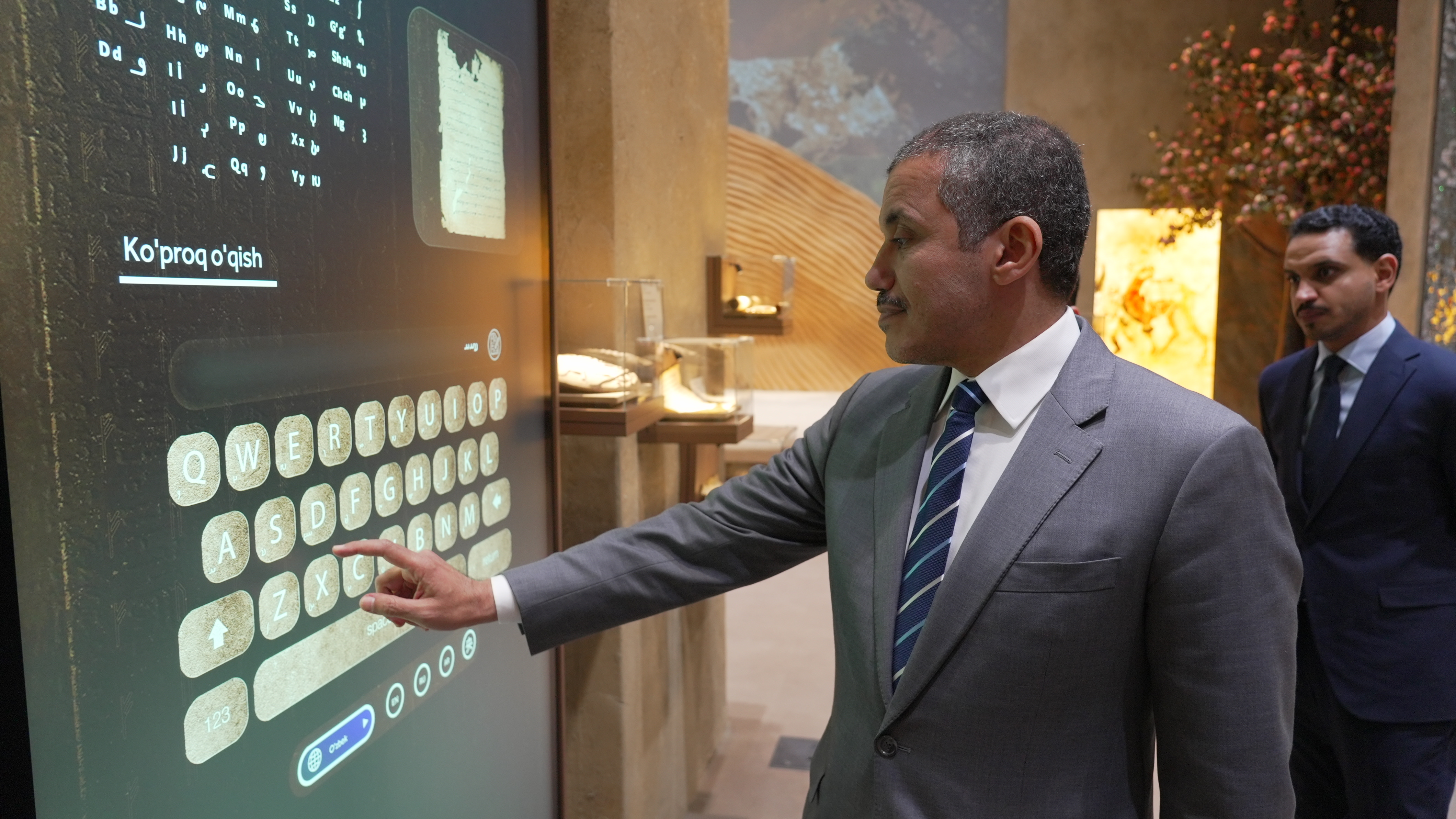
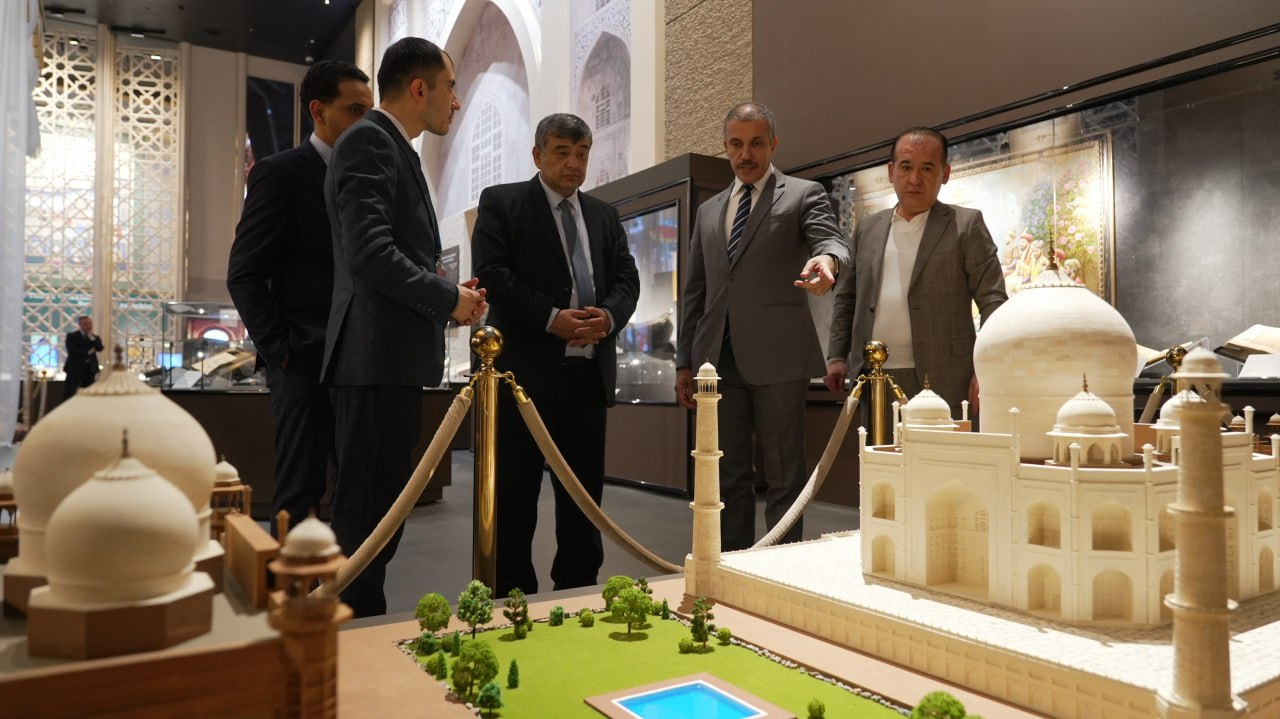 In the Second Renaissance section, the exhibition dedicated to Mirzo Ulugbek left a particularly strong impression on the ambassadors, especially due to the way the scientific and cultural achievements of scholars and statesmen are presented through modern technologies.
The Holy Qur’an Hall, with its architectural grandeur and sacred atmosphere, deeply impressed Saad bin Nasser bin Abdullah Abu Haimed, Ambassador Extraordinary and Plenipotentiary of the Kingdom of Saudi Arabia to the Republic of Uzbekistan. The guests also expressed their appreciation for the educational outreach activities organized in the Center’s Children’s Area, where scientific knowledge is conveyed through animated formats, which they found both engaging and innovative.
In addition, the ambassadors were informed that special dedicated rooms have been allocated on the upper floor of the Center for international organizations such as UNESCO, ICESCO, and IRCICA. The distinguished guests highly appreciated this gesture, noting it as a sign of the Center’s openness to international cooperation and scholarly engagement.