

Films that will be watched even after 100 years: How is Central Asian civilization being revived?
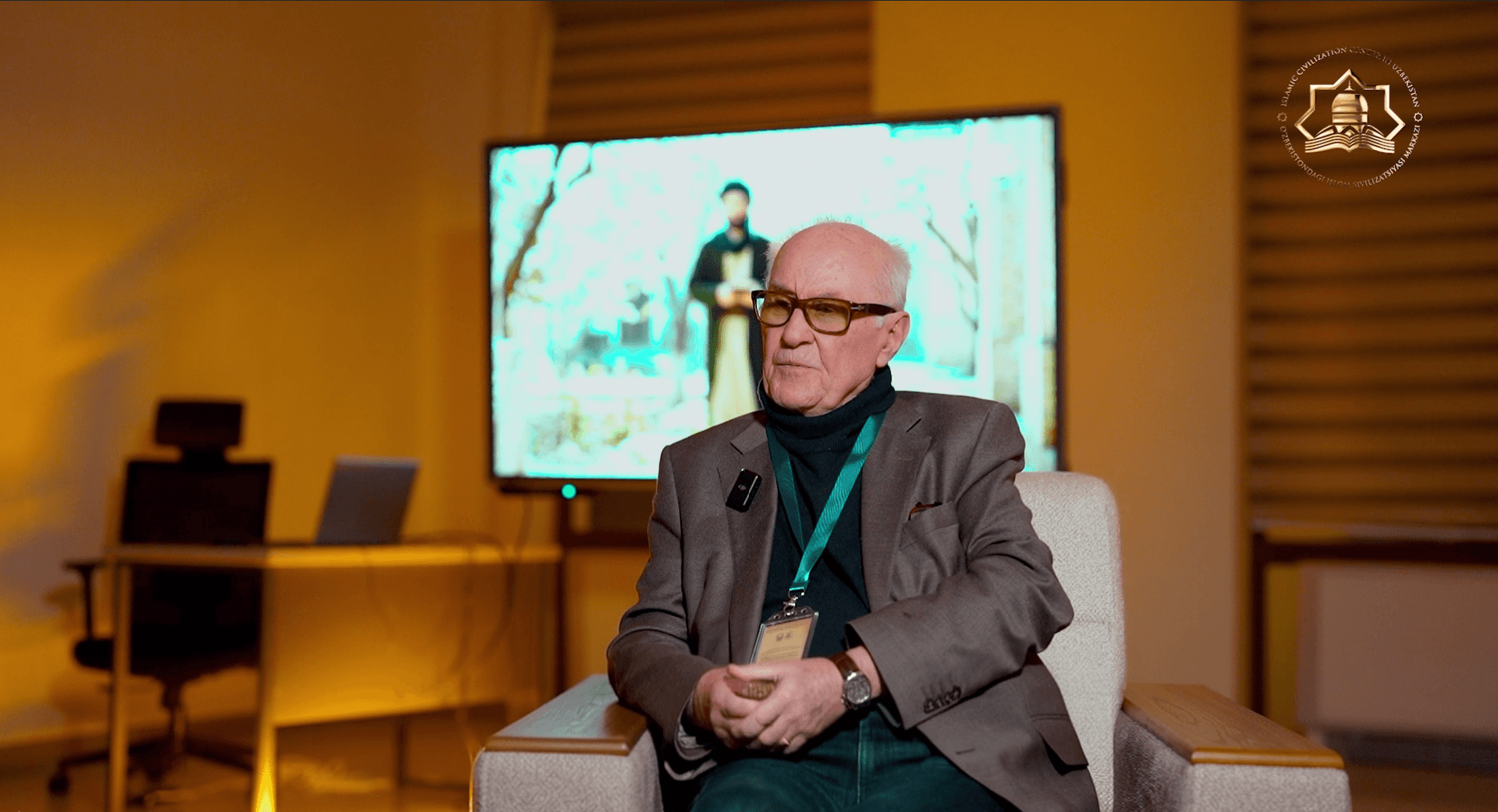
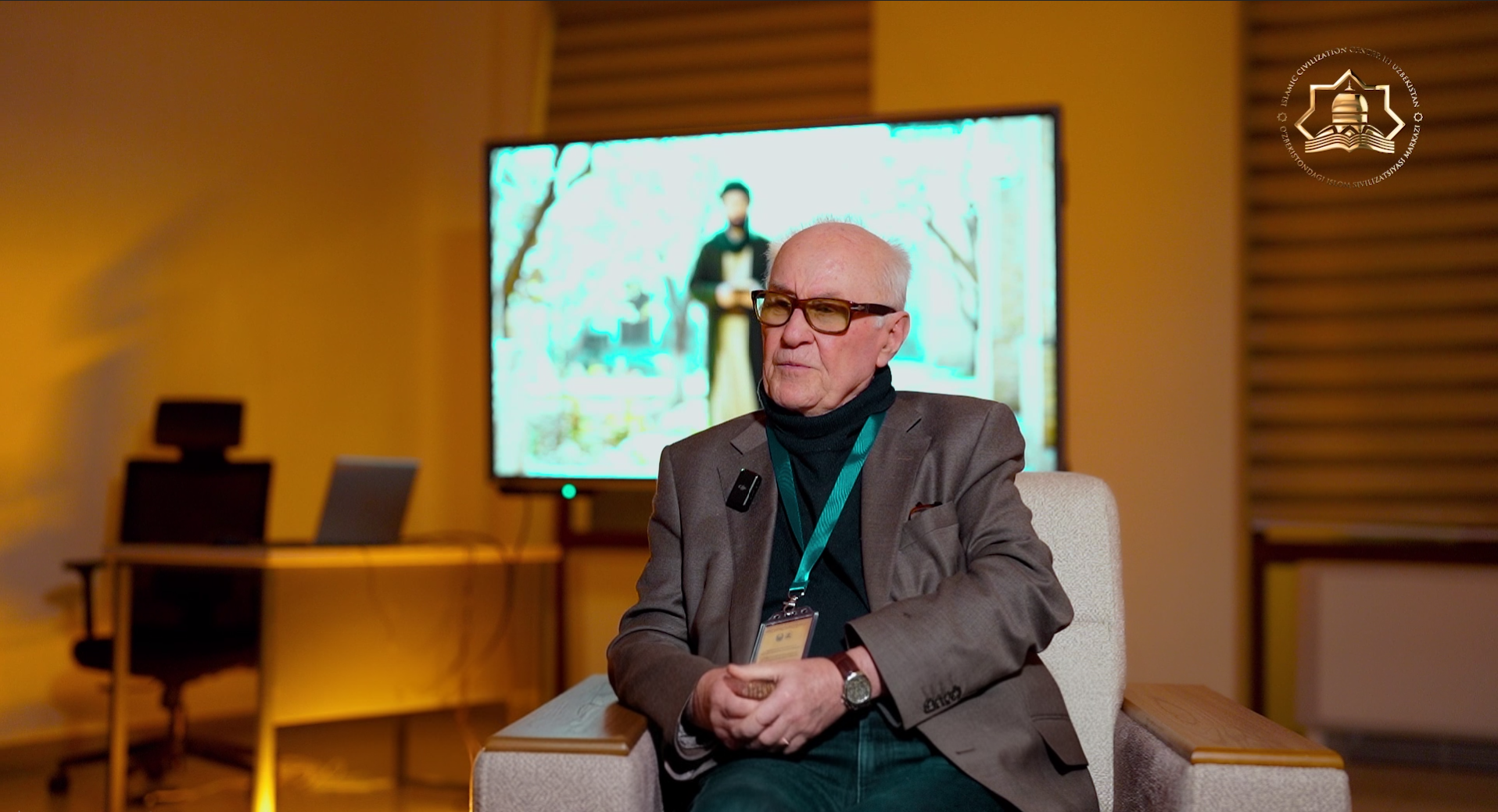
“Our group of experts has been working at the Islamic Civilization Center for nearly two weeks now. We are reviewing the short films produced at the Center. These films shed new light on the history of the development of science, culture, and the arts in the central part of Asia. Our focus here encompasses the entire region of Central Asia. Geographically, this remarkable civilization extended from Herat to the steppes of Kazakhstan, from the Turkmen desert in the west to the Tian Shan Mountains in the east.”
While watching the short films, one can see that the creators have sought to present this civilization in a simple, clear, and engaging manner. In the future — 100 or even 200 years from now — viewers of these films will come to realize that great figures of world culture such as Mirzo Ulugbek, al-Khwarizmi, Ibn Sina (Avicenna), and Babur lived and worked long before the onset of scientific advancement in Europe. At a time when, in parts of Europe, some courageous scholars were persecuted or even burned for asserting that the Earth was not flat but spherical, or for explaining the movement of planets, here in Central Asia Ulugbek was opening up vast fields of scientific knowledge and leaving an immense legacy for future generations.
The films we viewed vary in style and quality: their directors, screenwriters, and scholarly consultants differ from one another, and accordingly, so does their professional level. We offered our recommendations and assisted in correcting certain shortcomings.
Scholars emphasized the importance of conveying comprehensive and accurate information to screenwriters and directors about figures such as Mirzo Ulugbek, Babur, al-Khwarizmi, and Imam al-Bukhari. We advised that each new idea should be introduced with a fresh tone and narrative approach.
The directors made effective use of artificial intelligence, yet it was also recommended to complement this with live footage — including film chronicles, natural landscapes, rivers and water scenes, and the sounds of birds. This is important because AI-generated imagery, when overly uniform and rhythmic, may risk tiring the viewer without the balance of authentic, living visuals.
The music in the videos should not function merely as background accompaniment, but should include expressive national motifs that enhance emotional impact. We therefore proposed incorporating elements of traditional national music.
We also recommended that whenever distinguished individuals appear on screen, information about them should be provided through captions or voice-over narration. Otherwise, viewers watching these videos 100 years from now may not understand who these individuals were or in what capacity they participated.
The films devoted to Amir Temur and irrigation were particularly vivid and powerful. The creators successfully depicted how people constructed canals and water systems under all weather conditions — whether in rain or snow. The films convincingly demonstrate that the irrigation system of this region has functioned continuously for thousands of years.
The film about the first agronomist being from Uzbekistan was also especially engaging.
The video dedicated to the Jadids is of particular significance. The Jadids were the first reformers to introduce science, enlightenment, and new ideas. They were persecuted, imprisoned, and executed by the communists. A film portraying their fate inevitably arouses deep interest and reflection.
“In my view, the ‘Living History of Uzbekistan’ series has a strong and promising future. New directors and new screenwriters will emerge; they will study these films and, together with scholars, continue researching figures who are still unknown today. Over the next 10–20 years, many more names will undoubtedly be brought to light.
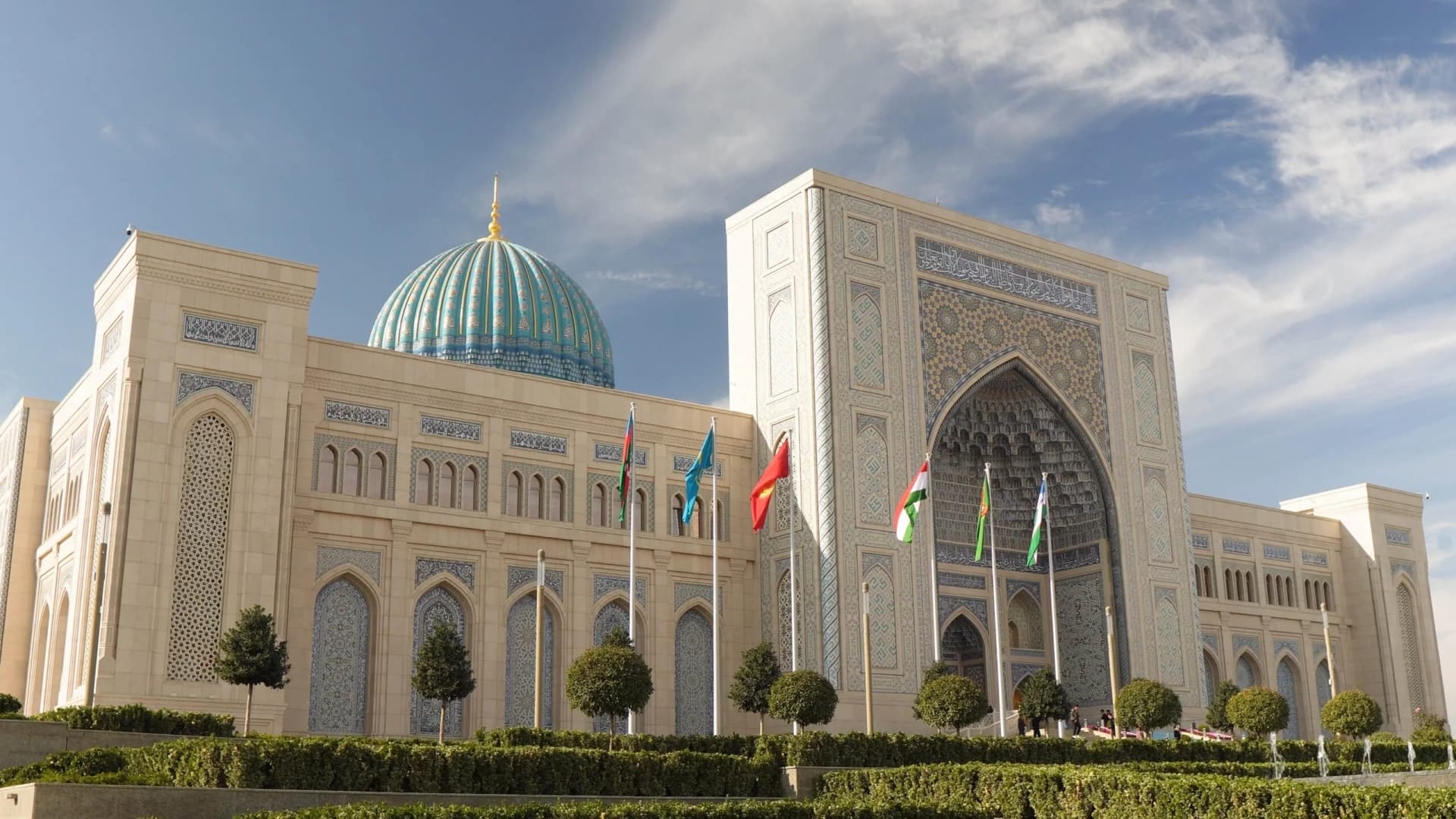
For this reason, in addition to short videos, it is essential to produce a major documentary film about the Islamic Civilization Center. Not a five-minute clip, but a full-length documentary. This subject truly deserves it, because it represents the calling card of Uzbekistan and an institution that today stands as one of the key centers of the Islamic world. It is worthy of a comprehensive and in-depth documentary portrayal.
I am confident that this will be realized in the future by young filmmakers. I wish everyone success, and I hope that we will continue to provide viewers — and those seeking new knowledge online — with thorough, engaging, and meaningful information about Uzbekistan and its great historical figures.
The work initiated at the Islamic Civilization Center is not merely about producing films; it is an effort to return a lost history to the people. Through manuscripts, artificial intelligence, live footage, and national music, the civilization of Central Asia is being reintroduced to a new generation.”