
Women Who Educated Kings: How Is the History of Women Presented at the Islamic Civilization Center?
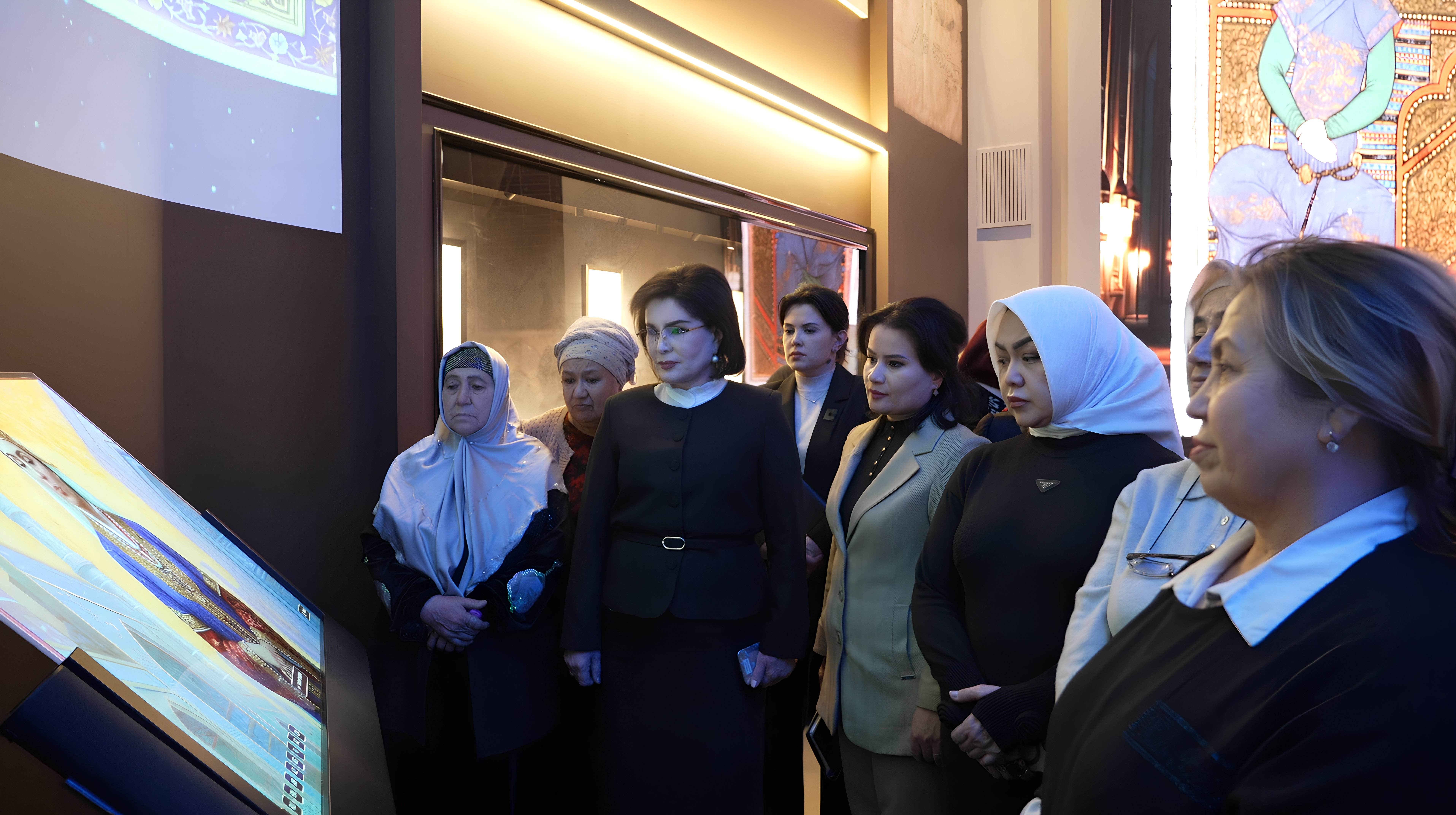
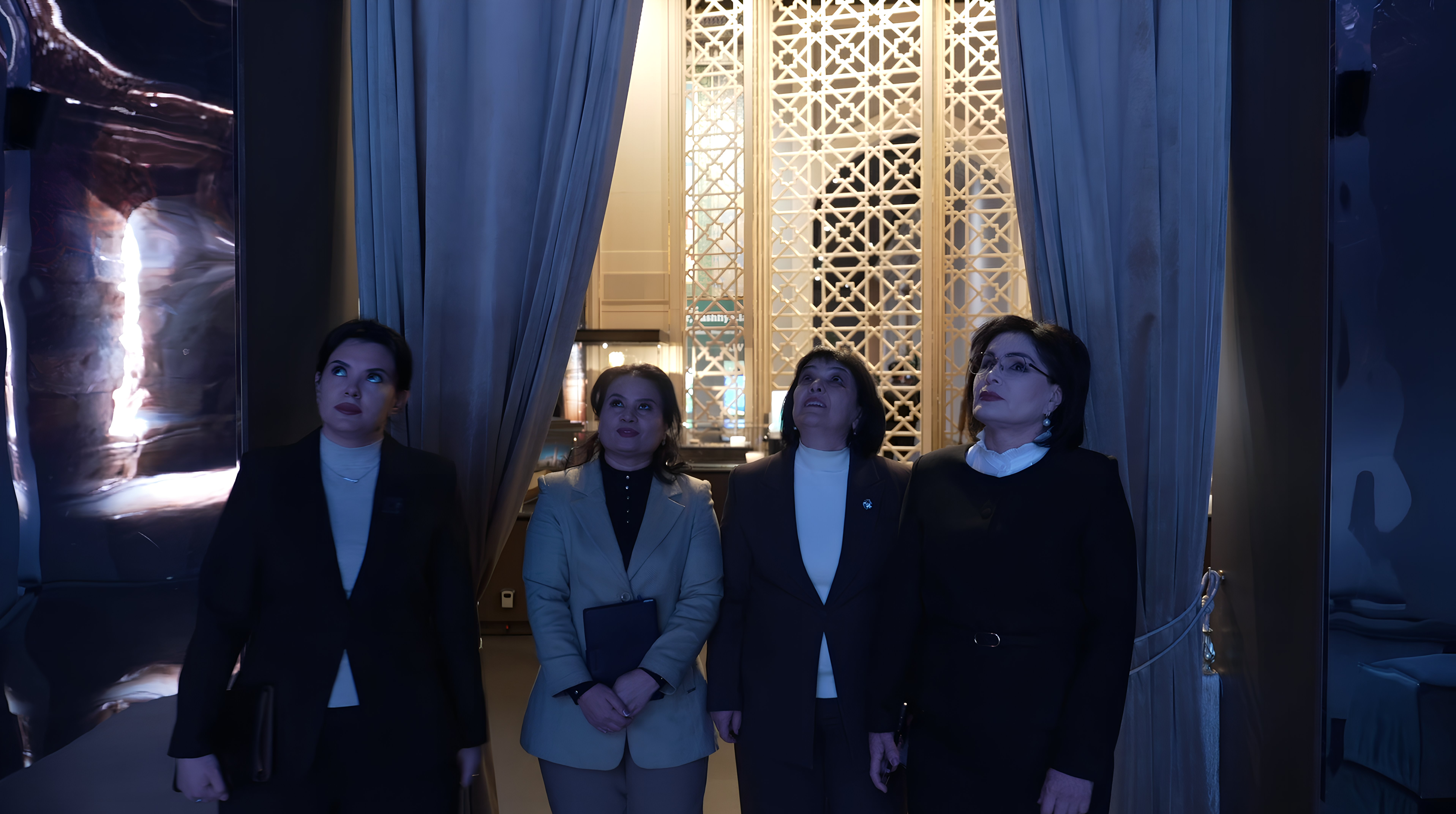
The main purpose of the visit was to familiarize women with the nation’s ongoing constructive initiatives, its rich historical and cultural heritage, and its spiritual values.
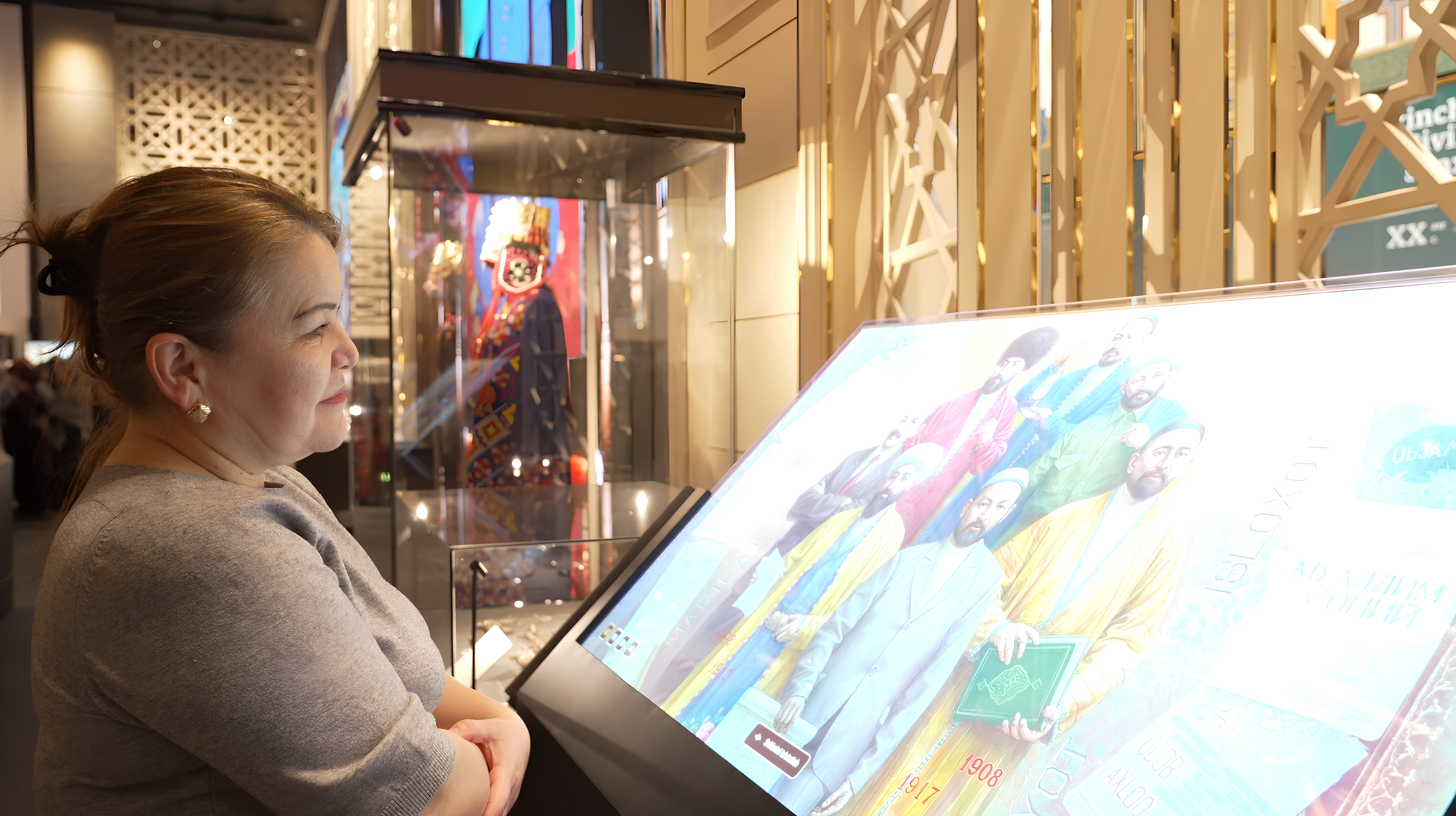
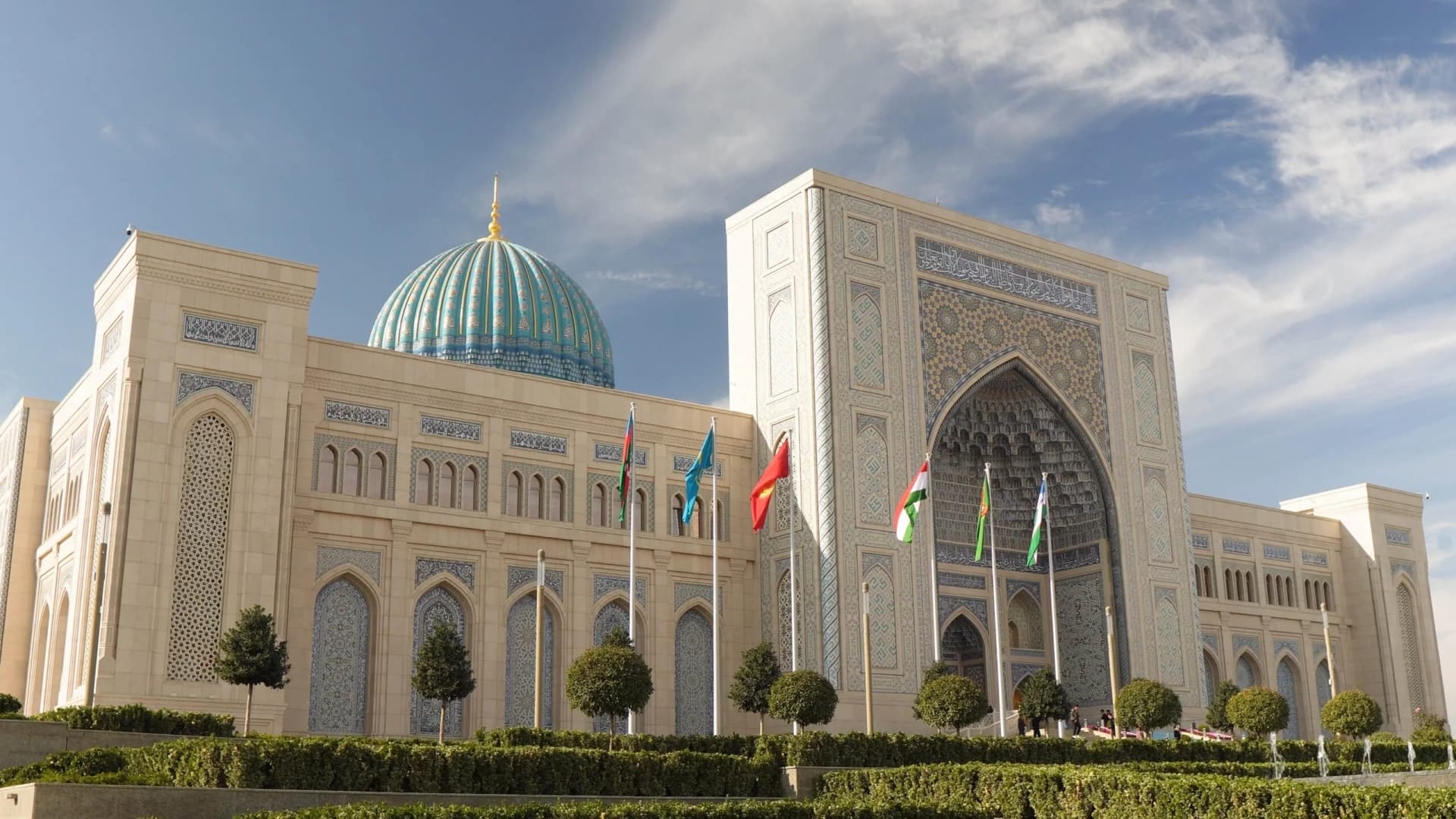
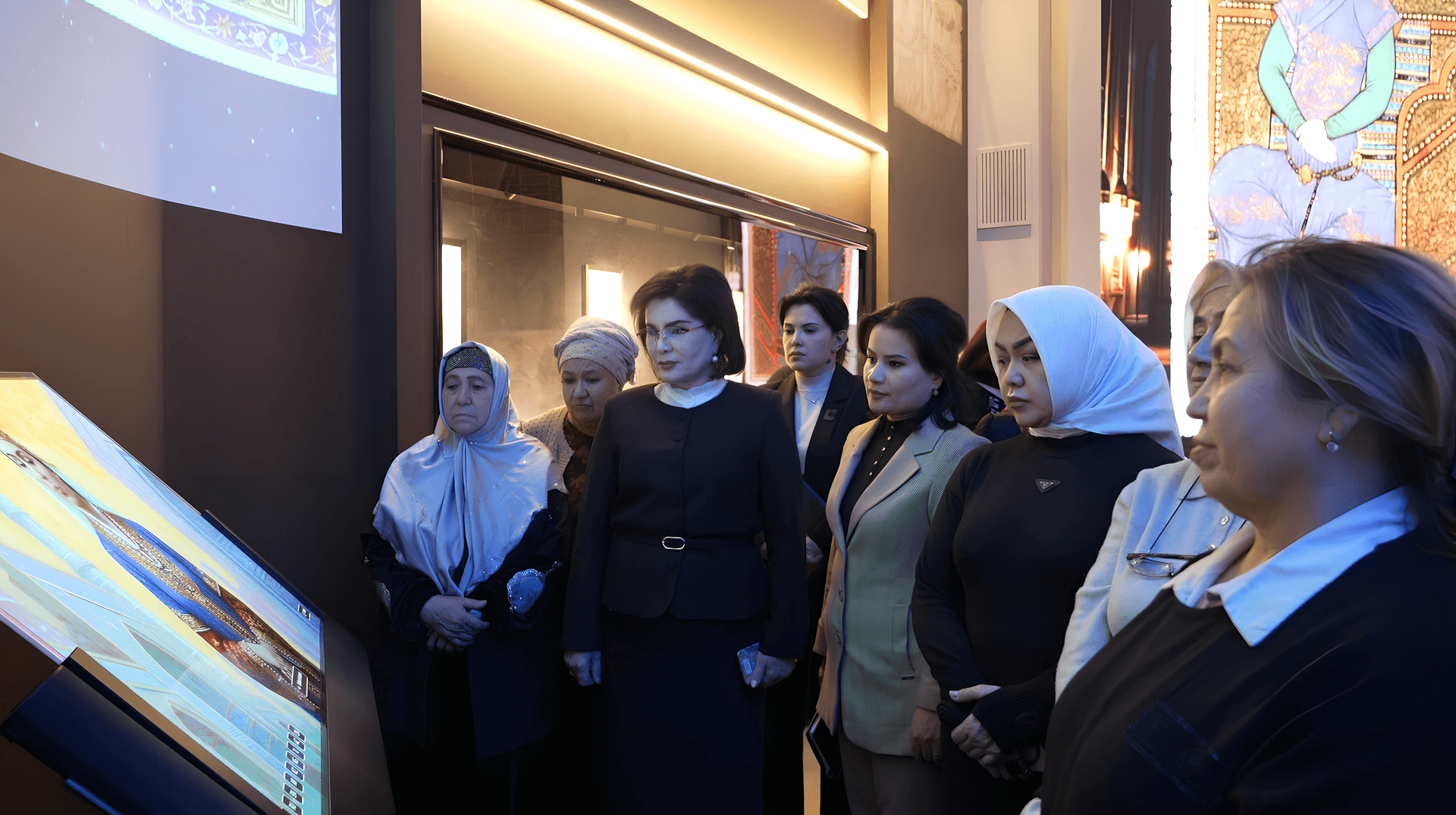
During the visit, they toured the exhibition halls organized at the Center, the scholarly and educational sections dedicated to the First and Second Renaissance periods and New Uzbekistan, as well as unique exhibits reflecting the history and culture of Islamic civilization.
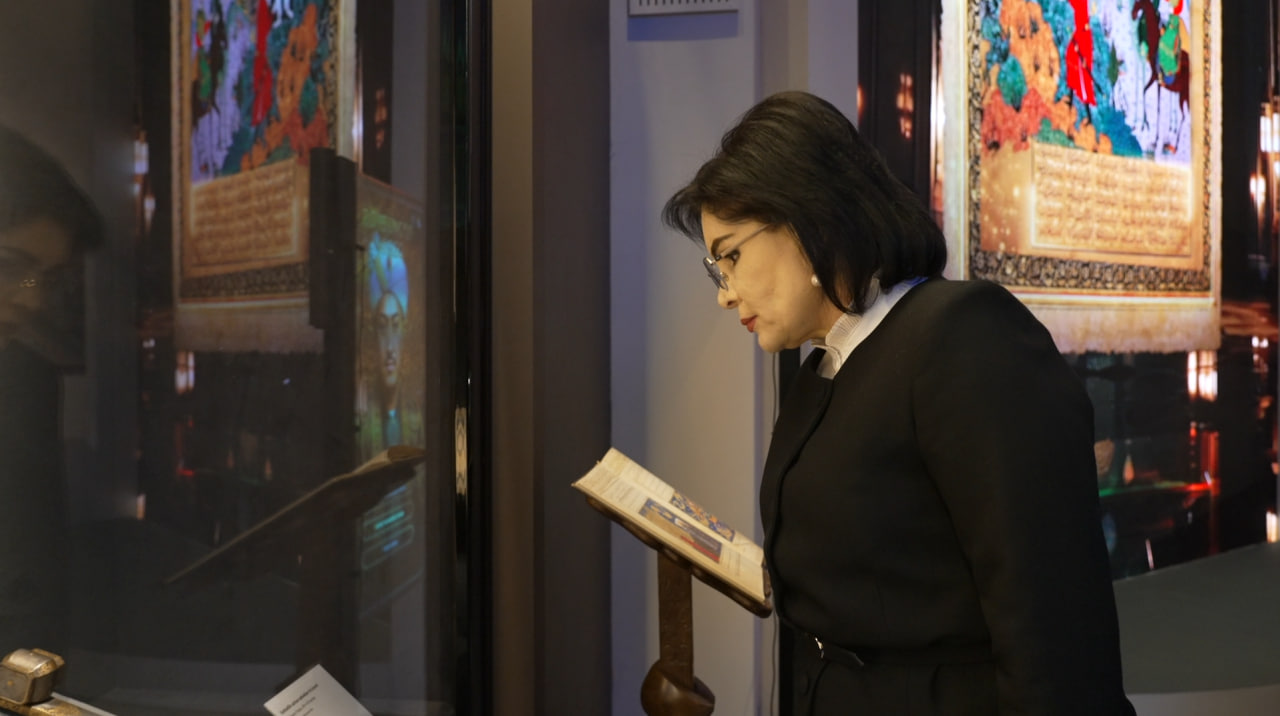
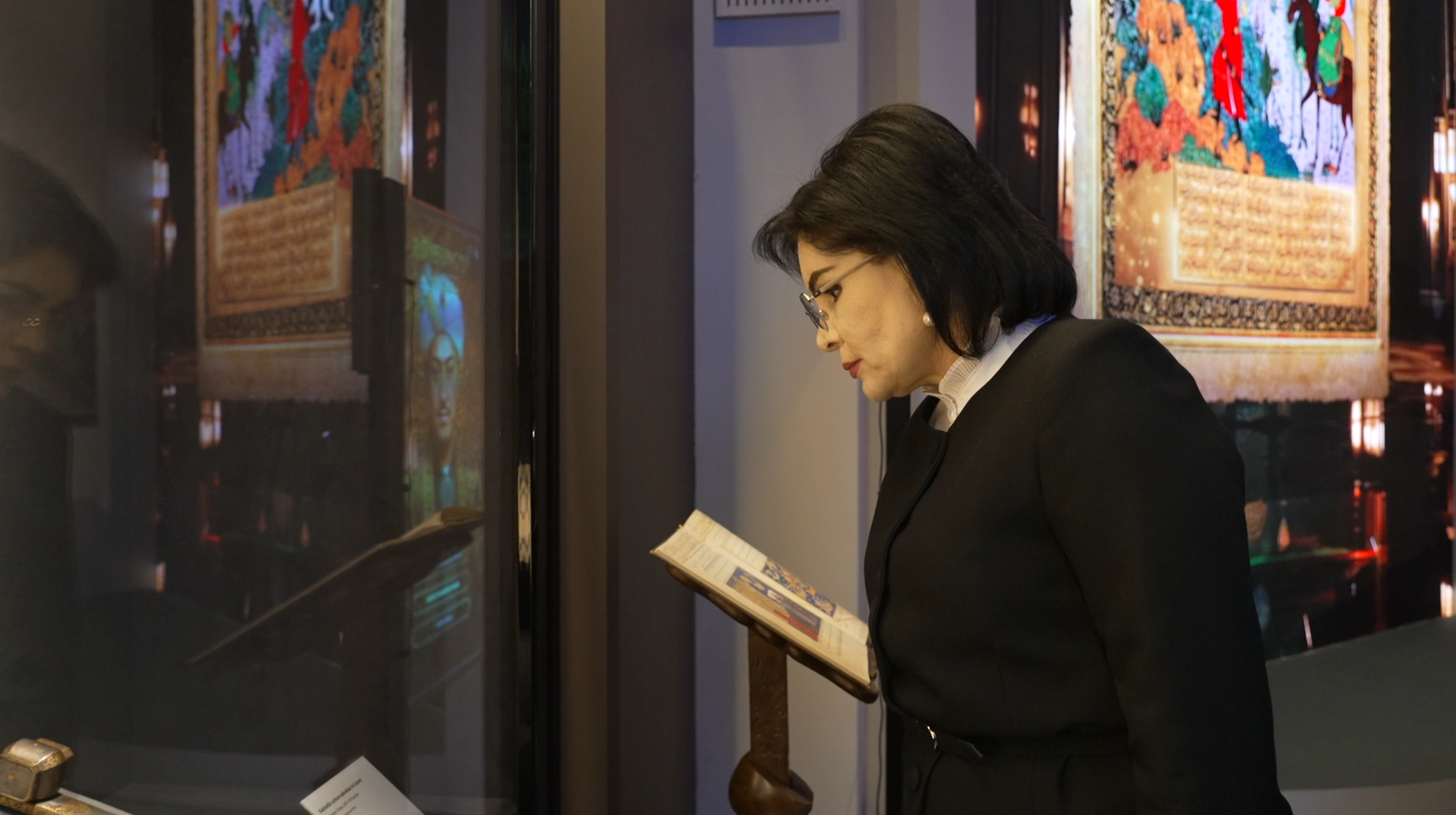
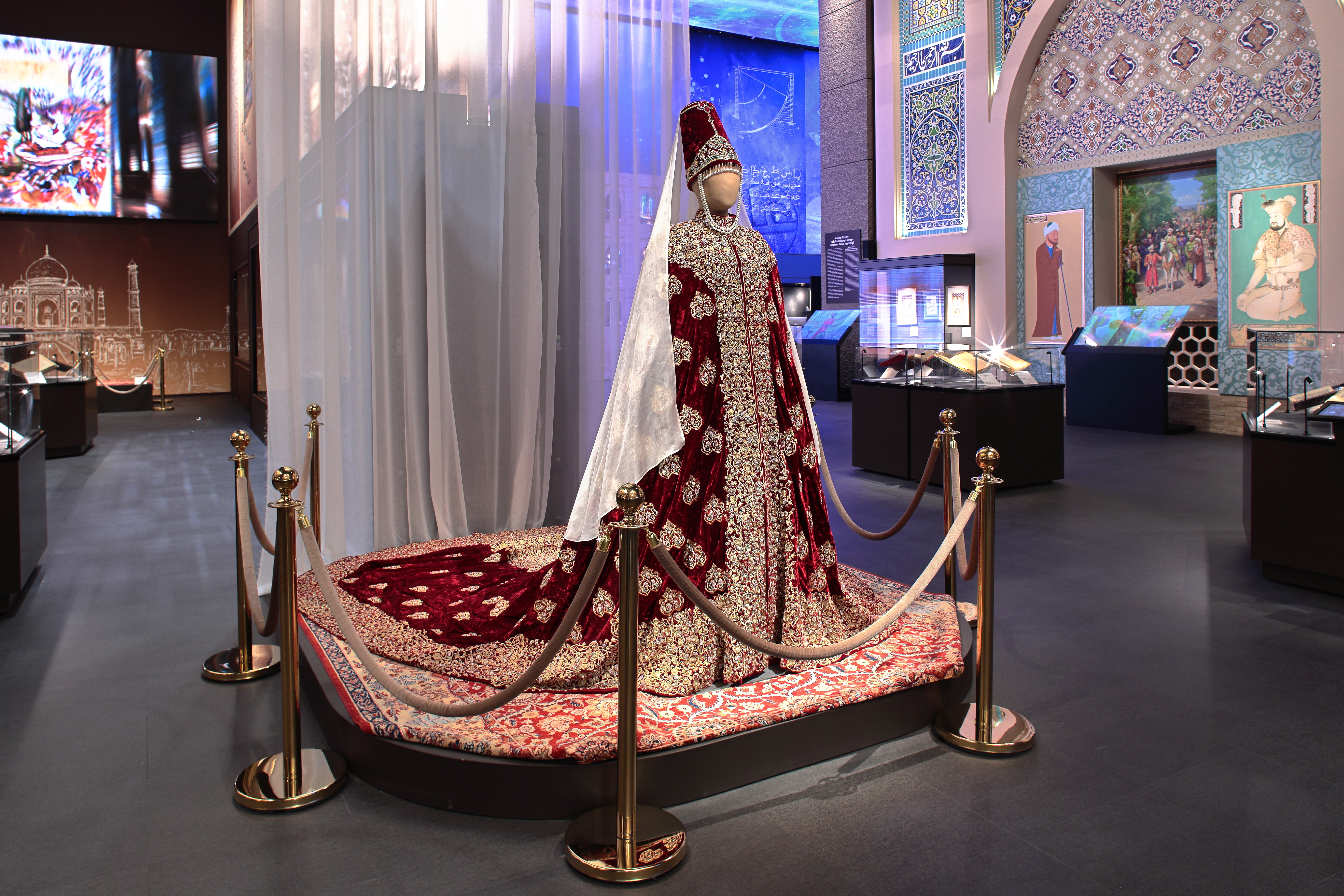
In particular, the exhibitions featuring Timurid princesses, the image of Bibi-Khanum, copies of the Holy Qur’an transcribed by Shodmalik Khotin, manuscripts, traditional garments, and examples of handicrafts attracted great interest among visitors. Through these displays, special emphasis was placed on the comprehensive presentation of women’s roles in society, state governance, and spiritual-intellectual life throughout history.
“Established at the initiative of our President, the Islamic Civilization Center has become an important cultural and spiritual hub not only for Uzbekistan, but for the entire world. Today, together with our women, we visited this Center and became closely acquainted with the ongoing creative efforts as well as the rich heritage left by our ancestors. Our main goal is to introduce women to this historical legacy and, through them, to strengthen a sense of national pride and spiritual values within families and in the minds of children. The exhibitions especially the content dedicated to Timurid princesses, including the garments of Bibi-Khanum, manuscript books, and copies of the Qur’an made a profound impression on our women. Visitors clearly felt how the role of women in the life of the state and society has been honored throughout history. In addition to its spiritual and educational significance, the Islamic Civilization Center also contributes to enhancing our country’s tourism potential. Visitors leave this place inspired by a spirit of national pride and patriotism,” said Mukarram Nurmatova, Deputy Chairperson of the Committee for Family and Women.
“In particular, the exhibitions dedicated to highlighting the role of women in history are generating great interest. It is especially encouraging that special attention is given to the images of Timurid princesses and other remarkable women who actively participated in the life of the state and society through their enlightenment and intellect. Historically, our women may not have been rulers themselves, but they were figures of immense potential who raised kings and shaped the spiritual foundations of society. Among them were many outstanding writers and poetesses. Today, this complex established on the basis of the ideas of New Uzbekistan and the New Renaissanc leaves no visitor indifferent. In recent years, large-scale reforms have been implemented in our country, with particular emphasis on working with mahallas, families, and women, and on providing them with comprehensive support. Reforms aimed at honoring women, carried out on the direct initiative and guidance of the Head of State, are now yielding tangible results. The effectiveness of these reforms can be clearly seen through the activities of this complex as well,” said Saodat Boymirzayeva, Head of the Information Service of the Committee for Family and Women.
“The attention given by our President to women, as well as the cooperation within the vertical system from the mahalla level to the khokimiyat, and from khokims to the ministerial level is clearly reflected in this complex. Our women, upon seeing the garments of Bibi-Khanum, felt as if they had been transported back to that era. The elegance of the attire and the high level of craftsmanship left them truly amazed. In this way, the Center demonstrates the harmony between past and present by paying special attention to women’s history and their social significance in each Renaissance section. Through this visit, our women not only became acquainted with historical heritage, but also returned inspired,” said Sevara Hashimova, Head of the Family and Women’s Affairs Department of Almazar District.
As representatives of the Committee for Family and Women became acquainted with the Center’s exhibitions, they noted that they felt a deep sense of pride in their ancestral heritage, emphasizing that the complex serves to broaden women’s spiritual outlook and to strengthen moral education within the family and society. They also highlighted that the Center plays an important role in the development of tourism and contributes to enhancing the country’s international image.