
The authorial project of the President of Uzbekistan is being recognized as a “Museum of the Future”
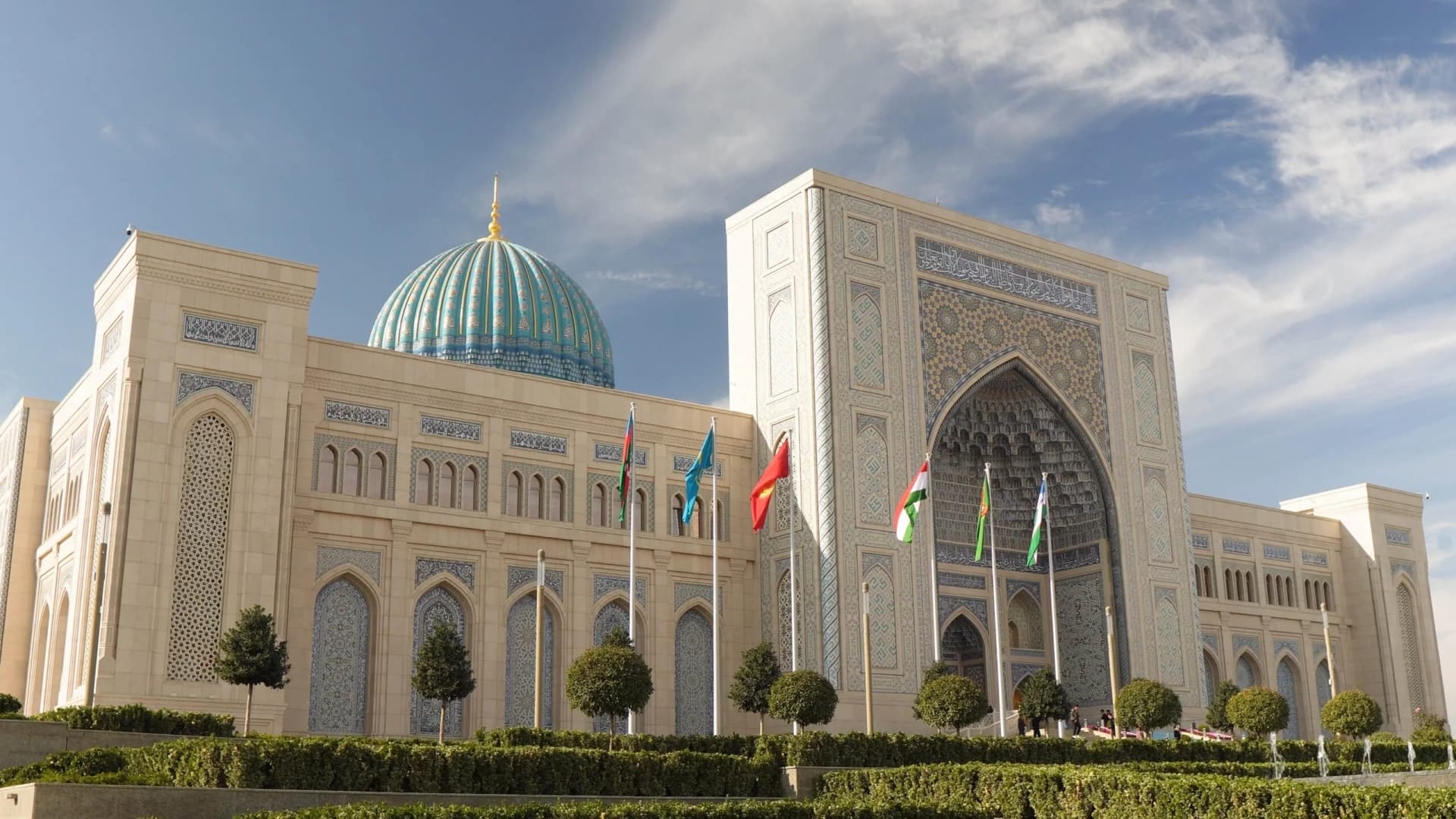
The exhibitions of the Islamic Civilization Center in Uzbekistan, established at the initiative of the President of the Republic of Uzbekistan, Shavkat Mirziyoyev, are attracting high-level international attention from representatives of various countries, as well as from scholarly and religious circles. Through the use of modern technologies, artificial intelligence, and interactive solutions, the centuries-old history of Islamic civilization is presented in an innovative and contemporary interpretation. Visitors have therefore described this unique space as a “Museum of the Future.”
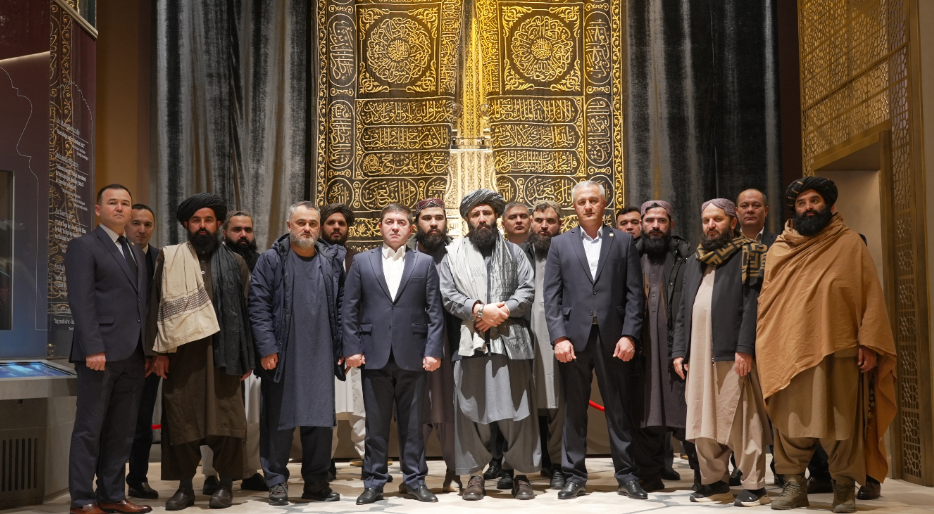
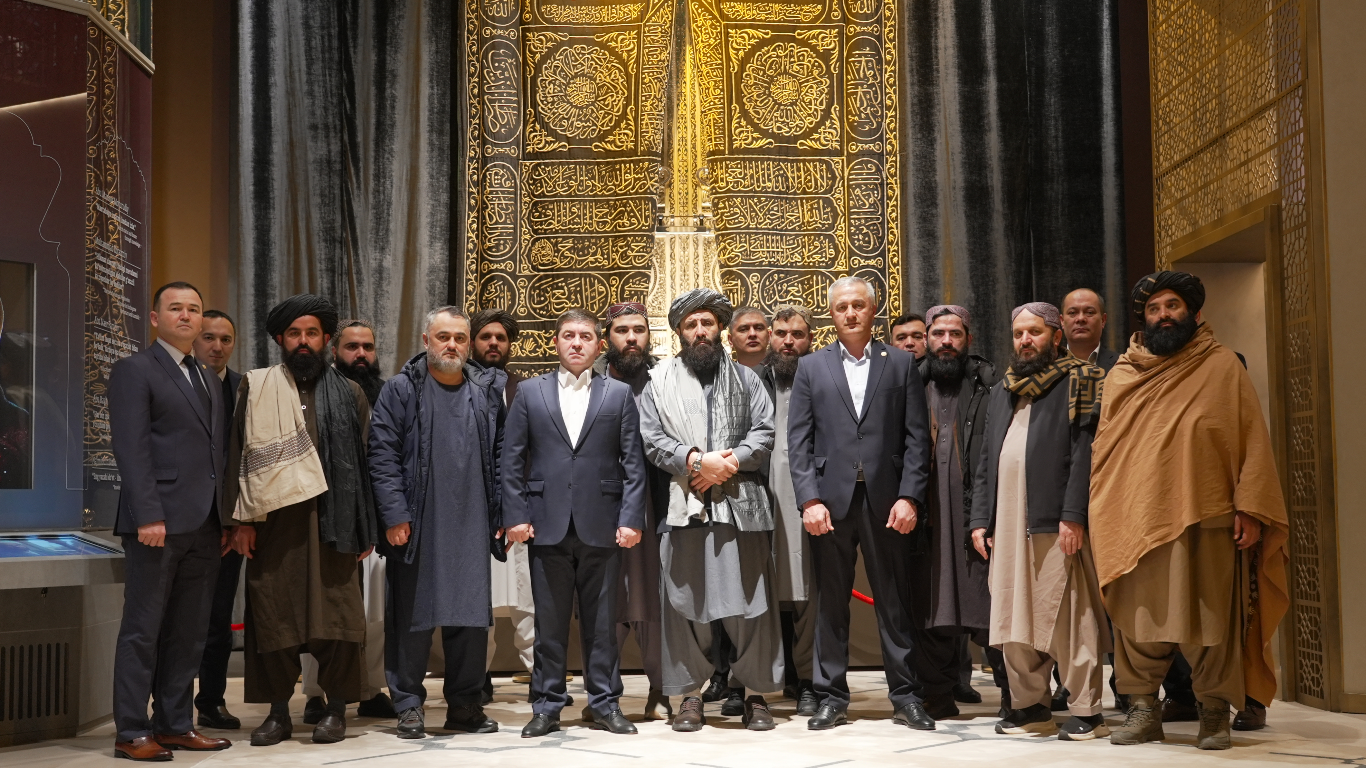
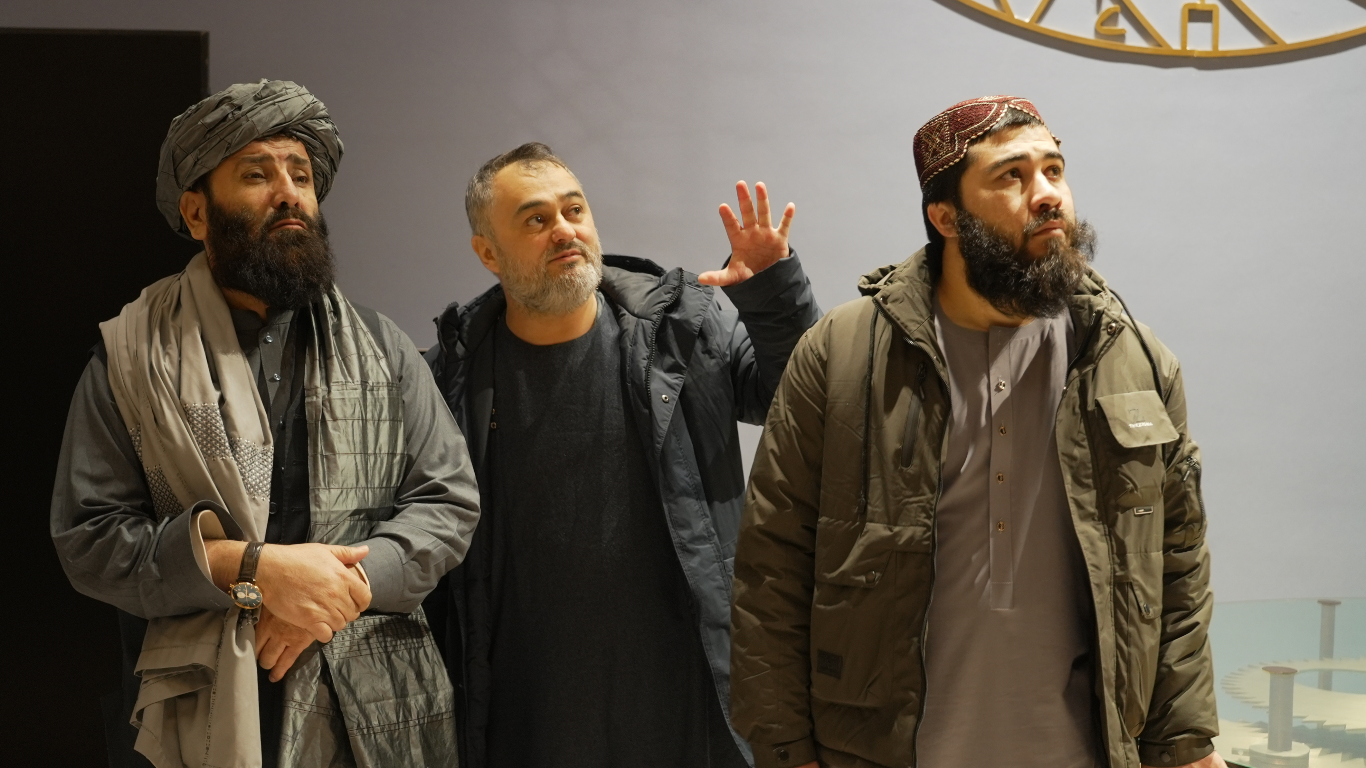
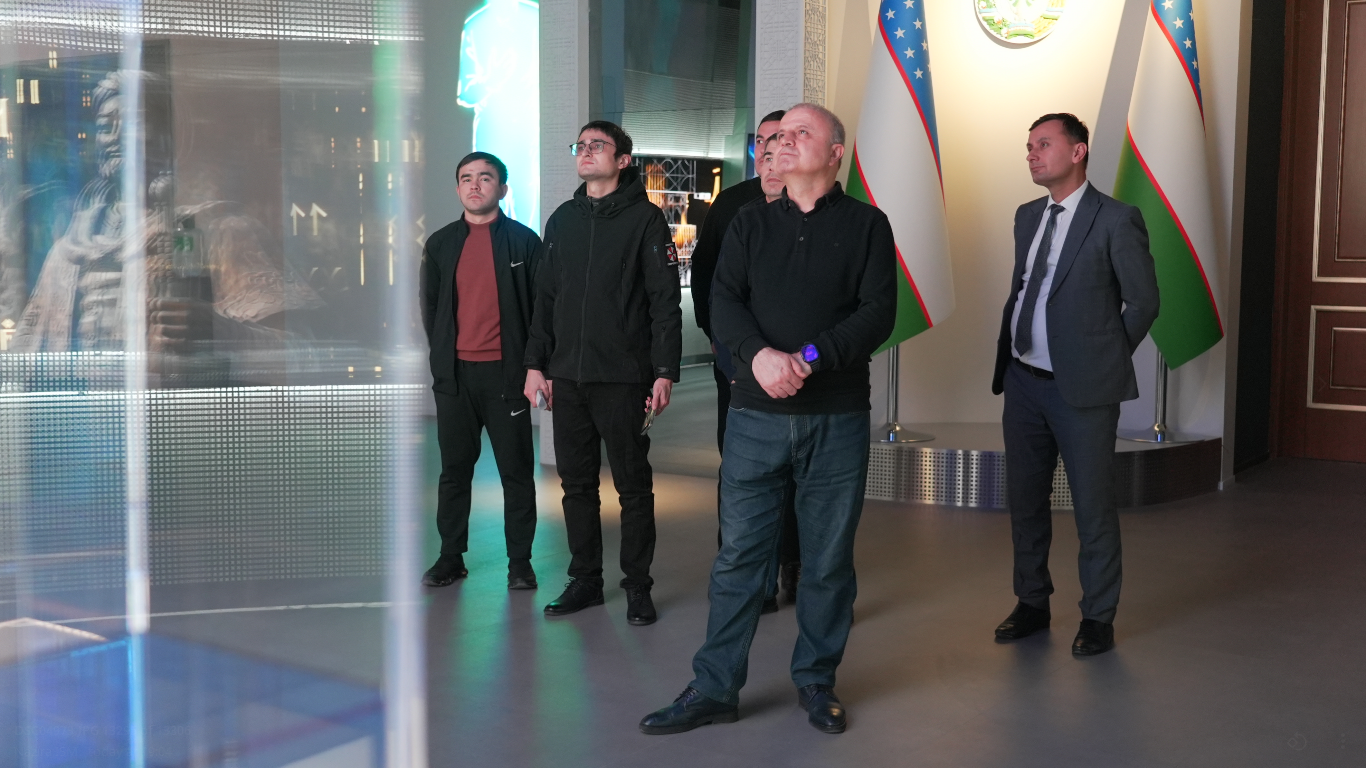
In particular, a delegation from the Ministry of Defense of the Islamic Emirate of Afghanistan, during its visit to the Islamic Civilization Center in Uzbekistan, closely familiarized itself with the newly created exhibitions and with the presentation of Islamic spiritual heritage through modern technological solutions. The delegation members were deeply impressed by the majestic atmosphere of the Holy Qur’an Hall, as well as by the profound spiritual and philosophical interpretation of the sciences of the Qur’an, which left a lasting impression on the guests.
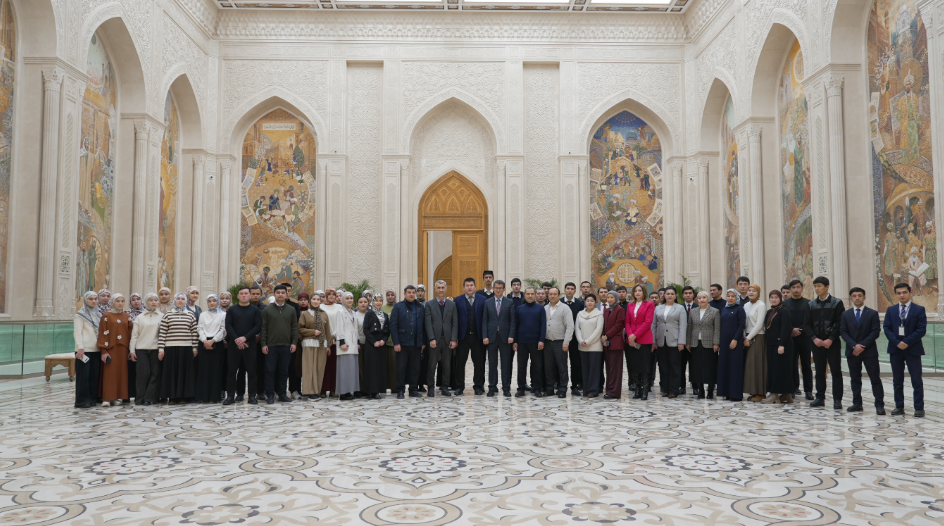
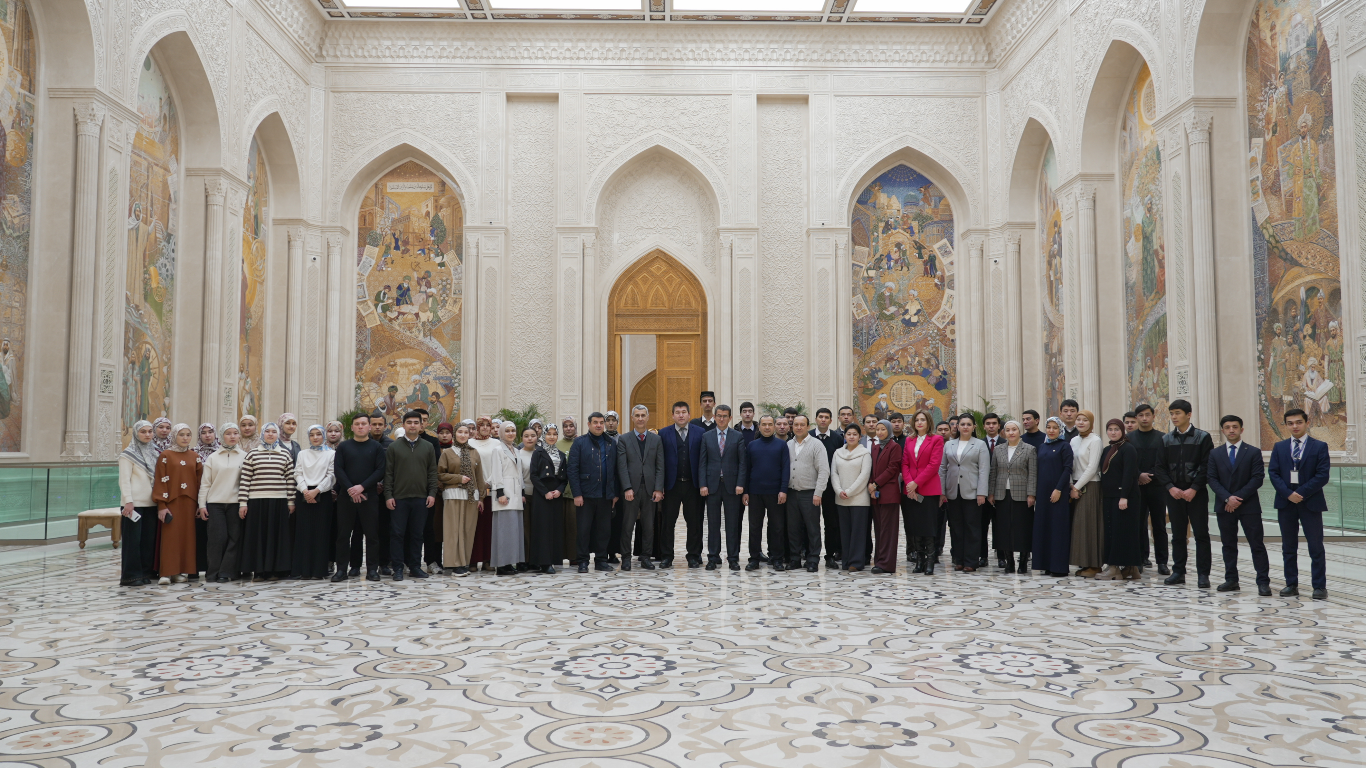
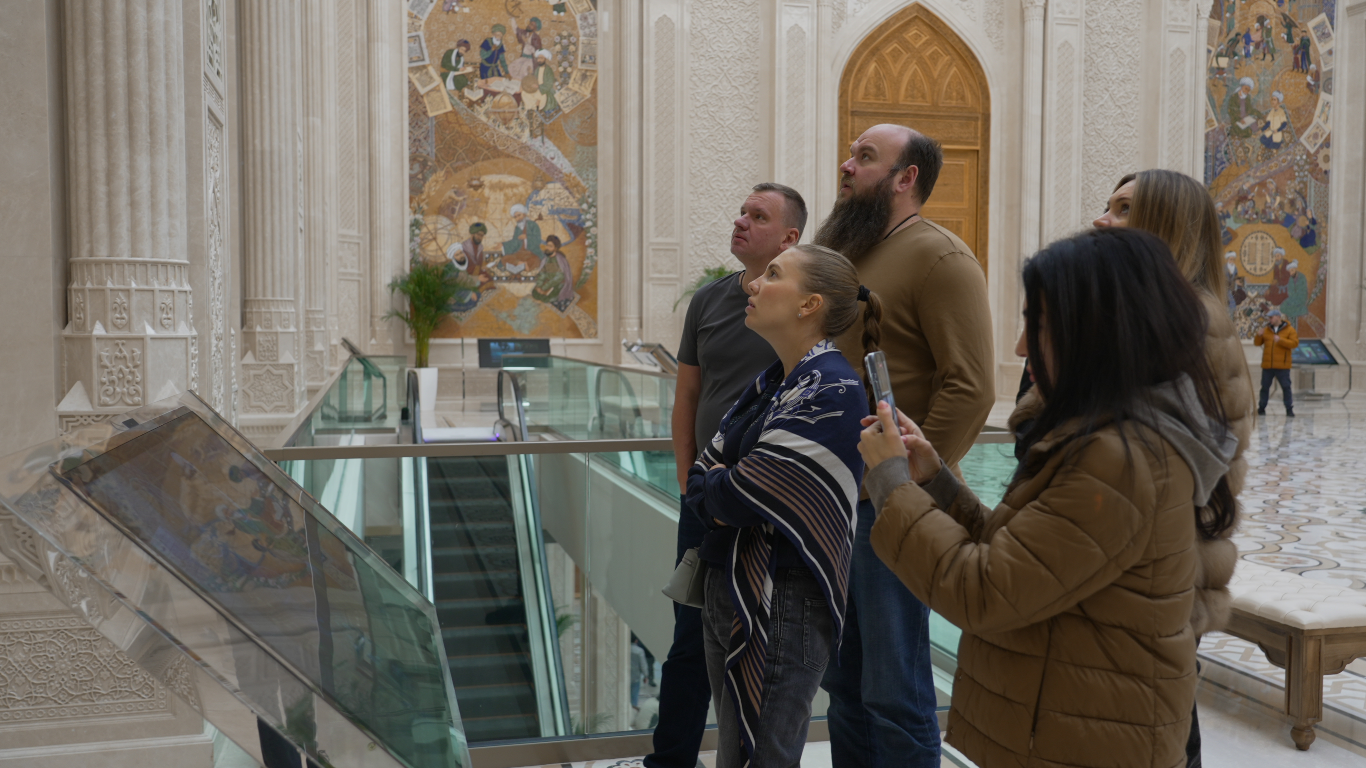
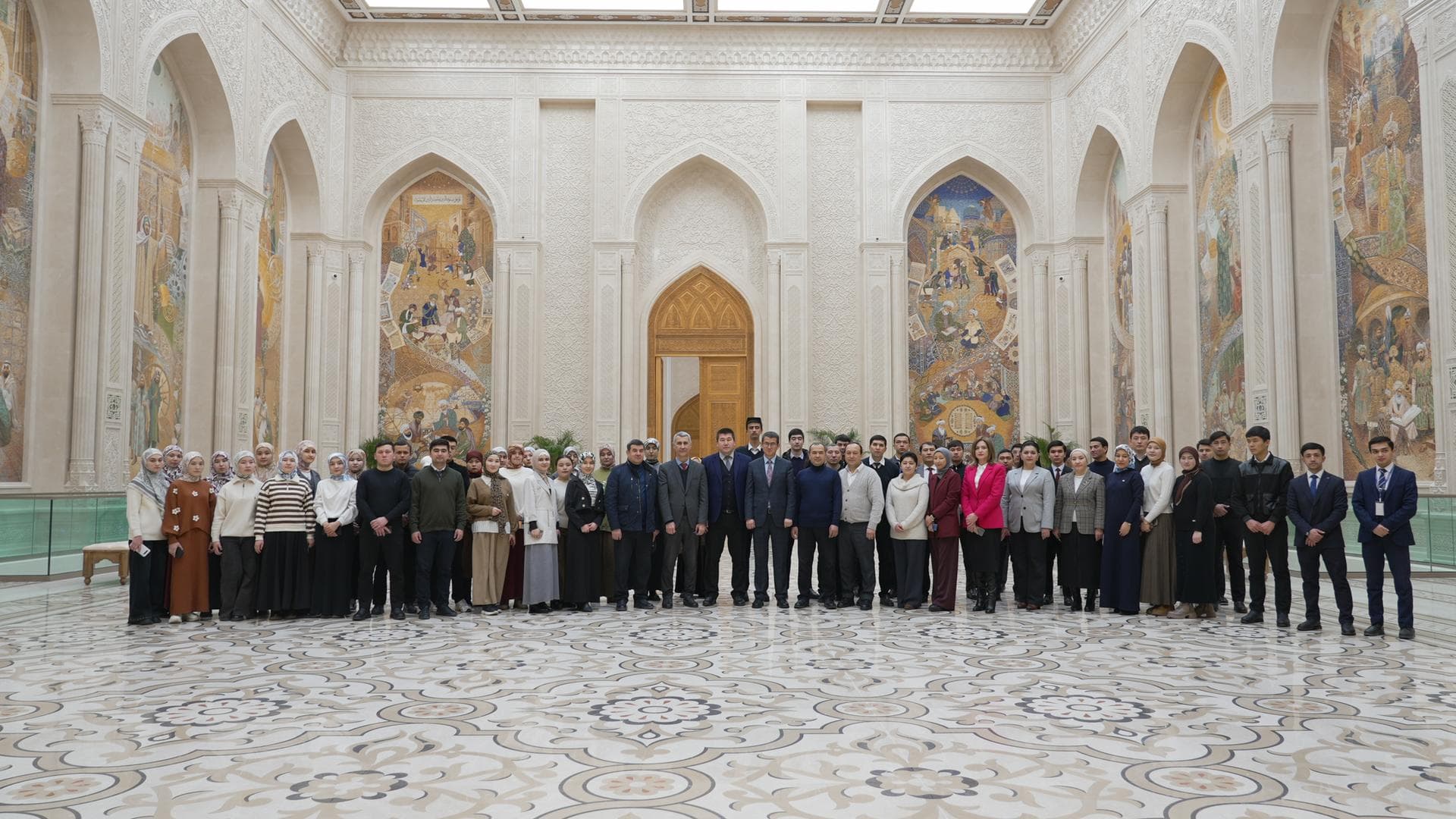
Likewise, professors, lecturers, and students of the Uzbekistan International Islamic Academy, who visited the Center with the aim of gaining a deeper understanding of the history of Islam and its role in the development of science and culture, expressed strong appreciation for the educational approach that integrates learning through interactive games, as well as for the clearly educational content embedded in each exhibition.
In particular, the presence of distinctive interactive solutions in every exhibition, the opportunity to engage in virtual dialogue with great scholars, and the availability of information about renowned thinkers in more than ten languages in the “Hall of Honor” sparked special interest among young visitors and representatives of the academic community.
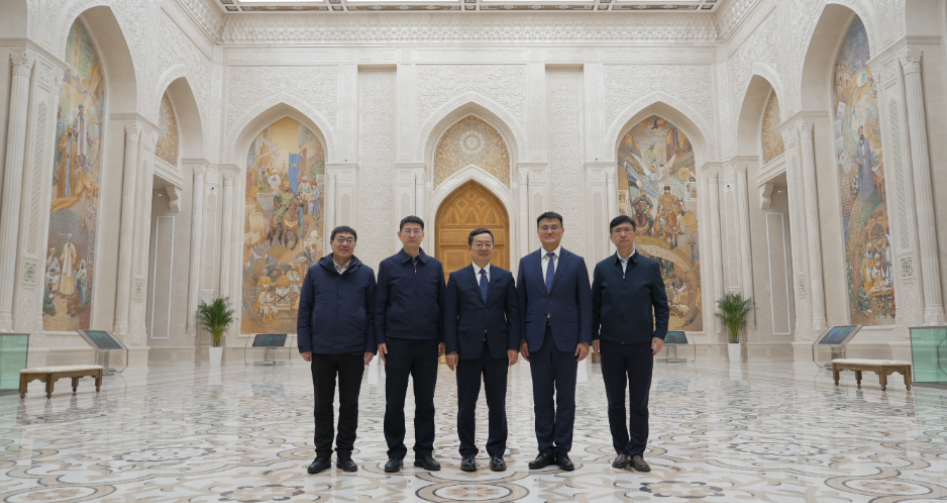
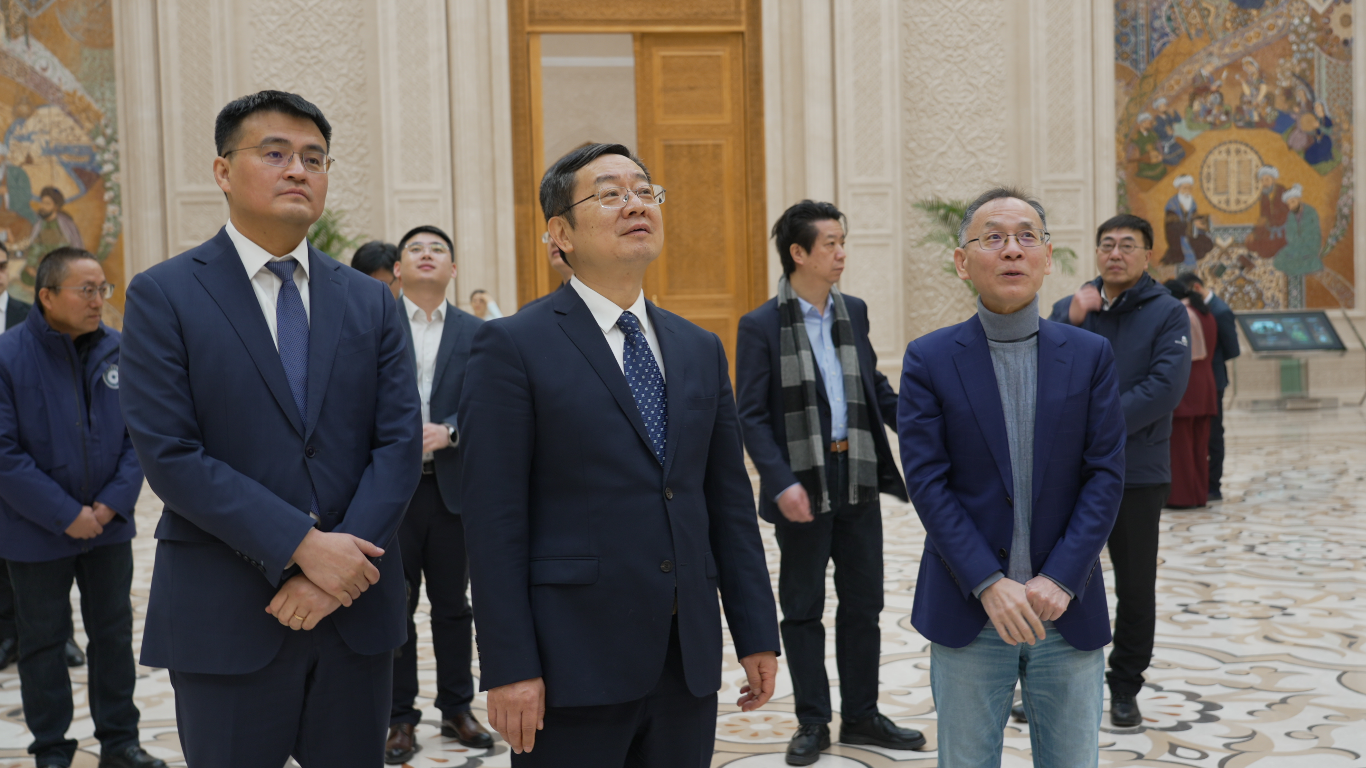
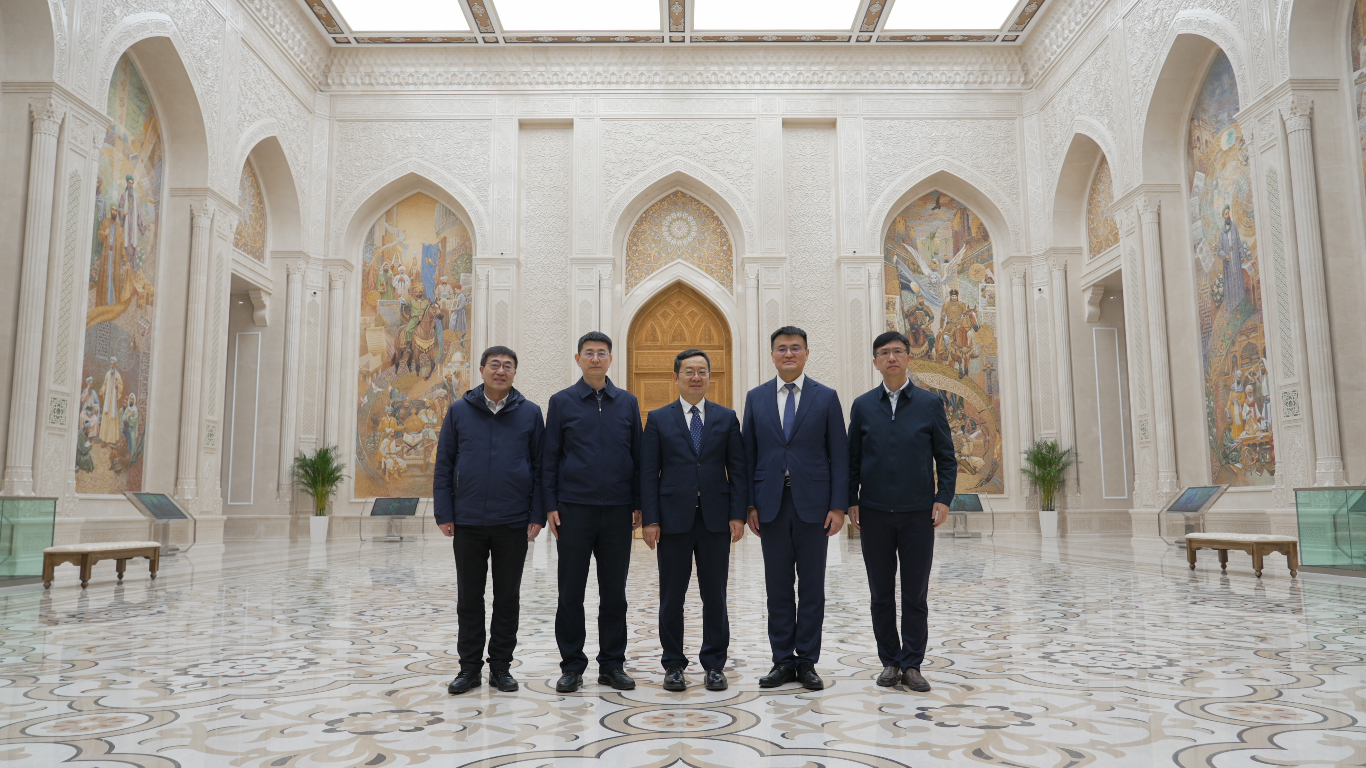
In addition, a delegation led by Gao Xiang, President of the Chinese Academy of Social Sciences and a member of the Central Committee of the Communist Party of the People’s Republic of China, also paid a visit to the Islamic Civilization Center in Uzbekistan.
The Chinese guests highly praised the Center’s exhibitions, particularly the pre-Islamic period section, noting the accurate and comprehensive depiction of the Great Silk Road as well as the scientifically grounded approach to every detail. One of the exhibitions that attracted the greatest interest among the delegation members was the Eastern marketplace scene created using artificial intelligence technologies.
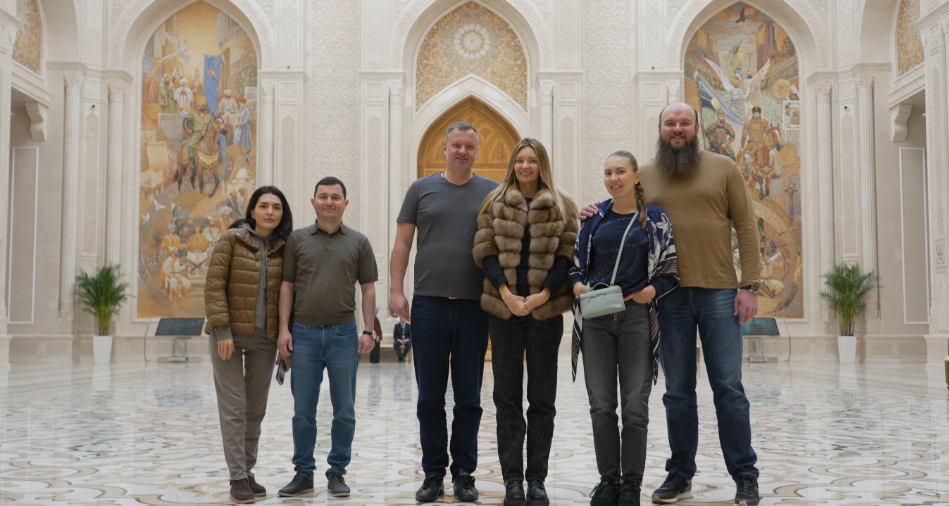
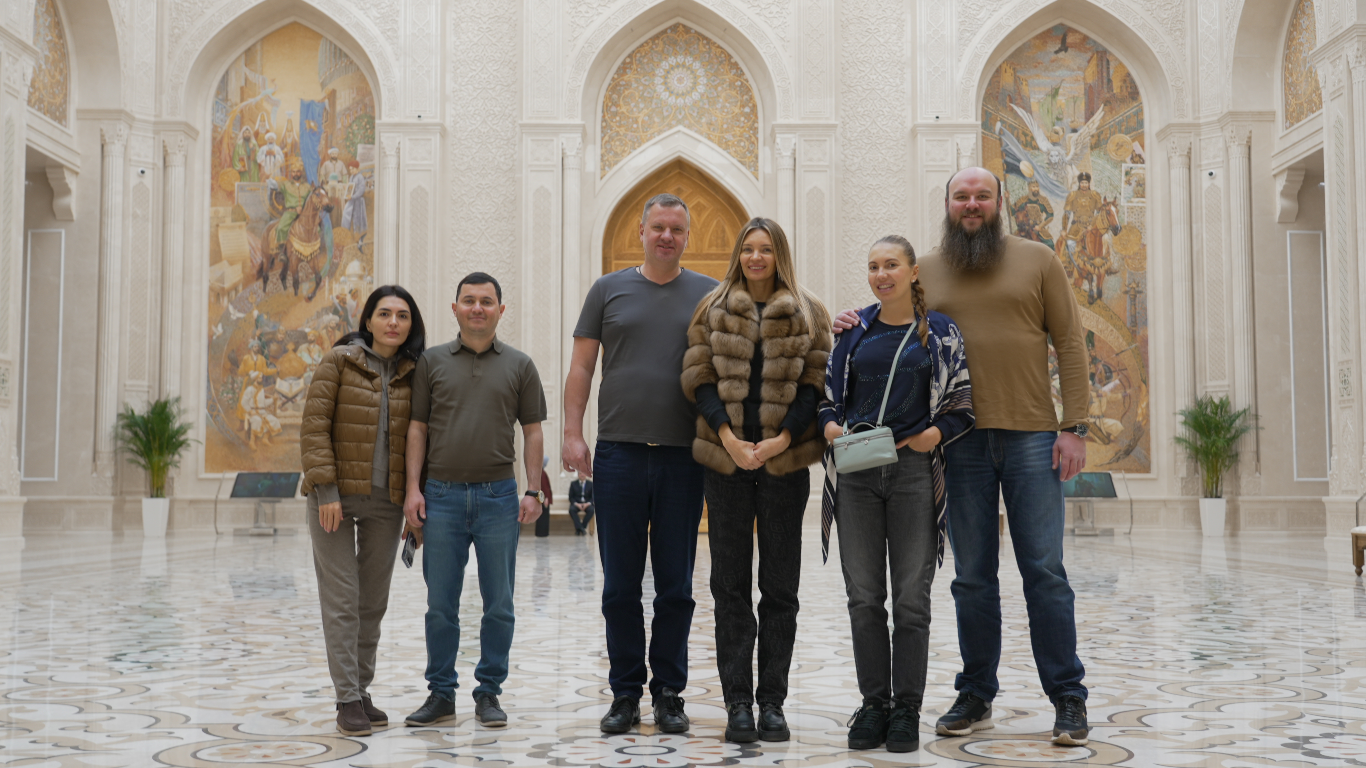
In addition, a delegation of entrepreneurs from the Russian Federation highly appreciated the opportunity to receive answers to their questions through interaction with Humo AI presented in the “New Uzbekistan” section of the Islamic Civilization Center in Uzbekistan.
According to the guests, they had not encountered a museum or center dedicated to Islamic civilization at such a level either in the United Arab Emirates or in Türkiye. In their view, it would be difficult for a complex comparable to this project to emerge in other regions of the world in the near future. The visitors therefore described the Center as a genuine “Museum of the Future.”
Meanwhile, religious scholars from the mosques of Tashkent and Syrdarya regions, as well as from the city of Tashkent, were most deeply impressed by the Holy Qur’an Hall, where the Uthman Mushaf is displayed. The scholars particularly emphasized not only the historical, but also the profound spiritual significance of this rare relic, as well as the way it has been presented to the wider public through a contemporary exhibition concept.
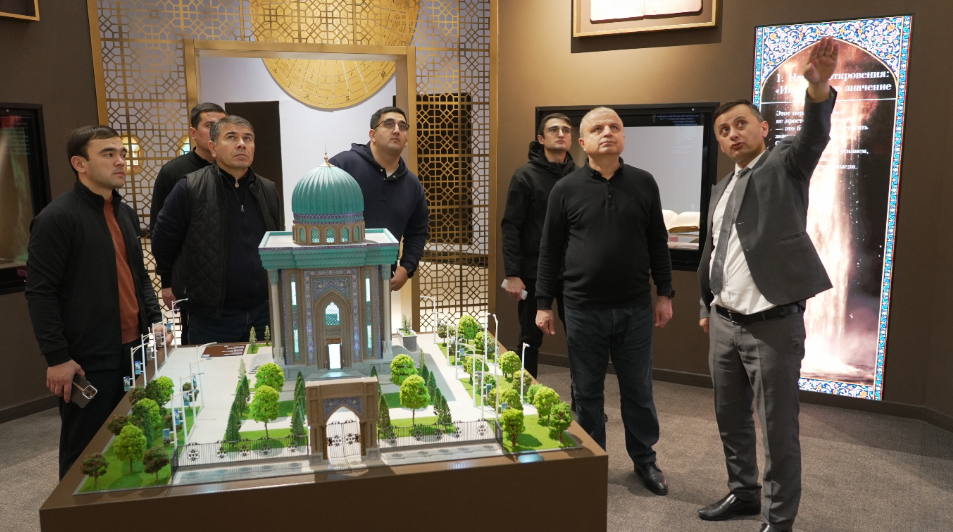
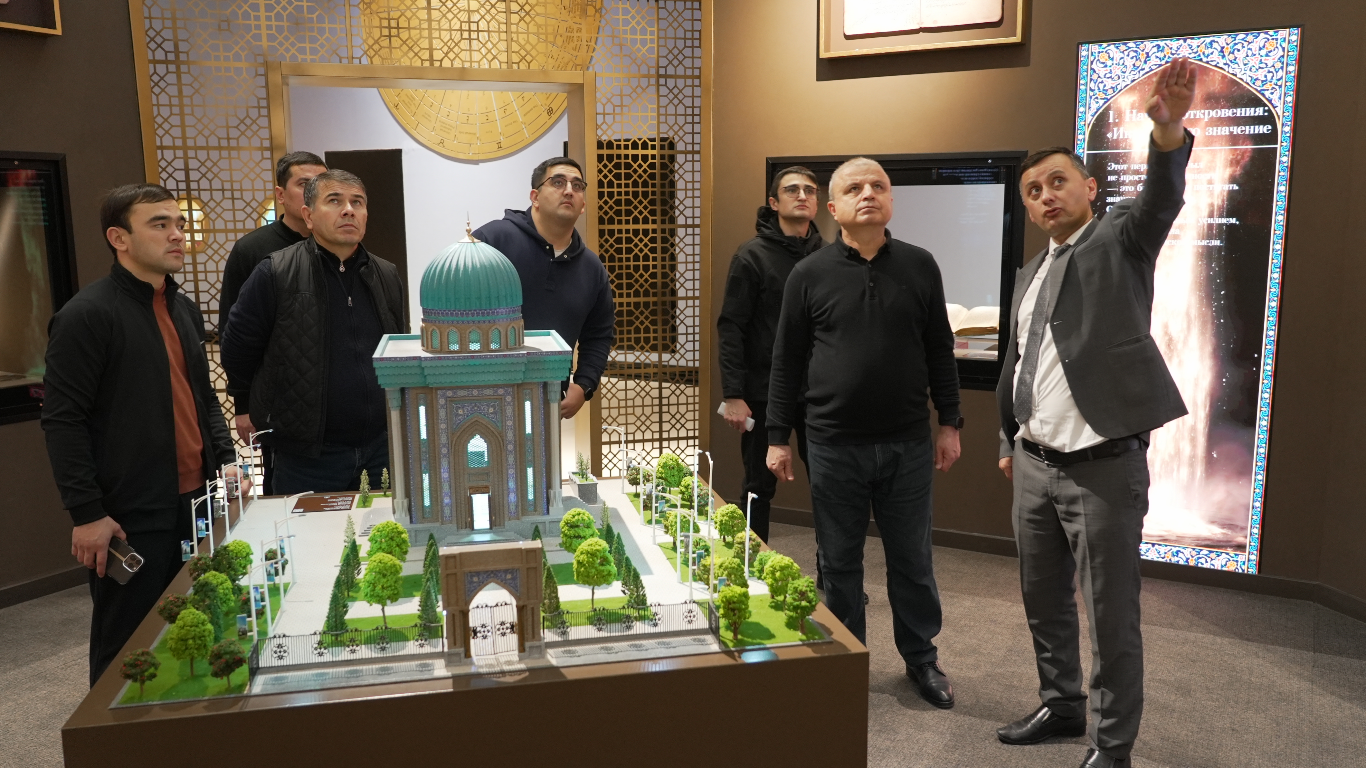
Visits to the Center by delegations from neighboring countries are also continuing. In this context, a delegation led by Bahriddin Rajabov, director of mass performances at the Creative Inspiration Center under the Ministry of Culture of the Republic of Tajikistan, paid a visit to the Islamic Civilization Center in Uzbekistan.
According to Bahriddin Rajabov, to fully comprehend the exhibitions it is essential to pause before each exhibit and engage deeply with its content and meaning.
He also noted that the exhibitions vividly demonstrate the shared history and spiritual closeness of peoples. Regardless of linguistic and cultural differences, the historical narratives presented at the Center clearly reveal the interconnectedness of the peoples of Central Asia, united by inseparable common roots. This, in turn, further strengthens the ideas of friendship, mutual understanding, and solidarity in the region.
According to the unanimous opinion of representatives from various countries who have visited the Center, the exhibition concepts deliberately avoid narrow perceptions of “this is mine” or “that is yours.” Instead, they promote the idea of a shared historical and spiritual heritage that unites all. Every visitor to this space gains the opportunity to experience their own history in harmony with the histories of others and to understand it more profoundly.
The Center does not merely leave visitors with a powerful impression; it encourages deep reflection, awareness of historical memory, and pride in one’s spiritual heritage. Bringing together people of different nationalities within a single space and uniting them around shared values, this venue truly stands as a modern symbol of friendship among peoples and dialogue between civilizations.