
Resources
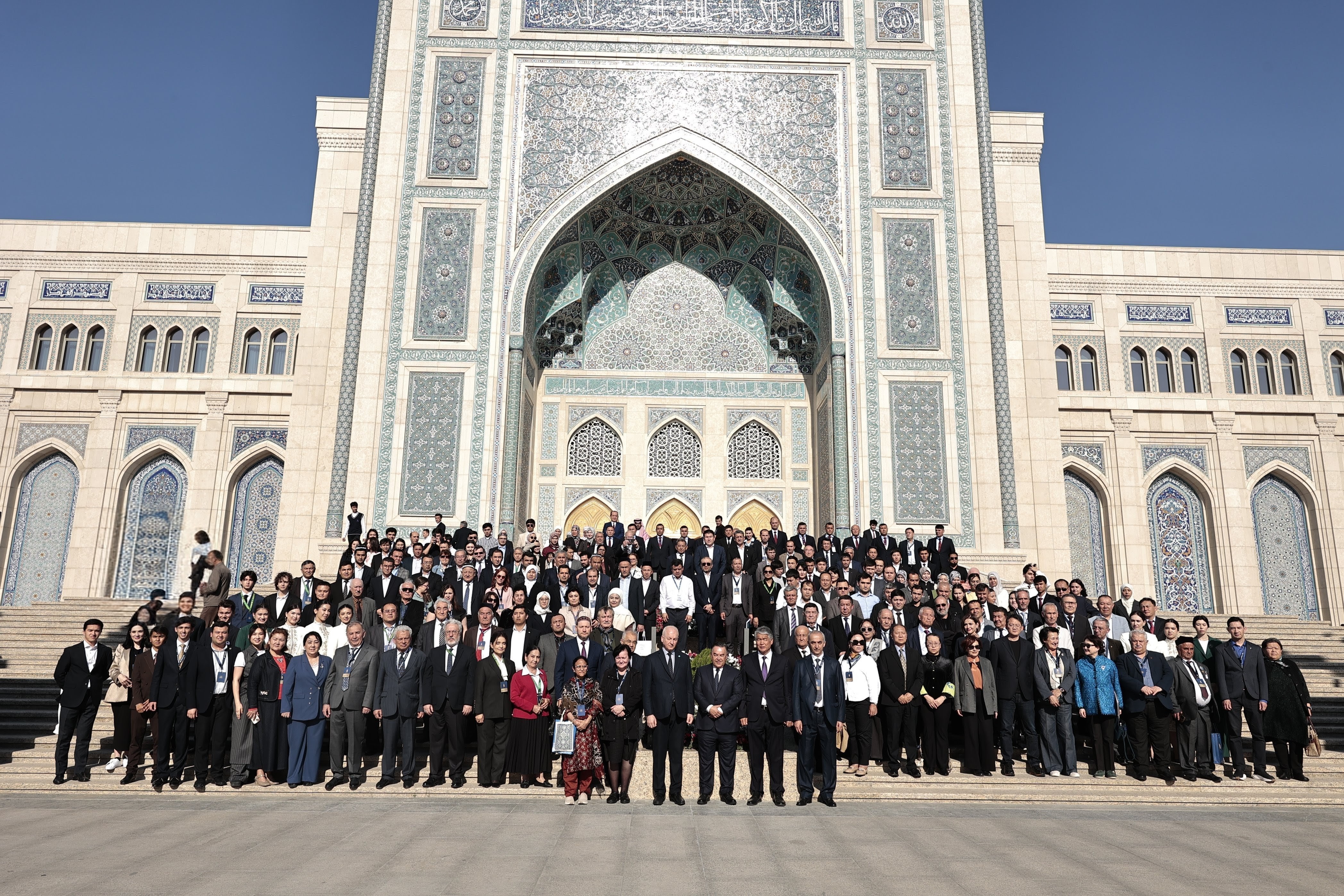
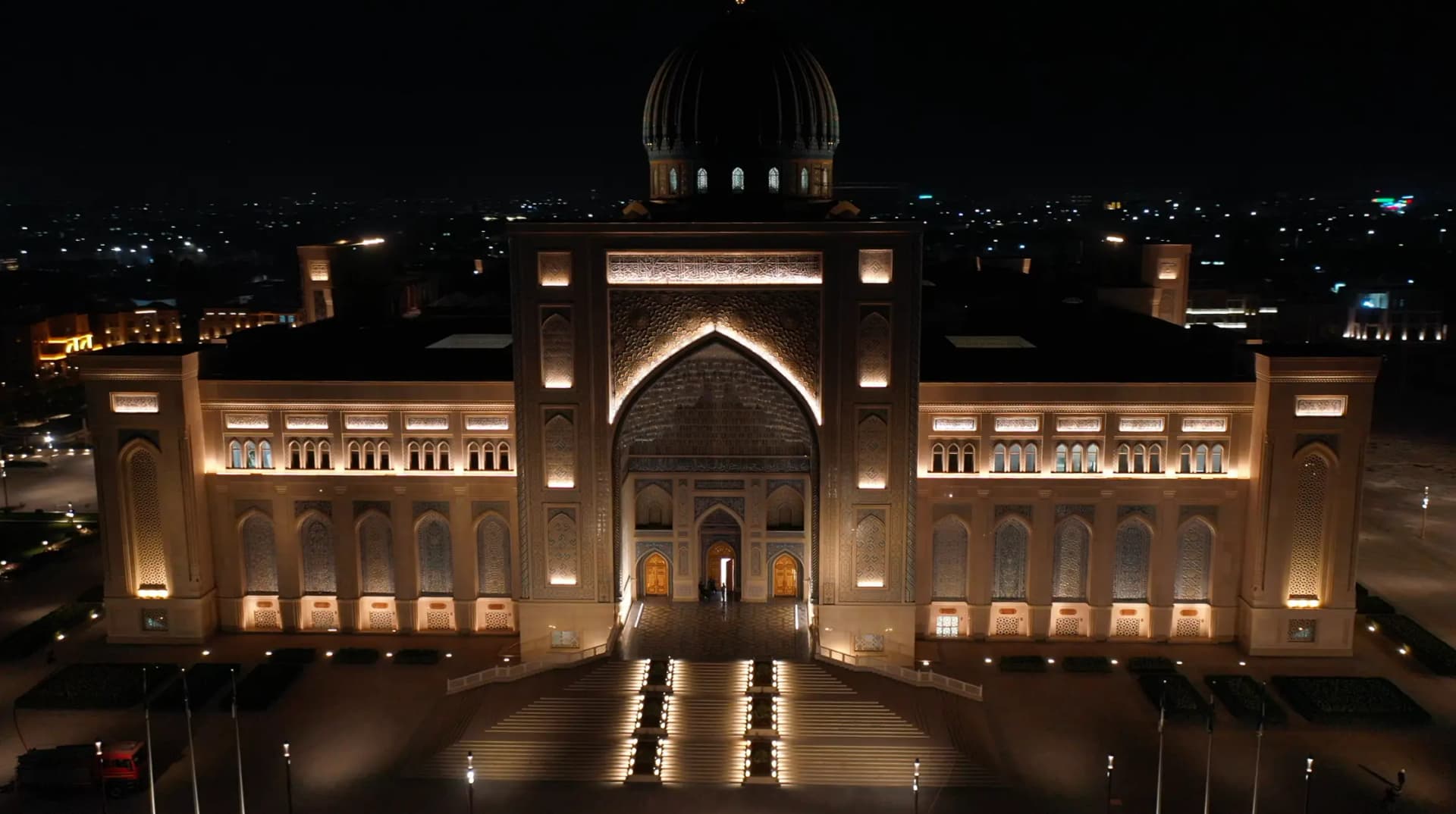
From April 9 to 11, an international scientific conference dedicated to the 690th anniversary of Amir Temur’s birth was held at the Islamic Civilization Center in Uzbekistan. Organized at the initiative of the President of the Republic of Uzbekistan, Shavkat Mirziyoyev, the event became a major international platform for discussing the role of Amir Temur and the civilization of the Eastern Renaissance in world history and culture.
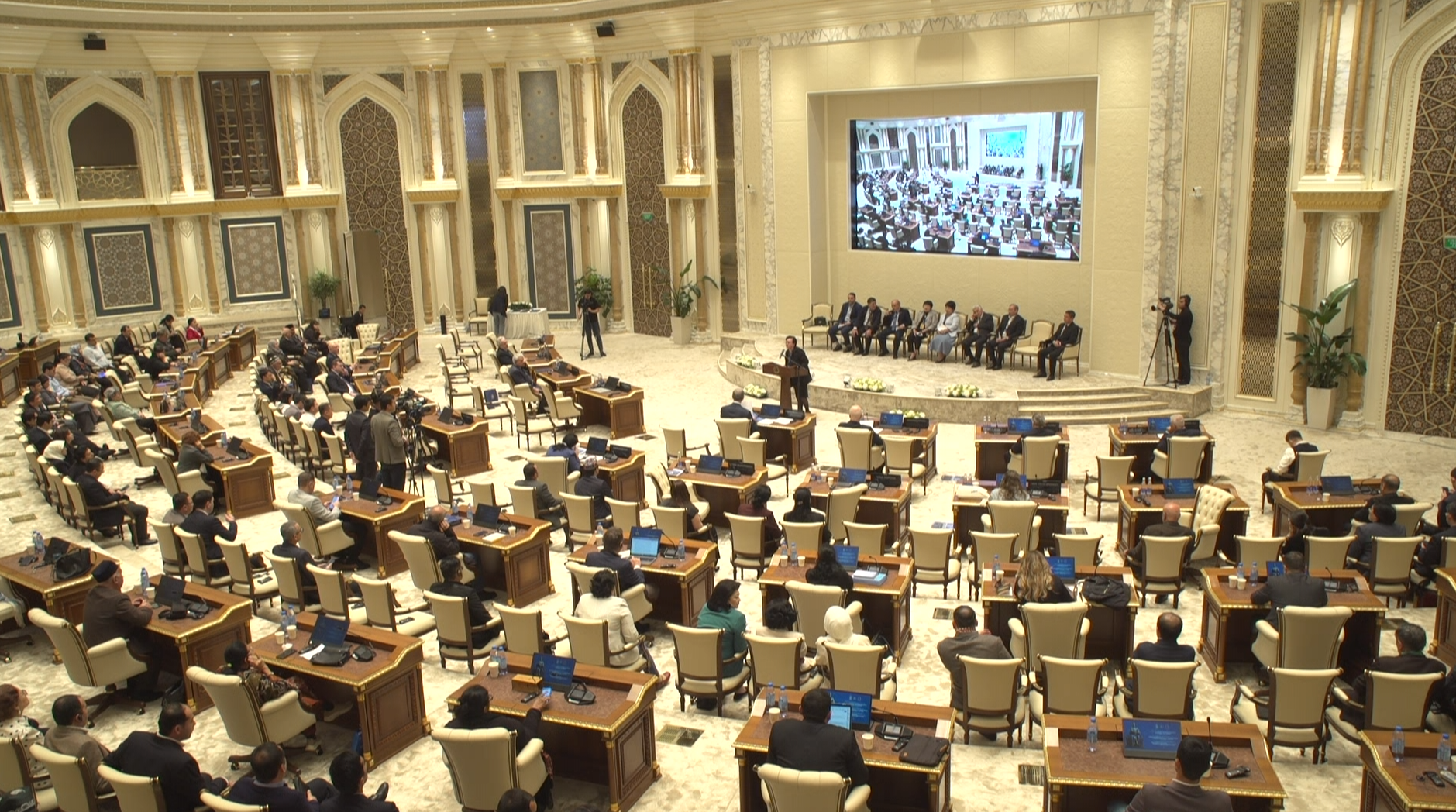
The grand opening ceremony of this prestigious international conference was held at the Islamic Civilization Center in Uzbekistan at a high organizational level. The event brought together government and public figures, leading scholars, representatives of international organizations, members of the diplomatic corps, and media professionals. The conference is significant for its focus on strengthening academic cooperation, conducting an in-depth study of historical heritage, and promoting its global importance to the wider public.
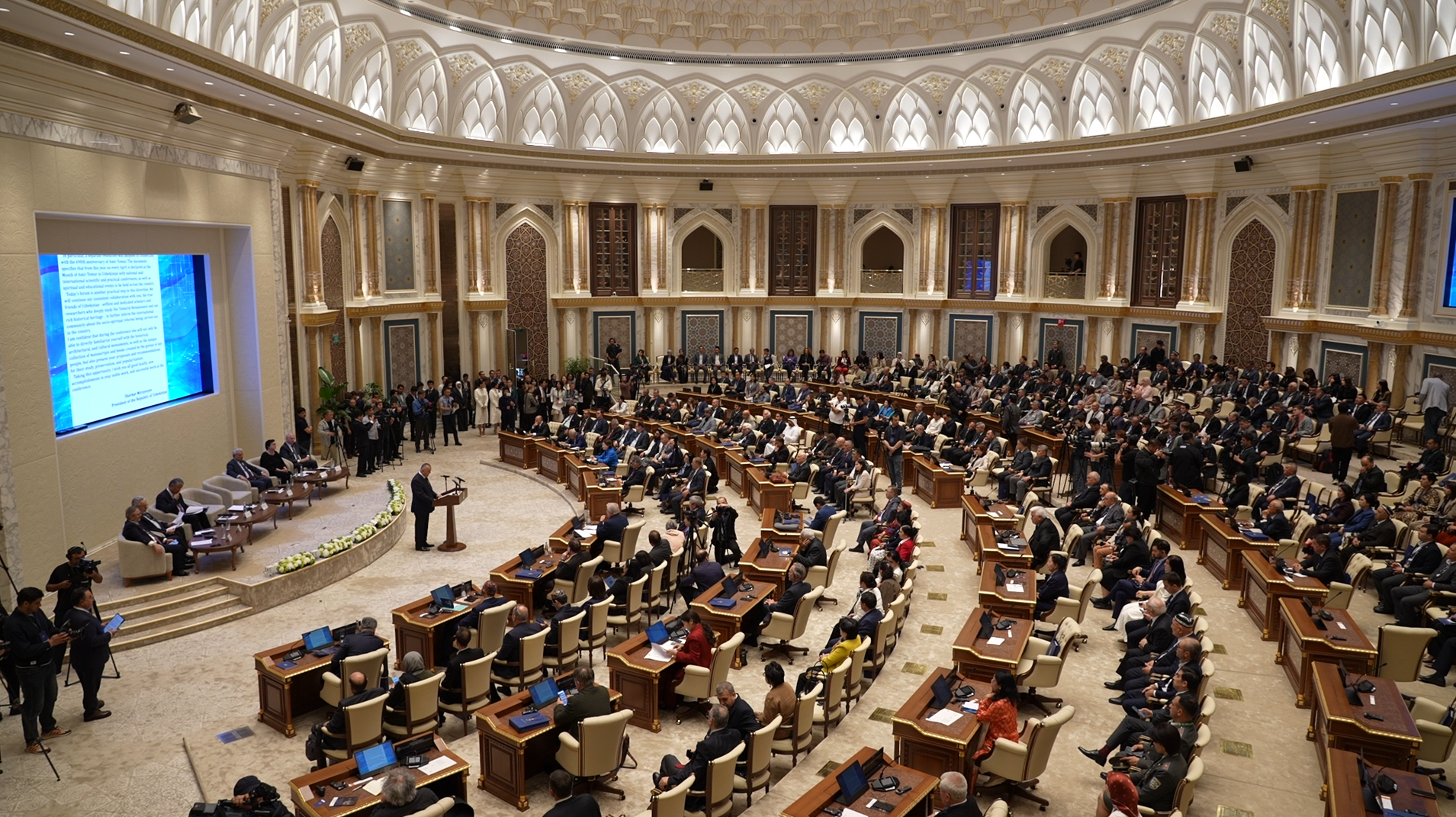
The event began with the reading of a congratulatory message from the President of the Republic of Uzbekistan, Shavkat Mirziyoyev, addressed to the participants of the conference. The message was read by Presidential Advisor and People's Writer of Uzbekistan, Khayriddin Sultanov. The President’s address particularly emphasized the large-scale reforms being carried out in the country, as well as ongoing efforts to restore the nation’s historical and cultural heritage and introduce it to the international community.
“In New Uzbekistan, extensive work is being undertaken to study the role and significance of Amir Temur and the Timurid legacy in the history of universal civilization, to promote this heritage widely both within our country and abroad, and to educate young people in the spirit of love for the Motherland and respect for national and universal values.
In particular, a special resolution was adopted in connection with the 690th anniversary of Amir Temur’s birth. According to this document, the month of April is to be observed each year in our country as the Month of Amir Temur, during which scientific and practical conferences, as well as spiritual and educational events, will be organized at both national and international levels.
Today’s conference is another practical step in this direction. Together with dedicated scholars and researchers such as yourselves, who are true friends of Uzbekistan, we will continue our consistent cooperation in the in-depth study of the Timurid Renaissance and our rich heritage as a whole, and in further introducing the international community to the social and spiritual reforms being carried out in our country,” the message stated.
Speakers at the opening ceremony gave detailed remarks on the life and achievements of Amir Temur, highlighting his unparalleled contribution to the development of statehood traditions, principles of justice, and the establishment of a strong centralized system of governance. As noted, the Timurid era occupies an important place not only in the history of Central Asia but also in the development of world civilization as a whole.
The plenary session organized within the framework of the conference was moderated by Firdavs Abdukhalikov, Director of the Center for Islamic Civilization in Uzbekistan. During the session, a comprehensive presentation was delivered on the activities of the Center, providing detailed information about its research, exhibition, and cultural-educational work, as well as its international partnerships.
“First of all, I sincerely congratulate all of you on today’s historic occasion — the 690th anniversary of the birth of Sahibqiran Amir Temur — and express my deep gratitude for your participation in this prestigious international conference despite your busy schedules. At the very moment when this international gathering is beginning its work, a flower-laying ceremony is taking place at the foot of Amir Temur’s monument in our capital with the participation of President Shavkat Mirziyoyev. Thorough and comprehensive preparations were made this year to mark the 690th anniversary of Sahibqiran. At the initiative of our Head of State, large-scale reconstruction work was carried out at the State Museum of the History of the Timurids. The museum has been presented to our people in a renewed form,” said the Director of the Center.
During the plenary session, participants also shared their views on the scientific legacy of the Timurid era, its significance in contemporary scholarship, and future prospects for research.
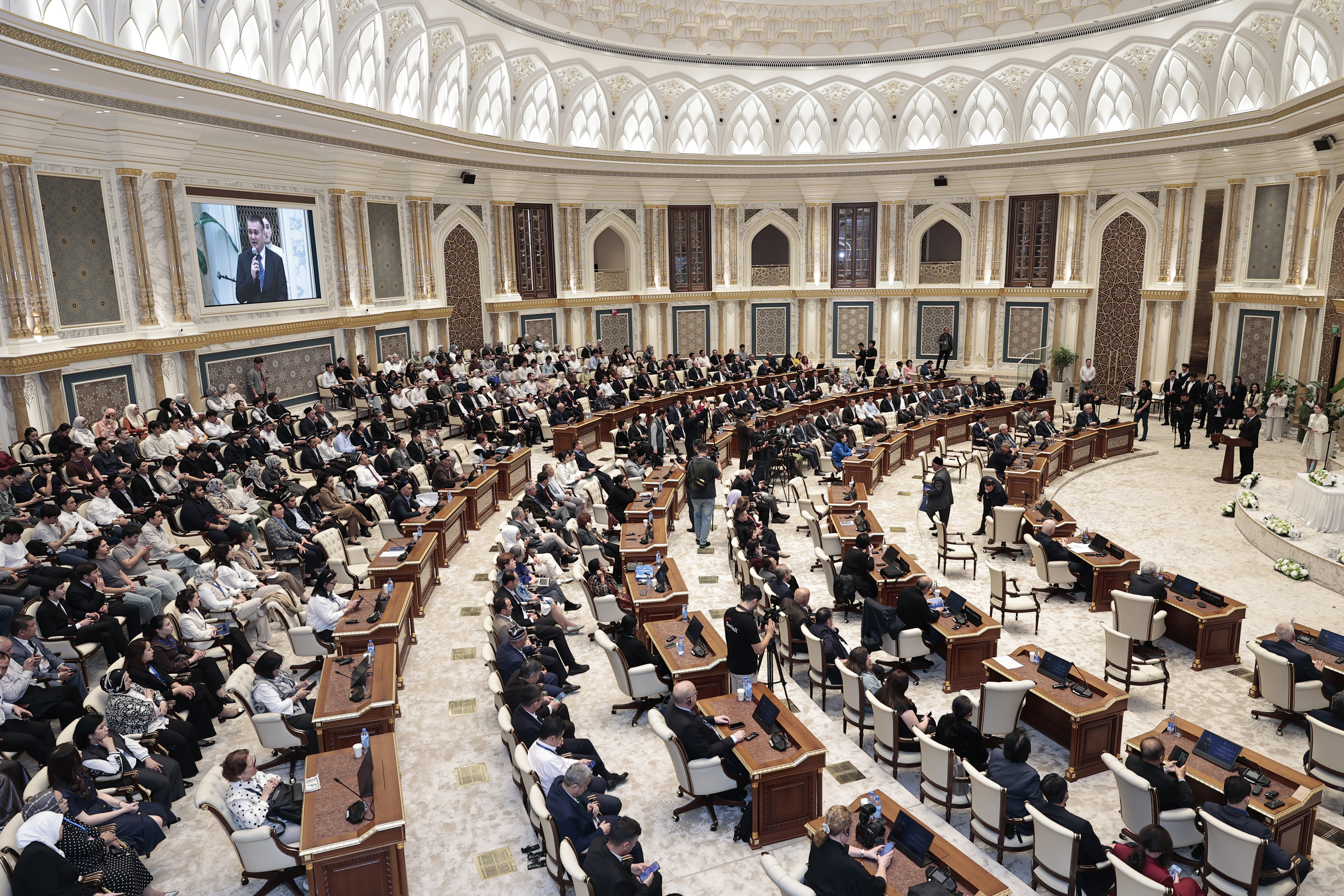
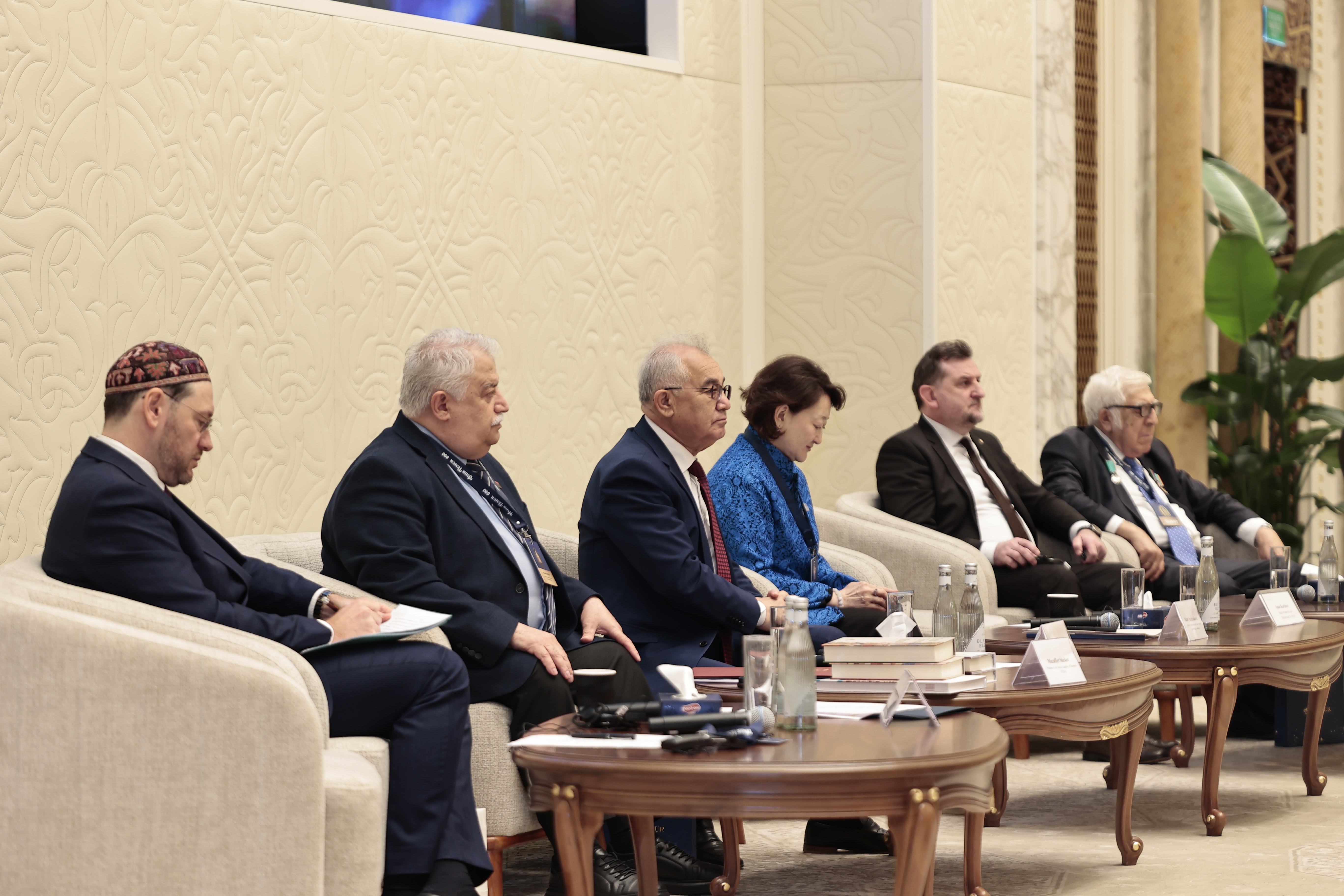
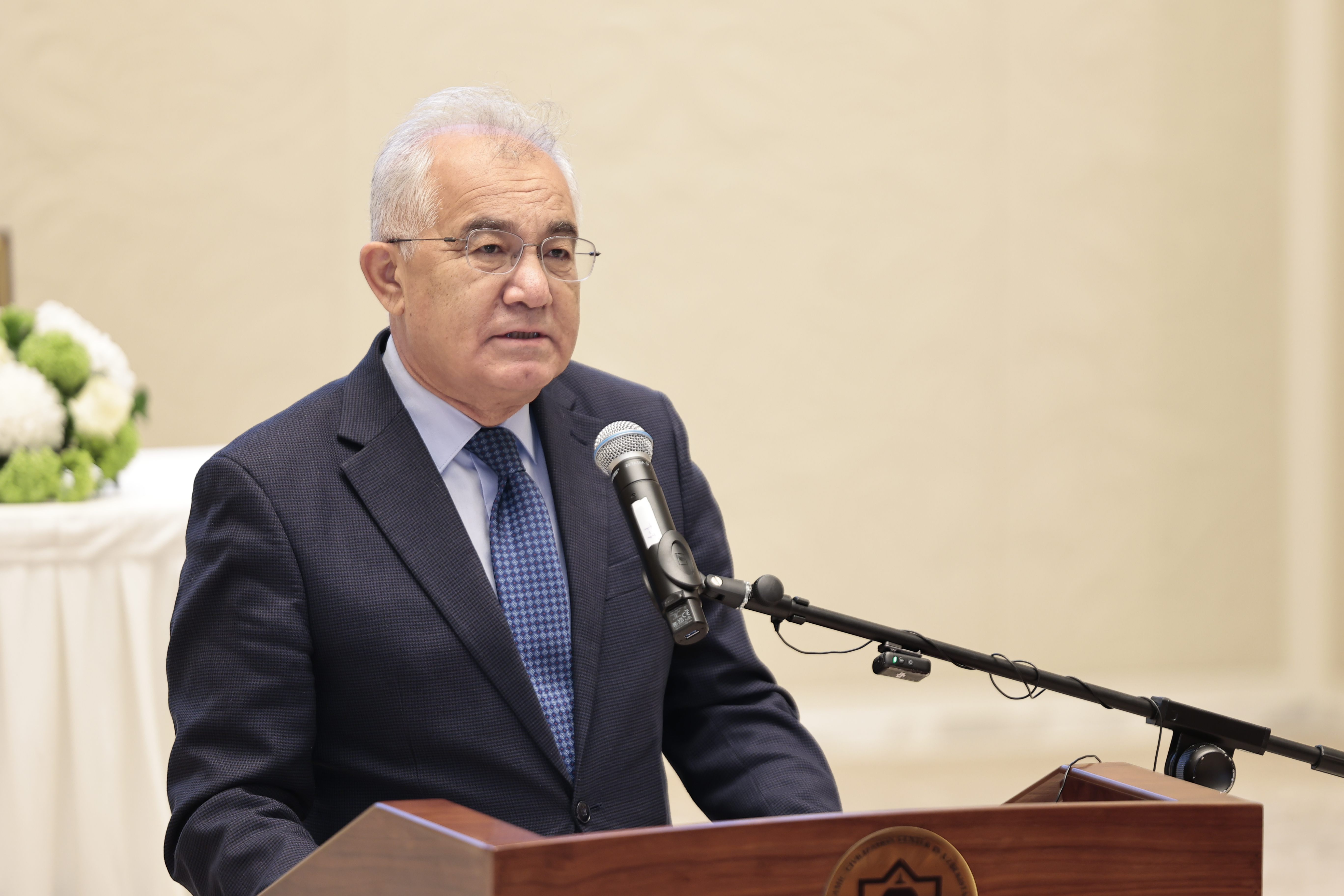
The second plenary session featured distinguished international scholars and experts. Among them were Anar Karimov, Regional Director of ICESCO; Akmal Saidov, Academician of the Academy of Sciences of Uzbekistan; and Mahmud Erol Kılıç, Director General of IRCICA. In their presentations, they discussed the place of the Timurid era in world civilization and emphasized the importance of conducting a comprehensive study of its cultural, spiritual, and scientific heritage.
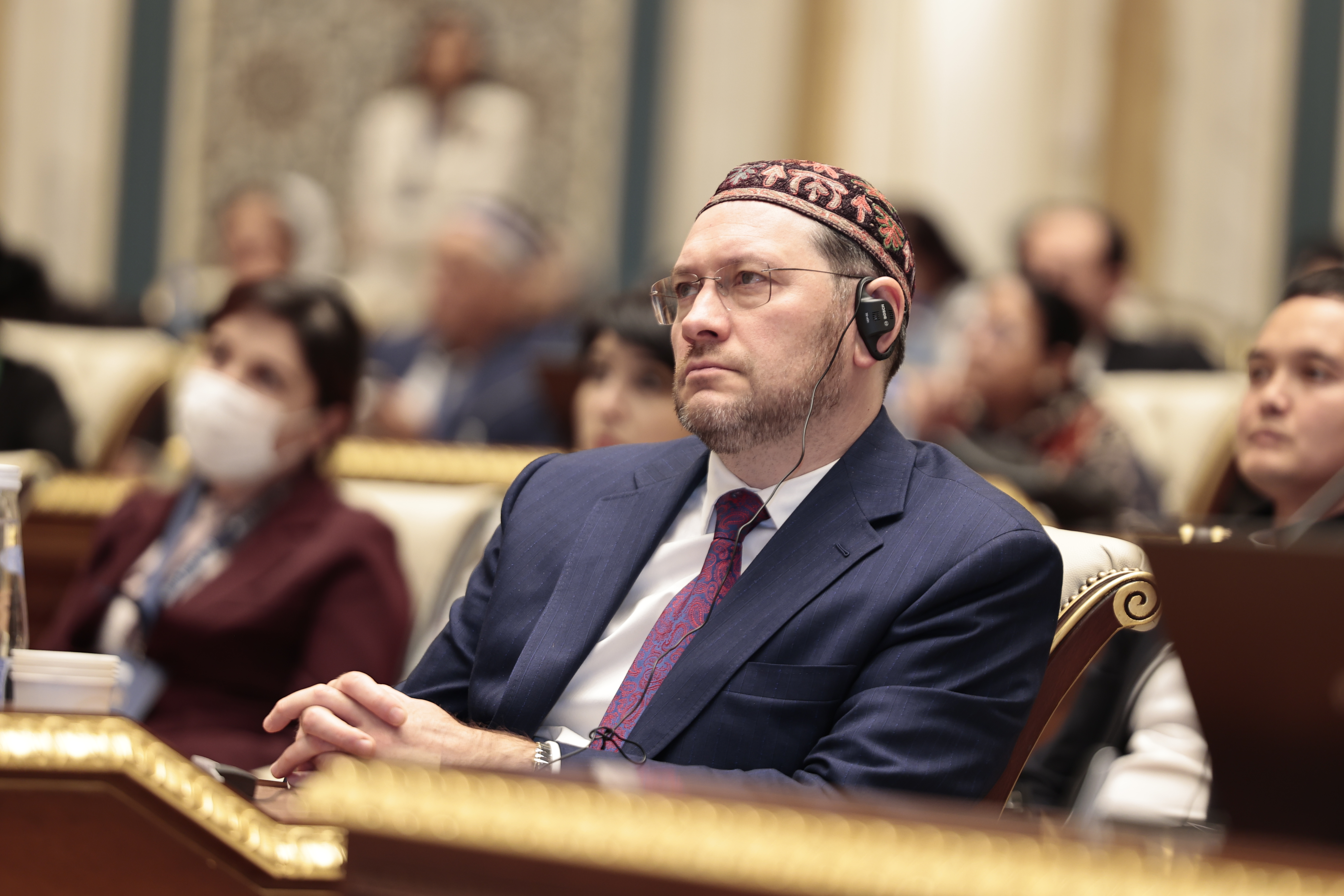
During the session, Damir Mukhetdinov, Deputy Chairman of the Spiritual Administration of Muslims of the Russian Federation, and Irina Popova from the Russian Academy of Sciences also delivered presentations. In their remarks, they highlighted the scholarly significance of unique sources such as the Temur Tuzuklari, and shared their views on the Timurid system of governance and its enduring historical legacy.
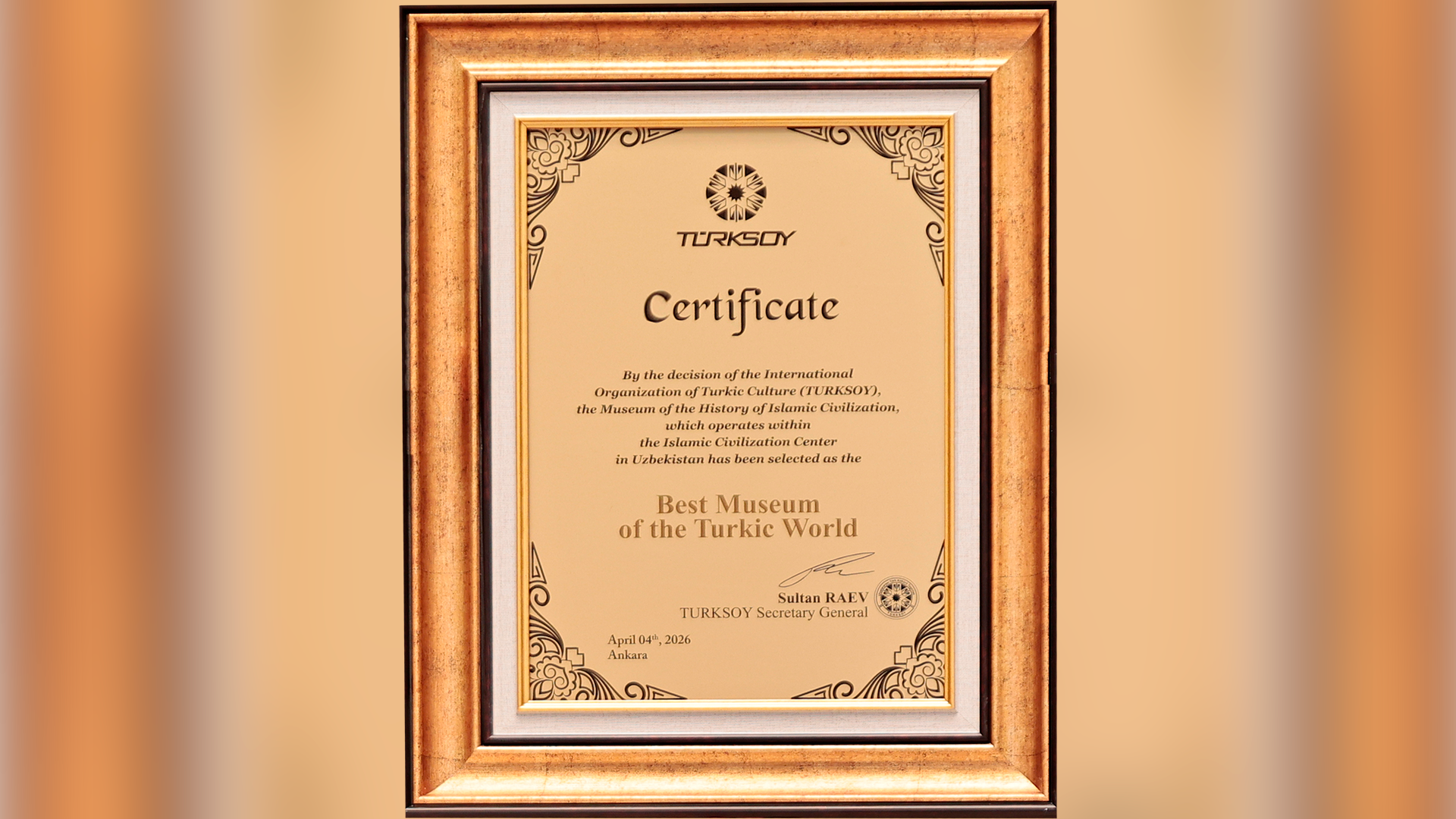
As another significant event within the framework of the conference, the TURKSOY recognized the Museum of the History of Islamic Civilization, which operates as part of the Center, as the “Best Museum of the Turkic World.” This prestigious certificate was solemnly presented by the organization’s Secretary General. This recognition demonstrates that the Center has gained high international acclaim within a remarkably short period of time.
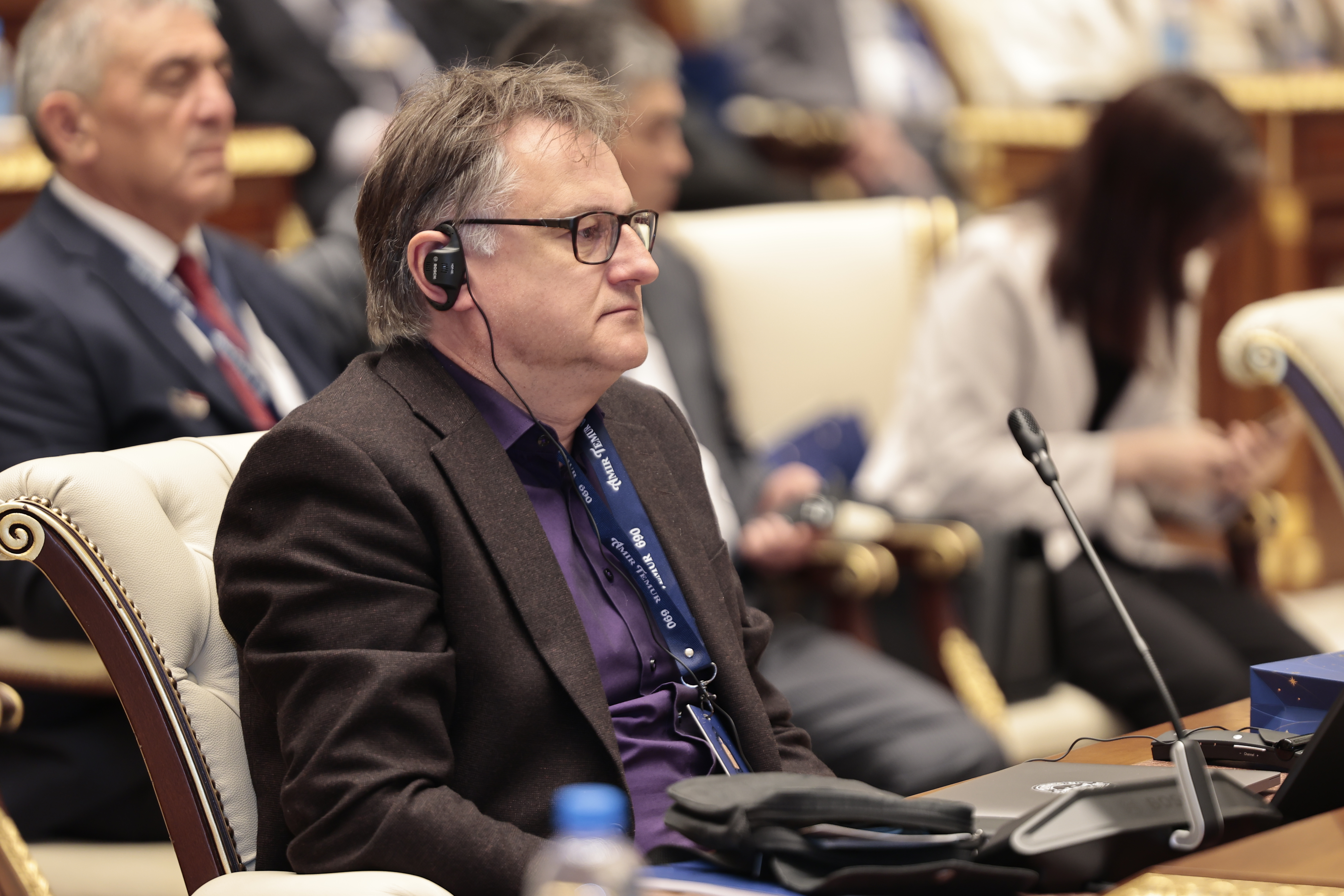
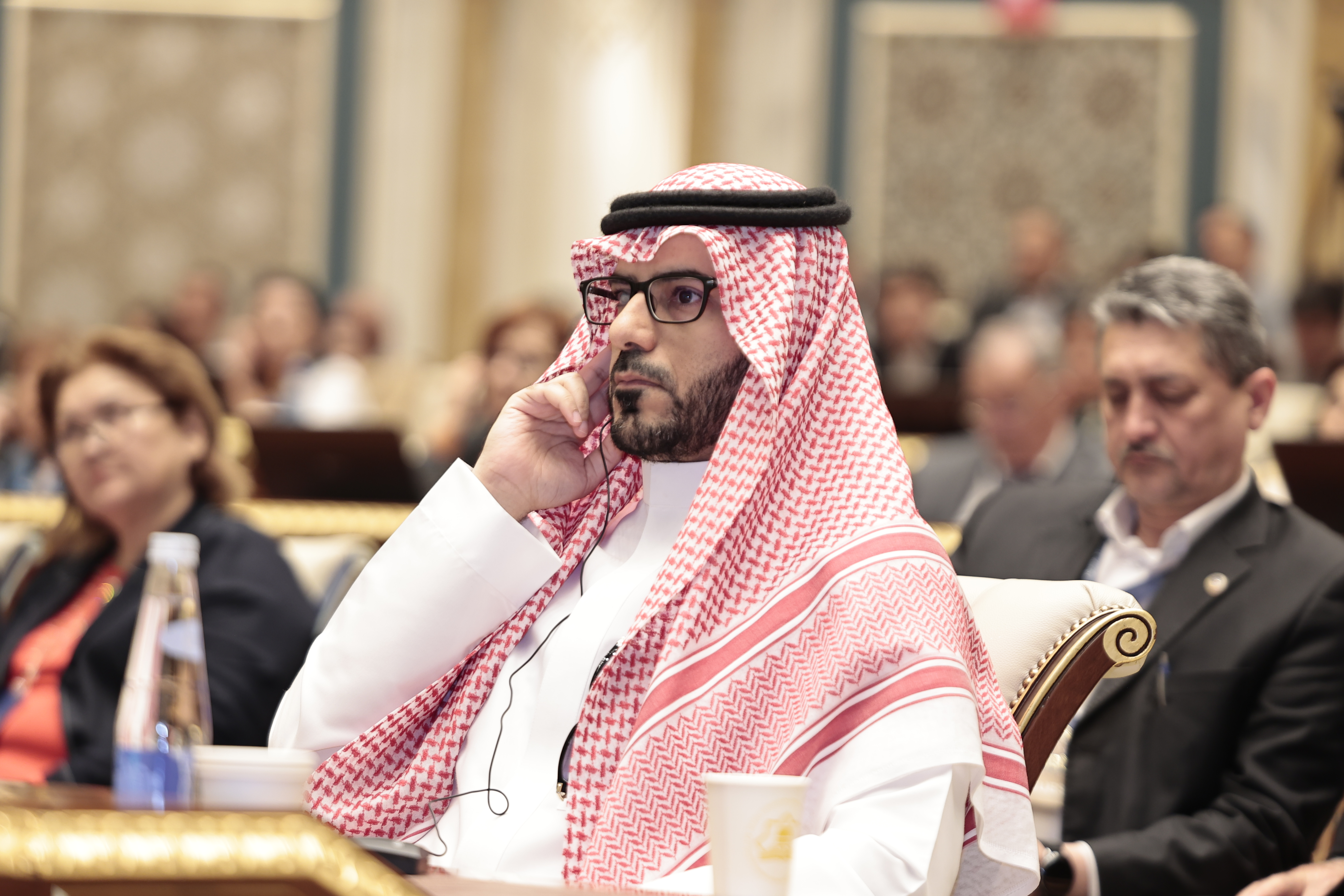
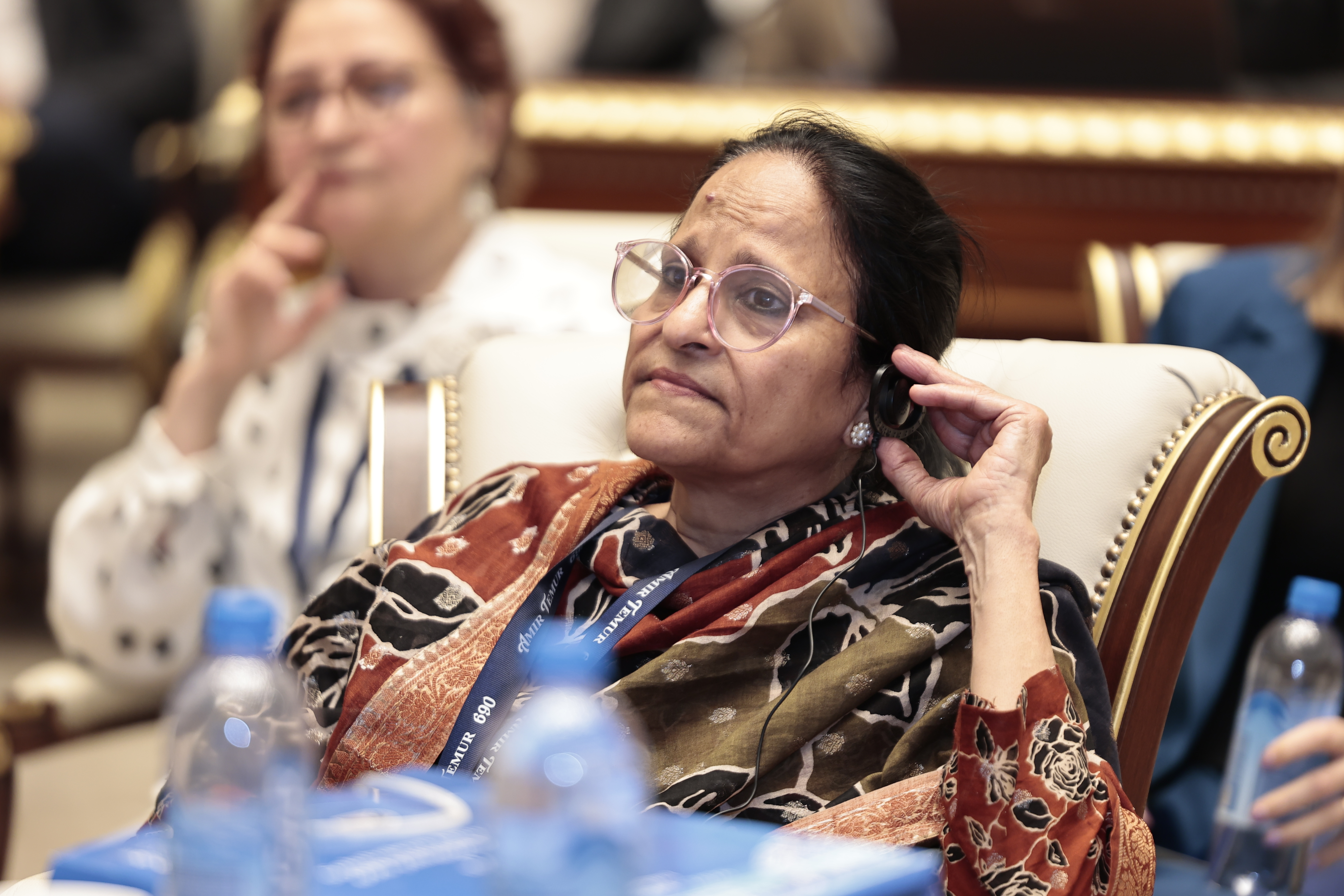
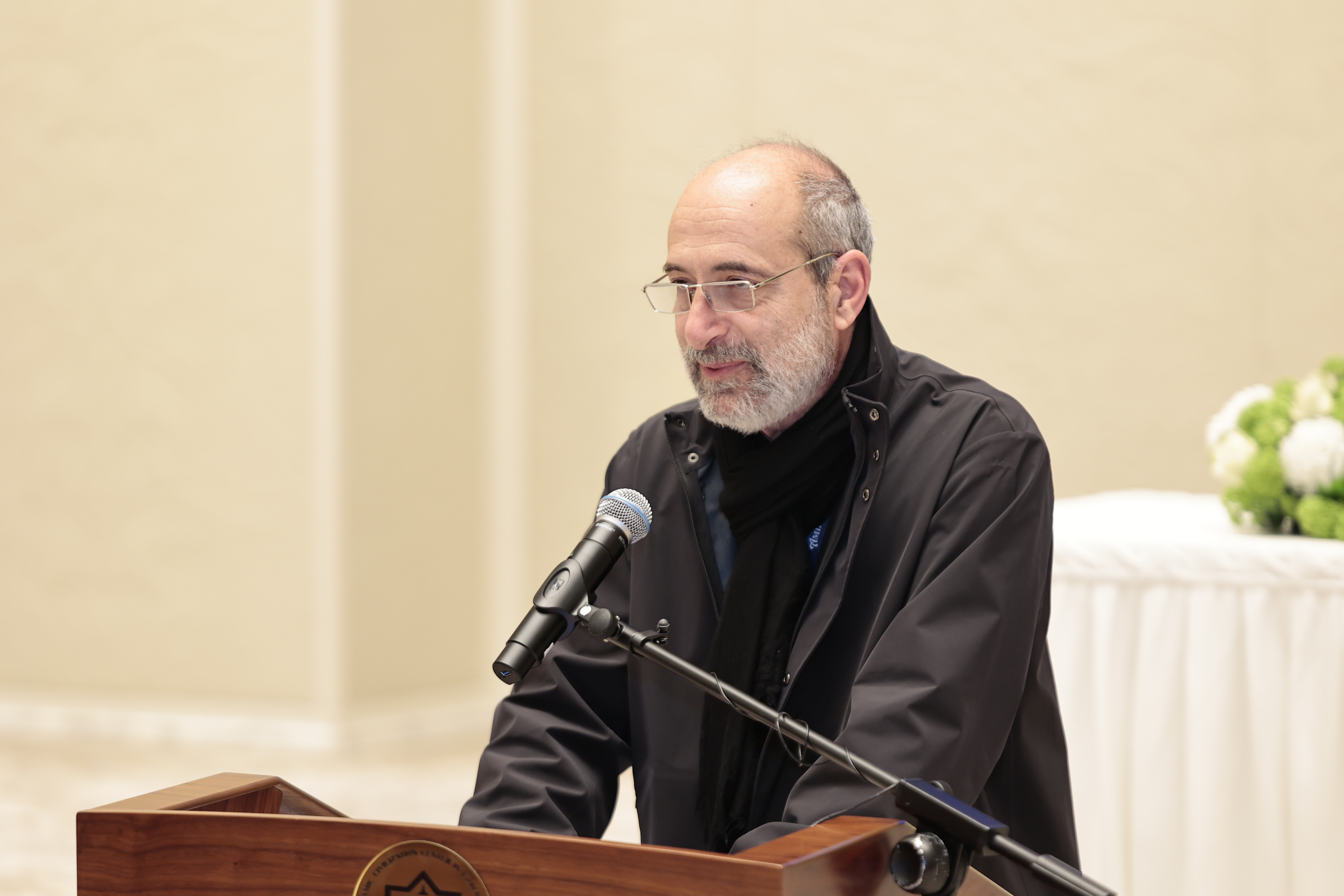
Leading scholars from a number of countries, including Turkey, France, Italy, Germany, United States, United Kingdom, Russia, China, India, Iran, and Kazakhstan, took part in the conference. They presented the findings of their research on such topics as the history of the Timurid era, its political system, traditions of urban planning, and the development of science and culture.
In their speeches, international participants underscored the global significance of the Timurid legacy and its role in strengthening cultural ties between European and Asian civilizations. They also noted that international conferences of this kind play an important role in advancing academic dialogue, facilitating the exchange of experience, and identifying new directions for research.
The conference marked an important step toward a deeper study of the rich scientific and cultural heritage of the Timurid era, a broader understanding of its contribution to the development of world civilization, and the preservation and transmission of this invaluable legacy to future generations.
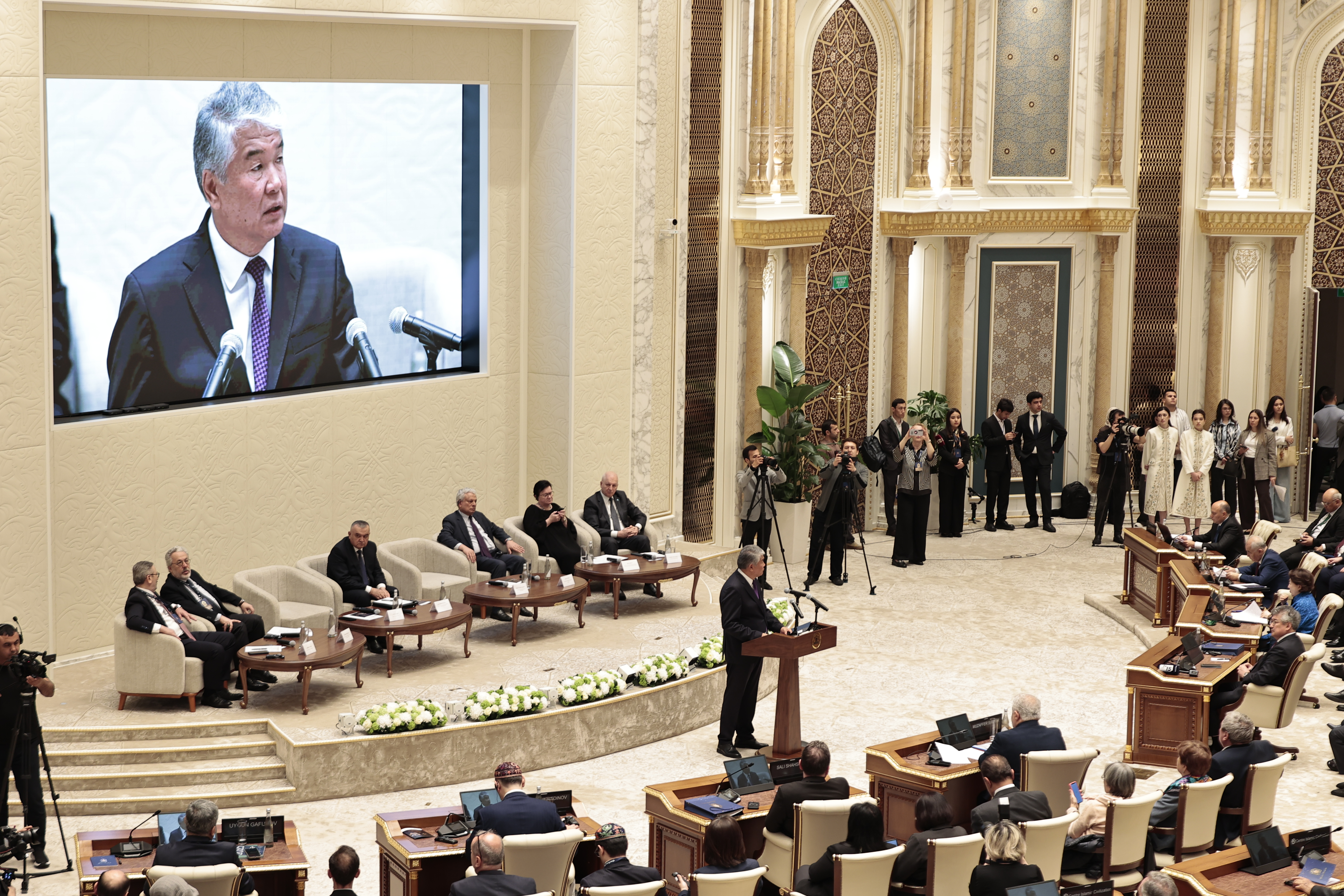
Sultan Raev, Secretary General of TURKSOY:
“It is well known from history that the land of Uzbekistan, situated at the crossroads of the Great Silk Road, has since ancient times been one of the cradles of great civilization and culture. The fact that two great Renaissances originated on this land is a clear testament to how sacred these lands are and how wise the Uzbek people have been throughout history. To understand Sahibqiran Amir Temur, the great son of the Turkic peoples, is in fact to rediscover the roots that unite us around a shared history and culture. This conference serves precisely this noble purpose.
TURKSOY is fully prepared to contribute to projects aimed at introducing works related to the Timurid era to the world through scholarly publications, supporting the publication of books, and digitizing this invaluable heritage. I would also like to emphasize that under the leadership of its wise leader and one of the outstanding statesmen of our time, Shavkat Mirziyoyev, the people of Uzbekistan are not merely taking pride in their history, but are striving to be worthy of their great ancestors. The country has set itself the ambitious goal of laying the foundation for the Third Renaissance and is moving confidently toward the future through concrete and practical steps.”
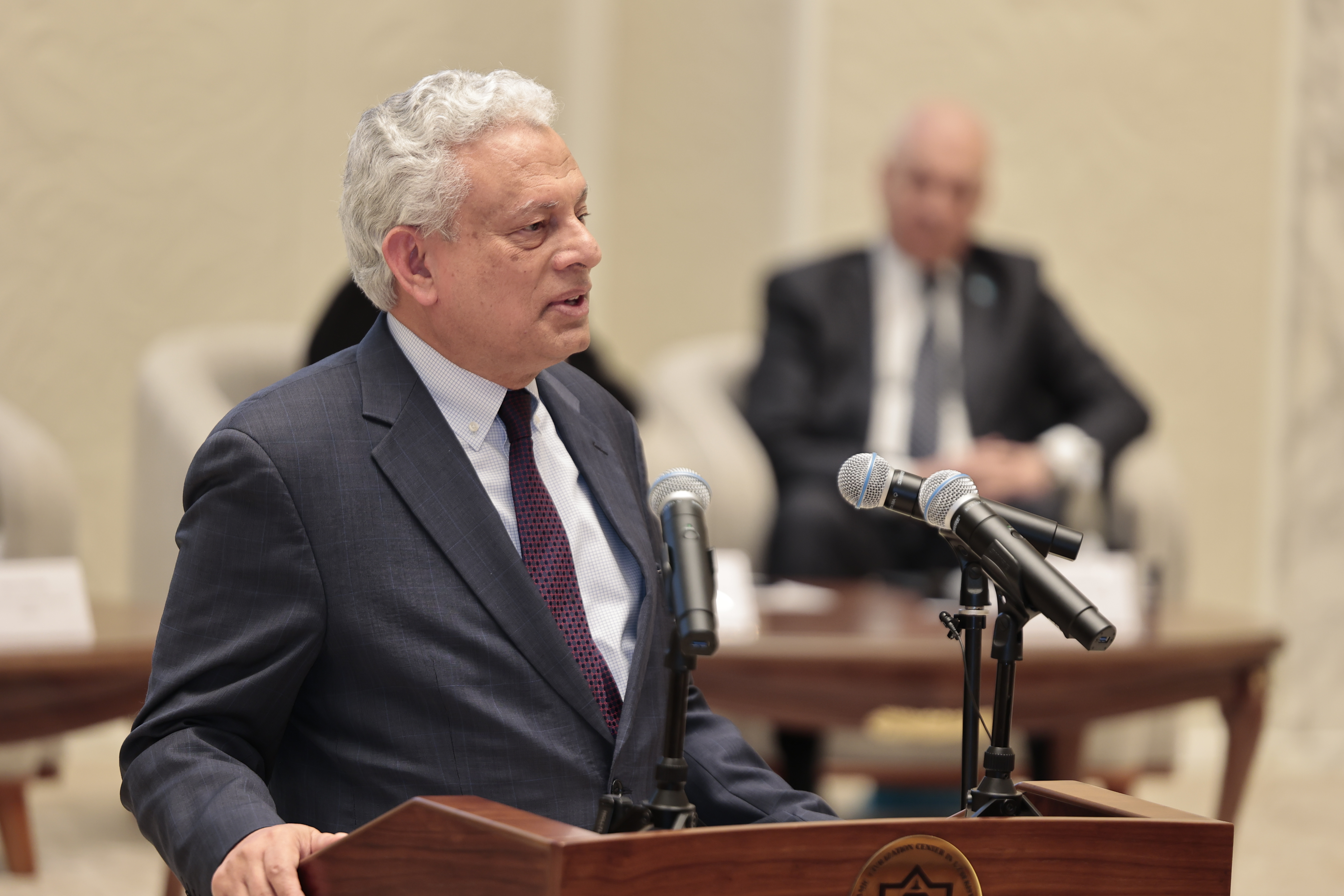
Farhan Nizami, Director of the Oxford Centre for Islamic Studies:
“In my view, this initiative is of tremendous importance because it once again reminds the broader public of Central Asia’s immense contribution not only to regional culture and civilization, but also to the history of the world. Here, people gain a deeper understanding of the remarkable achievements of our ancestors in science, literature, architecture, and many other fields. Most importantly, this initiative serves as a source of inspiration and motivation for today’s generation, helping them develop a stronger sense of identity and define their historical awareness and future aspirations with greater clarity.”
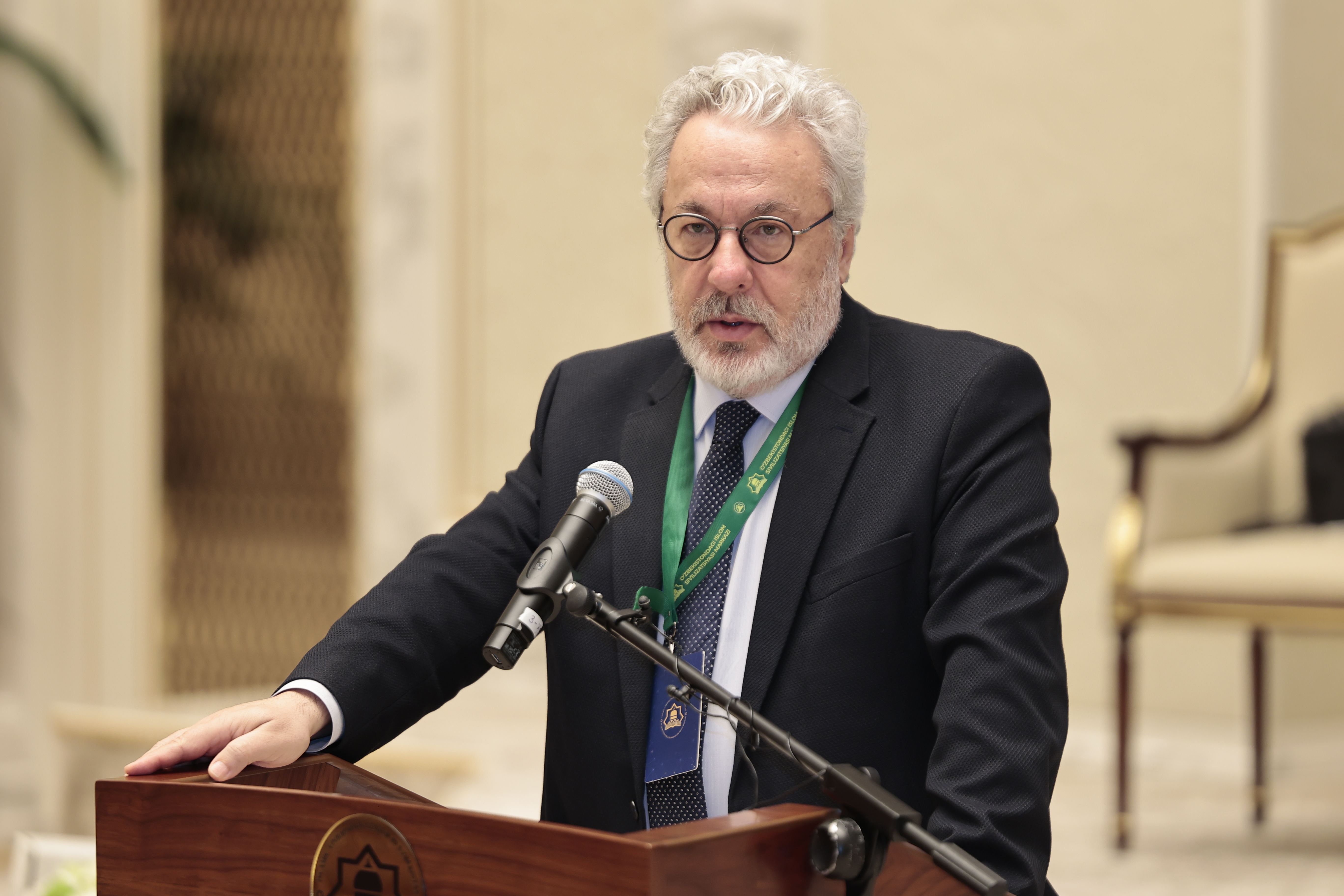
Mahmud Erol Kılıç, Director General of the IRCICA:
“Although 57 countries are members of our organization, Uzbekistan holds a special place among them. This is because Uzbekistan is the homeland of some of the greatest scholars of the Islamic world, a land of unparalleled discoveries, magnificent cultural monuments, a rich history, and great civilizations. Today’s conference is yet another indication of the tremendous attention that the people and leadership of Uzbekistan are giving to the study of the legacy of their great ancestors, as well as to history and culture.
We have been implementing a number of joint projects with the Islamic Civilization Center in Uzbekistan. In particular, our work on the Encyclopedia of Thinkers Originating from the Land of Uzbekistan is continuing successfully. During this conference, we also discussed several new initiatives with the Center, including the organization of calligraphy competitions and projects devoted to exploring the place of the Timurid heritage in the Islamic world.”
Gu Guoqing, Head of the International Relations Department of the Cinematography Committee of the People's Republic of China:
“The peoples of China and Uzbekistan are bound by centuries-old cultural ties. In particular, diplomatic relations were further strengthened during the Timurid era. Historical sources record the visits of the envoys of Mirzo Ulugbek and Shahrukh Mirza to the court of the Chinese Emperor, as well as the establishment of mutually beneficial relations between the two sides.
Many of Uzbekistan’s historic cities are located at key crossroads of the Great Silk Road, which has played a significant role in the history of relations between our two peoples. During today’s conference, I delivered a presentation on these longstanding historical ties. A bilateral memorandum of cooperation was also signed. Under this agreement, a number of film projects are planned to be implemented jointly with the Center for Islamic Civilization in Uzbekistan. We hope that this cooperation will produce meaningful and fruitful results in the future.”
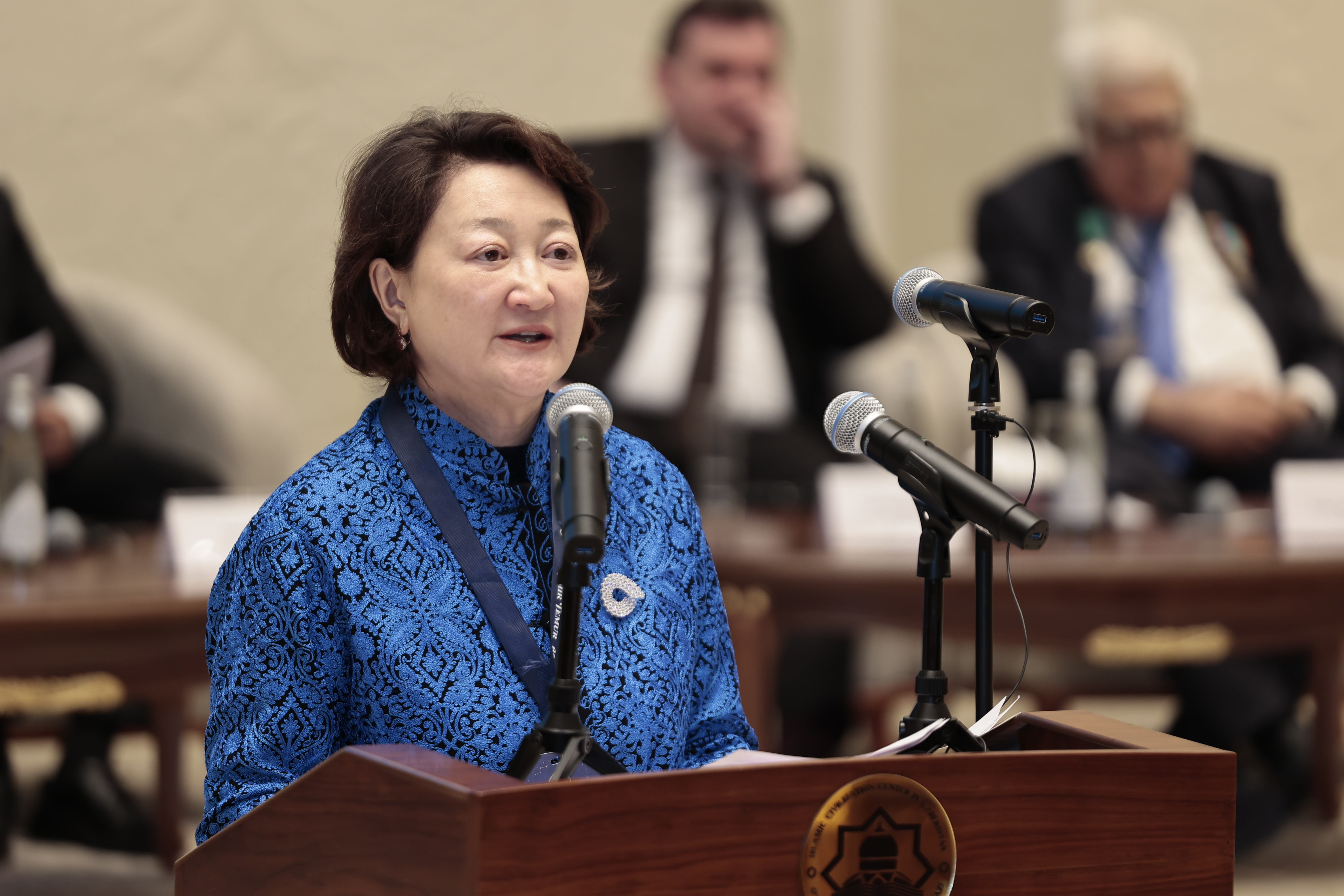
Aktoty Raimkulova, President of the International Turkic Culture and Heritage Foundation:
“We are witnessing the opening of a prestigious international scientific and practical conference dedicated to the immense contribution of Amir Temur and the Timurid civilization to the development of world civilization.
Distinguished scholars and researchers from different parts of the world are participating in this conference. In addition, the Islamic Civilization Center in Uzbekistan, established at the initiative of Shavkat Mirziyoyev, has today become one of the world’s most prestigious and spiritually enriching academic institutions. During our tour of the Center, we visited the hall dedicated to Amir Temur. In particular, the Hall of the Second Renaissance, devoted to the Timurid civilization, left a profound impression on us with its rich content and outstanding artistic design.
The legacy of Amir Temur and the Timurid civilization occupies an important place in the development of our peoples and in our present path toward independence and prosperity. I wish all conference participants, scholars, and researchers great success in their important work.”