Presidential initiative: What results are emerging from international assignments across 55 countries?
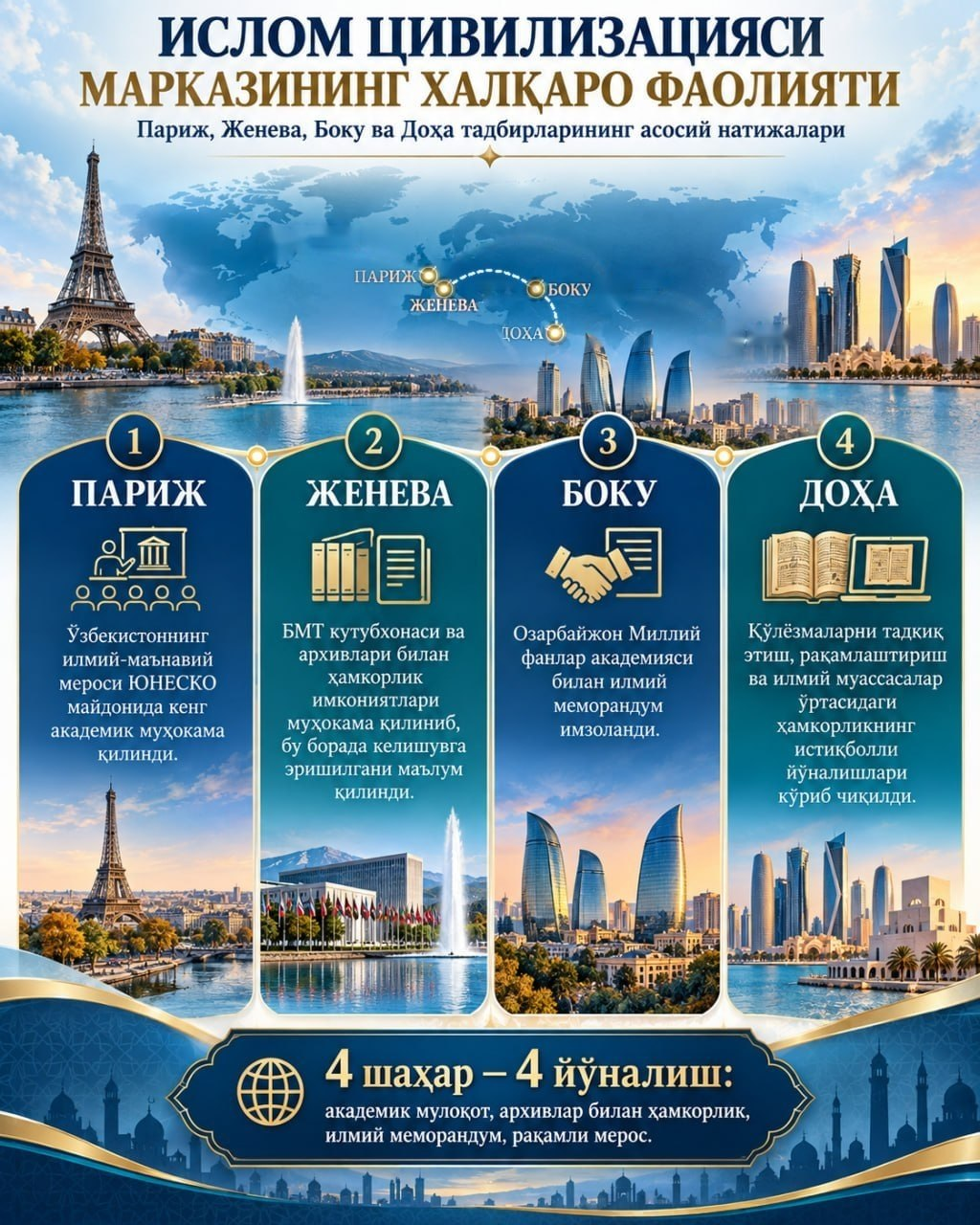
An international scholarly dialogue at UNESCO Headquarters in Paris, emerging partnerships with the UN Library in Geneva, a scholarly memorandum signed in Baku, and discussions in Doha on researching and digitizing manuscripts: the international activity of the Islamic Civilization Center in Uzbekistan is expanding with new practical directions. On the initiative of President Shavkat Mirziyoyev, the Center has been tasked with conducting presentations across 55 countries. These events in October 2026 marked an important stage in bringing Uzbekistan’s centuries-old scholarly and spiritual heritage to the global academic community. Rather than focusing solely on the scale of these presentations, the primary emphasis remains on the new sources studied from foreign archives, the joint research carried out, and the concrete scholarly results of international cooperation.
Studying Uzbekistan’s rich scholarly and spiritual heritage internationally and promoting it widely has become one of the priority areas of the educational and enlightenment initiatives put forward by President Shavkat Mirziyoyev.
In 2017, at the 72nd session of the UN General Assembly, the Head of State underscored the necessity of highlighting the humanistic essence of Islam and advancing the values of knowledge, enlightenment, and mutual tolerance. The idea of establishing the Islamic Civilization Center in Uzbekistan is directly connected with these aims.
On September 23, 2025, at the 80th session of the UN General Assembly, the President put forward an initiative to widely promote the Islamic Civilization Center and the scholarly and spiritual legacy of Imam Bukhari, Imam Termizi, and Imam Maturidi internationally, and to present it specially at the United Nations.
This strategic vision was further detailed in the Center’s comprehensive development roadmap, presented to the Head of State on June 10, 2026.
The tasks set include organizing presentations of the Center in 55 countries of the world, and holding special international events at UNESCO Headquarters in Paris and at UN offices in Geneva and New York.
Joint scholarly and educational initiatives are also planned in partnership with international organizations such as the Oxford Centre for Islamic Studies, ICESCO, IRCICA, and TURKSOY.
Beyond presentations abroad, the priorities also include identifying unique artifacts related to Uzbekistan held in foreign museums, auctions, and private collections, subjecting them to scholarly expert examination, improving mechanisms for the return of cultural heritage, and developing digital databases.
In this approach, international presentations serve as vital platforms for uncovering new primary sources, engaging foreign specialists, and cultivating lasting research collaborations.
Throughout 2026, the Center’s mission was introduced to international audiences across several European and Asian countries. The events held in France, Switzerland, Azerbaijan, and Qatar in October showed the different dimensions of this international activity.
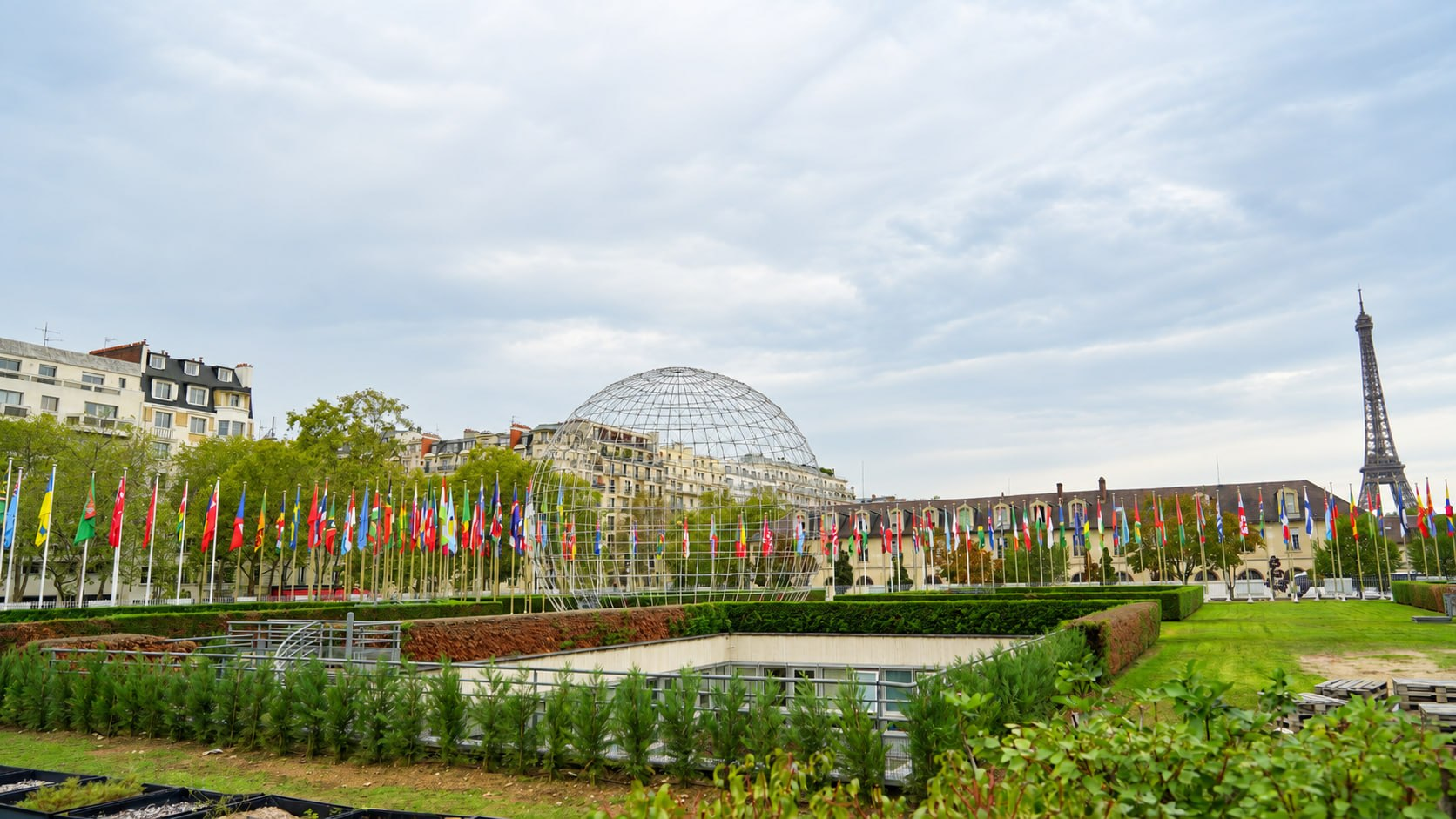
Paris: Uzbekistan’s scholarly heritage on the UNESCO stage
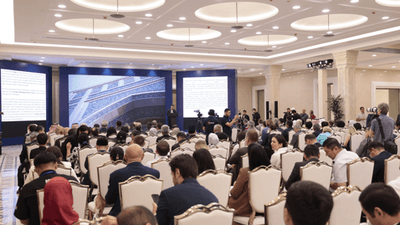
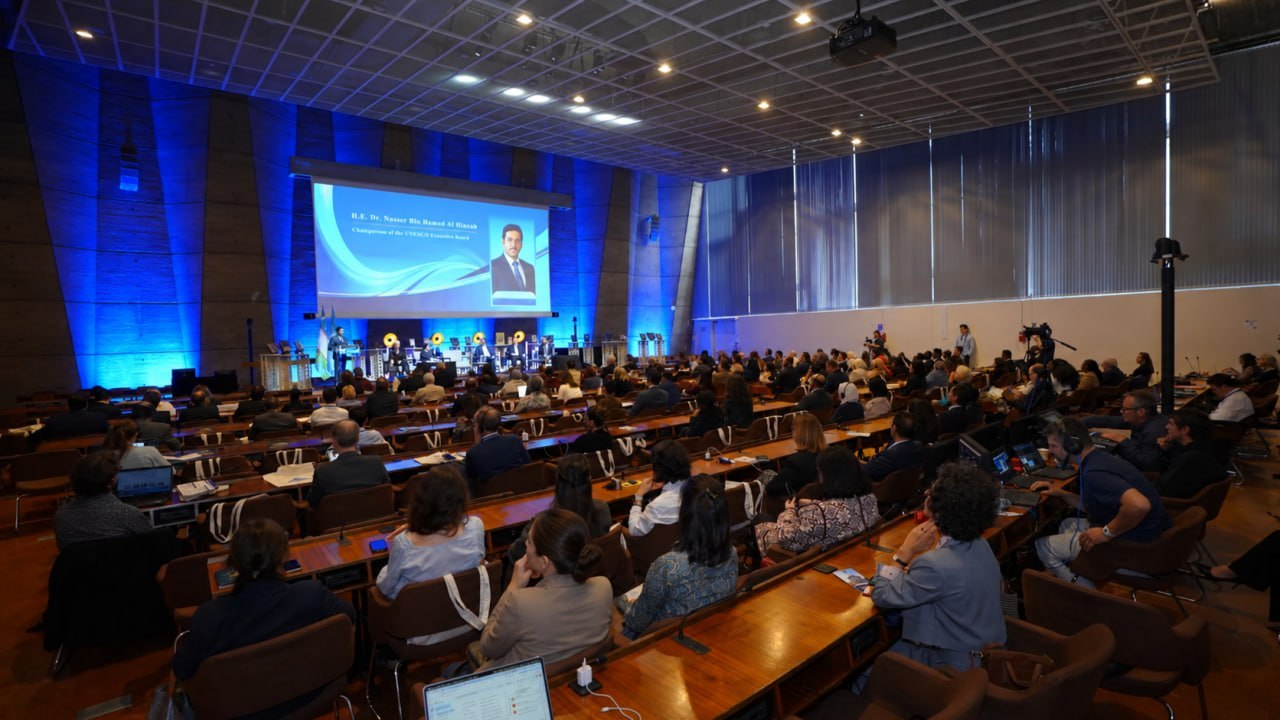
On October 7, at UNESCO Headquarters in Paris, the international conference titled “Islamic Civilization: Mawarannahr’s Great Spiritual and Scientific Heritage and Horizons of Enlightenment,” dedicated to Uzbekistan’s scholarly and spiritual heritage, brought together more than 300 scholars, diplomats, and representatives of international organizations and scholarly institutions.
The conference was held with the participation of a delegation led by the Director of the Islamic Civilization Center. Its main topics were the contribution of Central Asian scholars to world science, the study of rare manuscripts, the digitization of historical sources, and the expansion of scholarly cooperation.
Participants were presented with the scholarly concept of the Islamic Civilization Center in Uzbekistan, its museum exhibitions, and its projects aimed at studying manuscripts and preserving cultural heritage.
The President of the 43rd session of the UNESCO General Conference, Khondker M. Talha, and the Chairperson of the Executive Board, Nasser Bin Hamad Al Hinzab, addressed the participants.
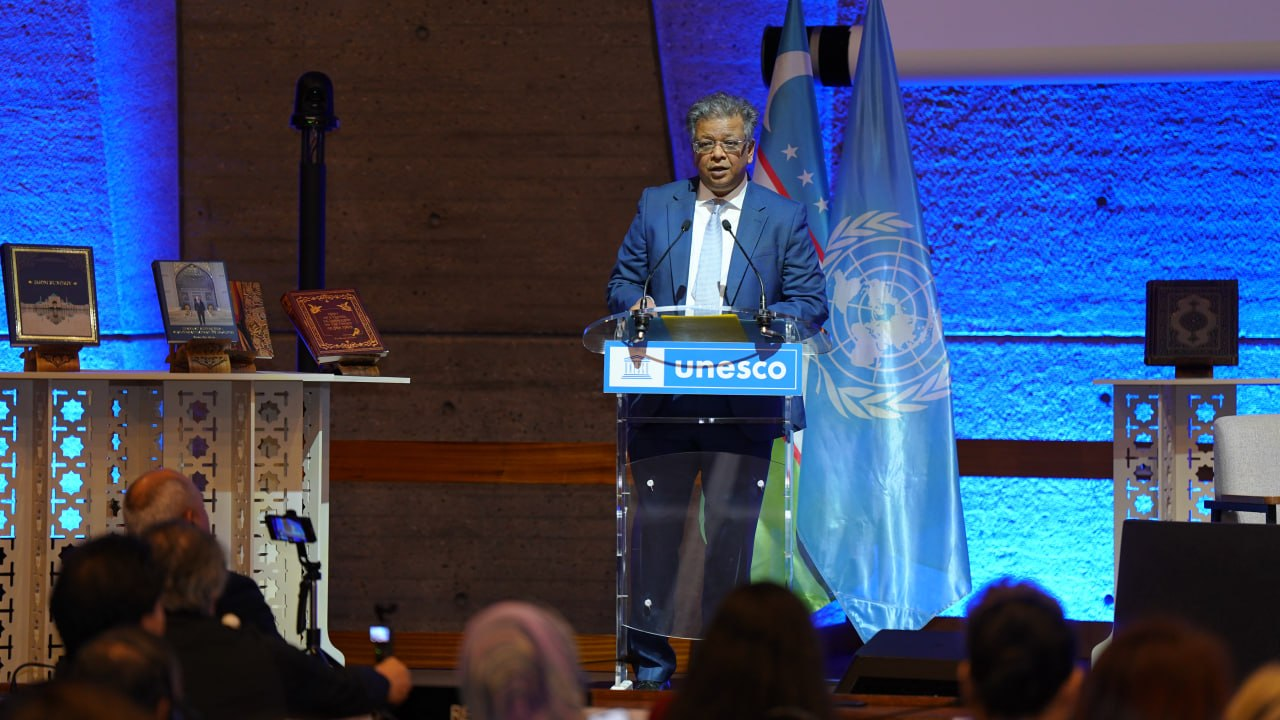
Khondker M. Talha, President of the 43rd Session of the UNESCO General Conference:
“Today we are united by a shared spiritual and cultural heritage that has served as the foundation of dialogue between peoples for centuries. It is precisely the spirit of mutual understanding and cooperation that forms the basis of UNESCO’s work. I sincerely thank the Government of Uzbekistan and UNESCO for organizing such an important event, which continues the international initiative put forward by President Shavkat Mirziyoyev at the United Nations.”
The conference was attended by Farhan Ahmad Nizami, Director of the Oxford Centre for Islamic Studies; Professor Mahmud Erol Kılıç, Director General of the Research Centre for Islamic History, Art and Culture (IRCICA); Professor Mario Taddei of the University of Milan; and representatives of other international scholarly institutions.
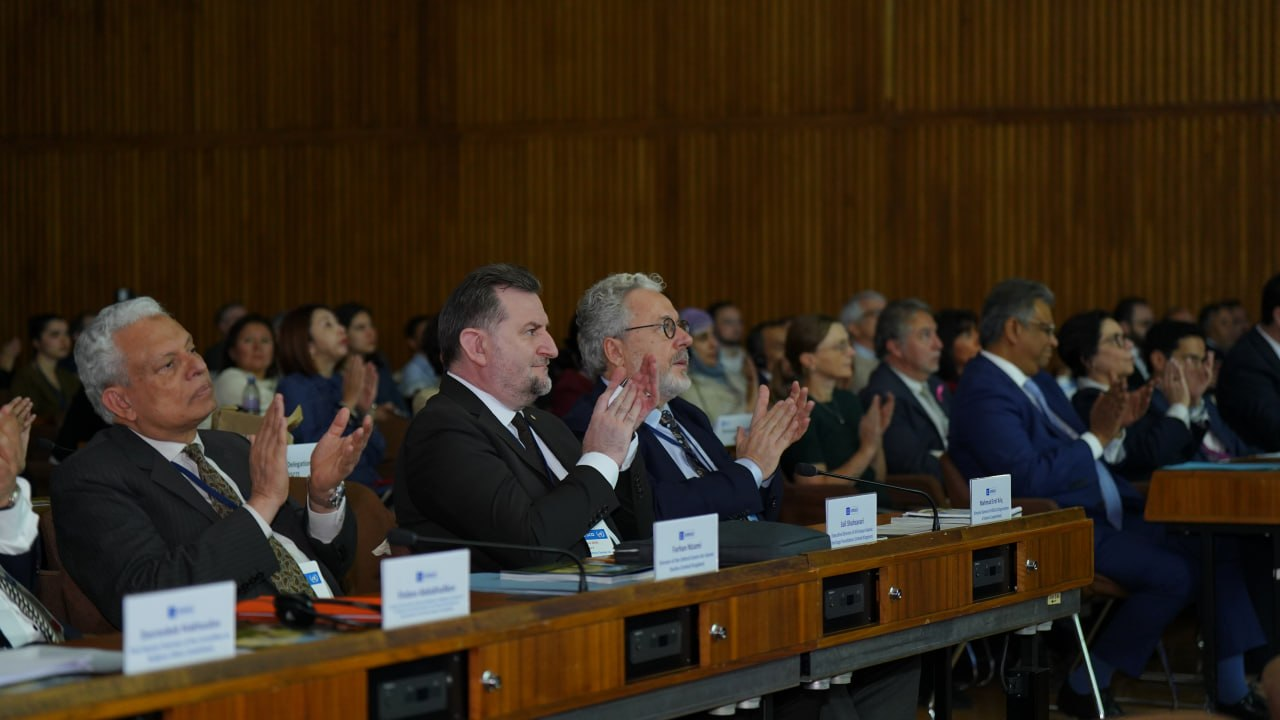
Salim Muhammad Malik, Director General of the Islamic World Educational, Scientific and Cultural Organization (ICESCO), emphasized in his speech the contribution of Islamic civilization to the development of science, culture, and education.
He characterized cultural heritage as an essential bridge, fostering mutual respect and connecting generations across civilizations.
The Paris conference successfully integrated Uzbekistan’s rich scholarly tradition into the global academic discussion and expanded opportunities for cooperation with foreign institutions in studying and promoting it.
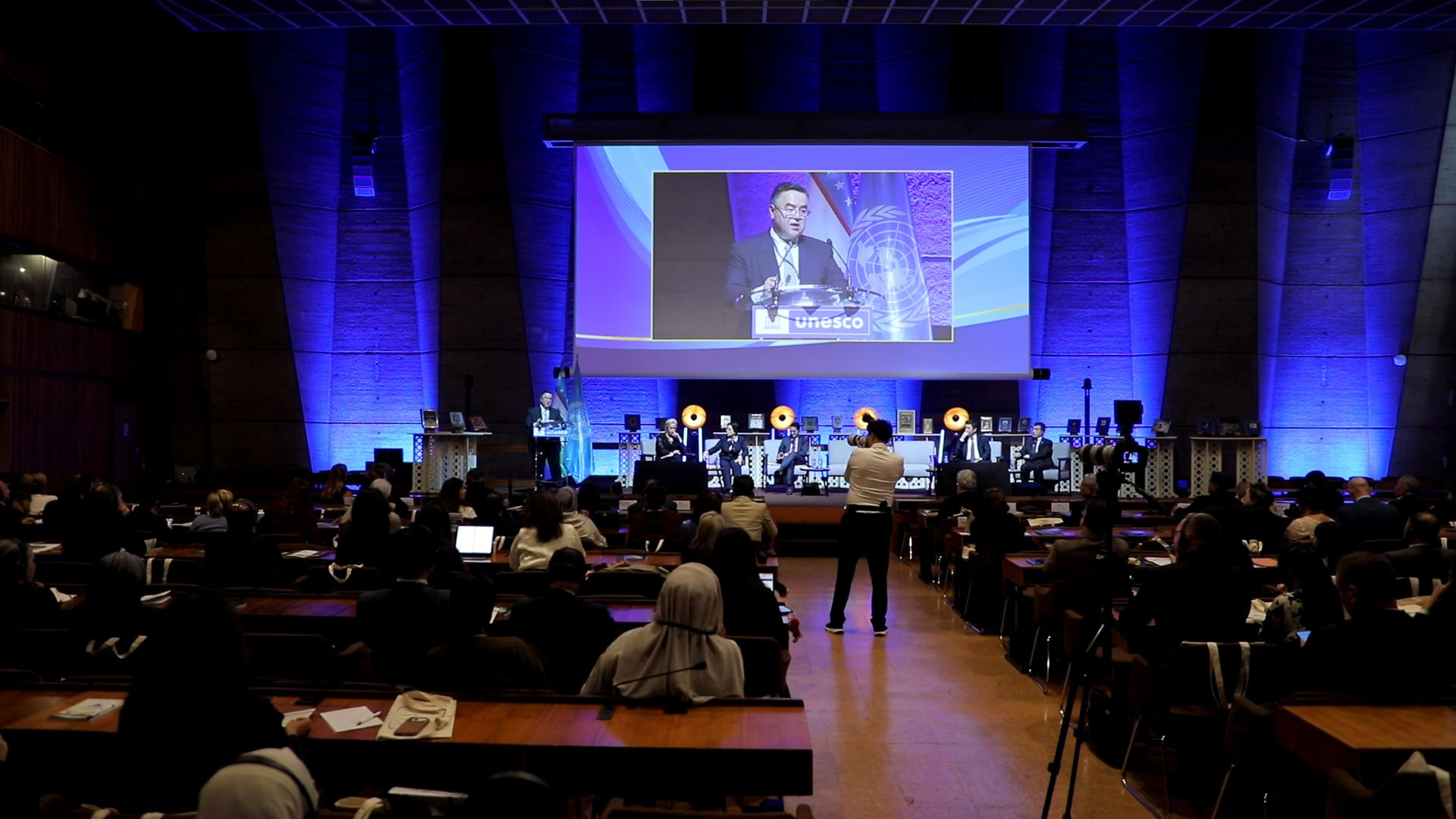
Firdavs Abdukhalikov, Director of the Center, described the Paris conference as a practical continuation of the President’s initiative.
Firdavs Abdukhalikov, Director of the Islamic Civilization Center in Uzbekistan:
“This event serves as a practical implementation of the initiative announced by President Shavkat Mirziyoyev on September 23, 2025, during the 80th session of the UN General Assembly. Stressing the need to study deeply and widely promote the scholarly and spiritual legacy of Imam Bukhari, Imam Termizi, and Imam Maturidi, the President of Uzbekistan put forward an initiative to present this priceless heritage to the world community at leading international venues: UNESCO Headquarters in Paris and UN venues in Geneva and New York. The conference held in Paris is an important step toward implementing this broad initiative.”

Geneva: from international dialogue to cooperation with archives
On October 22, the international presentation of Uzbekistan’s scholarly and spiritual heritage continued at the Palais des Nations, the UN Office in Geneva.
An international conference on the theme “Islamic Civilization: Mawarannahr’s Great Spiritual and Scientific Heritage and Horizons of Enlightenment” and the exhibition “Civilizations, Personalities, Discoveries” were organized there.
The event was attended by Tatiana Valovaya, Director-General of the United Nations Office at Geneva; Eldiyor Toshmatov, Permanent Representative of Uzbekistan to the UN Office in Geneva and other international organizations; Akmal Saidov, Director of the National Human Rights Centre of the Republic of Uzbekistan; and representatives of international scholarly and diplomatic circles.
In her official speech, Tatiana Valovaya drew attention to the fact that Samarkand and Bukhara were historically major centers of science.
It was noted that the scholarly traditions developed in these cities in mathematics, astronomy, medicine, and philosophy served the exchange of knowledge between different peoples and cultures.
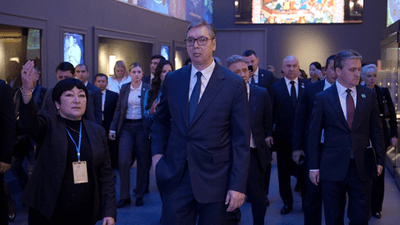
The head of the UN Office in Geneva also shared her personal impressions of the Islamic Civilization Center in Uzbekistan.
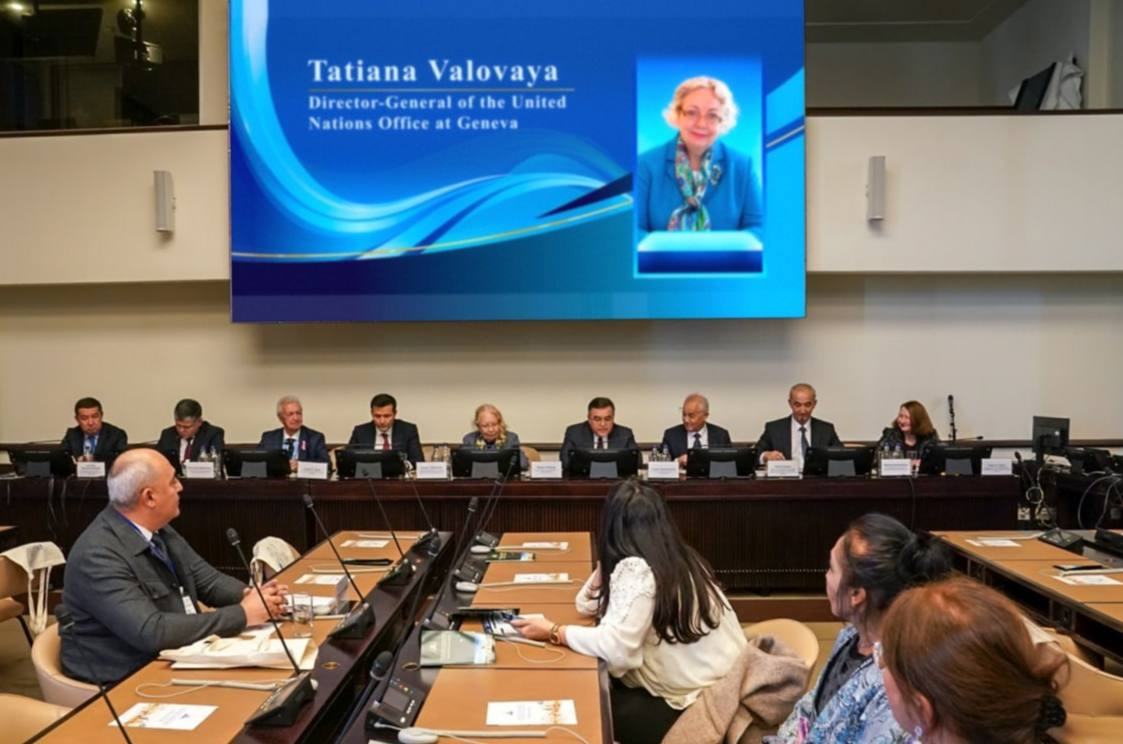
Tatiana Valovaya, Director-General of the United Nations Office at Geneva:
“The Islamic Civilization Center in Uzbekistan made a profound impression on me. It is a place of inspiration where rich historical heritage is presented with the help of modern technologies. It is truly a center of the 21st century, offering an engaging experience for people of all generations, particularly young people and children.
The exhibition is astonishing, and the books on display are absolutely unique. We agreed to cooperate between our library and the Center. I think it will be a very interesting partnership.”
An important aspect of the Geneva dialogue was the discussion of practical opportunities for cooperation with libraries and archives.
A key difference from the Paris conference, and worth highlighting, is that the biggest and most important news was an agreement reached with the leadership of the UN Office in Geneva on access to the organization’s library and archives.
This agreement could create valuable opportunities to study international documents related to the history of Uzbekistan and Central Asia, to identify new sources, and to use them in scholarly research.
In addition, the scholarly publications displayed at the exhibition were donated to the library of the UN Office in Geneva.
Baku: shared heritage strengthened by a scholarly memorandum
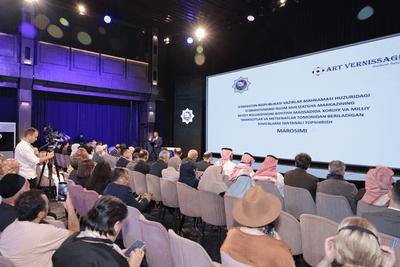
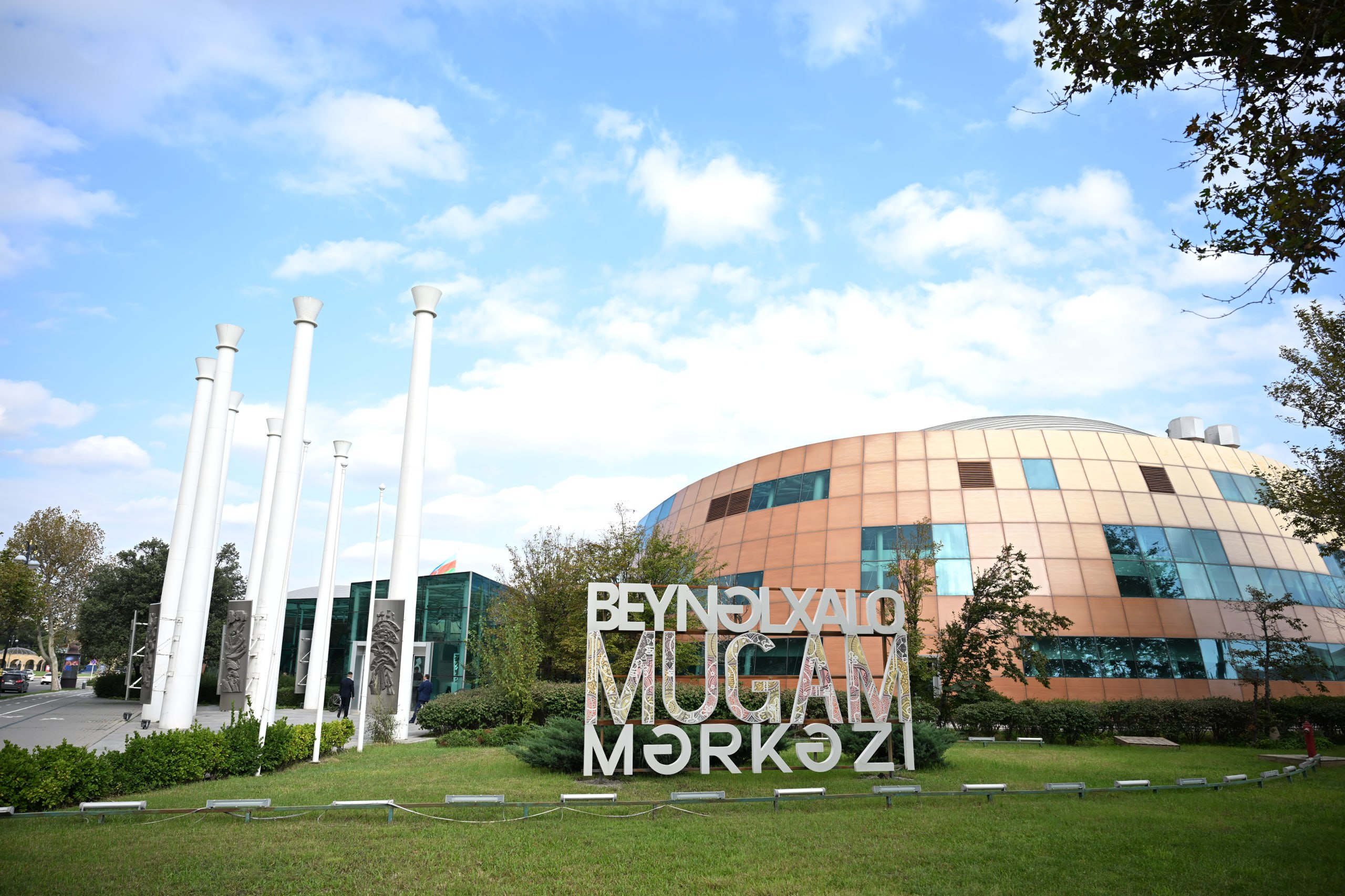
On October 26, an international conference dedicated to the shared historical and cultural heritage of Uzbekistan and Azerbaijan and to modern scholarly cooperation was held in Baku, the capital of Azerbaijan.
The event, organized at the International Mugham Center, was attended by Bahrom Ashrafkhonov, Uzbekistan’s Ambassador to Azerbaijan; Isa Habibbeyli, President of the Azerbaijan National Academy of Sciences; Firdavs Abdukhalikov, Director of the Islamic Civilization Center; and representatives of scholarly institutions of the two countries.
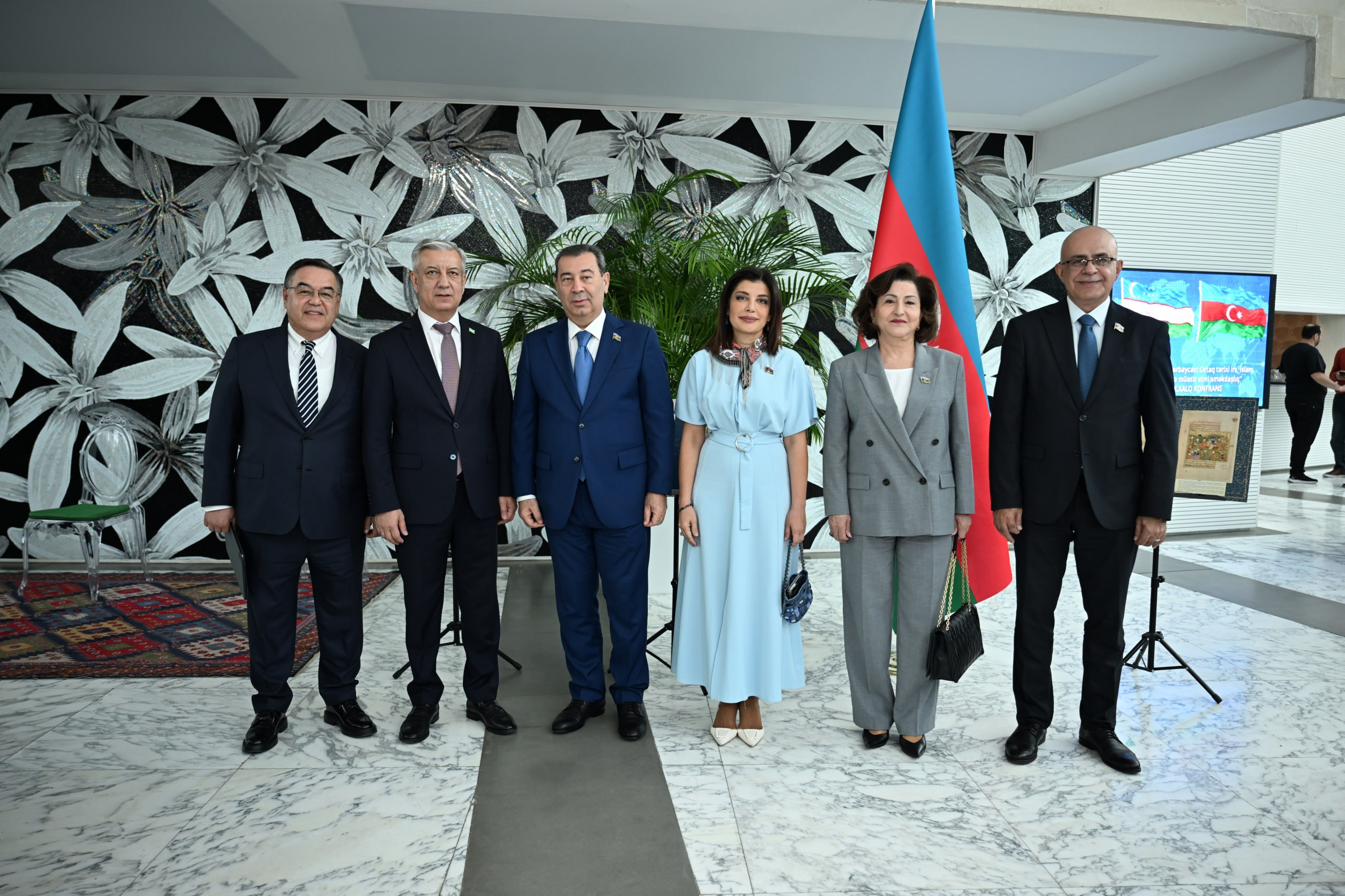
The conference focused on the historical closeness of Uzbekistan and Azerbaijan, their shared cultural heritage, and scholarly traditions.
Avicenna and his student Bahmanyar, Nasir al-Din al-Tusi’s scholarly work in Maragha, Mirzo Ulugbek’s Samarkand school of astronomy, and the legacies of Nizami Ganjavi and Alisher Navoi were cited as important examples of these historical and intellectual ties.
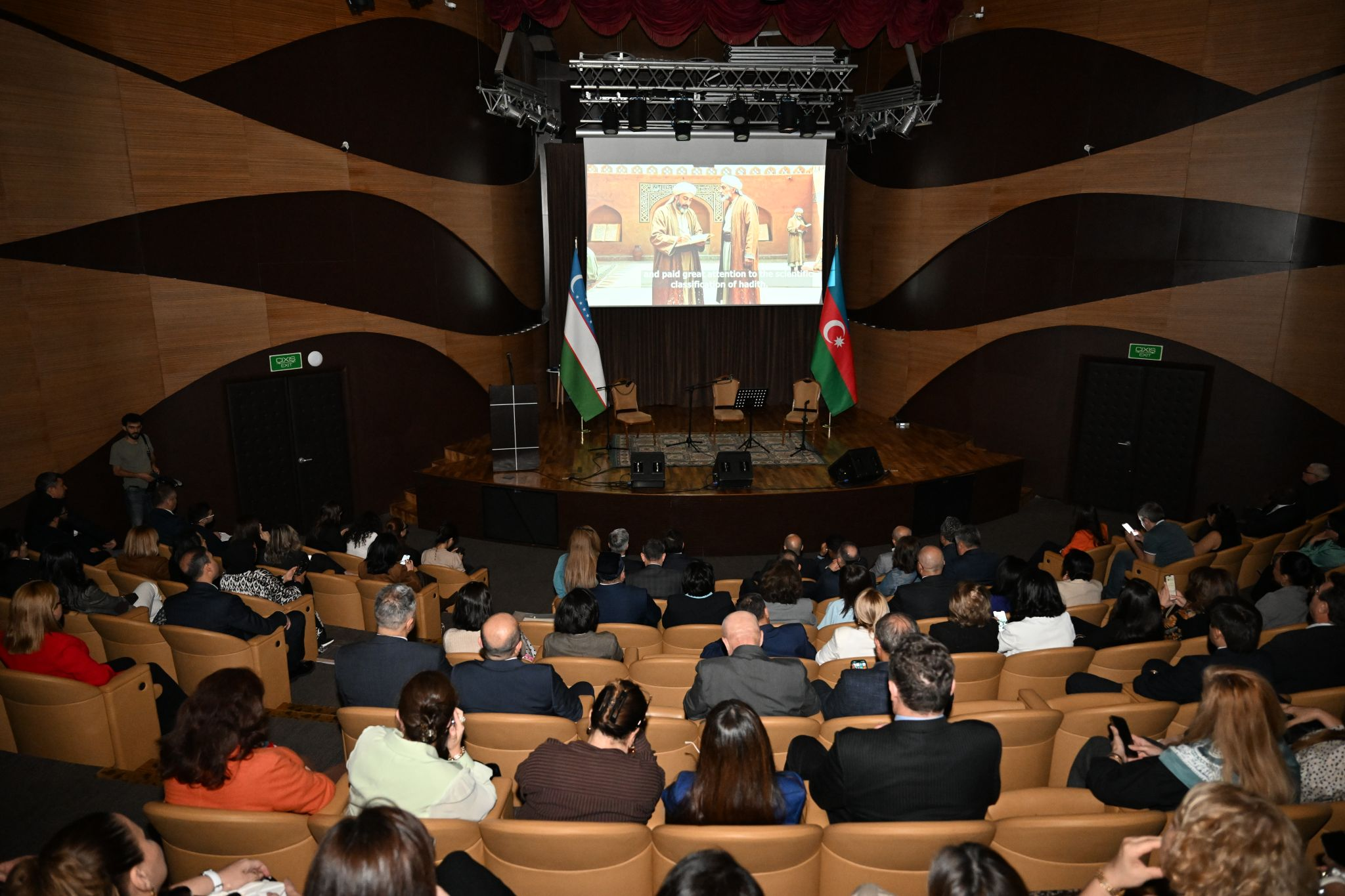
A documentary film about the Center’s work and an exhibition of scholarly publications were also presented at the conference.
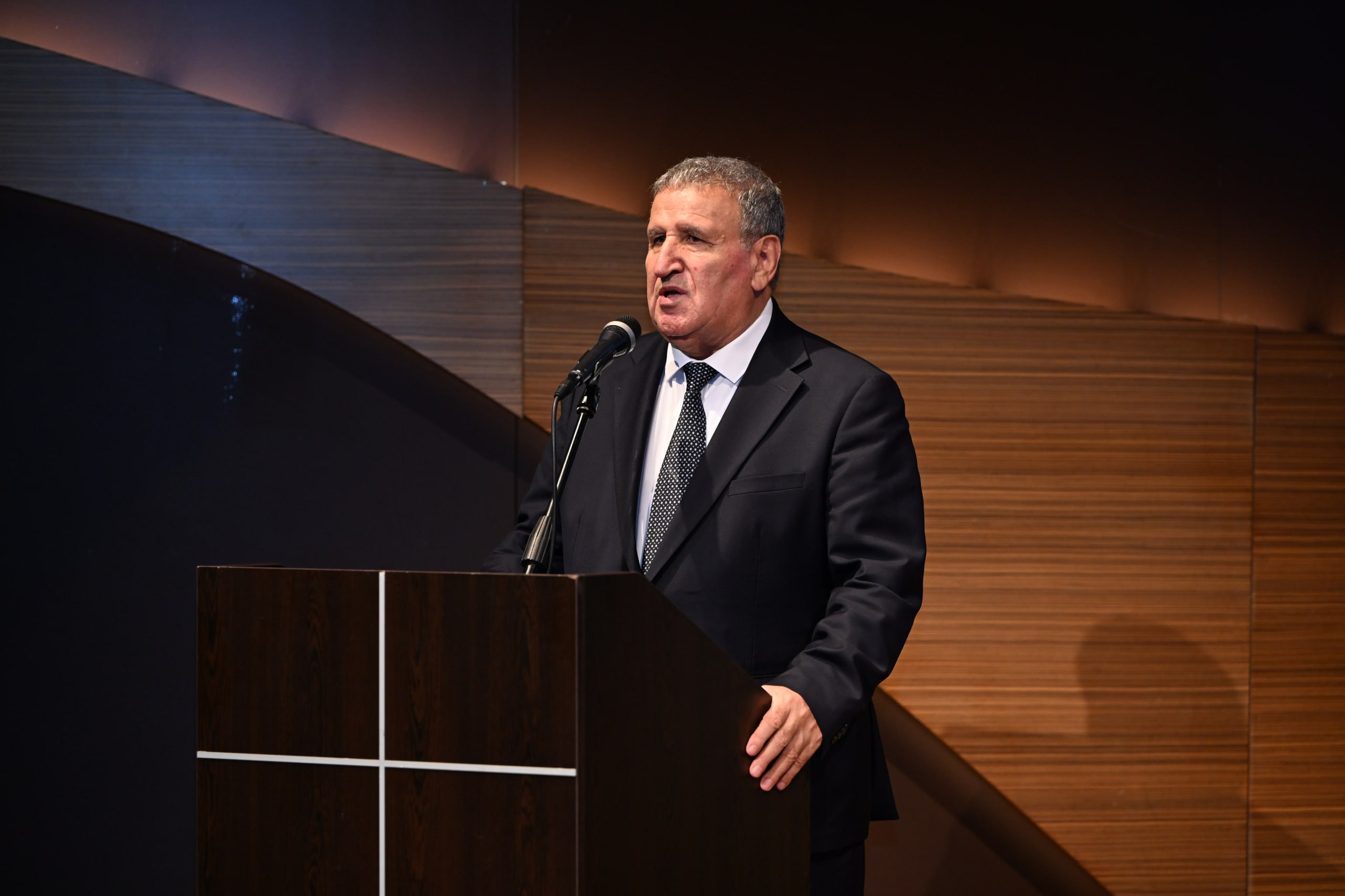
Isa Habibbeyli, President of the Azerbaijan National Academy of Sciences:
“The Islamic Civilization Center in Uzbekistan is a mega-project of enormous significance for the entire Turkic world. Through it, we are coming to understand more deeply the history of our ancestors and their contribution to world civilization,” said the academician.
The most important practical outcome of the Baku trip was the signing of a scholarly cooperation memorandum between the Islamic Civilization Center in Uzbekistan and the Azerbaijan National Academy of Sciences.
The document, formalized at the Presidium of the Academy, is aimed at conducting joint research, expanding scholarly ties, and developing cooperation between scholars of the two countries.
Thus, in Baku, interest in studying shared history was reinforced with a foundation for institutional cooperation.
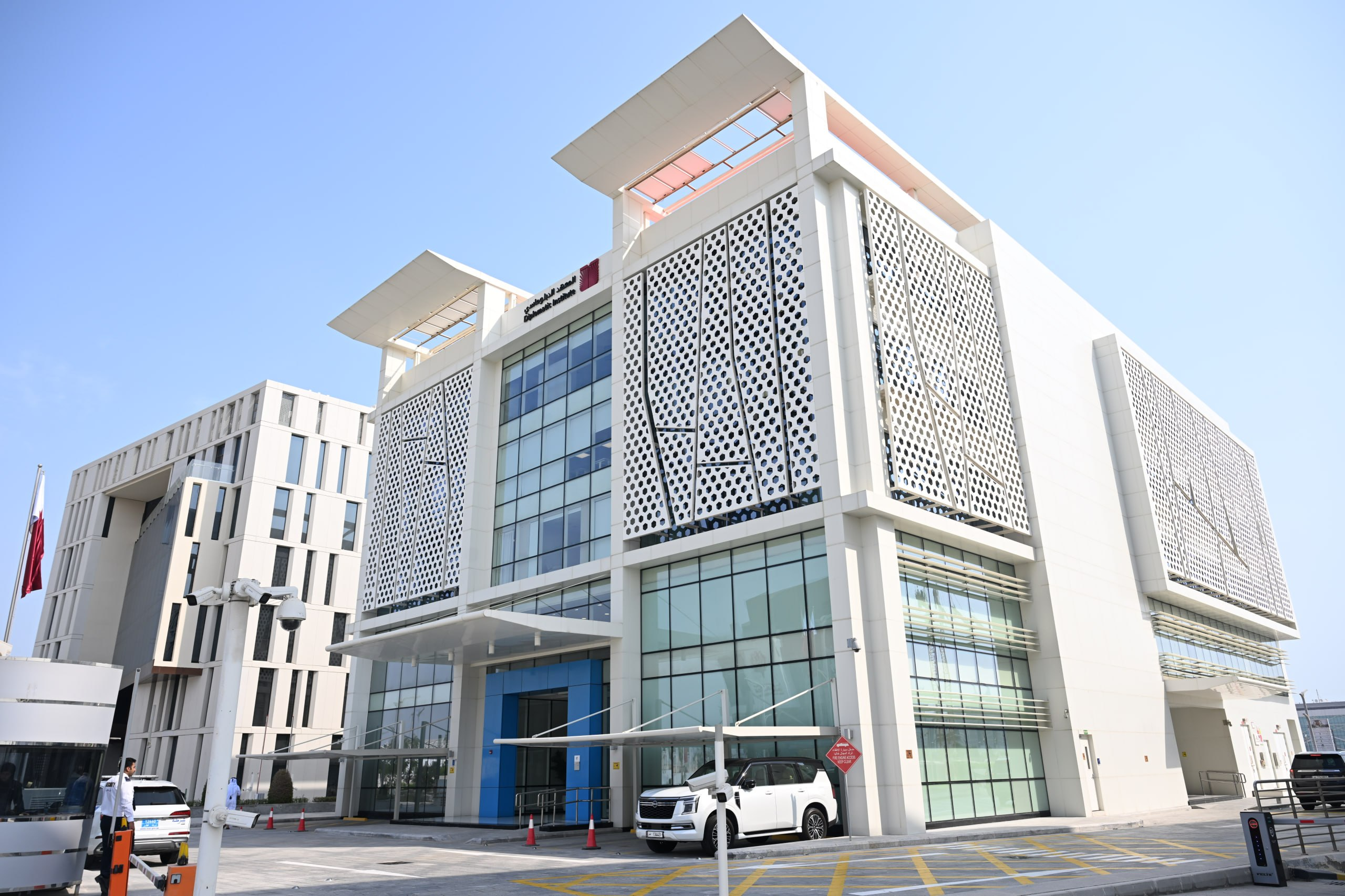
Doha: manuscripts, digitization, and scientific diplomacy
On October 29, the next stop of the international presentations was Doha, the capital of Qatar.
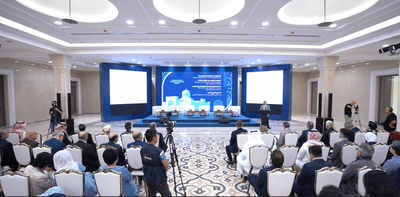
A scholarly conference on the role of Islamic centers in Uzbekistan and Qatar in promoting Islamic civilization was organized at the Diplomatic Institute of the Ministry of Foreign Affairs of Qatar.
The event was held in cooperation between the Qatar Committee for the Alliance of Civilizations and the Diplomatic Institute of the Ministry of Foreign Affairs.
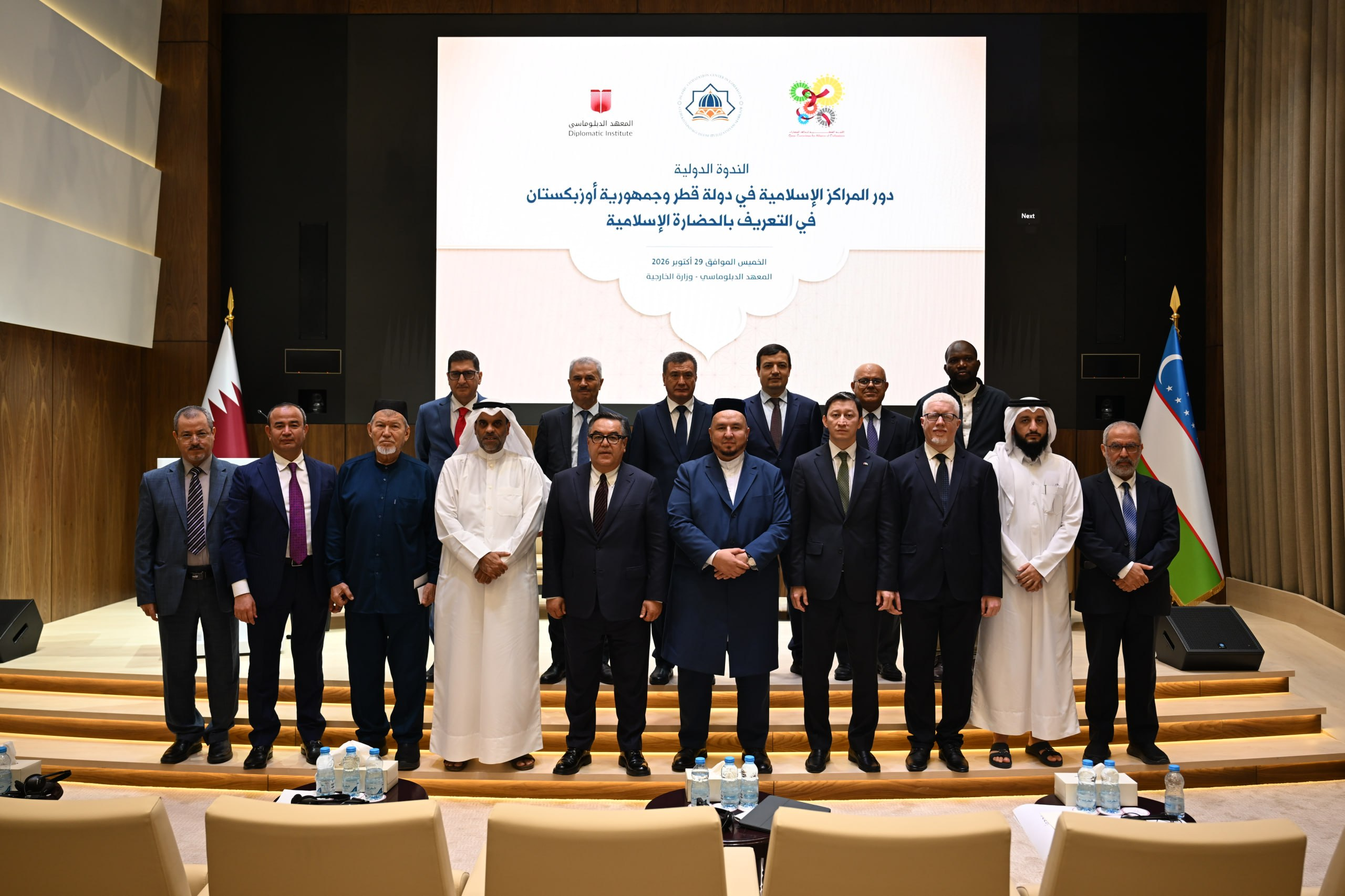
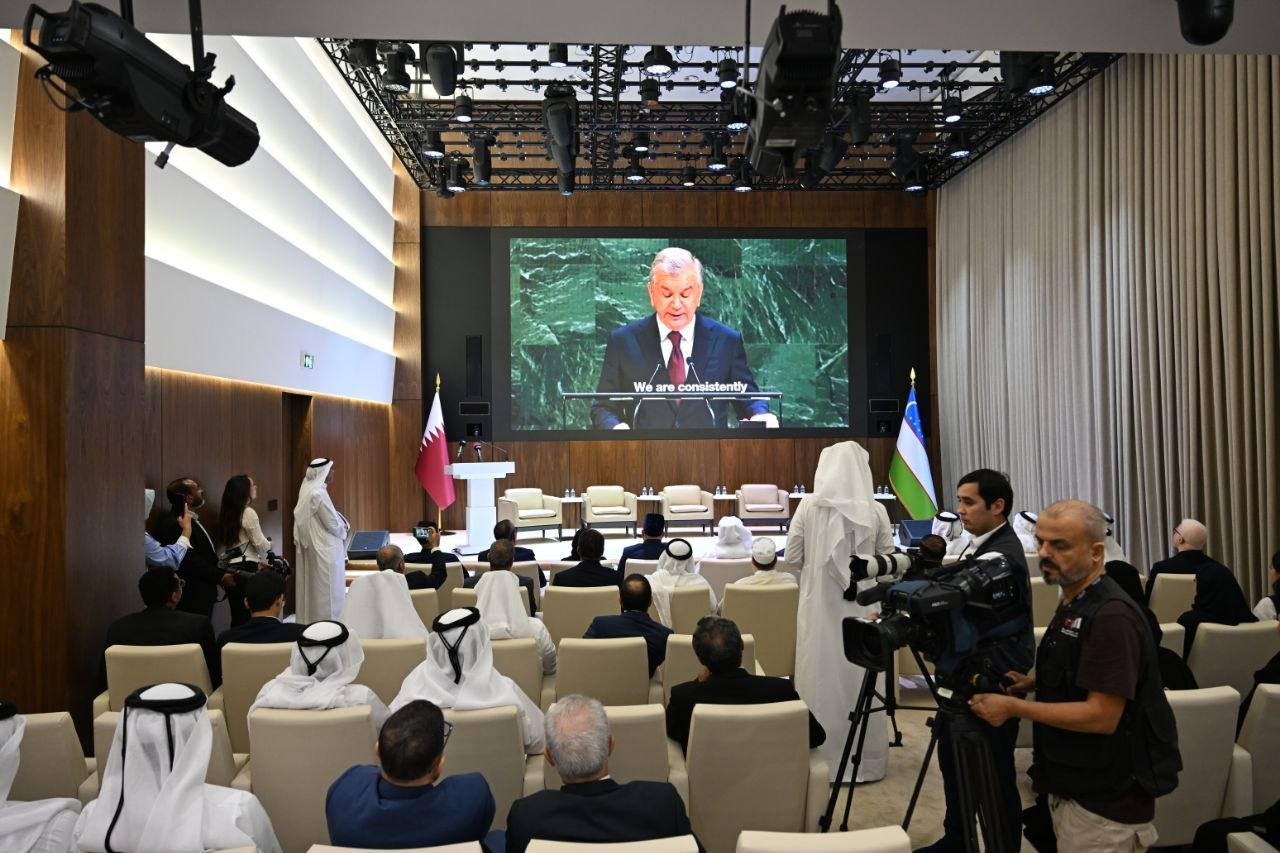
It was attended by Hamad bin Abdulaziz Al-Kawari, Minister of State of Qatar and President of the Qatar National Library; Ashraf Khojayev, Uzbekistan’s Ambassador to Qatar; diplomats; scholars; and heads of scholarly institutions.
The conference discussed Uzbekistan’s place in the development of world Islamic civilization, the scholarly legacy of the thinkers of Mawarannahr, and the prospects for researching it.
Hamad bin Abdulaziz Al-Kawari drew attention to the contribution to human science of scholars such as Imam Bukhari, Imam Termizi, Imam Maturidi, Khwarazmi, Biruni, Ibn Sina, and Mirzo Ulugbek.
He acknowledged that the Islamic Civilization Center was established in Uzbekistan on the initiative of President Shavkat Mirziyoyev, and stressed the international importance of preserving and promoting cultural heritage.
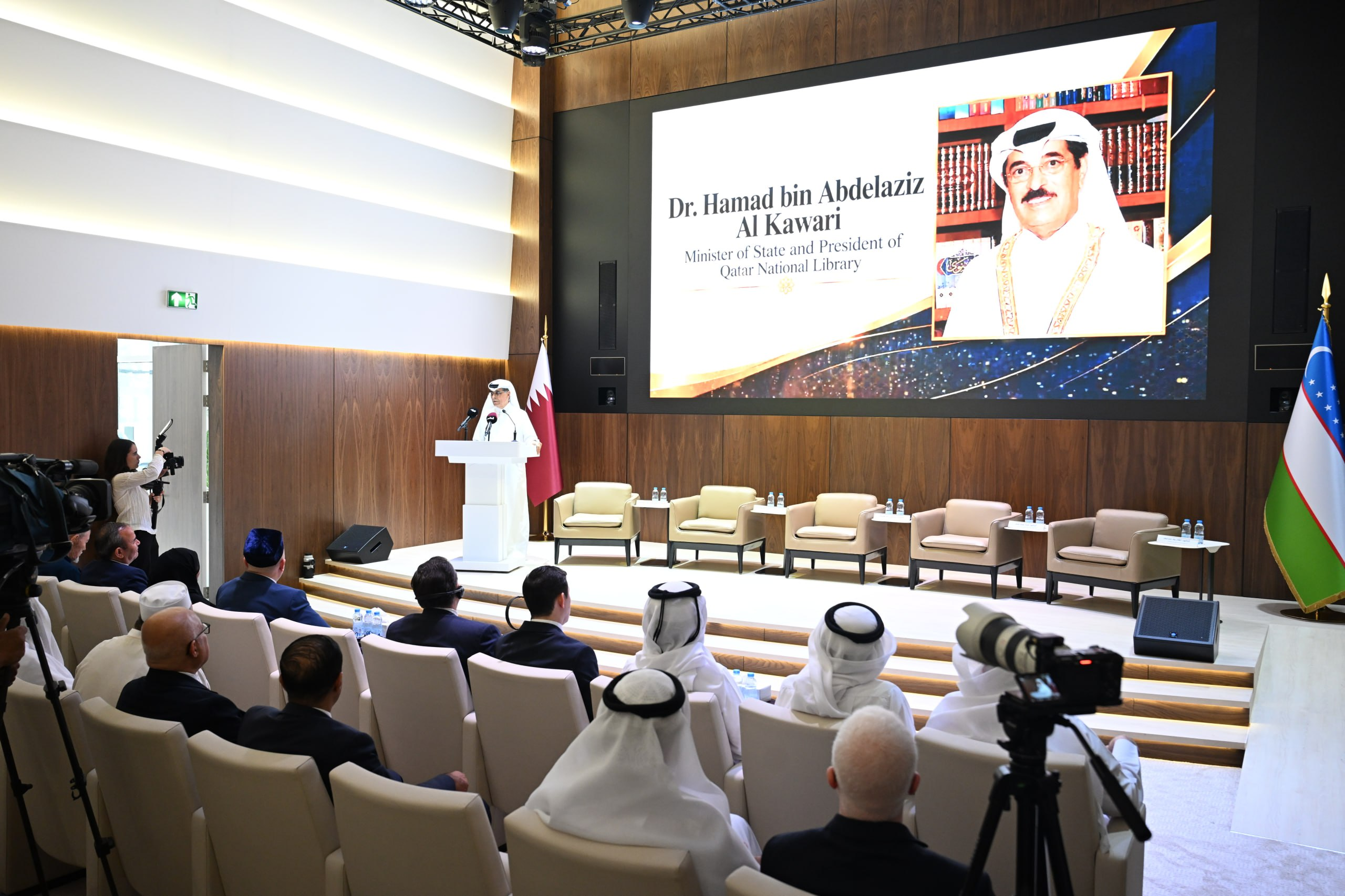
Hamad bin Abdulaziz Al-Kawari, Minister of State of Qatar and President of the Qatar National Library:
“The significance of this Center goes beyond presenting Uzbekistan and its rich historical heritage to the international community. Undoubtedly, this is itself a noble and highly important mission,” he said.
The scholarly discussions at the conference covered topics such as the sciences of the Quran and hadith, the scholarly legacy of Imam Termizi, and the contribution of thinkers of Mawarannahr to the development of Islamic civilization. Firdavs Abdukhalikov, Director of the Center, delivered a presentation titled “The Islamic Civilization Center: Mission, Projects, and Areas of Cooperation.” He emphasized that the Center's primary mission is to preserve, study, enrich, and pass on the legacy of great scholars and thinkers to future generations.
The Uzbek delegation also raised scholarly issues related to the Uthman Quran, the Khwarazm Mamun Academy, and the legacy of Biruni.
During the event, prospects were reviewed for studying, digitizing, and restoring manuscripts, using scientific information technologies, and organizing joint research.
An important aspect of the Doha presentation is that a dialogue has begun on connecting Uzbekistan’s rich manuscript heritage with the research capacities of Qatari scholarly institutions.
At the same time, the cooperation prospects discussed in these areas cannot be equated with joint projects already carried out. Their practical results will take shape on the basis of subsequent agreements and research programs.
How is the impact of international presentations assessed?
The international dialogues held from Paris to Doha demonstrate that efforts to present Uzbekistan's scholarly heritage to the world are increasingly opening up opportunities for in-depth research through international cooperation. The most important result of this process is not recognition of the past, but the new scholarly knowledge to be created on the basis of this heritage. That is why we should remain committed to moving forward and continuing our work with determination.