



The golden secret of the 14th century: Exquisite ornaments from Central Asian horse harnesses tell history
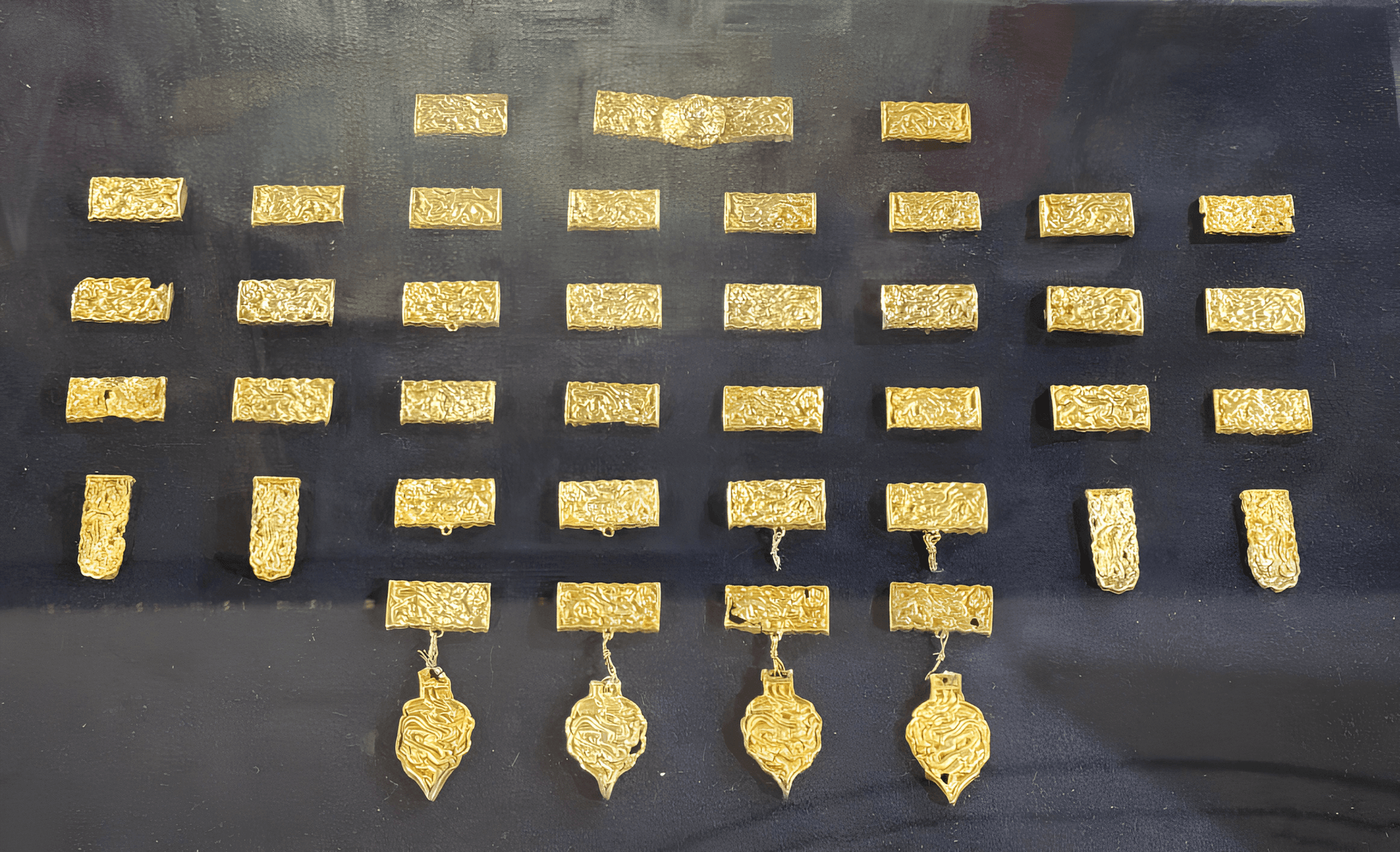
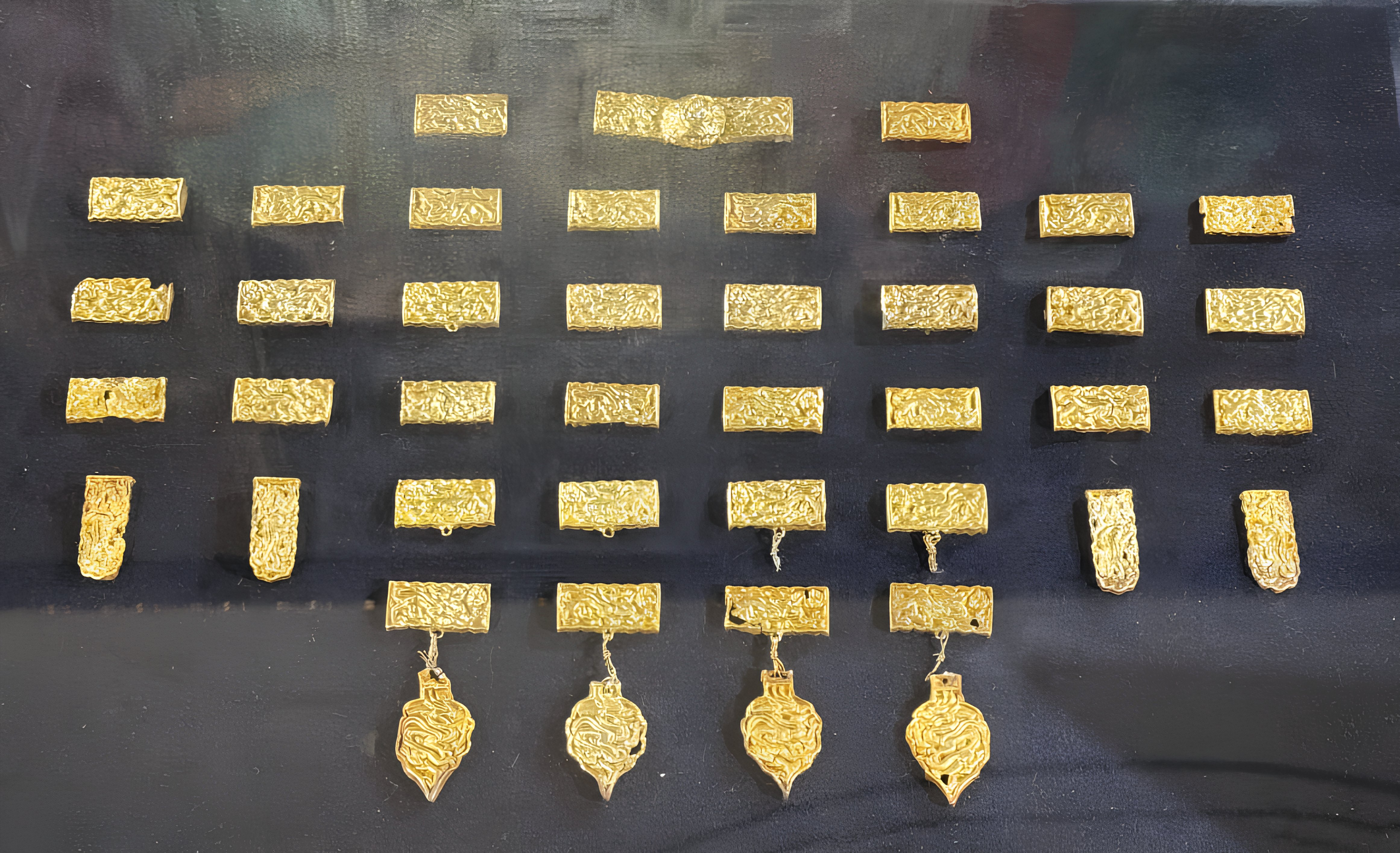
These artifacts date back to the 14th century and represent a vivid example of the highly developed metalworking and jewelry-making traditions that flourished in Central Asia. At that time, the horse was not merely a means of transportation but also a symbol of military strength, political authority, and courtly ceremonies. Therefore, horse harnesses were often made from precious metals and adorned with intricate patterns.
Rustam Jabborov, Scientific Secretary of the Islamic Civilization Center in Uzbekistan:
These decorative pieces are made of gilded silver, with engraving and ornamental techniques applied to their surfaces. Skilled metal artisans carved delicate Islamic and girih-style patterns onto the silver and then enhanced them with gold plating, giving the objects a luxurious appearance. Each piece measures approximately 7.5 cm in diameter and was attached to various parts of the horse harness — such as the bridle, reins, or straps.
Historical sources indicate that in the 14th century, Central Asia was renowned for its cavalry forces. The military traditions formed during this period were further refined in the Timurid era. The art of decorating horse harnesses developed in royal workshops and jewelry centers, and such items often belonged to rulers, emirs, or high-ranking military commanders.
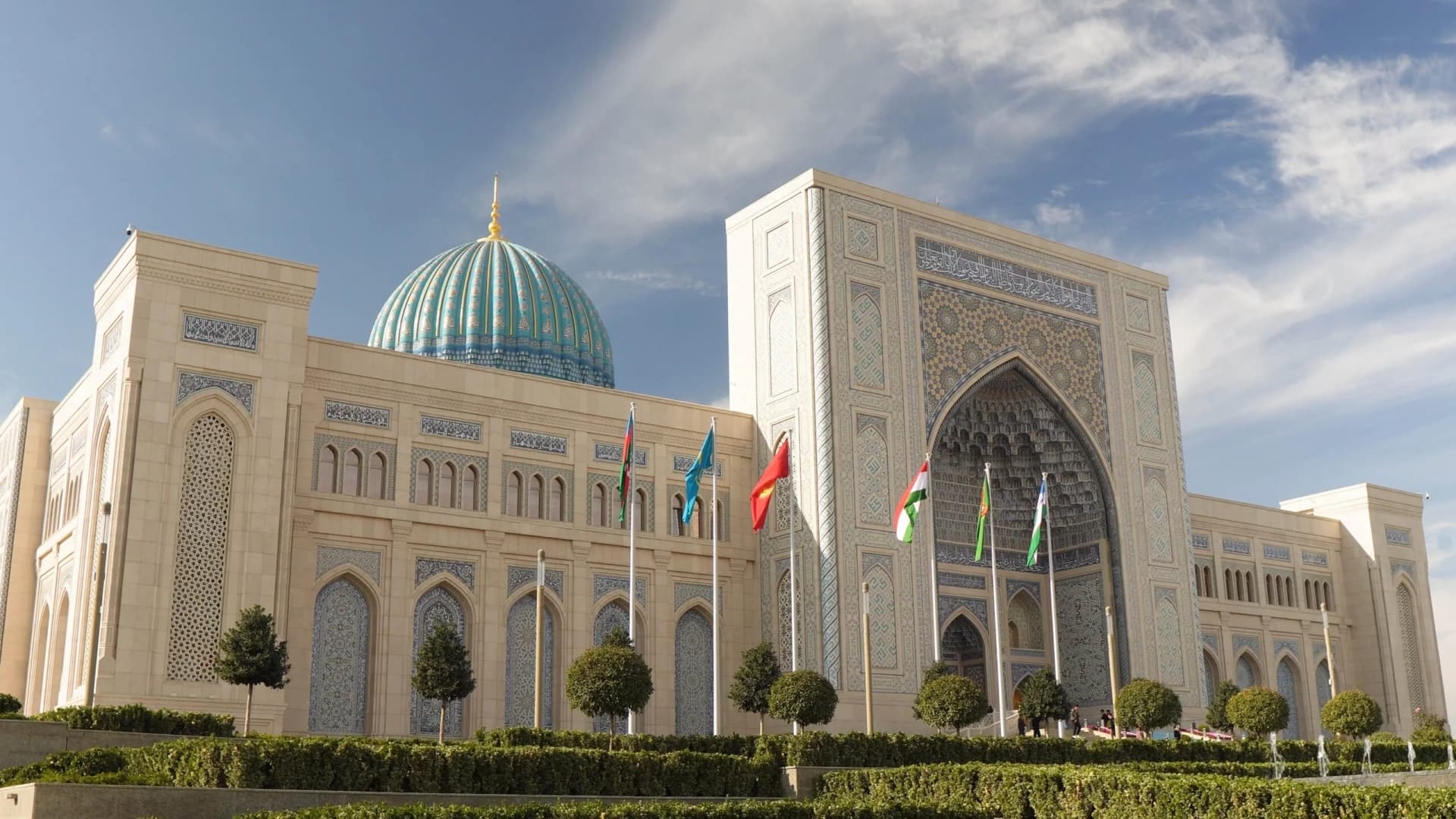
 Today, these unique decorative pieces have been brought from a renowned collection in the United Kingdom to the Islamic Civilization Center in Uzbekistan, established on the initiative of President Shavkat Mirziyoyev. Officially recognized as the largest museum of Islamic civilization in the world and awarded the prestigious title of Guinness World Records, the Islamic Civilization Center in Uzbekistan offers visitors the opportunity to see such rare and authentic artifacts. They serve as important historical evidence of the high level of craftsmanship in Central Asia, particularly in medieval metal art.
According to experts, such artifacts are not only components of military equipment but also significant works of art reflecting the aesthetics and aristocratic culture of the medieval period. Through them, one can clearly understand the level of development of cavalry culture, jewelry technology, and ornamental art in 14th-century Central Asia.
Thus, these gilded silver horse harness ornaments are valued as unique historical heritage embodying the refined taste, power, and artistic excellence of medieval Central Asian civilization.
Laylo Abdukakhkharova
P/S: The article may be reposted with a link to the Center’s official website