


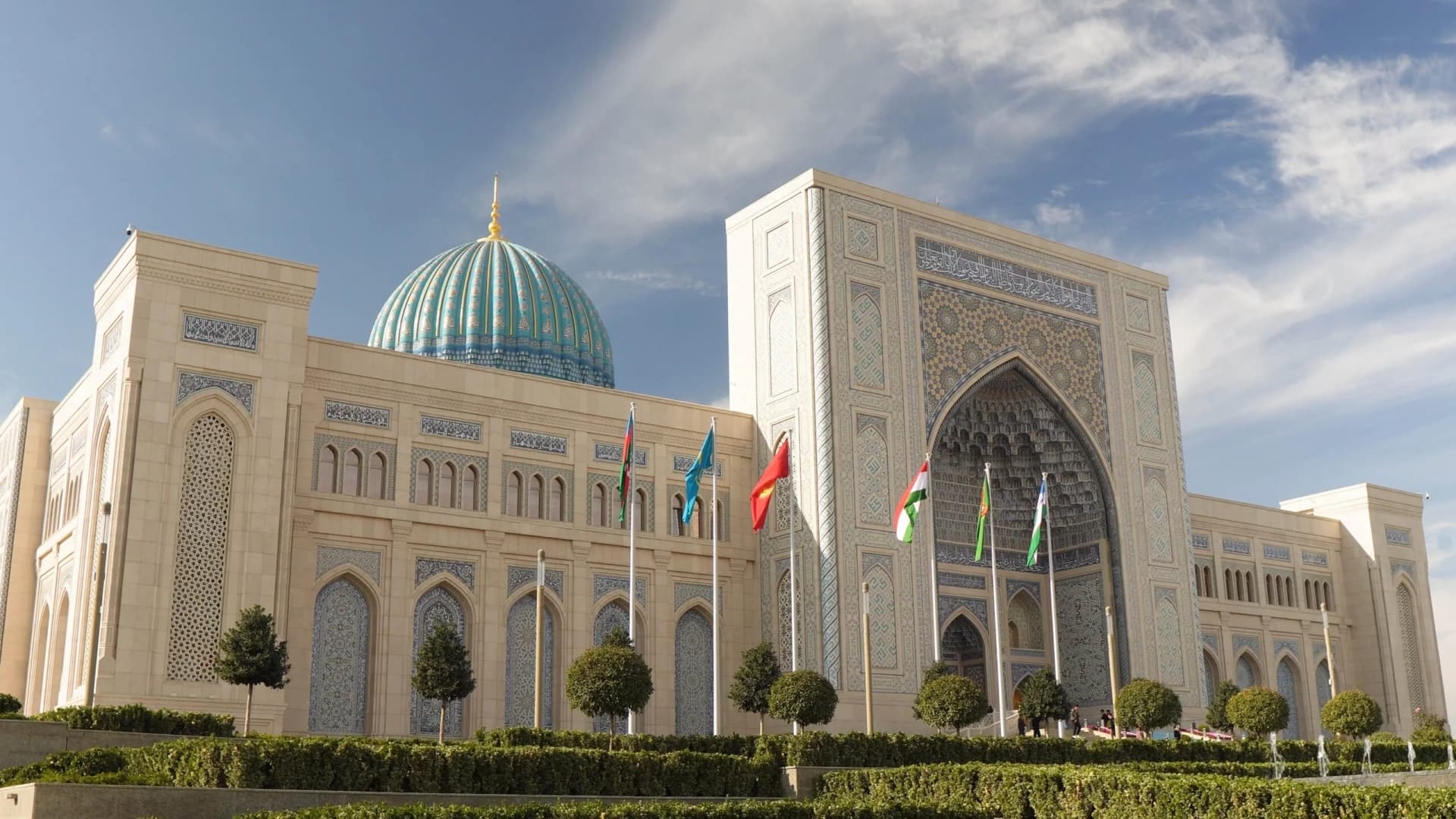

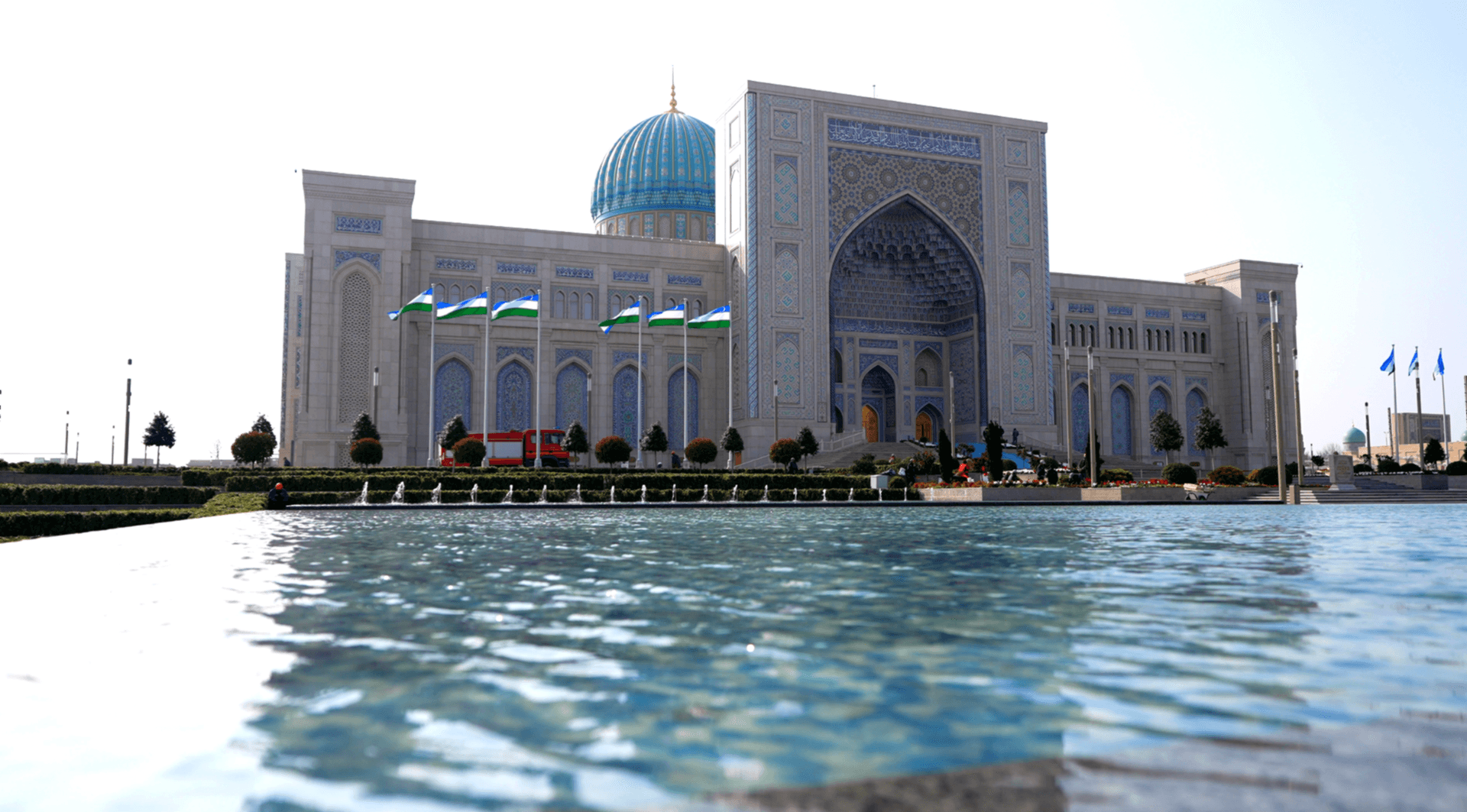
The secret behind Uzbekistan’s great initiative
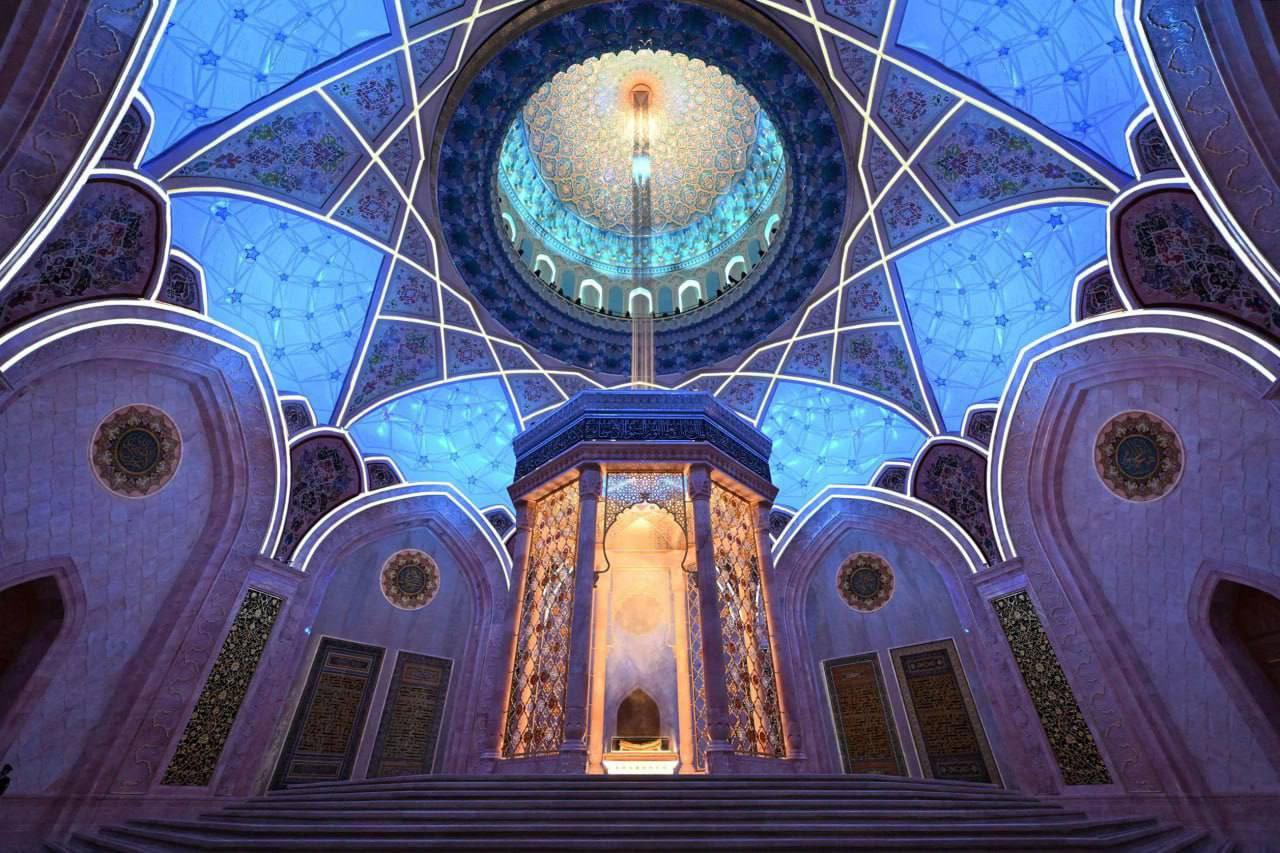
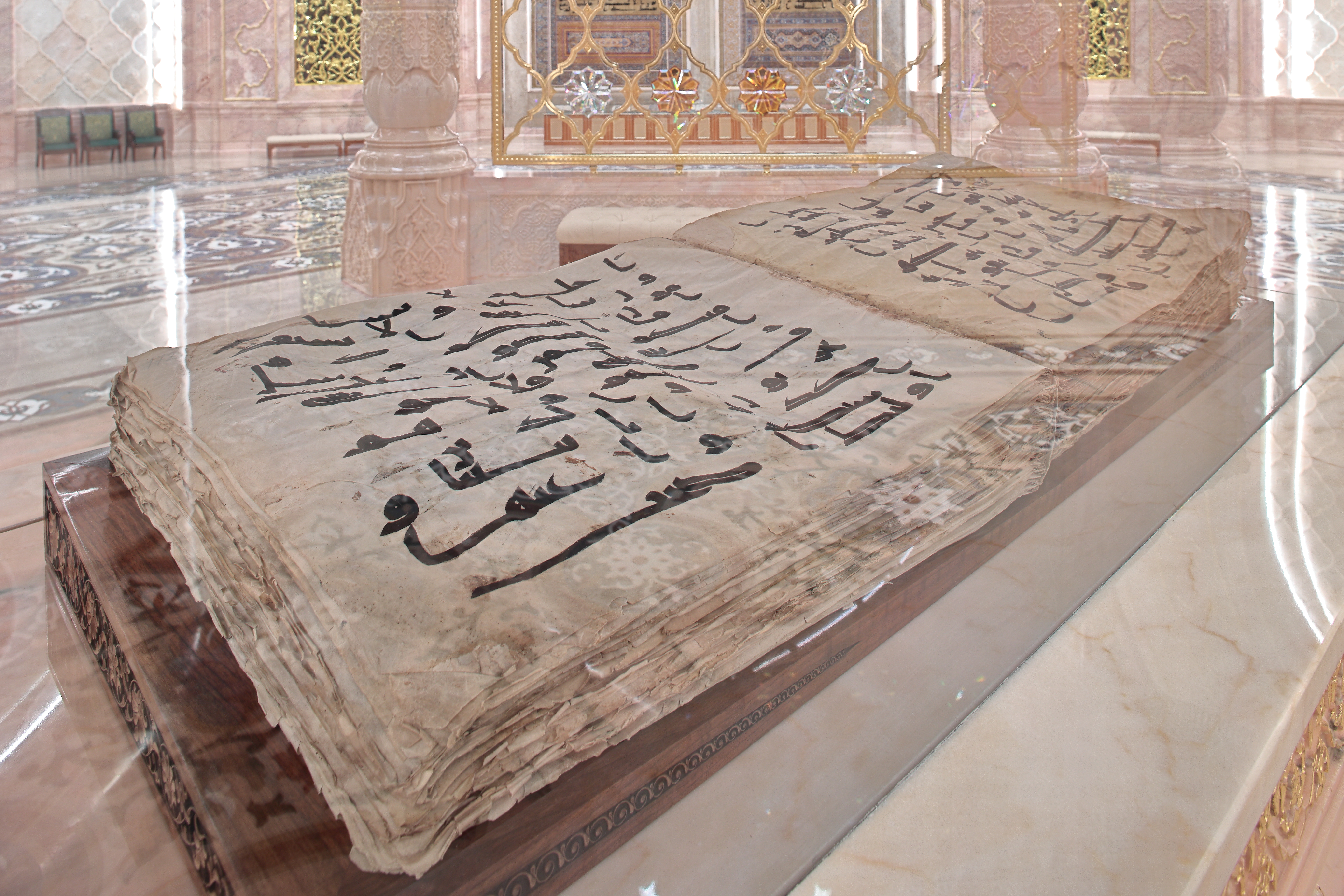 Upon entering the Center, this impression transforms into a real experience. Here, all fields — religion, history, science, and art — are presented not separately, but as a unified composition that complements one another. At the heart of this harmonious space lies the Qur’an Hall, a sacred place reflecting the deepest roots of Islamic spirituality. It houses the Center’s core treasure and a priceless heritage for the Islamic world—the Uthmanic Mushaf, a manuscript dating back to the 7th century and transcribed during the time of Caliph Uthman ibn Affan (may Allah be pleased with him). In addition, 114 Qur’anic manuscripts connected with Uzbekistan are displayed in the hall, along with eight silk carpets adorned with Qur’anic verses on the walls.
It is precisely on this spiritual foundation that science and culture later flourished, paving the way for the advancement of humanity. The Center’s exhibitions present this process step by step — from pre-Islamic civilizations through the First and Second Renaissance periods to the era of New Uzbekistan — using modern, interactive, and visually engaging formats. Here, the harmony of spirituality and knowledge is interpreted as an integral chain of human progress.
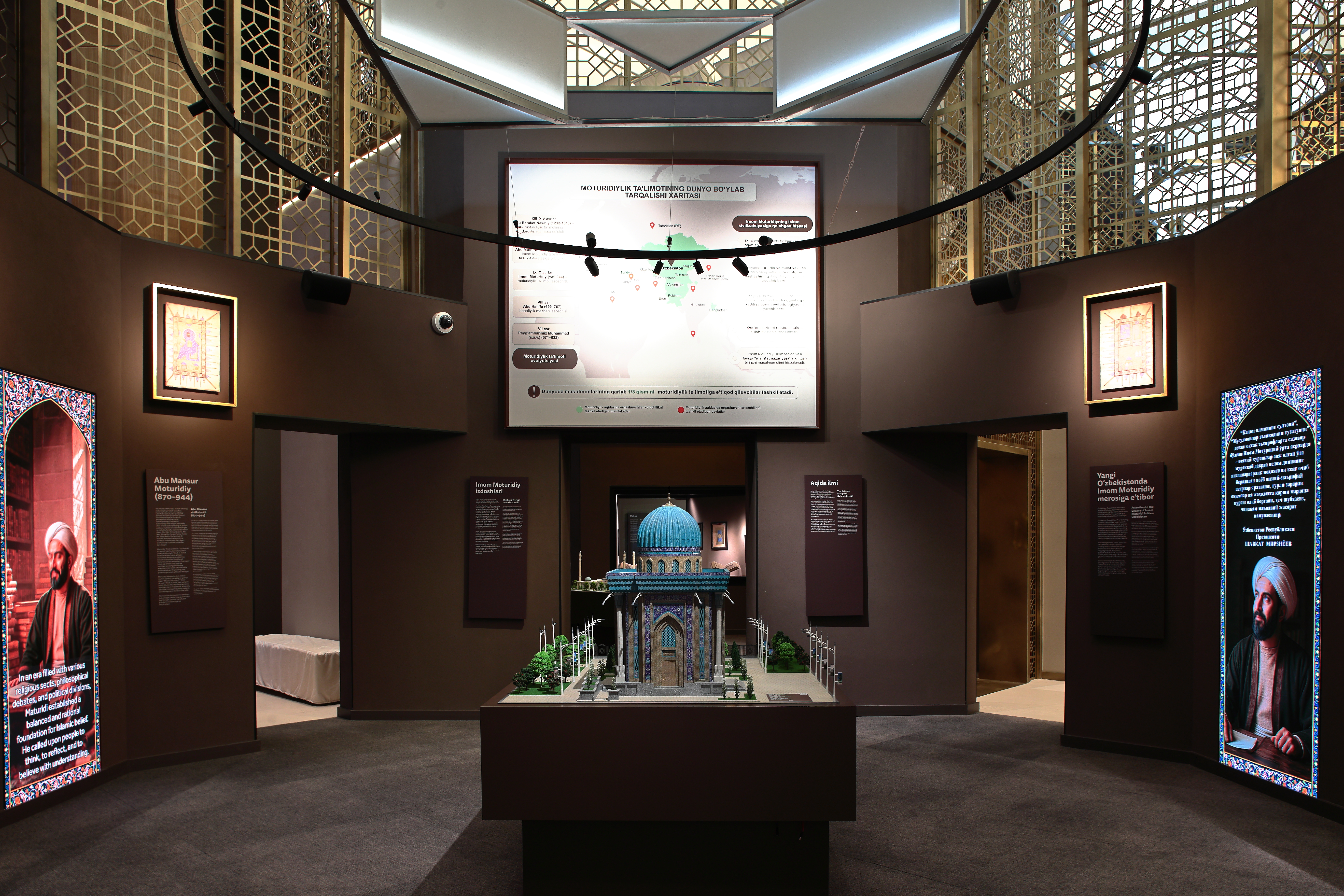
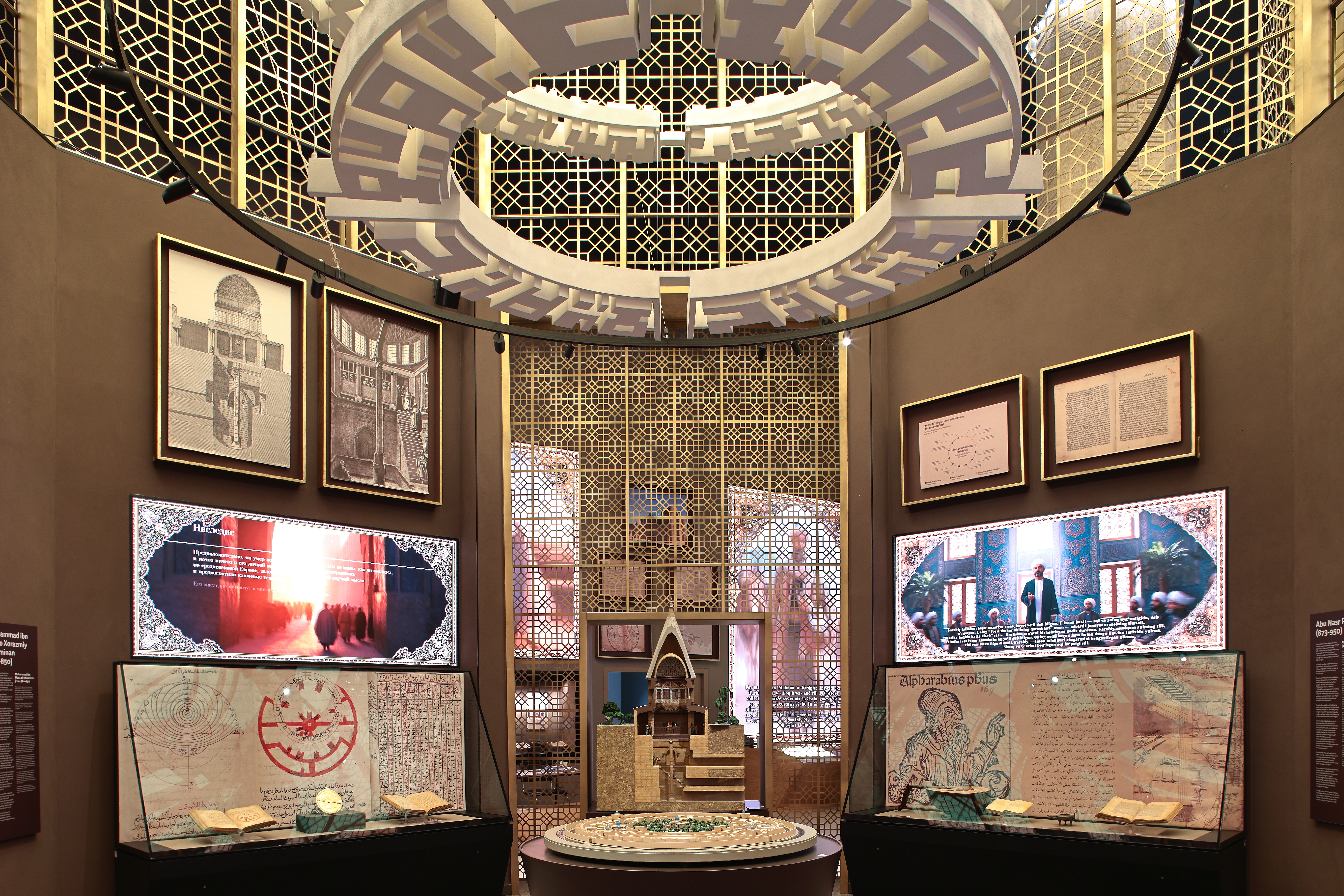
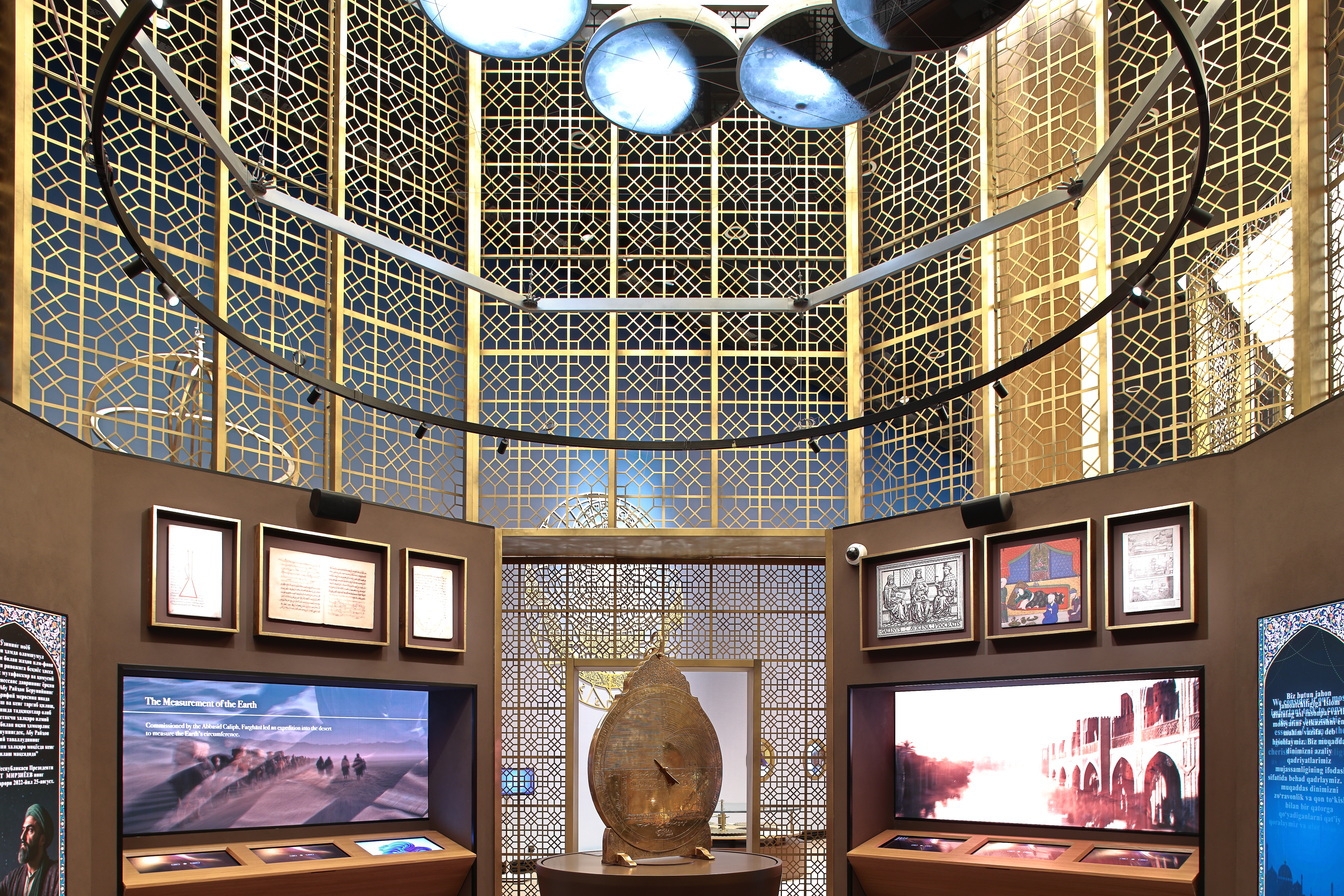 Within the exhibitions, the legacy of great scholars such as Imam Bukhari, Imam Tirmidhi, Al-Khwarizmi, Ibn Sina, and Mirzo Ulugbek is presented in close connection with their historical periods and scientific environments. This allows visitors to clearly and comprehensively understand the formation and development of science.
Visitors here are not merely observers — they see, hear, and feel the exhibitions; through digital technologies, they can even “interact” with the figures of great scholars. As a result, the visit becomes not just observation, but a direct experience of knowledge and civilization.
The main focus of the Center’s activity is the in-depth study of the heritage of Islamic civilization, its scientific research, and its presentation to the wider public in modern forms. At the same time, the Center serves to promote national history and spiritual values on an international scale. A clear harmony of tradition and innovation is evident here: through interactive panels, 3D visualizations, and digital technologies, the exhibitions are not only seen but fully experienced. In this way, the Center goes beyond the concept of a traditional museum and transforms into a modern scientific and educational platform.
The initiator of this major project is the President of the Republic of Uzbekistan, Shavkat Mirziyoyev. Emphasizing the importance of the Center, the head of state described it as follows:
“We are building the Islamic Civilization Center not merely as a museum, but as a scientific and educational institution that will present the history, science, and spirituality of our people to the world.”
This statement clearly expresses the essence of the Center: it not only preserves the heritage of the past, but also conveys its meaning to the modern world.
In a short period, the Center has achieved remarkable success, welcoming on average more than 5,000 local and international visitors daily. Visitors particularly note the environment created in the Center, its modern technologies, and the richness of its exhibitions, emphasizing the deep impression it leaves. At the same time, the Center has become a focal point for prestigious international delegations and is recognized as an advanced platform implementing modern museum technologies.
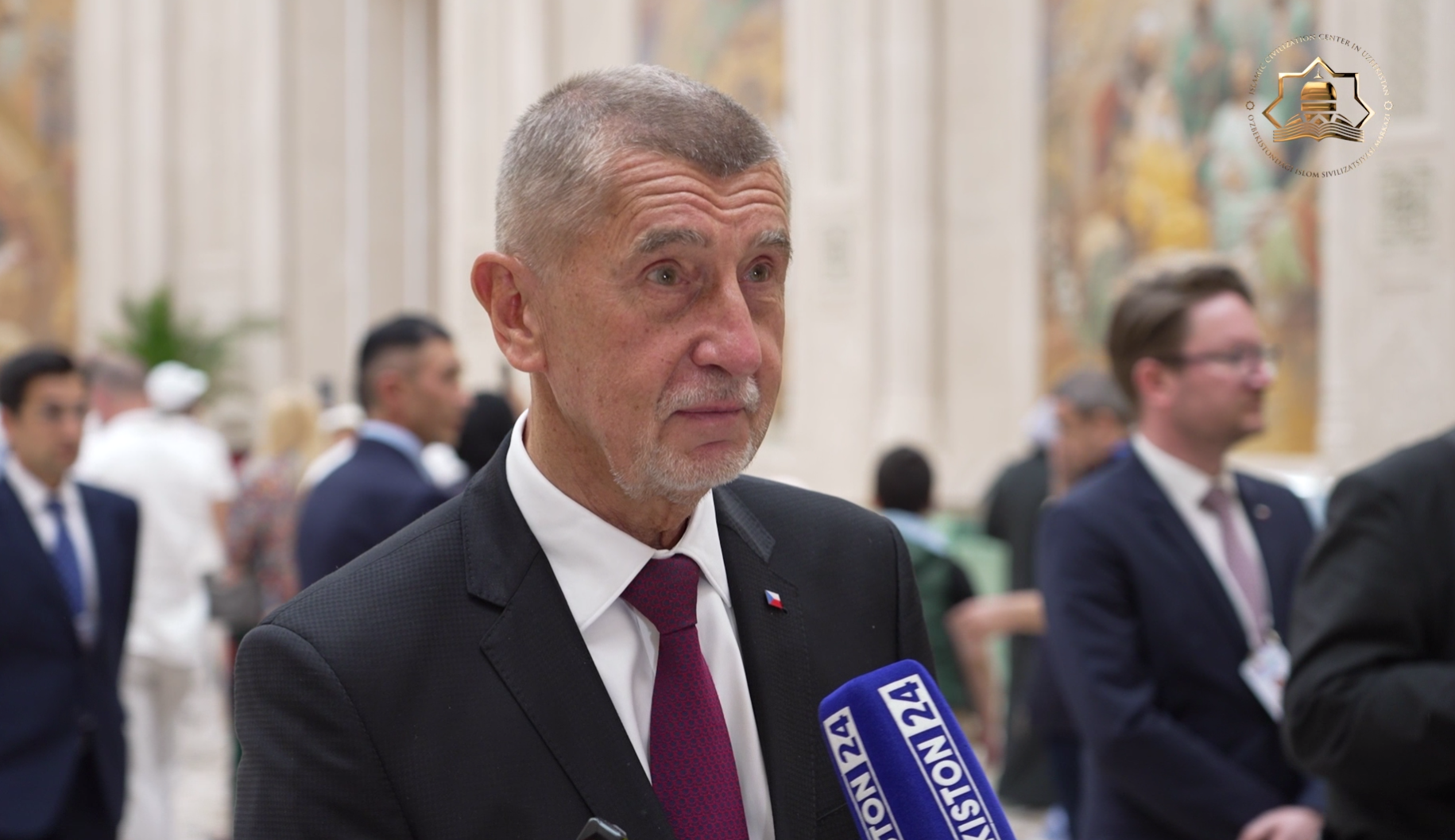 In particular, the Prime Minister of the Czech Republic, Andrej Babiš, remarked:
“It is difficult to find words to describe this museum—it is truly astonishing. I have never seen anything like it in my life.”
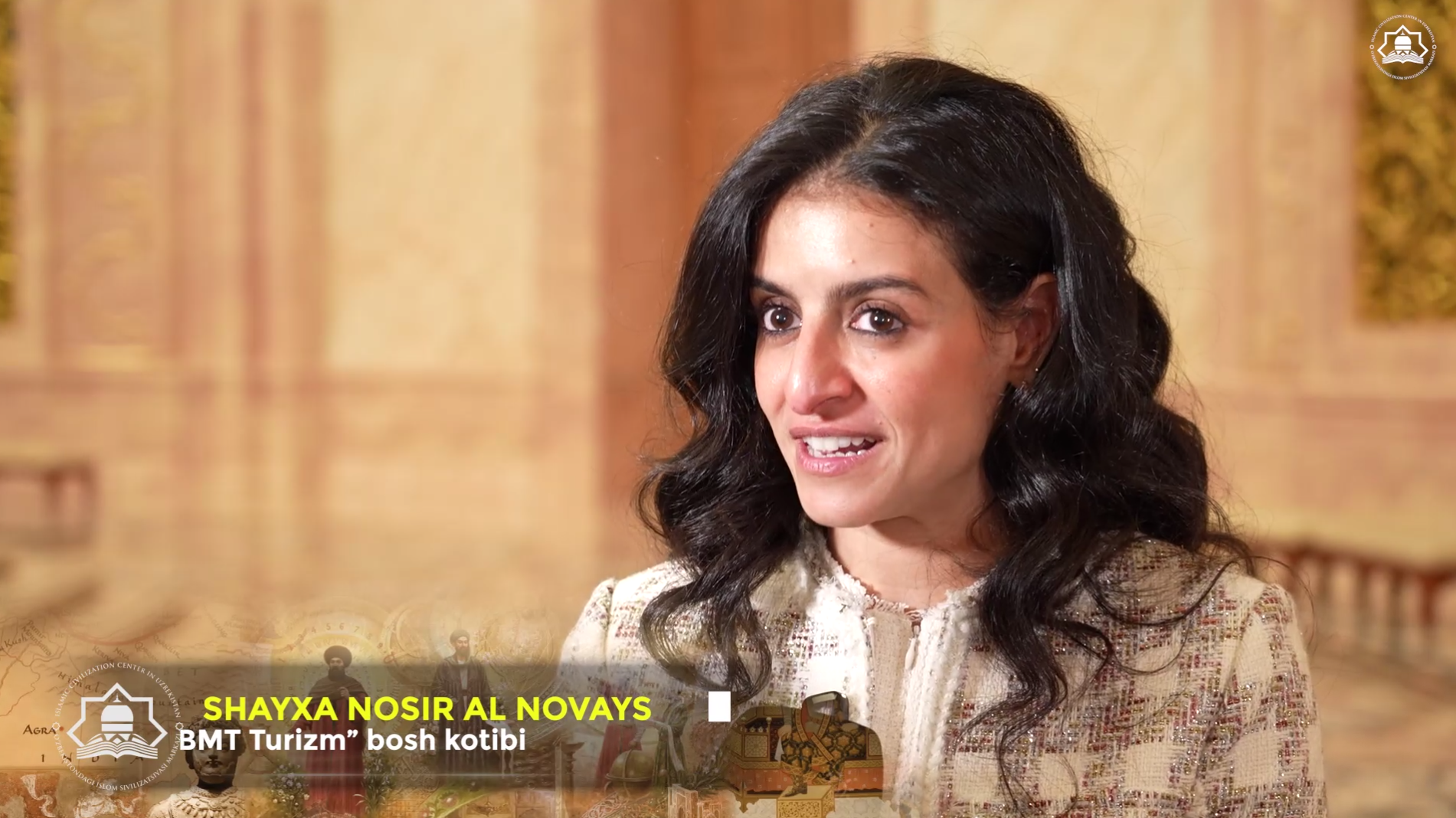 According to the Secretary-General of UN Tourism, Shaikha Al Nowais, the history of civilizations is presented here in a highly impactful way through modern technologies and immersive art, offering visitors not only information but also a profound experience. She described the Center as an important cultural and tourism landmark for Tashkent and all of Uzbekistan.
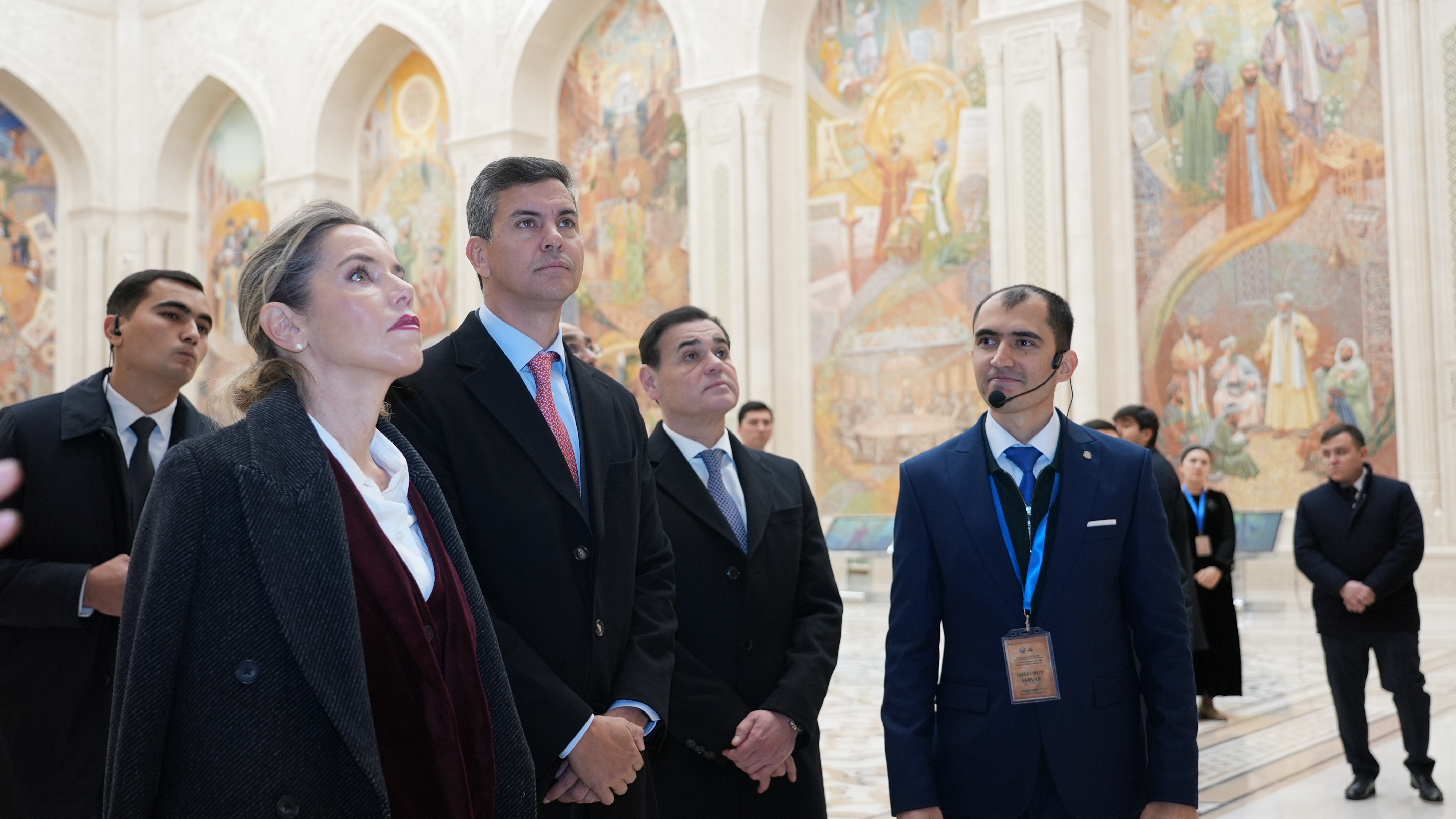 According to the President of Paraguay, Santiago Peña, “The history of Uzbekistan is an integral part of human civilization. From this land emerged a heritage that has made a tremendous contribution to world science and culture.”
These views clearly demonstrate how the Center is perceived at the international level.
One of the most significant milestones is that on April 13, 2026, the Center was officially recognized by Guinness World Records as the “Largest museum of Islamic Civilization.”
At the same time, the cultural organization of the Turkic world, TURKSOY, named the Center’s museum the “Best Museum in the Turkic World,” granting it special recognition at an international conference.
In addition, the Center was listed by Smithsonian Institution’s official publication, Smithsonian Magazine, as one of the ten most anticipated museums in the world in 2026. This placed the Center among the world’s leading museum projects and further strengthened its global cultural and scientific significance. These recognitions confirm the Center’s unique position in the global museum landscape.
Such high praise reinforces the Center’s prestige within the global scientific and cultural community, presenting it as an important platform for international dialogue and cooperation. Most importantly, every exhibition and every element here serves a single idea — that human civilization advances through the harmony of diverse fields.
In this sense, the Islamic Civilization Center is not merely a place that displays history, but a unique spiritual and scientific environment that enables its understanding, experience, and reinterpretation through modern thinking. Here, the connection between the past and the present is clearly demonstrated, revealing the continuous path of human civilizational development with deep meaning. The Center serves not only to preserve and promote national heritage, but also to present it to the global community in a modern and impactful way.
Most importantly, this space reconnects individuals with their roots, influences their spiritual and intellectual world, and inspires them to understand and shape the future based on the experience of the past. In this regard, the Islamic Civilization Center stands not only as a national pride of Uzbekistan, but also as an important platform that strengthens dialogue between civilizations and promotes global cultural cooperation.
Shahina Alijonova
P/S: The article may be republished on the Center’s official website with a reference link